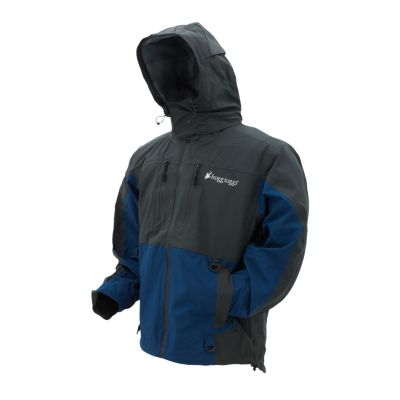
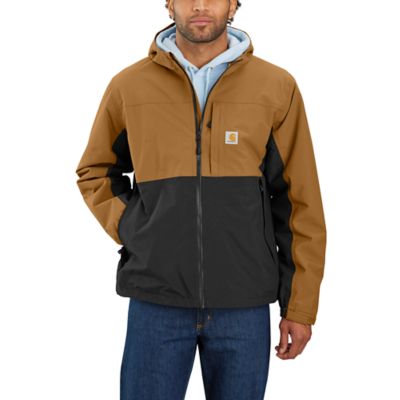
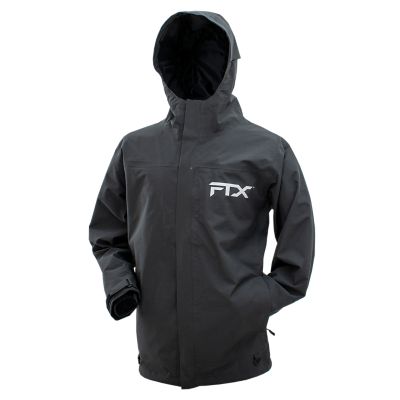
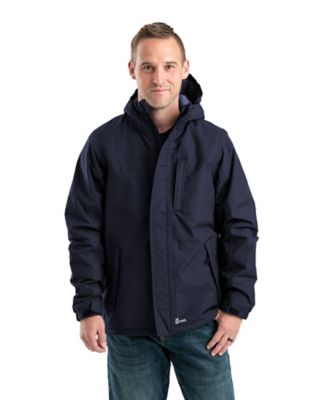
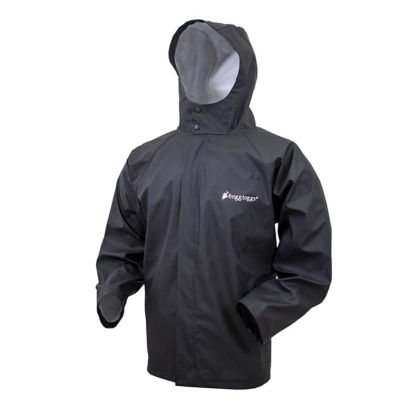
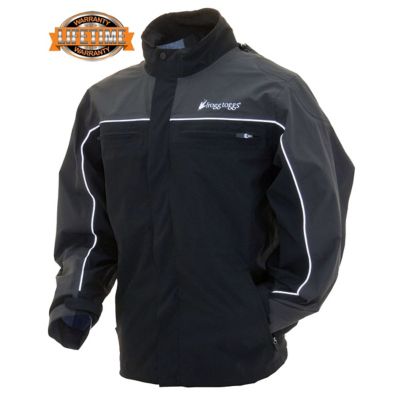
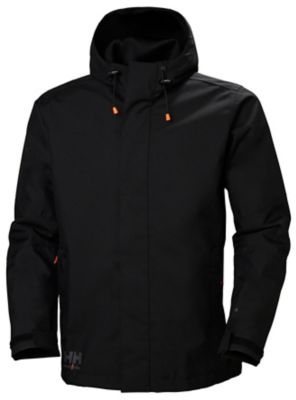
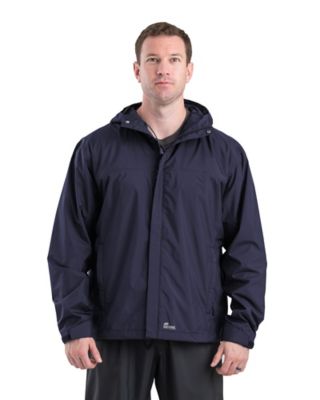
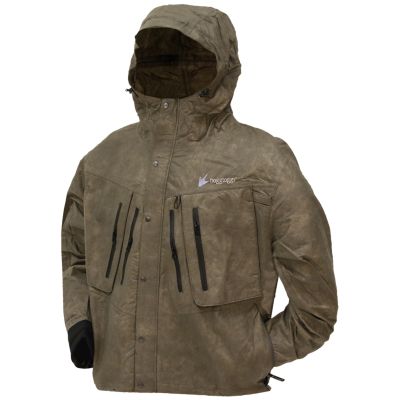
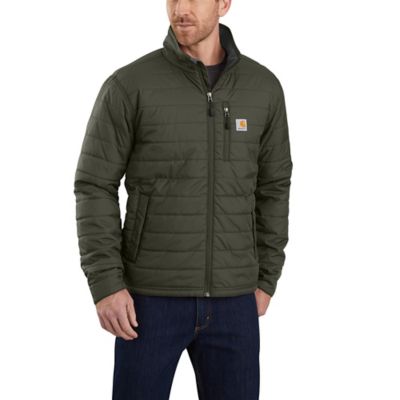
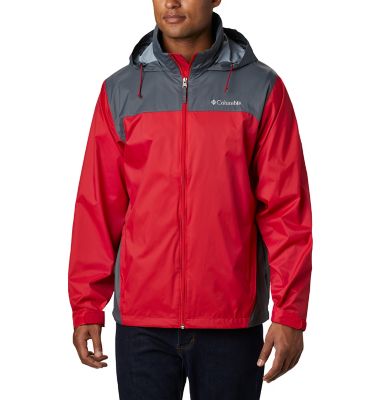
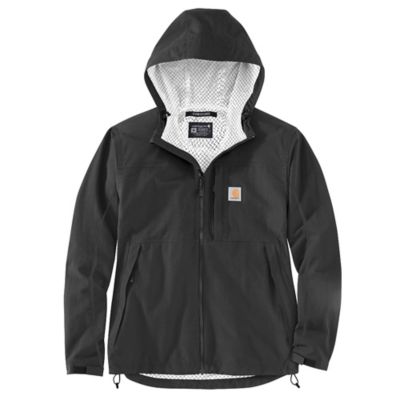
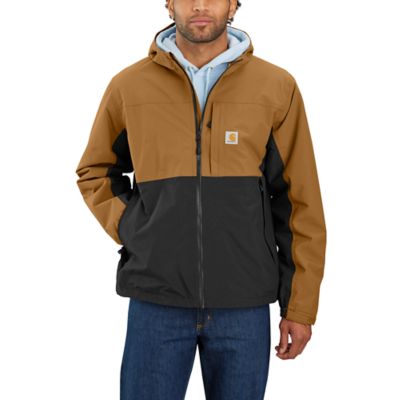
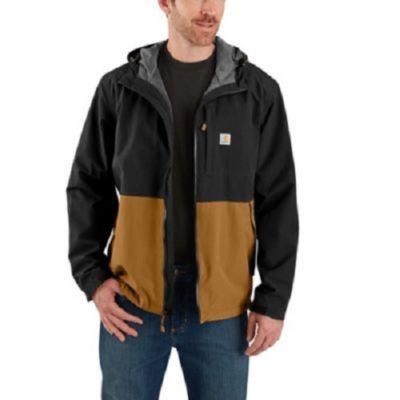
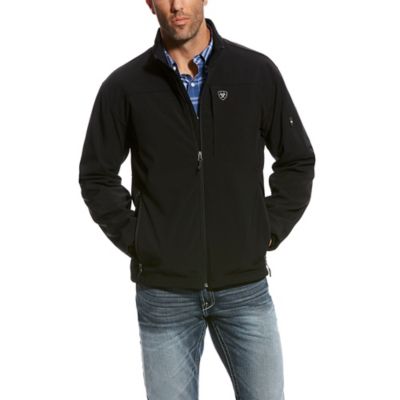
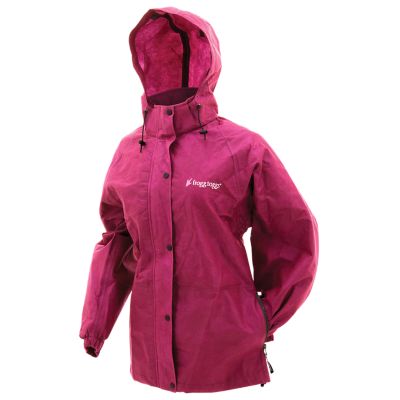
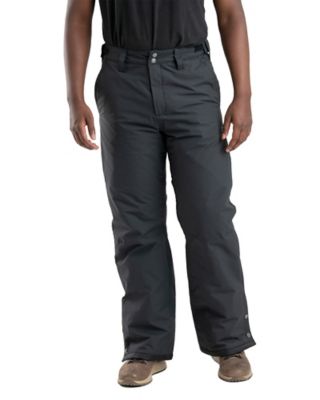
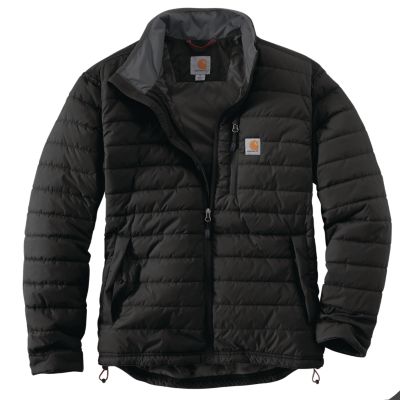
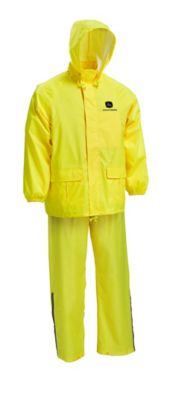
A waterproof breathable work jacket is made for the kind of weather that can change before the morning chores are finished. It helps keep rain from soaking through the outer shell while allowing heat and sweat to escape during lifting, walking, hauling, or other hard work. That balance matters on a farm, job site, trail, or roadside project, where a jacket that blocks rain but traps body heat can become just as uncomfortable as a jacket that leaks. Look for a shell built with waterproof breathable fabric, sealed or taped seams, and a storm flap or water-resistant zipper that helps close off common entry points. A waterproof rating, often listed in millimeters, gives a general idea of how much water pressure the fabric can withstand; higher ratings are usually better suited to steady rain and rough outdoor conditions. Breathability ratings can also help compare jackets, especially for people who spend long hours moving instead of standing still. Features such as underarm vents, a back vent, adjustable cuffs, and a drawcord hem give you more ways to release heat or keep wind and water out. A good work jacket should feel like part of your gear, not something you have to fight with every time you reach, climb, or bend. Articulated sleeves, gussets, and a cut that leaves room through the shoulders can make a real difference when handling tools, feeding livestock, stacking materials, or working from the bed of a truck. For wet jobs during the warmer part of the year, a lightweight shell may be all you need over a work shirt. As the weather turns cooler, choose a fit that leaves room for a sweatshirt, insulated vest, or base layer without pulling across the back.
The right waterproof breathable work jacket depends on the job, the weather, and how much wear you expect it to take. Someone mowing fields, checking fences, or walking a wooded property may value a lighter jacket that packs down easily and sheds passing showers. A construction worker, landscaper, utility crew member, or outdoor maintenance professional may need a tougher shell with reinforced areas, secure pockets, and enough room for daily layering. Pockets should be placed where they remain useful while wearing a tool belt, backpack, or harness, with zippered or covered openings to help protect keys, gloves, a phone, and other small essentials. A roomy hood that adjusts over a cap or hard hat can help during driving rain, while a brim keeps water from running into your eyes. Cuffs that tighten over gloves are handy when the wind picks up, and a longer back can provide extra coverage when sitting on equipment or bending over. If visibility is a concern, look for high-visibility colors or reflective details appropriate for the work environment. Some jobs also call for flame-resistant clothing, electrical hazard protection, or other certified safety features; those requirements should be checked carefully before choosing a general rain shell. Waterproof and water-resistant are not the same thing, either. Water-resistant fabric can handle light moisture and brief showers, while a waterproof jacket is designed for more dependable protection in persistent rain. Even the best shell works better when worn with suitable layers underneath. Moisture-wicking base layers can help move sweat away from the skin, while cotton hoodies and heavy sweaters may hold moisture during demanding work. For a more rugged rainwear setup, compare this style with
Waterproof Fisherman Jackets, especially when you want extra coverage and a jacket suited to wet outdoor routines.
A waterproof breathable work jacket can also make a thoughtful gift for someone who spends more time outside than they planned. It suits a working parent who heads out before daylight, a neighbor who keeps a small farm running, a hunter or angler preparing for damp conditions, or a new homeowner tackling outdoor repairs through the cooler months. To choose a gift, pay close attention to sizing and intended use. A jacket meant for active labor should allow a full range of motion without hanging so loose that it catches on equipment, fencing, or branches. Check the size chart, shoulder and chest measurements, sleeve length, and whether the cut is designed for layering. Color matters, too: darker shades can hide everyday grime, while brighter colors are easier to spot near roads, equipment, and tree lines. Think about storage and care before buying. Many waterproof shells should be cleaned with mild detergent and no fabric softener, then dried according to the care label so the breathable membrane and water-shedding finish keep working properly. Dirt, oil, and dust can reduce performance over time, so regular cleaning is part of maintaining rain gear, not just making it look better. Hang the jacket fully dry before storing it, and avoid stuffing a damp shell into a truck toolbox or gear bag. Whether it is pulled on for a quick fence-line check, worn through hours of landscaping, or kept in the cab for an unexpected downpour, a well-chosen waterproof breathable work jacket offers practical comfort when the forecast is unsettled. Focus on dependable weather protection, useful ventilation, durable construction, comfortable movement, and the safety features your work calls for, and you will be better prepared for wet days from the first cool rain through the changing conditions of fall.