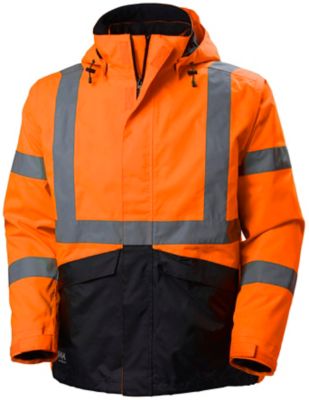
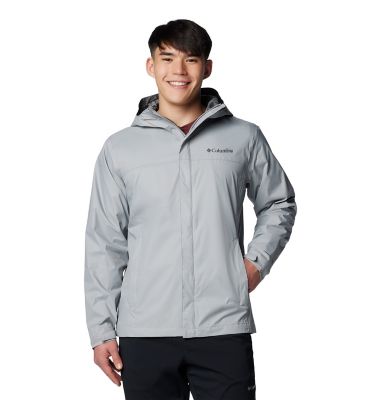
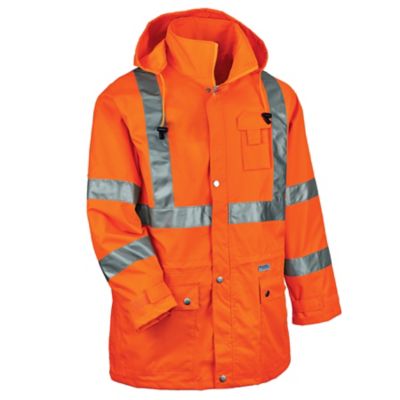
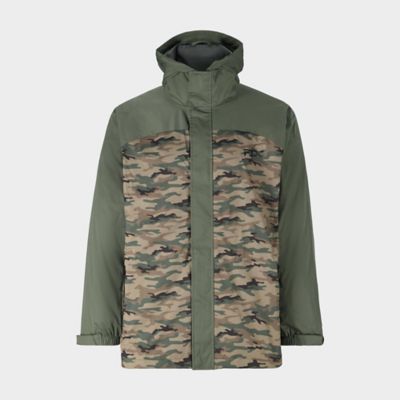
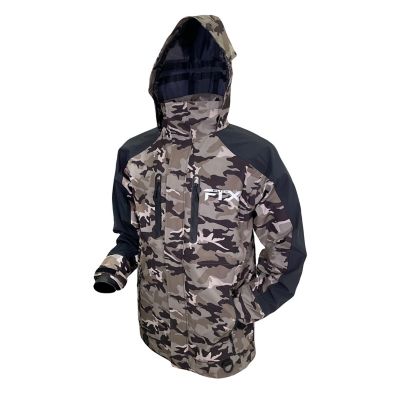
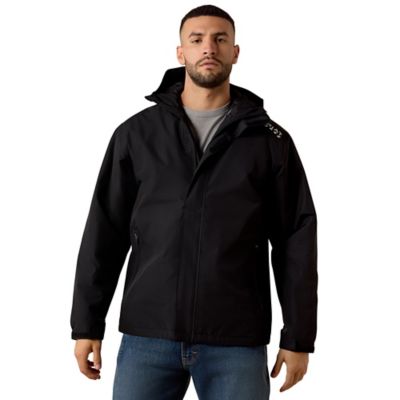
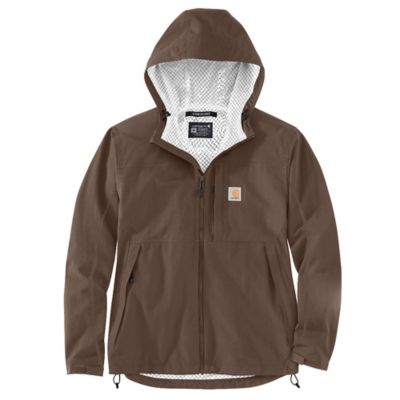
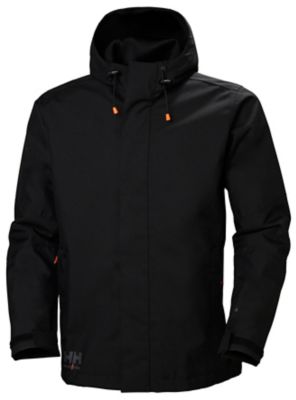
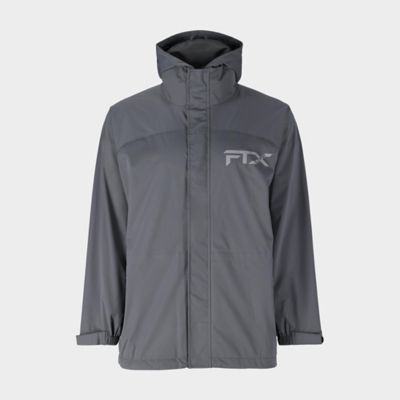
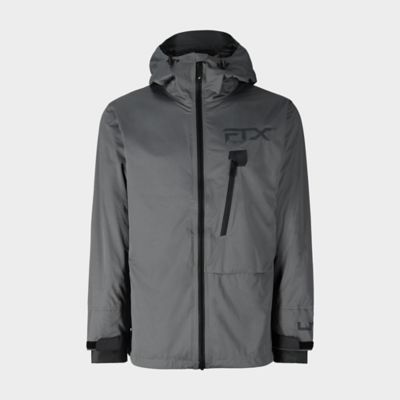
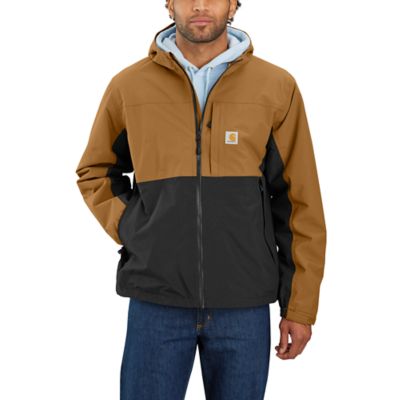
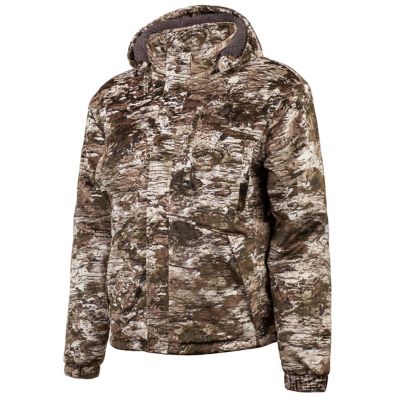
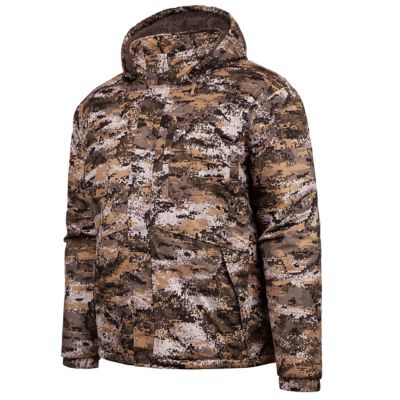
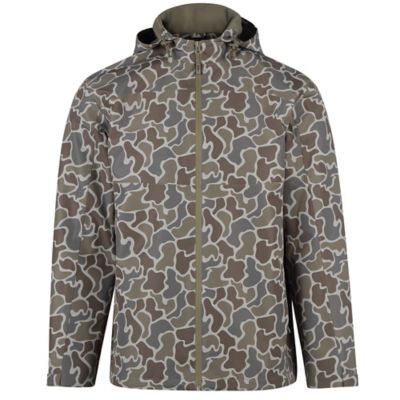
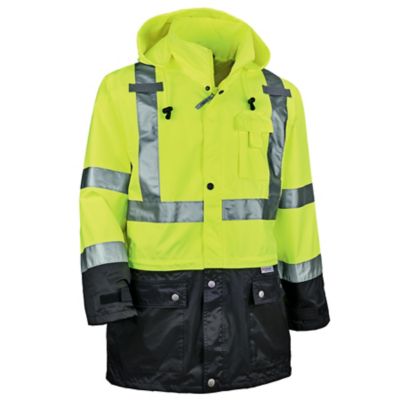
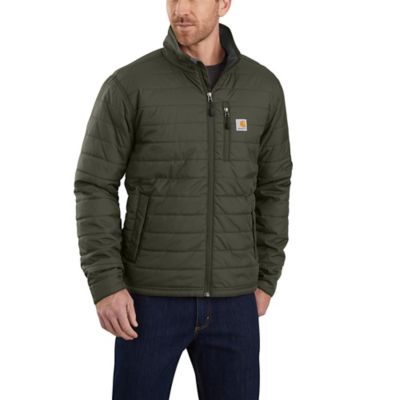
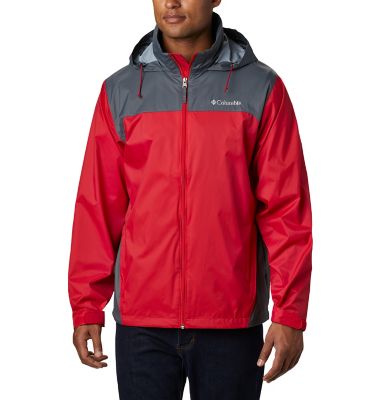
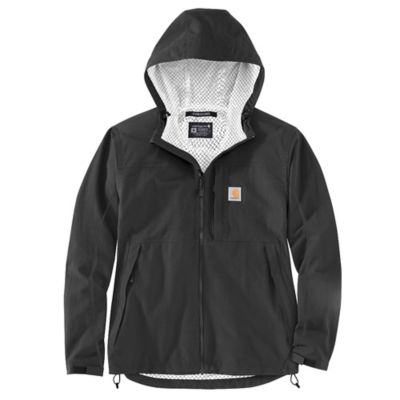
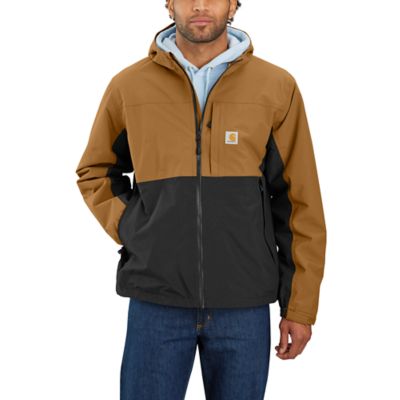
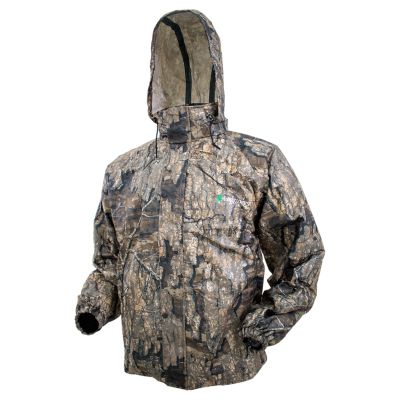
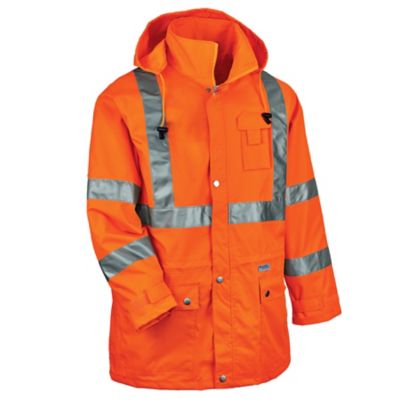
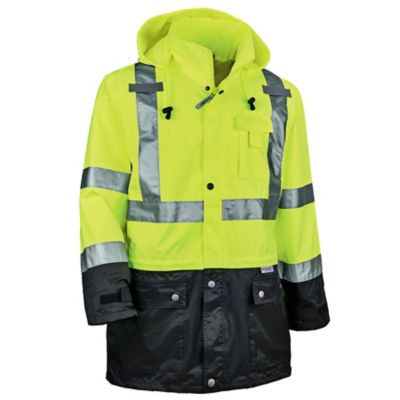
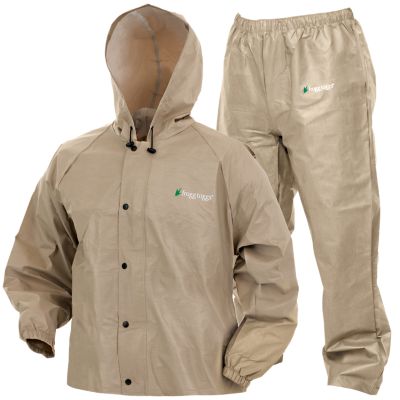
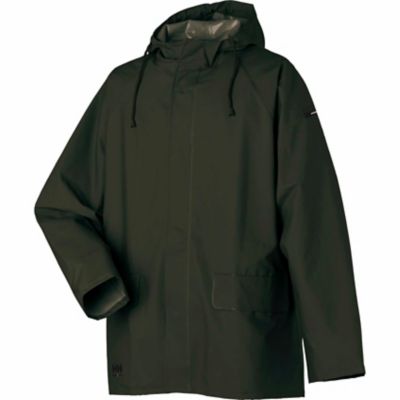
Breathable waterproof jackets for men are built to block rain while letting moisture vapor escape, helping keep a damp day from turning into a soaked shirt and a long ride home. That balance matters when the work keeps moving, whether that means checking fence lines, carrying feed to the barn, or walking a muddy trail. A waterproof, breathable shell typically relies on a membrane or coating beneath the outer fabric to resist liquid water while allowing vapor to pass through. The face fabric often has a water-repellent finish that encourages droplets to bead and roll away, but that finish is not the same thing as the waterproof barrier underneath. When the outer fabric becomes saturated, a jacket can feel clammy even if rain has not reached the inside. Breathability also has limits: hard work, high humidity, and heavy layers can produce moisture faster than a shell can release it. Underarm vents and other ventilation openings provide another way for heat and moisture to escape when conditions allow. Construction makes a difference, too. Two-layer shells generally pair the outer fabric and waterproof barrier with a separate lining. Two-and-a-half-layer designs typically have a protective treatment on the inside, while three-layer shells bond an inner backing to the waterproof barrier and face fabric. Those differences affect weight, feel, and how the jacket handles repeated wear. Nylon and polyester are common shell materials, and ripstop weaves can help limit the spread of small tears. Fabric weight and reinforcement matter around brush, fence wire, and rough equipment, though no rain shell is meant to stand up to every snag. Fully taped seams help close off stitch holes throughout the garment; critically taped seams cover selected areas instead. Waterproof and breathability ratings offer more context, but test methods vary between makers, so numbers alone do not tell the whole story. For everyday chores and longer stretches outdoors, the useful combination is rain protection, manageable weight, and enough ventilation for the pace of the day.
Fit is just as important as the fabric when a jacket has to move through a full day of chores. A men’s waterproof shell should leave enough room across the shoulders and chest for reaching a gate latch, lifting a feed sack, or stretching an arm into the truck bed without pulling tight. Extra room for a flannel, fleece, or insulated layer helps when cold rain calls for more than a shirt underneath, but an overly loose fit can flap in the wind and leave cuffs or hems in the way. Chest, sleeve, and waist measurements are more useful than relying on a familiar size label alone, especially when the jacket will go over work clothes. Sleeve length deserves attention with arms extended, not just hanging at the sides. A little extra coverage at the back can help keep runoff away from the waistband while bending, while a shorter hem may feel less restrictive in a truck seat. Adjustable cuffs help close the gap around wrists, and a hem drawcord can reduce drafts and windblown rain. The hood should turn with the head without blocking side vision, with adjustments that keep the brim from dropping into the eyes. A collar that sits comfortably at the chin makes a difference when the front zipper stays closed for hours. Pocket placement matters in everyday ways: hand pockets should be easy to reach, and chest pockets can keep small essentials within reach without constant digging. Unless a pocket is specifically rated for water protection, a separate waterproof pouch is a better place for a phone or important paperwork in steady rain. Covered zippers, storm flaps, and openings that close securely help manage likely entry points for water. Lightweight, packable jackets suit walks and days when rain gear rides along in a bag, while heavier shells may feel better suited to repeated contact with straps, brush, and work surfaces. An uninsulated shell provides rain and wind protection, but warmth still depends on the layers beneath it.
Care plays a big part in how a breathable waterproof jacket performs over time. Mud, sweat, skin oils, and residue can interfere with the outer fabric’s ability to shed water, so a shell that sees regular farm work needs more than an occasional shake over the porch rail. The care label sets the rules for washing, drying, and any treatment afterward, since membranes, linings, and finishes do not all tolerate the same routine. Many waterproof garments call for a gentle wash with a suitable cleaner and a thorough rinse, without fabric softener or bleach. Some allow low heat to help refresh the water-repellent finish, while others require a different approach. When water stops beading on a clean shell, an appropriate water-repellent treatment may help restore that surface performance, provided it matches the garment’s care directions. It will not fix a torn membrane, peeling seam tape, or a hole from a sharp branch. Small snags deserve attention before they spread, and repair materials need to be compatible with the shell fabric. Letting the jacket dry fully before storage helps prevent musty smells and keeps damp fabric from sitting compressed in a pack or truck toolbox. Hanging it in a dry spot between outings also makes it easier to notice worn cuffs, loose closures, or seam damage before the next soaking rain. For a dad, husband, son, or friend who spends plenty of time outdoors, a breathable waterproof jacket can be a practical gift when the fit, layering room, and intended work are taken into account. Families sorting out rain gear for more than one person can also explore
Breathable Waterproof Jackets for Women. The right fit for the wearer’s routine matters more than extra features that never leave the pocket. From a quick run to the outbuilding to hours spent tending livestock, a well-fitting shell should let the wearer reach, bend, and keep moving without fighting the fabric or carrying more weight than the job calls for.