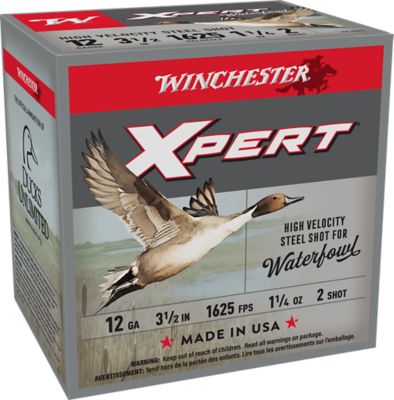
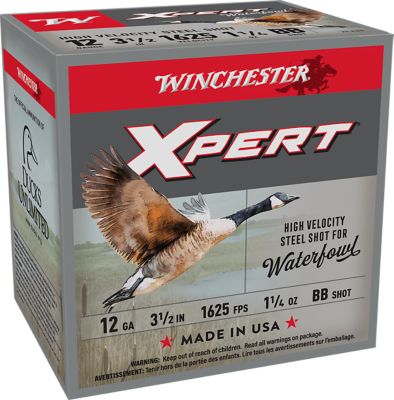
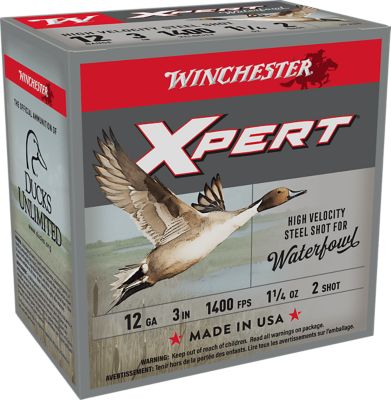
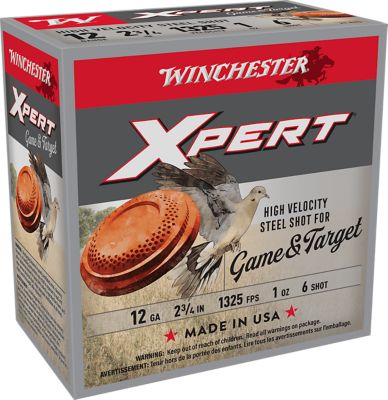
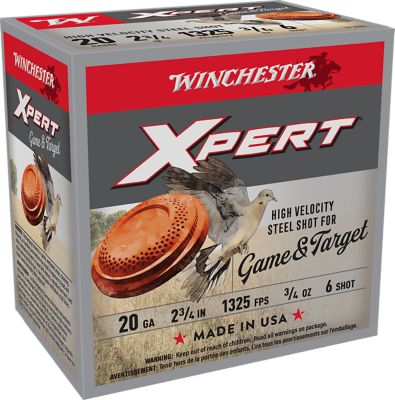
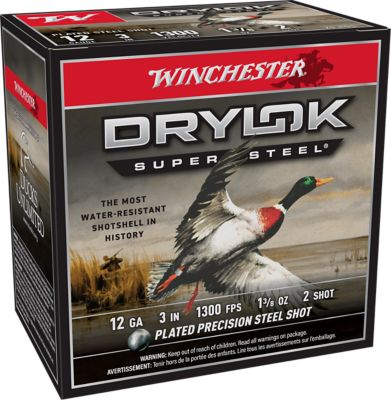
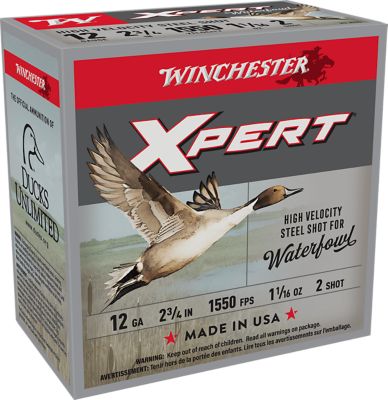
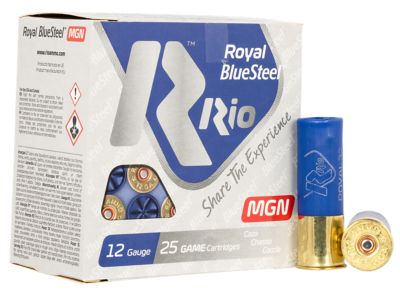
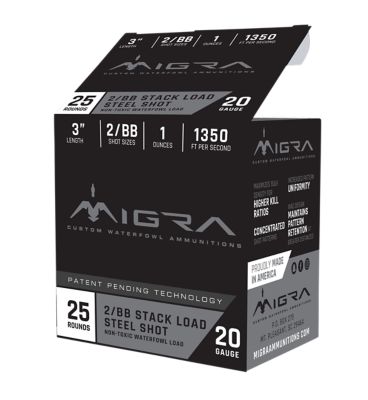
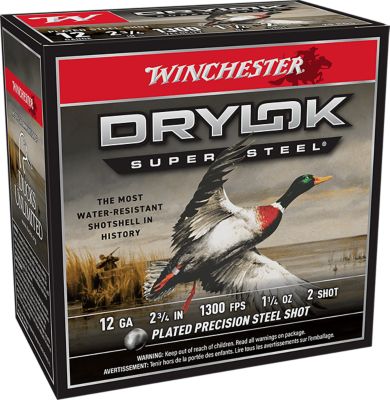
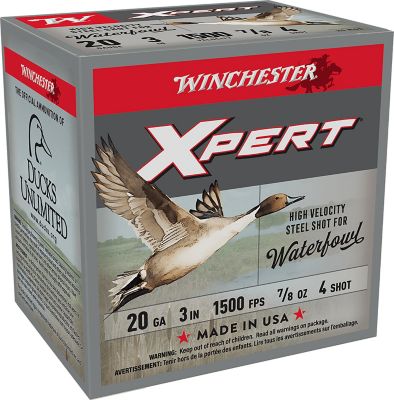
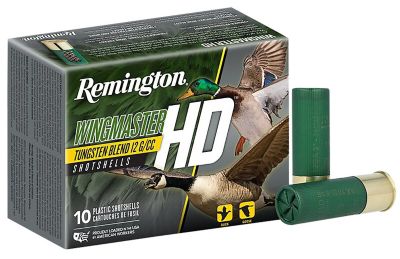
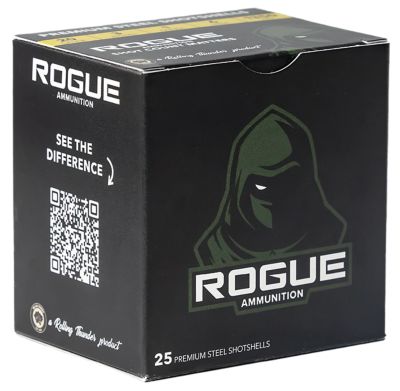
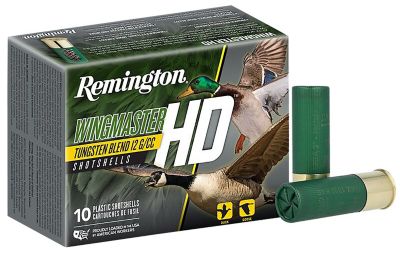
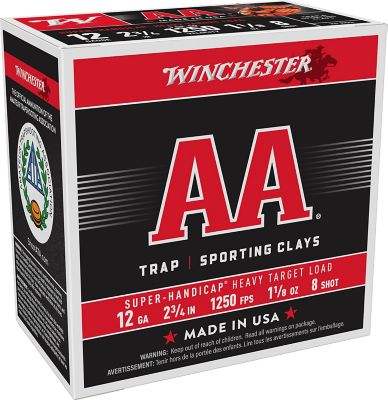
Waterfowl hunting shotgun shells belong to a different part of the hunting kit than ammunition meant for clay targets or upland birds. A morning in a flooded timber hole, an afternoon beside a farm pond and a hunt over an open field can bring different birds, surroundings and equipment needs. What ties those settings together is the need for ammunition that fits the shotgun, meets waterfowl regulations and suits the intended hunt. Federal rules require approved nontoxic shot for waterfowl hunting in the United States, with state rules and individual hunting areas sometimes adding restrictions. That makes shot material an important part of the label, not just a matter of preference. Steel, bismuth and approved tungsten-based compositions each have different material properties, and their performance and firearm compatibility are not interchangeable. Steel is less dense than lead, while bismuth and tungsten-based alternatives offer different density and hardness characteristics. Tungsten-based loads also vary in composition, so the material name alone does not tell the whole story. The complete load description and manufacturer guidance matter more than broad claims on the front of a box. Hunters pursuing ducks over small water may look at different load characteristics than those heading into a goose field, but neither setting makes a larger shell or heavier load an automatic better choice. Recoil, firearm fit and familiarity all deserve a place in the decision. For someone getting into waterfowling, clearly labeled ammunition makes it easier to understand what belongs with their equipment. For a seasoned hunter, those same details help keep a familiar setup consistent from one outing to another. These shells are sporting ammunition for lawful hunting, and their suitability depends on the full combination of shotgun specifications, ammunition labeling and applicable regulations. Even hunters who have carried the same shotgun for years benefit from checking a new ammunition label rather than assuming that every waterfowl load shares the same requirements.
Fit starts with more than the gauge printed on the box. Shell length, chamber markings, barrel specifications and choke compatibility all help determine whether a particular load belongs in a shotgun. A shell’s stated length generally refers to its length after firing, which is one reason an unfired shell appearing to fit is not proof of compatibility. The firearm manual and ammunition manufacturer’s directions should agree before a load goes into the field. This is especially important with older shotguns, inherited firearms and barrels or choke tubes that may have restrictions on hard shot materials. Bismuth is often considered for certain older firearms, but that does not make every bismuth load suitable for every older gun. The complete firearm and load specifications still govern the choice. Beyond fit, a waterfowl shotshell combines a hull, metal head, primer, propellant, wad and shot charge into a factory-loaded unit. Hull construction, the crimp at the mouth and any manufacturer-described sealing features are worth considering for hunting around water, mud and damp vegetation. Those details do not turn ammunition into gear that can be left soaking in the bottom of a boat. Pellet size, shot charge weight and listed velocity describe different aspects of a load, and none should be read in isolation. A heavier charge may also mean more recoil, depending on the complete load and shotgun. That can matter to a hunter who values a comfortable, familiar setup or spends a long day carrying gear to and from the blind. Labels with clear material, gauge and length information also make organization simpler when more than one shotgun is part of the household. Keeping different gauges and loads separated helps prevent mix-ups, especially when packing before daylight or sorting gear after a muddy walk back to the truck.
Care and storage matter just as much as the details on the box. Waterfowl hunting puts gear close to splashing water, wet gloves, muddy boots and the occasional leaky blind bag. Shells benefit from a clean, dry carrying space that protects them from loose grit and keeps their markings readable. Original packaging helps preserve load specifications, lot information and manufacturer warnings, while an appropriate ammunition container can help keep boxes organized during transport. Water-resistant features should never replace sensible handling. Ammunition that has been soaked, shows corrosion, has a damaged hull or otherwise appears compromised should be kept out of service, with the manufacturer or an appropriate local authority consulted about disposal. Attempts to heat, alter or repair a questionable shell do not belong in ordinary ammunition care. At home, secure storage away from children and unauthorized people, separate from firearms, helps keep hunting supplies where they belong. Travel and hunting-area rules also deserve attention, since ammunition restrictions can differ between locations. For an adult hunter receiving shells as a gift, knowing the exact firearm requirements and preferred load specifications matters far more than choosing a box by appearance. A gear list may include waders, a blind bag, hearing protection and
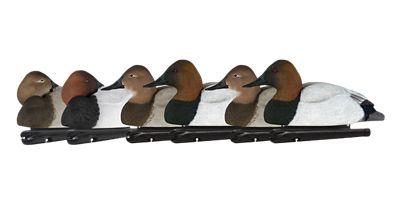
Flocked Decoys, but ammunition needs its own careful match to the shotgun and the hunt. Whether the trip involves a short walk to a pond behind the pasture or hauling equipment out to a field blind, clearly identified shells and orderly storage make packing and cleanup less of a chore. After the hunt, spent hulls belong out of the marsh and off the field, along with the rest of the day’s litter. Waterfowl ammunition earns its place in a hunting kit through proper fit, suitable materials and careful handling—not simply through a bigger number on the label. Those practical details help keep the focus on a lawful, responsible day afield.