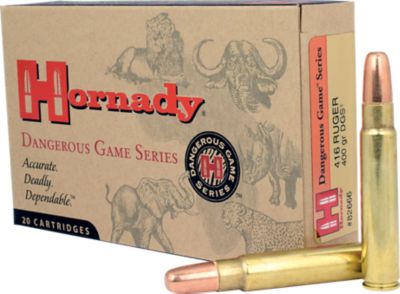
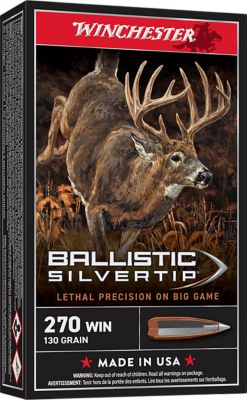
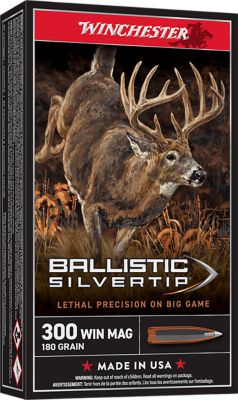
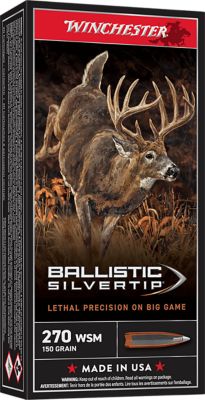
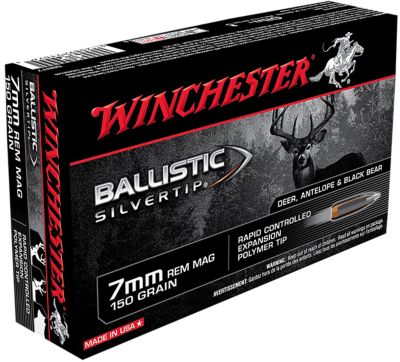
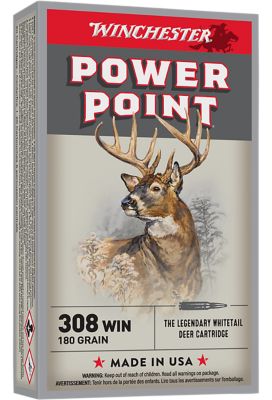
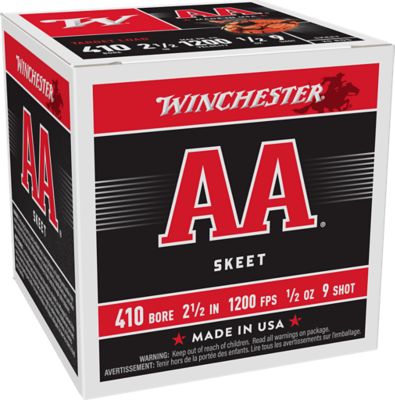
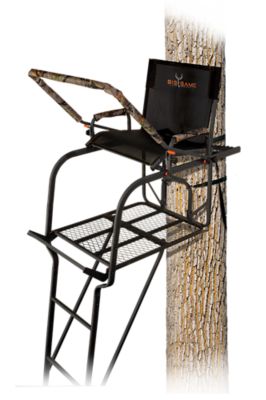
Big game hunting cartridges are complete rounds of ammunition intended for hunting animals such as deer, pronghorn, elk and moose. For rifle hunters, the right match depends on the firearm’s chambering, the intended game, applicable hunting regulations and the shooter’s ability to handle the rifle comfortably. There is no single best cartridge for every big game hunt. A familiar deer stand overlooking a pasture and a long walk through open country put different demands on a hunting setup, but both call for ammunition suited to the job. A cartridge contains a case, primer, propellant and bullet; the bullet is the projectile, not the entire round. Caliber generally refers to bore or bullet diameter, while the full cartridge designation identifies the ammunition a firearm is chambered to accept. That distinction matters because cartridges with similar names or bullet diameters are not necessarily interchangeable. The firearm’s markings and owner’s manual should agree with the full designation on the ammunition packaging. Beyond that basic fit, hunters often weigh recoil, bullet construction, rifle weight and the conditions of the particular hunt. Someone who spends most outings watching a timber opening may have different priorities from a hunter covering miles of broken ground. Neither situation makes the biggest cartridge the automatic answer. A rifle that fits well and produces manageable recoil can be easier to practice with consistently than a harder-kicking setup that makes its owner tense before every shot. Familiarity matters, too: the way a rifle shoulders, the steadiness of a supported position and confidence built at the range all belong in the picture. Big game ammunition should support responsible hunting, not encourage shots beyond a hunter’s practiced limits. Even a capable rifle and a suitable hunting load cannot replace a clear view, a safe backstop, sound judgment and the patience to pass on a poor opportunity. Those considerations matter whether the hunt takes place close to home or after a long drive to unfamiliar ground.
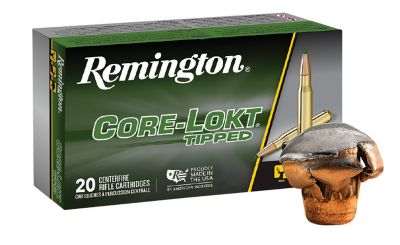
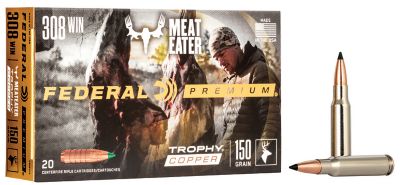
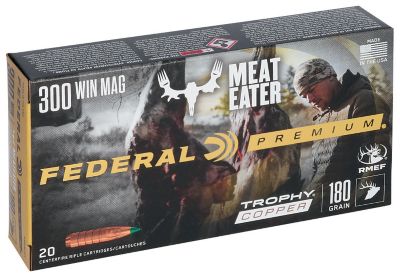
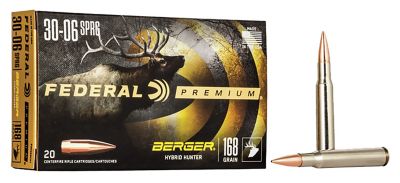
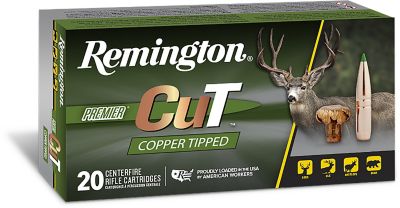
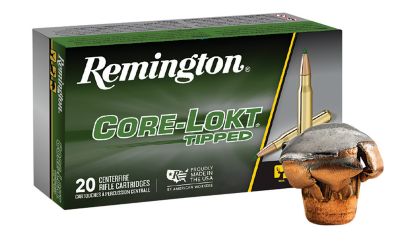
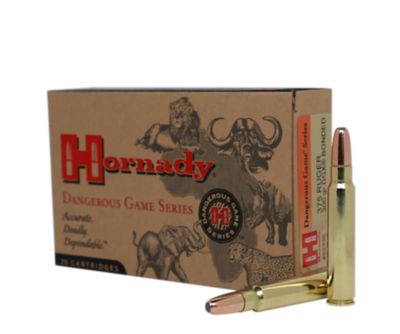
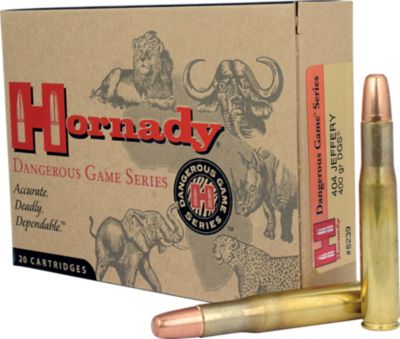
Bullet construction is one of the main differences among big game hunting loads. Many hunting bullets combine a lead core with a copper-alloy jacket, while others have bonded components or one-piece copper construction. Some feature exposed lead tips, and others have polymer tips or other designs that influence how the bullet behaves. These features are more than differences in appearance, but a tip shape or jacket alone does not tell the whole story. The manufacturer’s stated application is a better starting point than assumptions based on how a cartridge looks. Hunting bullets may be designed to expand while retaining enough of their structure for their intended game, with construction varying across ammunition categories. A load intended for one class of game should not automatically be treated as suitable for every larger animal. Lead-free requirements also apply in some locations, making bullet material a matter of legal compliance as well as personal preference. Bullet weight is commonly expressed in grains, a unit of weight rather than a measure of power or a count of propellant particles. A heavier bullet is not automatically the better choice, just as higher advertised velocity does not settle every comparison. Published figures come from particular test conditions, and performance can differ between firearms. For shoppers comparing big game hunting ammunition, the most useful information includes the complete cartridge designation, bullet weight, construction and stated hunting application. Recoil deserves a place alongside those package details. Rifle weight, stock fit and the individual shooter all influence how recoil feels, so another hunter’s favorite setup may not feel comfortable in different hands. Newer adult hunters and experienced hunters alike benefit from equipment they can handle without strain. Practice ammunition and hunting ammunition can also differ in construction and point of impact; familiarity with one does not establish how the other performs. Confidence comes from safe practice with the intended hunting setup, not from a bold claim printed on a box.
Care and storage help keep big game cartridges clearly identified and protected between outings. Cases are often brass, though case materials and finishes vary, and loaded ammunition needs protection from moisture, contamination and physical damage. Original packaging keeps the cartridge designation, manufacturer’s information and lot details together, which is especially helpful in a household with more than one rifle. A loose handful of similar-looking rounds in a coat pocket can create needless confusion. Secure storage away from children and unauthorized people, separate from firearms, is an important part of responsible ownership. A suitable container can help protect packaging during transport, but ammunition still needs a place where it will not be crushed, jostled against loose tools or exposed to oil and solvents. Cartridges with corrosion, dents, loose components or other visible damage should not be fired; the manufacturer can provide direction on safe handling and disposal. Care does not mean polishing, altering or taking apart loaded ammunition. It means keeping it identifiable, protected and in its original condition. Before an outing, legal requirements deserve the same attention as firearm compatibility. Rules can differ by location, species and hunting area, including restrictions involving cartridge types or bullet materials. Travel can bring additional transportation requirements, so a familiar setup at home may need another look before crossing a state line. Cartridges are only one part of getting ready, and
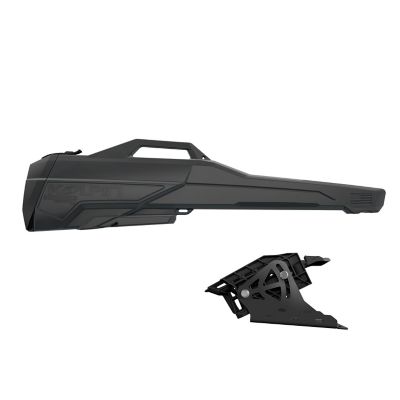
Hunting Gear offers a broader look at essentials for time in the field. Clothing that allows a comfortable shooting position, a pack that keeps necessities organized and appropriate firearm protection all contribute to a more orderly outing. For the hunter returning to a familiar stand or heading into new country, the goal stays straightforward: ammunition that matches the firearm, suits the intended game and fits within the hunter’s abilities. Careful selection, safe storage and regular practice help keep the focus where it belongs—on responsible decisions and a hunt approached with respect for the land and the animal.