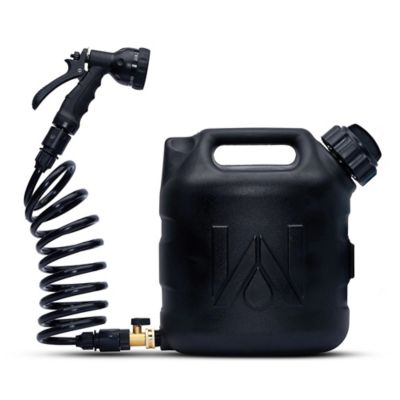
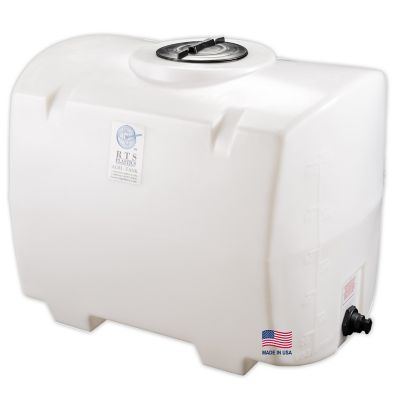
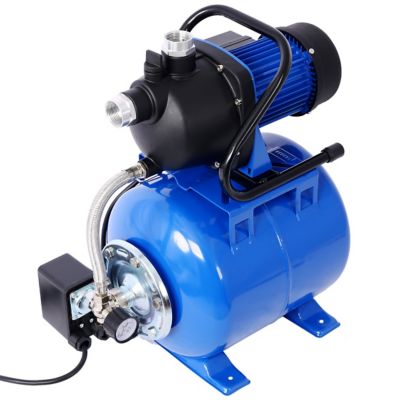
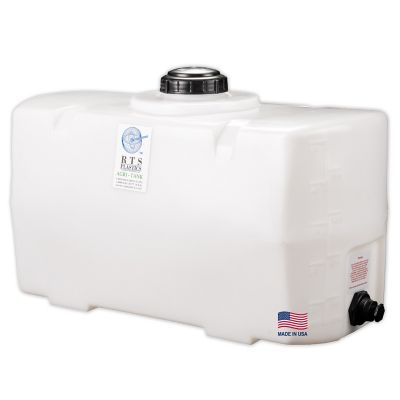
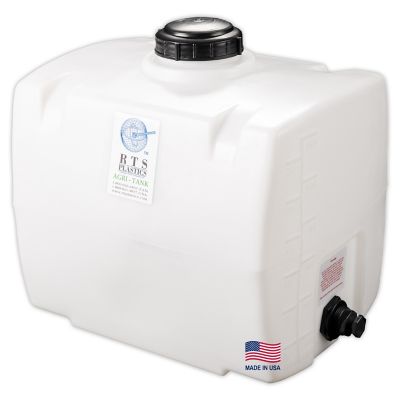
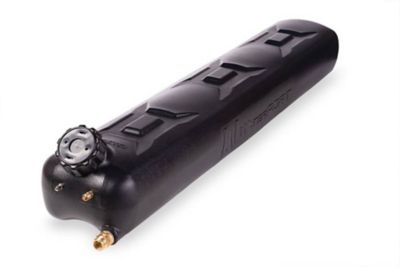
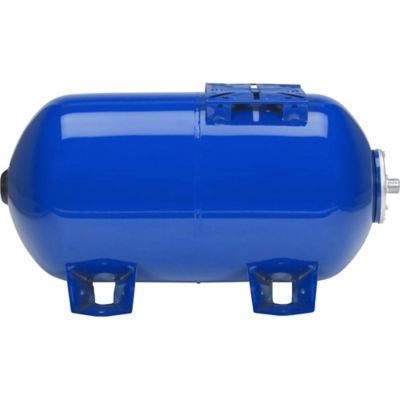
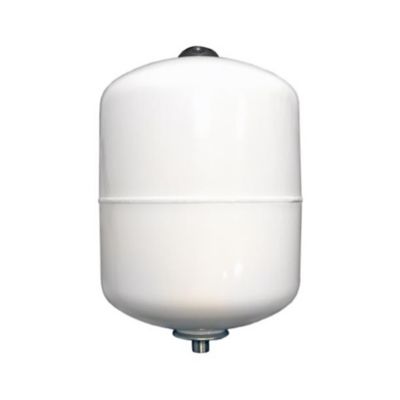
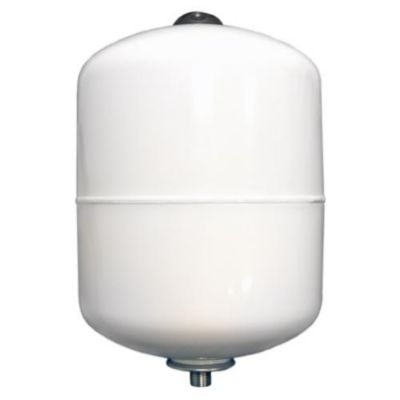
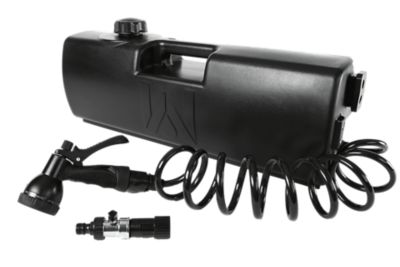
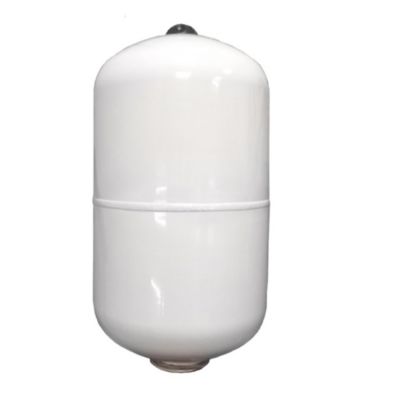
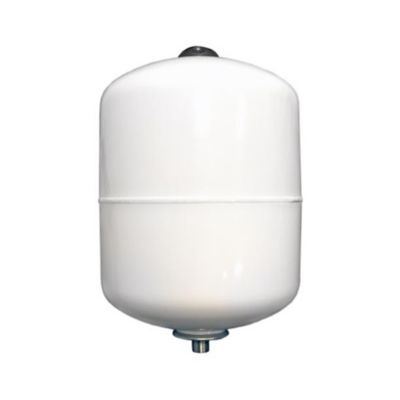
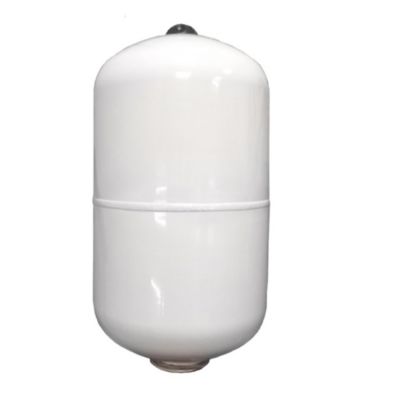
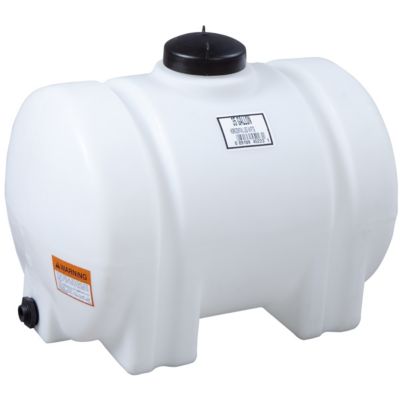
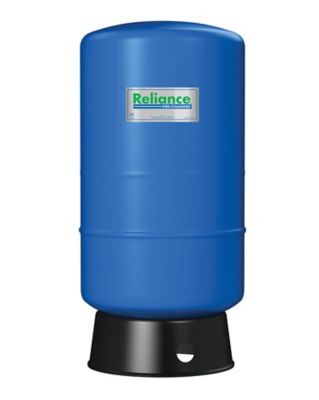
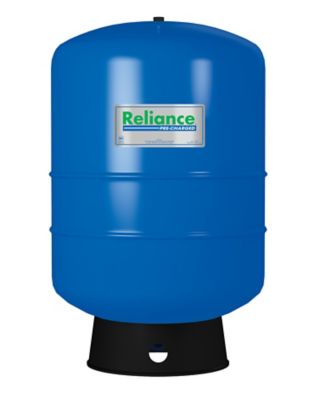
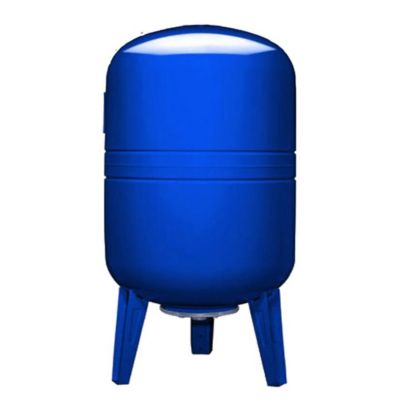
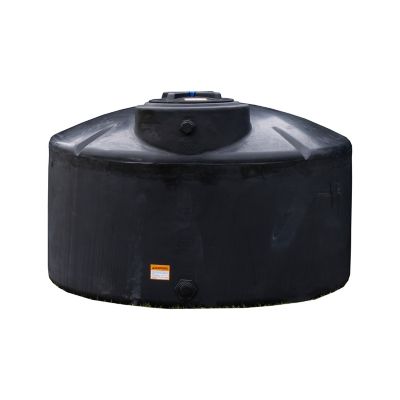
Water tanks and pumps in Phoenix, Arizona, support the everyday work of keeping troughs filled, moving water to garden beds, and supplying outbuildings beyond the reach of a convenient faucet. On a horse property, that might mean storage near the pens rather than a long hose stretched across a driveway. On a small acreage, it could mean a tank near the growing area and a pump matched to the irrigation system. The right combination starts with the water’s intended purpose, the amount needed between refills, and the space the equipment will occupy. Drinking-water applications call for tanks, pumps, hoses, and fittings specifically rated for that purpose; a general-purpose storage label does not establish that suitability. Molded polyethylene tanks offer a corrosion-resistant option, while steel tanks bring different requirements for protective finishes and compatibility with the stored water. Tank shape matters just as much as material. A tall, narrow tank occupies a different footprint than a low-profile tank, and neither should crowd gates, service panels, or the path of a feed cart. Opaque walls can help limit light reaching stored water, while accessible openings make inspection and cleaning less of a chore. Outlet location also affects how much water can drain and how easily a valve can be reached. Capacity needs to fit the job without overlooking the load underneath: water weighs about 8.3 pounds per gallon, before adding the weight of the tank itself. A level base that supports the tank as its manufacturer specifies matters for both the container and its plumbing. For water hauled between locations, transport-rated construction, secure mounting, and the vehicle or trailer’s load limits are separate considerations from stationary storage. A tank suited to sitting beside a barn is not automatically suited to riding down the road.
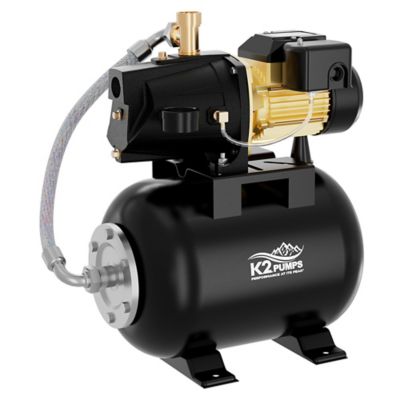
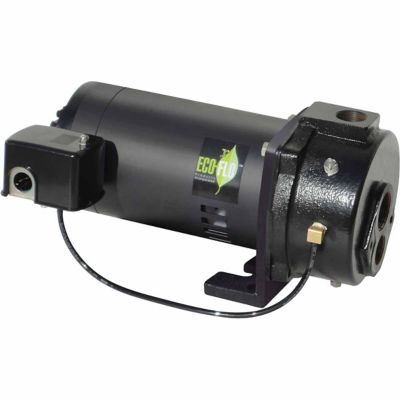
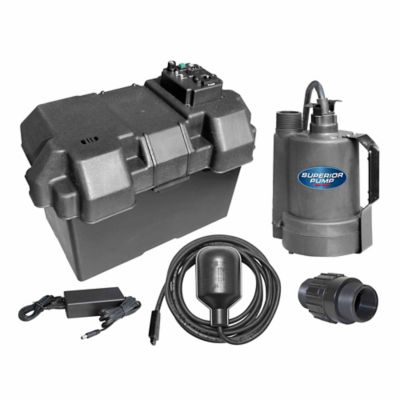
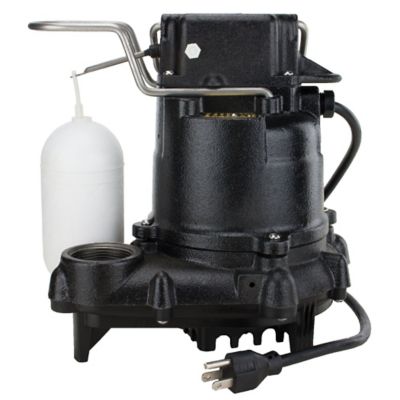
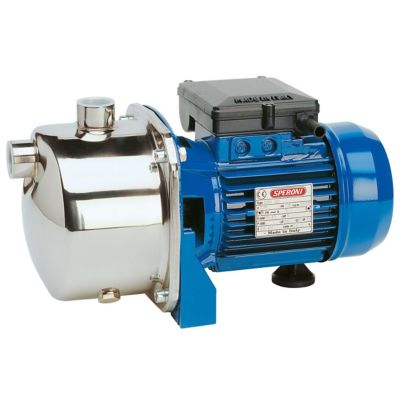
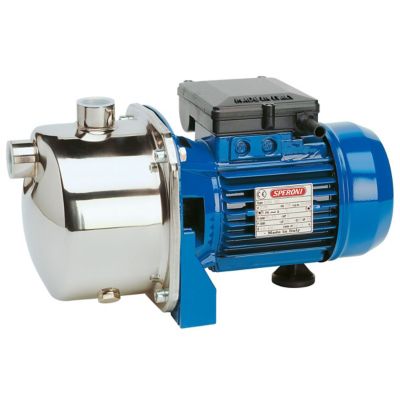
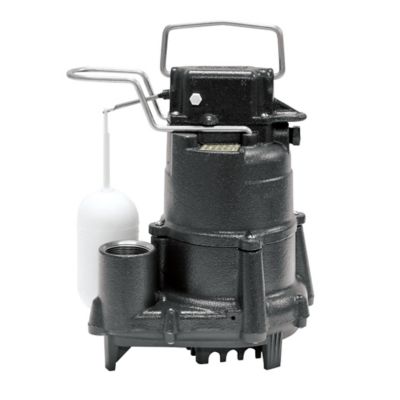
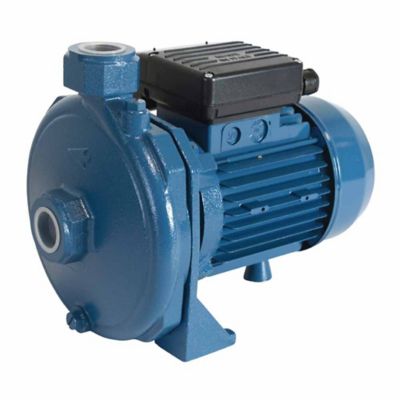
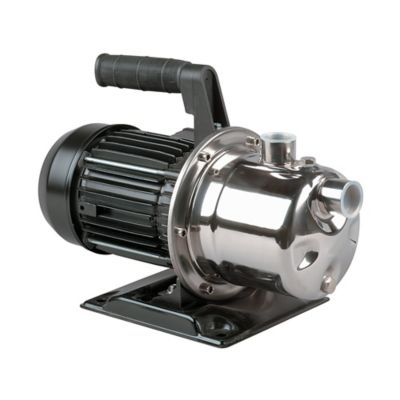
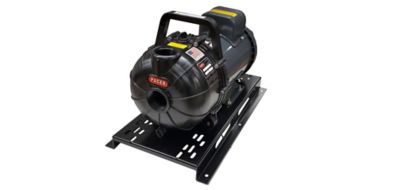
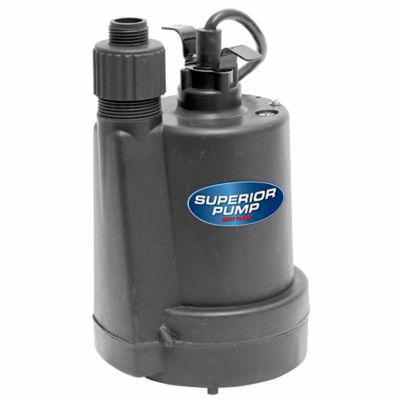
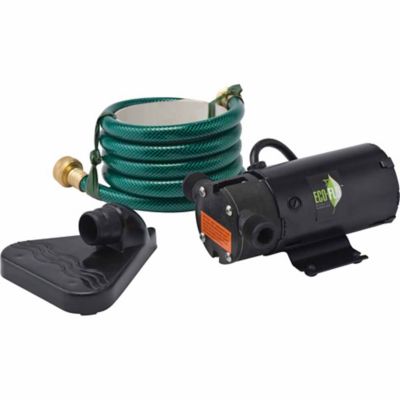
Pump selection brings another set of practical details into the picture. Moving water from one tank to another is a different task from pushing it uphill to a watering area or maintaining pressure through several outlets. Gallons per minute describe flow, but that number only tells part of the story. Lift, pipe length, fittings, and the pressure required at the destination all affect the pump’s working load. Performance curves help show how flow changes as those demands increase, making them more useful than a maximum-flow number on its own. A setup feeding one trough may have modest needs, while several irrigation zones or wash stations can create a much larger demand. Surface pumps need a suitable location and a suction arrangement that stays within their operating limits. Submersible pumps are designed to work in the water, with installation requirements that depend on their application. Transfer pumps, pressure-boosting equipment, and drainage pumps each serve different purposes, so matching the pump to the task matters more than choosing by horsepower alone. Water condition matters, too. A pump meant for clear water may not handle grit, debris, or other solids, and equipment intended for water should never be assumed suitable for fuel or agricultural chemicals. For larger properties, work sites, or operations with sustained water-moving needs,
Commercial Water Pumps offer another category to consider alongside the required flow, lift, and duty cycle. Connections deserve the same attention as the motor. Hose diameter, thread type, pressure ratings, and valve placement all influence how the system fits together. An undersized line can restrict flow even when the pump has enough capacity, while an air leak on a suction line can interfere with priming. Electrical requirements, grounding, and any permanent wiring belong in the planning stage, with qualified help where needed. Dry-run protection and appropriate controls can also help protect equipment when a tank empties or demand changes.
A well-matched tank and pump setup should fit the way a property actually runs, from morning livestock checks to cleaning up around the barn. A fill opening that is easy to reach, a shutoff valve positioned clear of a fence post, and enough room to remove the pump for service can make routine work simpler. Tank lids and vent arrangements need to suit the intended application, keeping unwanted material out without interfering with proper operation. Overflow routing deserves attention as well, especially near foundations, animal areas, and frequently traveled paths. Float valves or level controls can help manage filling, but their pressure range and mounting arrangement need to match the rest of the system. For livestock watering, trough refill speed matters alongside storage volume; a large reserve does little good if the delivery line cannot keep up with drinking demand. For irrigation, filters and strainers may be needed to protect emitters and other small passages, with access for cleaning built into the layout. Care requirements vary by tank material, pump design, and water source, but accessible equipment is easier to inspect for leaks, loose fittings, sediment, or wear. Cleaning and sanitizing methods should follow the manufacturer’s directions and the requirements of the intended water use, particularly when drinking water is involved. Replacement seals, hoses, and fittings need the proper material compatibility and pressure ratings rather than merely looking like a close fit. In Phoenix, connections involving a municipal supply, private well, or irrigation source may also involve local plumbing, backflow prevention, or permitting requirements, depending on the setup. Those details are worth settling before equipment becomes part of a permanent system. From a backyard growing space to a busy horse property, water tanks and pumps work best as parts of one system, with storage, flow, controls, and maintenance access matched to the chores at hand.