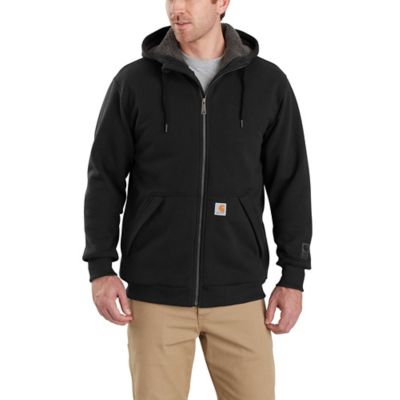
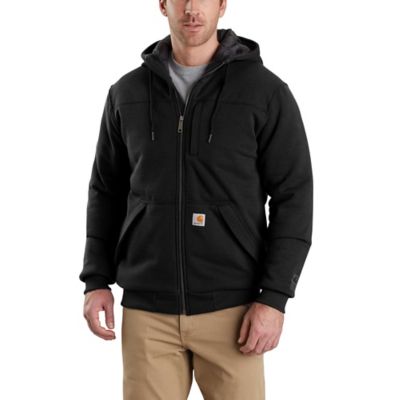
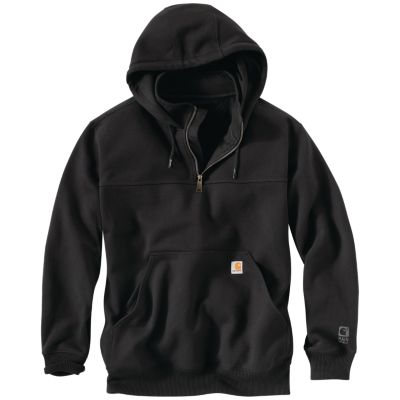
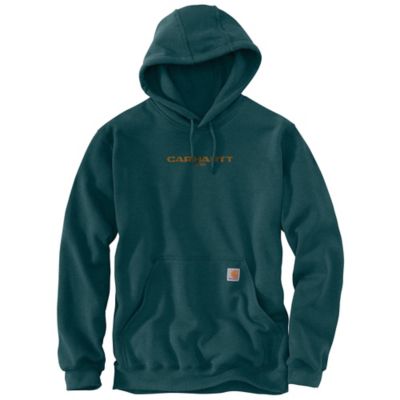
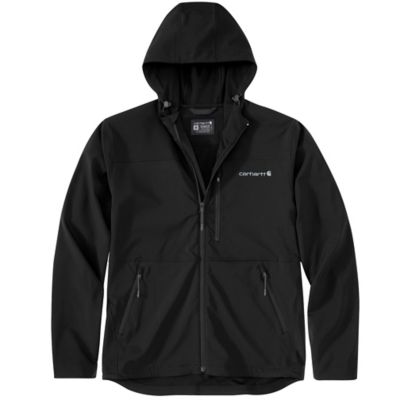
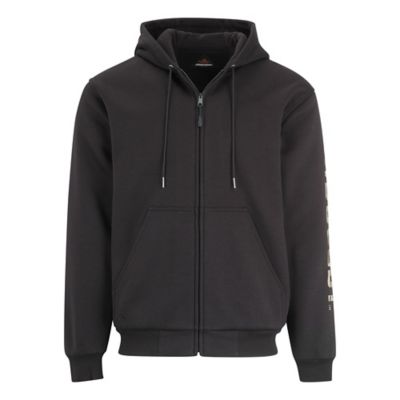
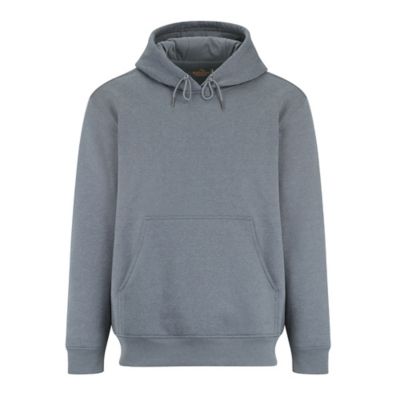
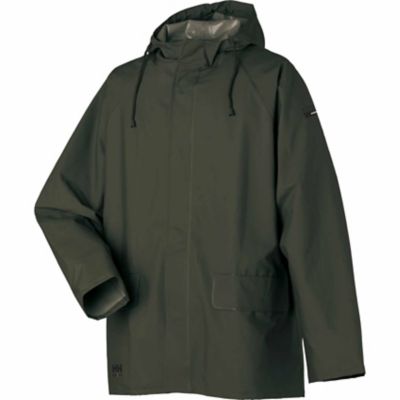
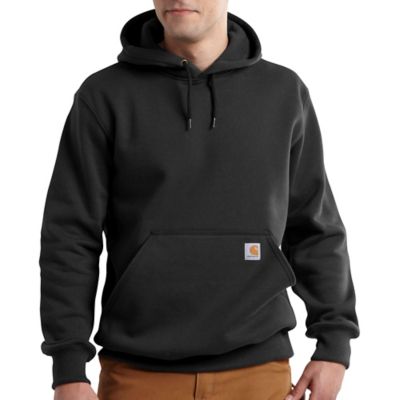
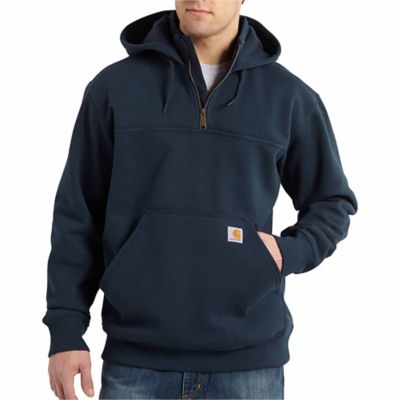
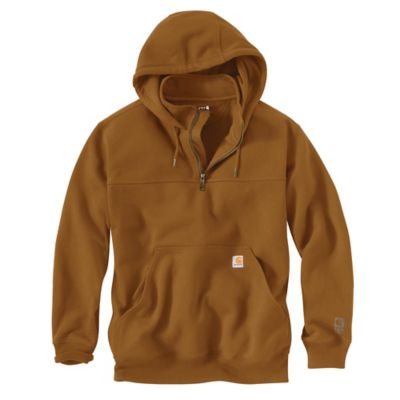
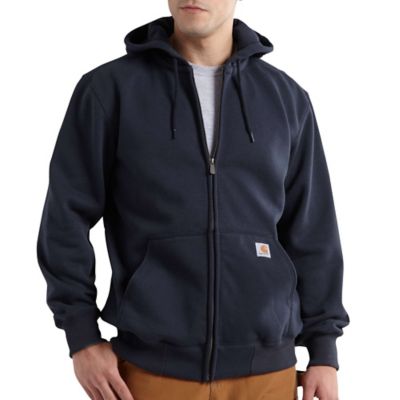
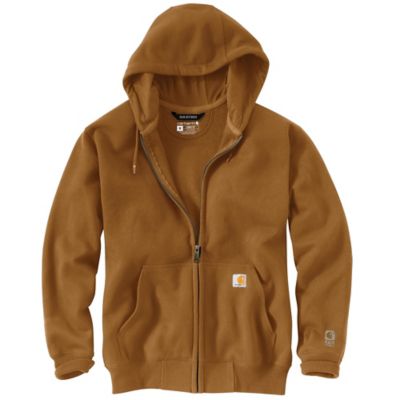
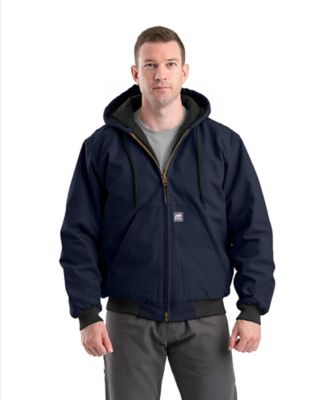
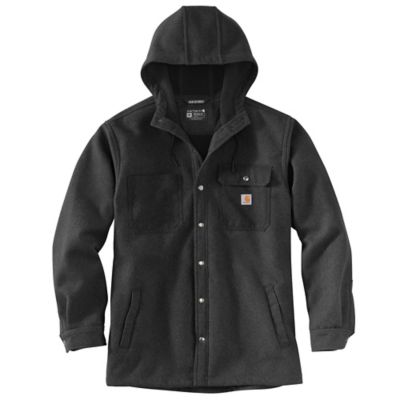
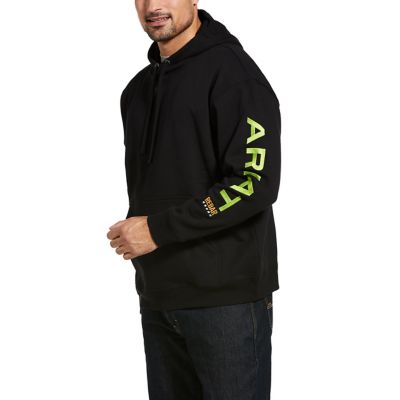
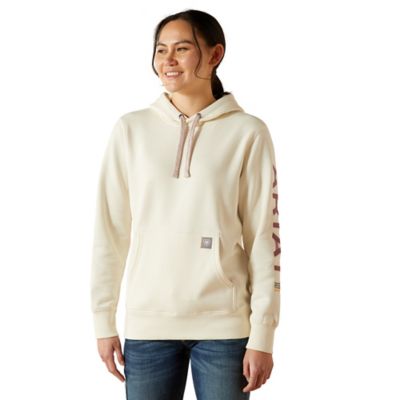
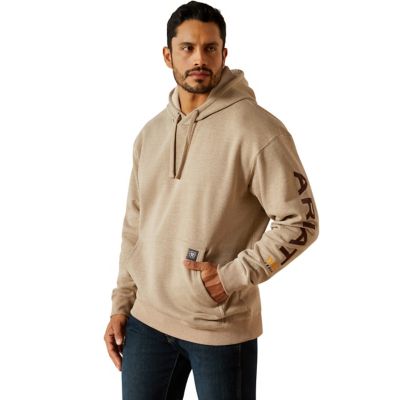
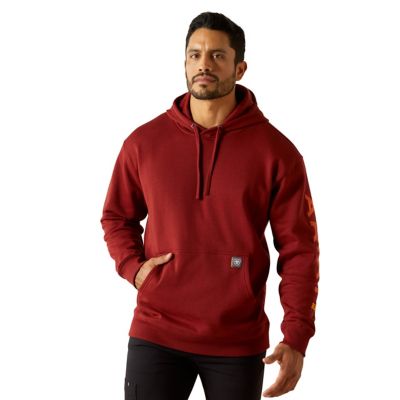
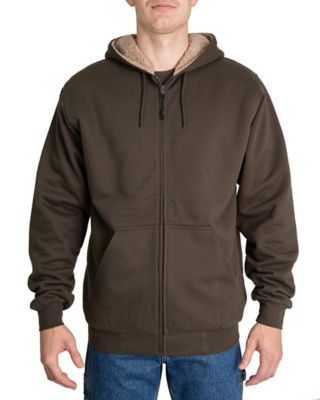
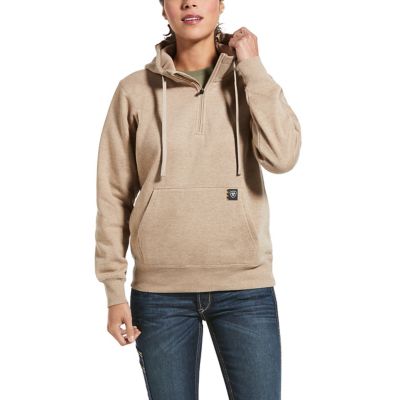
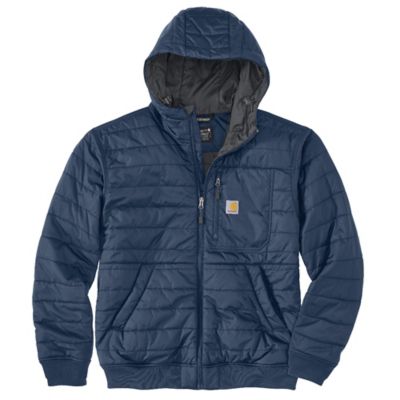
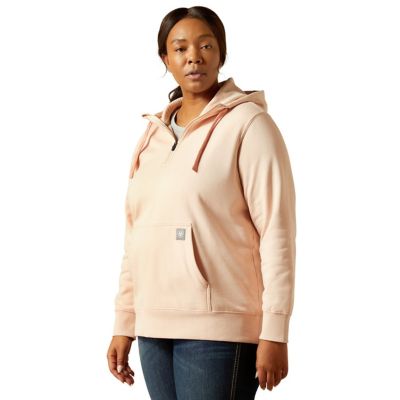
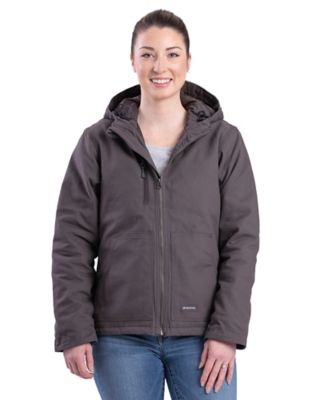
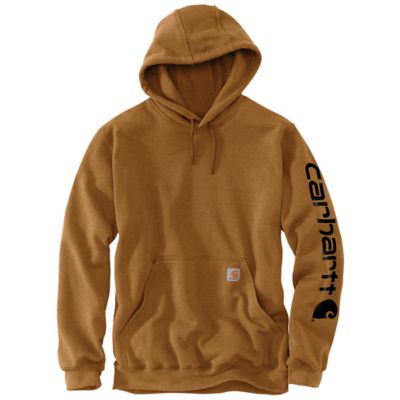
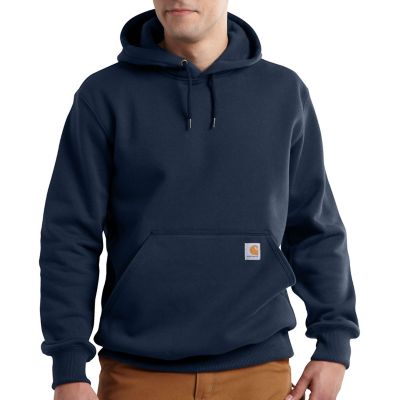
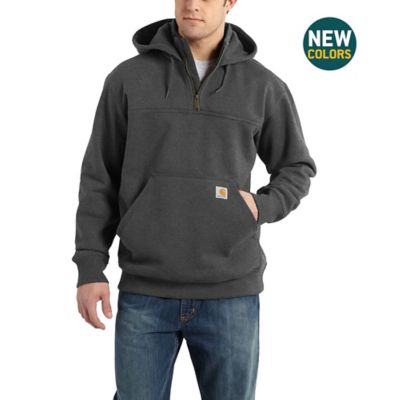
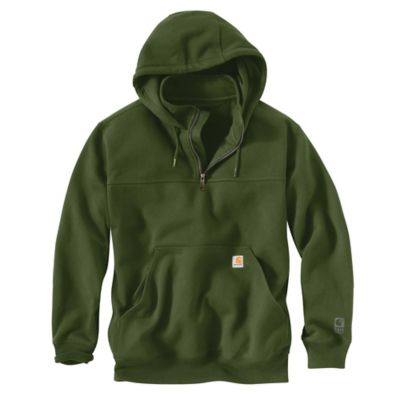
Water repellent hoodies bring the familiar comfort of a sweatshirt to chores and outings where a little rain comes with the territory. Their outer fabric sheds some surface moisture, often through a water-repellent finish identified as DWR, so light droplets can bead up and roll away rather than soak in immediately. That makes them a practical option for crossing the yard in a drizzle, feeding livestock under a misty sky, or unloading the truck between showers. Water repellent does not mean waterproof, though. A surface treatment alone does not seal seams, close pocket openings, or prevent moisture from entering around the hood and zipper. Steady rain, prolonged exposure, and pressure against wet surfaces can push water through, so a separate waterproof rain shell makes more sense when the job keeps going through a downpour. The distinction matters just as much as fabric weight: a heavy sweatshirt may feel substantial without providing more rain protection than a lighter one. Cotton-blend fleece often has the soft, familiar feel people expect from a hoodie, while polyester blends can help limit moisture absorption and shorten drying time compared with cotton-heavy fabrics. Brushed interiors trap warmth and feel comfortable over a work shirt; smoother interiors can slide more easily over another layer. Fabric weight, fiber content, and the amount of fleece inside all affect how a hoodie feels through a full day. A lighter style may suit brisk walking, loading supplies, or other chores that build body heat, while a heavier style can feel better for slower tasks and longer stretches outdoors. Breathability varies, and a rain-shedding finish does not necessarily block wind or let perspiration escape quickly. For a person moving between the barn, the truck, and the house, the appeal is simple: sweatshirt comfort with some protection from passing moisture, without treating it as a replacement for dedicated rain gear.
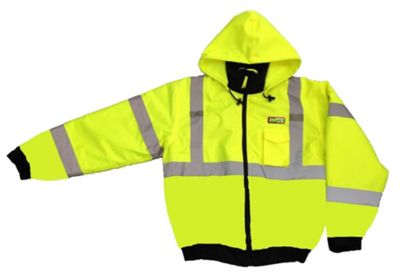
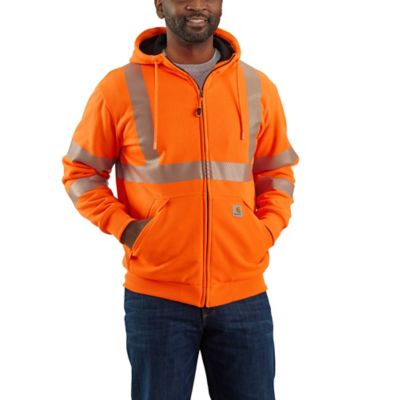
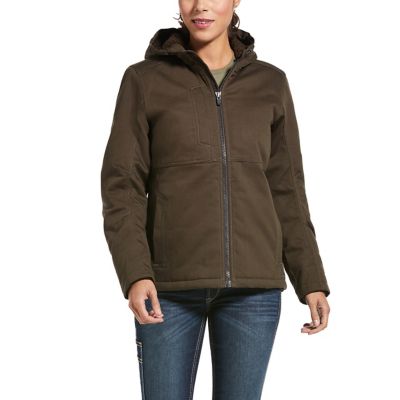
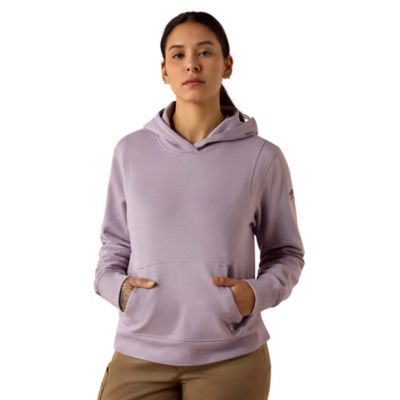
Fit makes a noticeable difference when a hoodie has to work as hard as the person wearing it. There should be room across the shoulders and upper back for reaching toward a gate latch, carrying a feed sack, or lifting an arm into a truck bed without the hem pulling far above the waistband. A closer fit can sit neatly beneath a jacket, while a roomier cut leaves space for a flannel shirt or base layer. Too much extra fabric can bunch beneath outerwear or catch around equipment, so room to move is more useful than simply choosing the largest size. Sleeve length deserves attention, too: cuffs that stay near the wrists help keep coverage in place without sliding over the hands. Ribbed cuffs and hems may help limit drafts, but their stretch and recovery affect how well they hold their shape with repeated wear. Pullover water repellent hoodies have a straightforward front and a roomy sweatshirt feel, while full-zip styles make it easier to release heat or take a layer off without pulling it over the head. Neither construction is automatically waterproof, and zipper protection varies. A hood should cover the head comfortably without falling across the eyes when looking down at a fence post or turning toward a moving animal. Adjustments can help hold it in place, although loose cords and oversized clothing need particular attention around moving machinery. Pocket layout also changes everyday usefulness. A front pouch gives hands a place to rest between tasks, while separate or zippered pockets may help keep small belongings contained. Open pockets are not a dry-storage solution for a phone or paperwork, even when the surrounding fabric repels water. Smooth outer surfaces, firmly attached pockets, and well-finished seams are worth considering for clothing that will brush against fence rails, tailgates, and rough boards. For work requiring flame resistance, high visibility, or other protective features, those ratings need to be stated separately; water repellency does not provide them.
Keeping a water repellent hoodie performing well comes down to caring for both the sweatshirt fabric and its surface treatment. Dirt, oils, abrasion, and repeated laundering can reduce the way moisture beads, even when the garment still looks ready for another day of chores. The care label is the starting point because wash temperature, detergent restrictions, and drying methods vary by fabric and finish. Fabric softeners and bleach can interfere with some treatments or damage certain materials, so they should not be added unless the label permits them. Some finishes benefit from controlled dryer heat after washing, while others have different drying requirements; more heat is not automatically better. When water starts spreading across the surface instead of forming droplets, the finish may need attention. A compatible treatment can sometimes restore repellency, but it cannot turn an ordinary sweatshirt into a seam-sealed rain jacket. A damp hoodie also needs time to dry thoroughly before going into a closet or staying folded in the truck. For long-term wear, the cuffs, elbows, pocket edges, and zipper area deserve a look because those spots take plenty of rubbing and pulling. Small seam repairs can help keep a favorite layer in rotation, while following the washing directions helps limit shrinkage and changes in fit. Warmth and rain protection are separate considerations:
Thermal Hoodies are another sweatshirt category to consider when insulation matters, while a water-repellent finish addresses light surface moisture. For gifting, water repellent hoodies can suit someone who checks fences, walks the property, tends animals, or spends weekends fishing and camping. Knowing whether that person favors a pullover or zipper, wears another shirt underneath, and prefers a lighter or heavier sweatshirt makes the choice more personal. The most useful match is a hoodie that fits the wearer’s routine, moves comfortably through familiar chores, and offers the right level of protection for the conditions it will face.