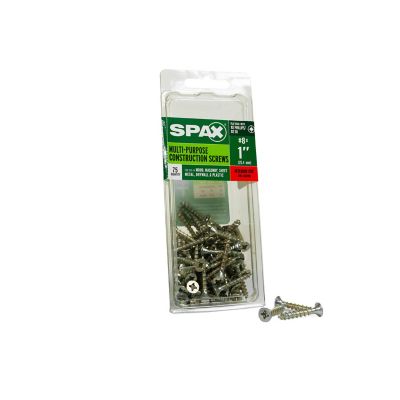
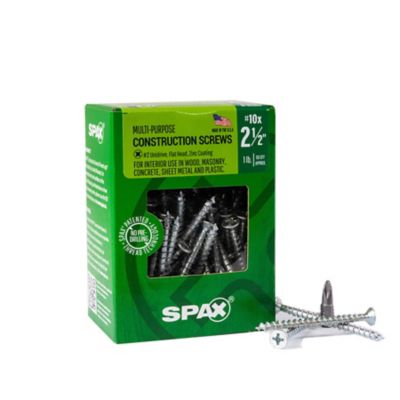
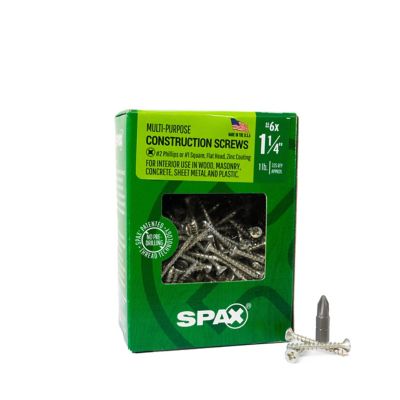
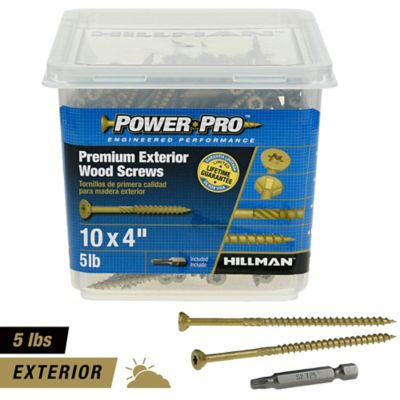
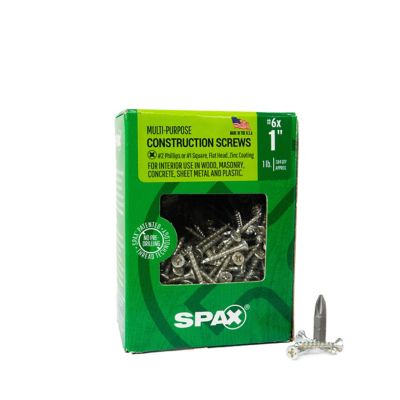
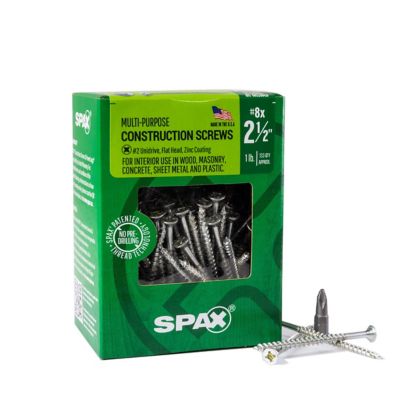
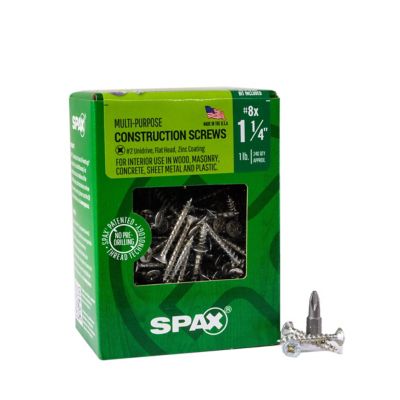
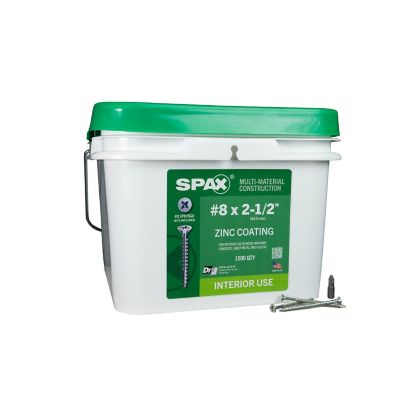
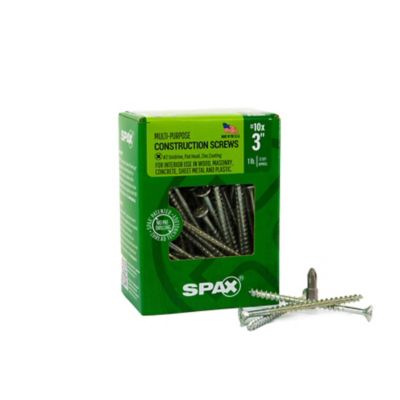
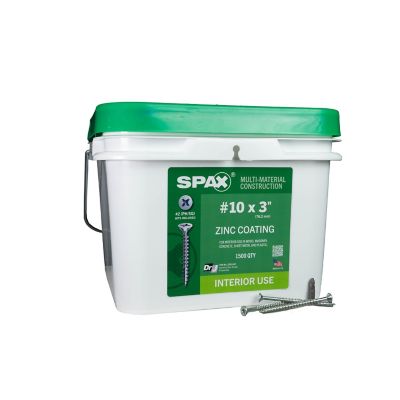
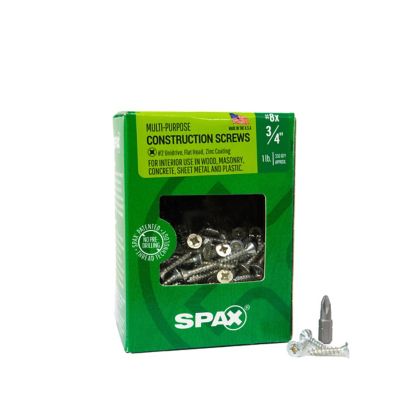
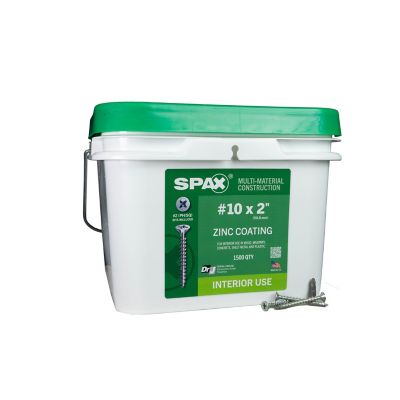
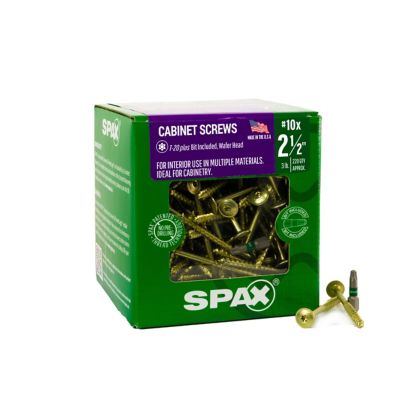
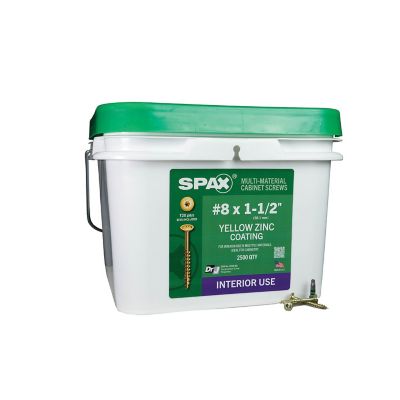
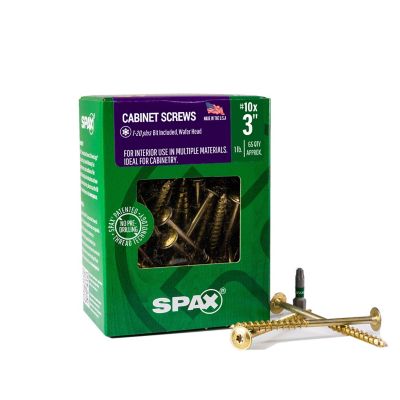
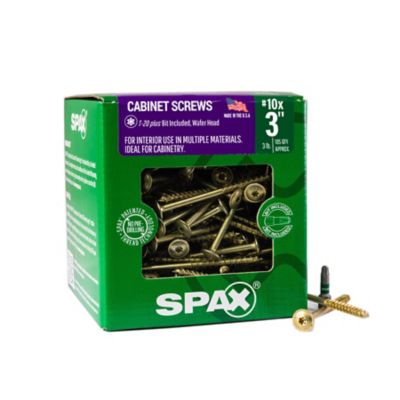
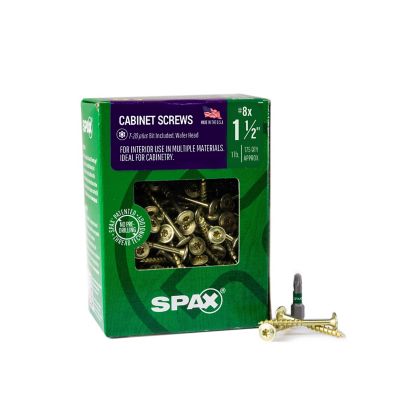
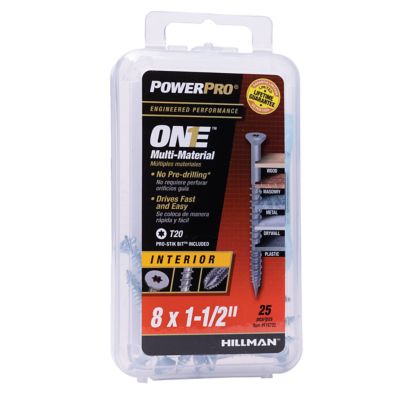
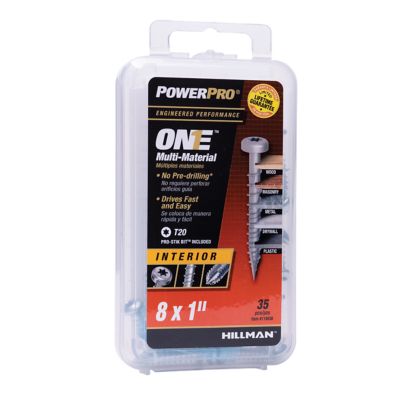
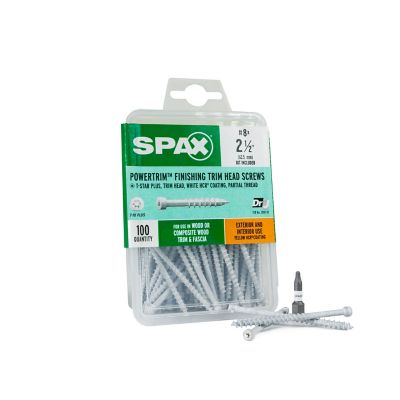
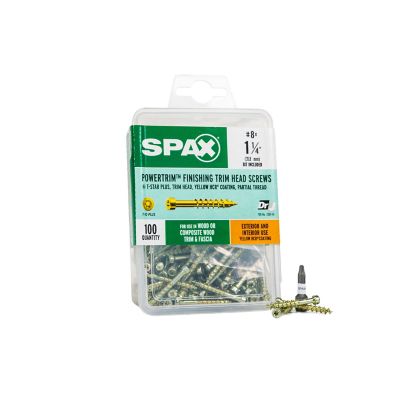
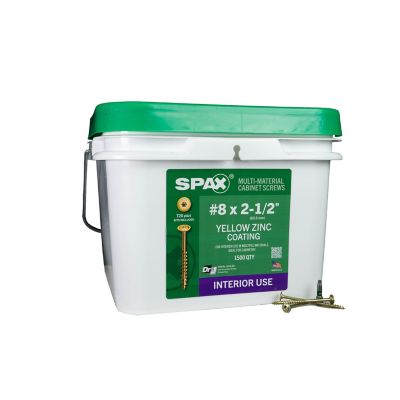
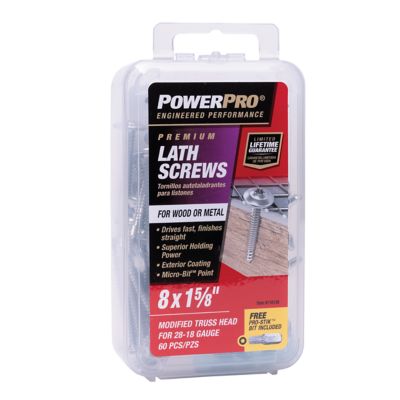
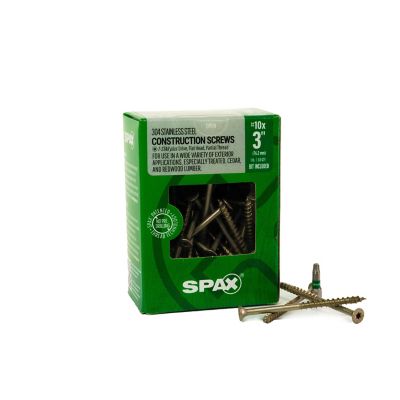
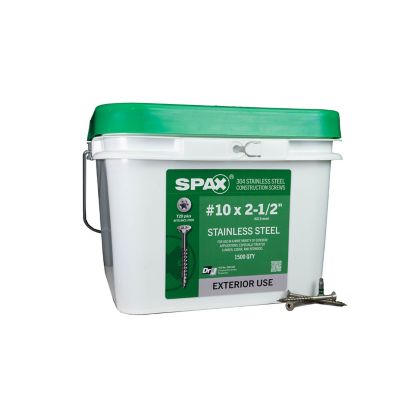
Washer head wood screws are a handy choice when a regular wood screw head may pull into the surface, crush a softer board, or leave too little bearing area around the hole. Their built-in washer-style base spreads clamping pressure over a wider section of wood, while the rounded or low-profile head sits firmly against the material when driven to the proper depth. That makes them useful for cabinet work, furniture assembly, shelving, shop projects, repairs around the barn, and general woodworking where a steady, flush hold matters. The wide underside can help keep the screw from sinking too deep into pine, cedar, plywood, particleboard, and other softer materials, especially when the joint is under pressure or the fastener is driven near an edge. They are also commonly used with pocket-hole joinery because the broad head can bear against the inside face of the pocket without pulling through the workpiece. A coarse thread is often a good match for softwood and composite boards because it bites quickly and clears wood chips as it advances, while a finer thread may be better suited to hardwood or situations where a smoother, more controlled drive is needed. Check the screw length carefully; it should provide enough thread engagement for a solid grip without punching through the far side of a cabinet panel, tabletop, fence board, or trim piece. Diameter matters, too. A larger screw can offer more holding strength, but an oversized fastener may split narrow stock or make a joint harder to pull tight. For delicate wood, a pilot hole can reduce splitting and help the screw track straight, particularly when working close to an end or corner. The drive style is another practical detail. Square, Phillips, star, and other drive patterns each call for the matching bit, and using the correct bit helps prevent cam-out, chewed heads, and frustration when a project has dozens of fasteners. Keep the bit seated squarely and use a drill or driver setting that gives you control rather than maximum speed. The washer head should finish snug against the wood, not buried deeply below the surface or forced so hard that it dents the board. A clutch setting is useful for repeatable work, such as assembling a run of shelves or mounting several cabinet boxes, because it helps keep every fastener at a similar depth.
When choosing washer head wood screws, start with the job, the wood, and the environment. Interior projects such as cabinets, drawers, workbenches, tack-room storage, and household shelving may call for a clean-finished screw with a compact head and a drive that is easy to reach in tight corners. For shop furniture or utility builds, strength and dependable grip may matter more than appearance. If the fastener will be exposed to rain, damp soil, livestock areas, wash-down water, or changing temperatures, look for a coating or material intended for outdoor or corrosive conditions. A screw made for dry indoor use may not hold up well around a porch, garden structure, shed, fence repair, or outbuilding, and corrosion can eventually stain the wood or weaken the connection. Stainless options can be useful in especially damp settings, while coated fasteners are available for many general outdoor applications; always match the fastener rating to the conditions instead of assuming every coated screw is suitable for every job. For heavier cabinet installation and other demanding woodworking tasks, browse
Heavy Duty Cabinet Screws for fasteners made with sturdy construction and reliable driving in mind. Washer head screws can also be a sensible addition to a homeowner’s tool chest or a practical gift for someone who enjoys building birdhouses, repairing furniture, fitting out a garage, or keeping an older farmhouse in good shape. They take up little storage space, yet the right assortment of lengths and finishes can save a trip to the hardware counter when a loose hinge, split board, or wobbly shelf needs attention. Before buying, compare the head diameter, thread length, overall length, drive type, material, and finish. A screw with a wide head is not automatically the right choice for structural framing, deck ledgers, or connections that require engineered structural fasteners; use fasteners specifically rated for those loads and follow local building requirements. For ordinary wood-to-wood assembly, though, the broad bearing surface can make a noticeable difference. Picture fastening a cabinet back on a warm afternoon, tightening a workbench brace as the shop cools, or securing a replacement board on a shed before the wetter weather settles in. With the right size, a properly prepared pilot hole, and a driver bit that fits cleanly, washer head wood screws help create neat, dependable joints that stand up to everyday use. Keep a few sizes organized by length and application, protect them from moisture in storage, and test one screw on scrap wood when the species or thickness is unfamiliar. That small bit of preparation helps prevent split boards, stripped drives, and fasteners that end up too short to do the job.