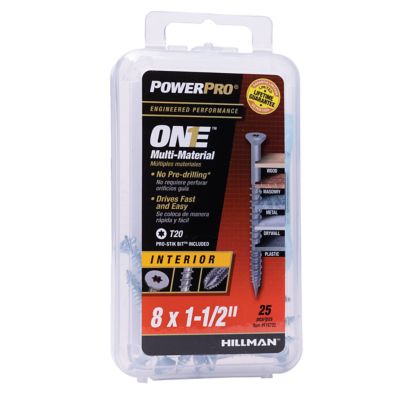
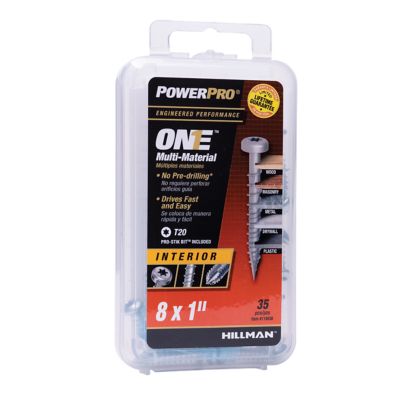
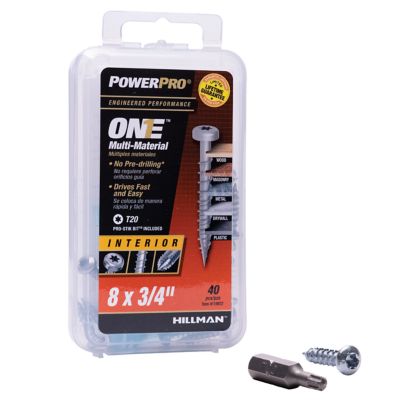
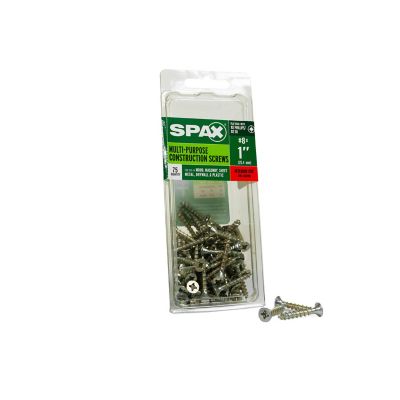
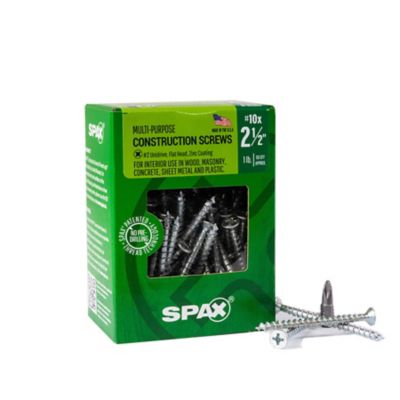
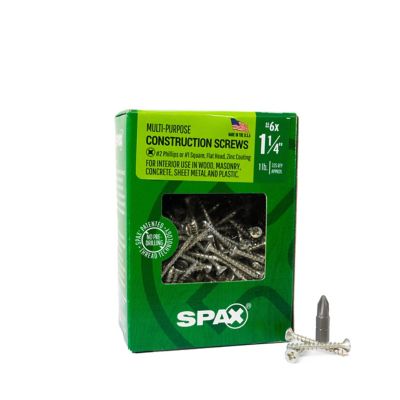
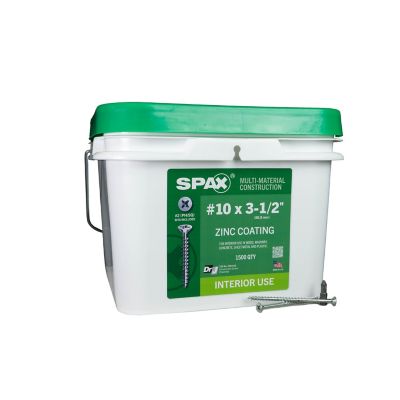
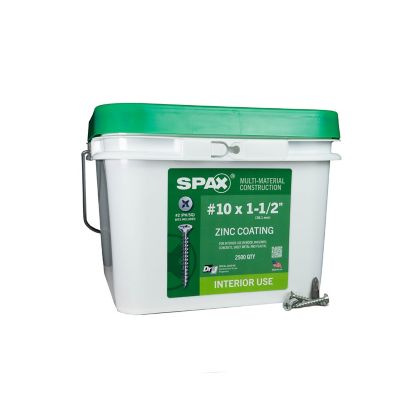
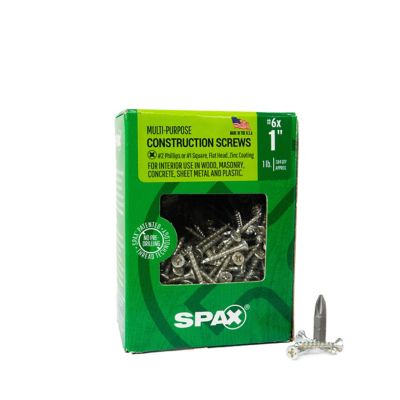
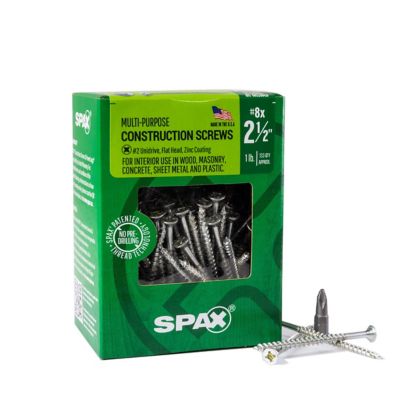
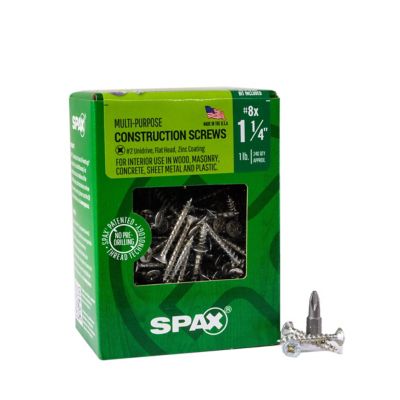
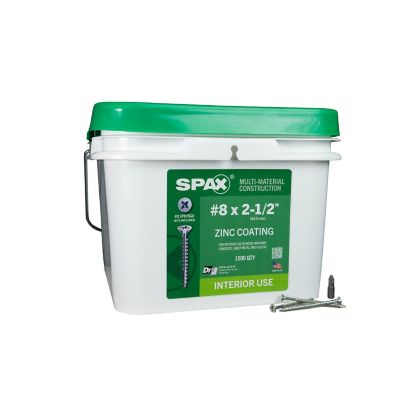
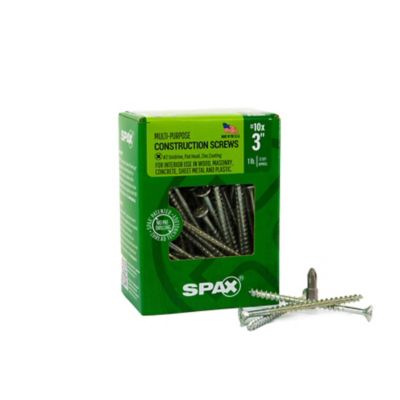
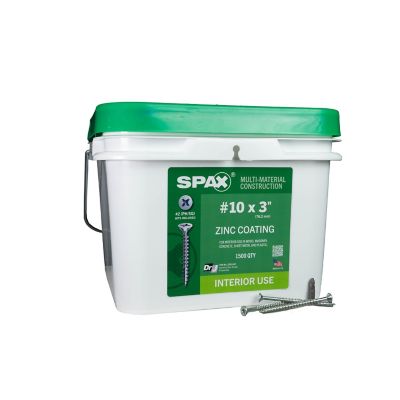
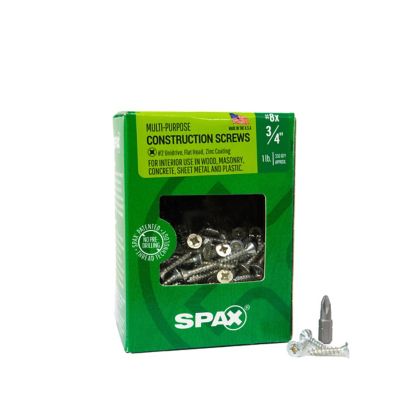
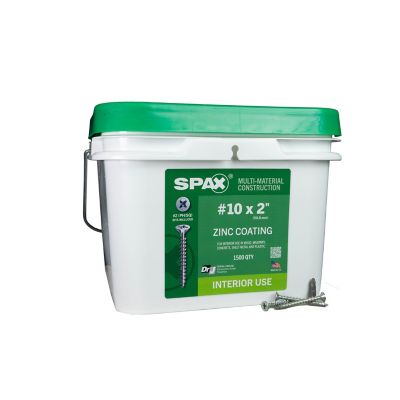
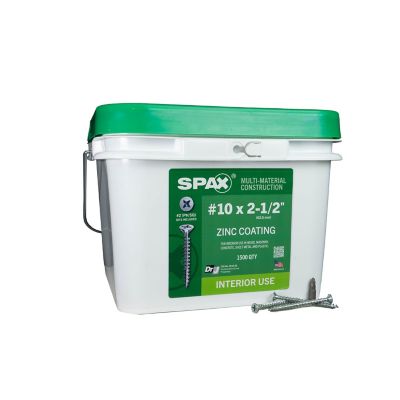
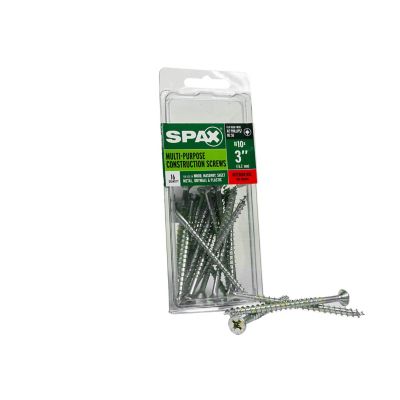
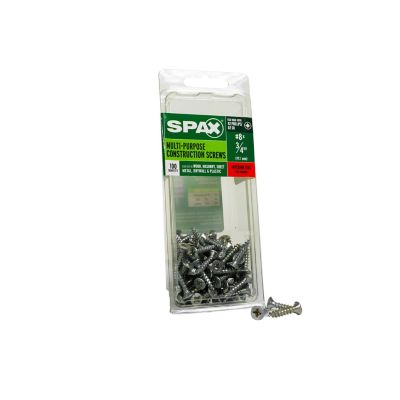
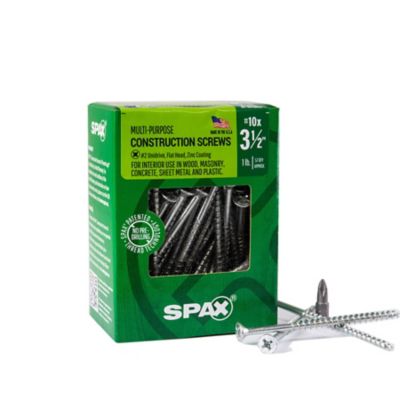
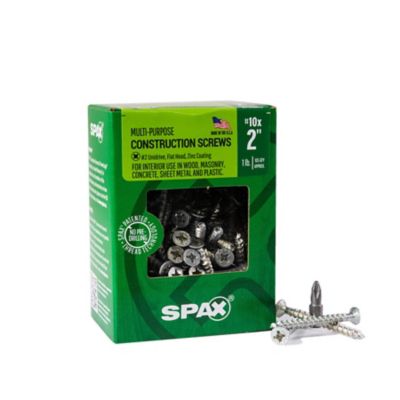
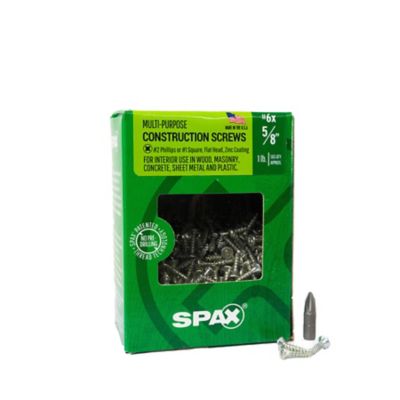
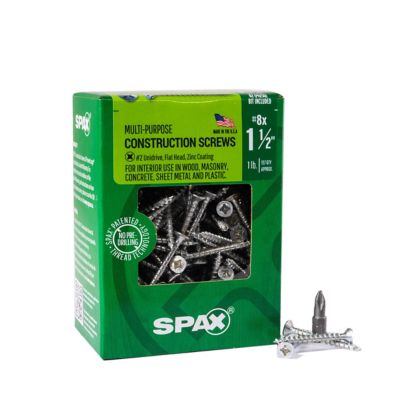
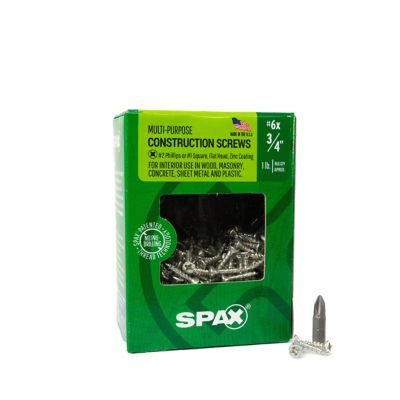
Zinc-plated steel wood screws are threaded steel fasteners with a thin layer of zinc that helps protect the steel against rust in dry indoor settings. That coating is generally applied through electroplating and often gives the screws a bright, silver-colored finish. For everyday woodworking, they offer a practical combination of holding strength, a neat appearance and a wide range of sizes. They fit naturally into jobs such as assembling indoor shelving, tightening a loose cabinet hinge, repairing a wooden storage box or fastening trim to an interior wood frame. Around a farmhouse or workshop, those are the little repairs that keep things working: a cupboard door that hangs straight again, a drawer front that stays put or a tool rack firmly attached to its backing board. The important distinction is that zinc plating provides basic corrosion resistance, not weatherproofing. Standard zinc-plated wood screws are generally suited to dry interior work rather than exposed fences, outdoor furniture or damp outbuildings. A roof overhead does not necessarily mean dry conditions; wind-driven rain, condensation and persistent humidity can still lead to corrosion. Pressure-treated lumber also calls for fasteners specifically approved for the treatment chemistry and exposure conditions. Unless the manufacturer expressly rates a zinc-plated screw for that application, choose an appropriately rated alternative, such as certain hot-dip galvanized or stainless steel fasteners. Ordinary wood screws should not stand in for rated structural fasteners in framing, deck connections or other load-bearing construction. Keeping those boundaries in mind makes this category easier to shop: these are everyday fastening options for suitable wood-to-wood connections and compatible hardware attached to wood, not a single answer for every job on the property. During the cooler months, when more repair work moves to an enclosed shop or the kitchen workbench, having the right sizes on hand can save a trip halfway through a small indoor project.
Choosing zinc-plated steel wood screws starts with the wood, the thickness of the pieces and the connection you need to make. Screw gauge describes the shank diameter; a higher gauge number generally means a thicker screw within the same sizing system. Length determines how far the fastener can reach through the first piece and into the receiving wood. Look for enough thread engagement to hold the joint securely without letting the tip poke through the other side, especially on cabinet panels, furniture parts and narrow trim. Longer is not automatically better, and a larger diameter can split a thin piece if there is not enough wood around it. Head style matters just as much. A flat head can sit flush in a properly countersunk hole, keeping the surface smooth where a sliding drawer, another board or a hand might pass over it. A round or pan head remains above the surface and may suit hardware with a flat mounting seat, provided the hardware calls for that shape. When replacing a hinge screw, matching the head to the hinge’s countersunk hole helps it seat properly without interfering with movement. Check the drive style, too. A snug-fitting bit and a straight approach help prevent slipping and damage to the recess, particularly when access is tight inside a cupboard. Thread coverage is another useful comparison. Some wood screws have an unthreaded section beneath the head that can help draw two pieces together when sized for the joint; other designs have threads extending much closer to the head. Product dimensions and thread details matter more than appearance alone. For many flat-head screws, the stated length includes the head, while protruding-head styles are typically measured from beneath it, so confirm the measurement convention before ordering replacements. A small package makes sense for a single repair, while larger package counts can suit repeated assembly work. Assortments offer flexibility for a household fastener box, but checking the included gauges, lengths and head styles helps ensure the selection fits the work you actually have waiting.
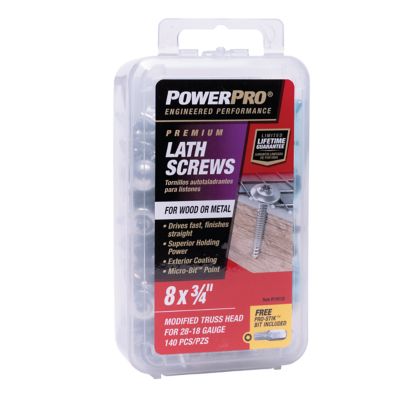
Wood species and installation conditions influence how well zinc-plated steel wood screws perform. Pine and other softwoods often accept screws more readily than dense hardwoods, but even a soft board can split near an end or edge. Oak, maple and similarly hard woods usually demand more attention to pilot-hole sizing and driving pressure. Zinc plating does not make a screw unsuitable for hardwood by itself; the screw’s design, steel properties, diameter and installation method all play a part. Follow the fastener manufacturer’s pilot-hole recommendations for the wood in front of you, and consider a clearance hole through the first piece when the joint requires it. That allows the threads to grip the receiving piece rather than hold the boards apart. A countersink can help a flat head seat without forcing its way into the surface. Anyone facing an old cabinet rail knows how little room there can be for a mistake: a narrow strip of dry wood, an existing hole close to the edge and a hinge that needs to land in exactly the same spot. Taking time to line up the parts and support them before driving the screw is easier than dealing with a split afterward. Drive with controlled speed and a suitable clutch setting, stopping when the head seats rather than continuing to force it. If resistance rises sharply, back out and check the pilot hole, alignment and screw choice. Repeatedly tightening a screw in a stripped hole will not restore its grip; the wood or connection needs attention. These details make zinc-plated wood screws a useful purchase for homeowners, woodworkers, maintenance crews and folks keeping indoor farm-office or shop fixtures in working order. For projects involving sheet metal attached to wood,
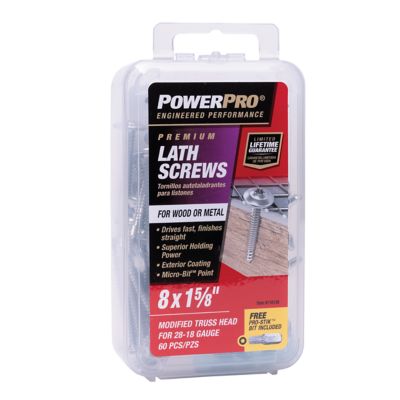
Metal To Wood Self Drilling Screws are a separate fastener category worth comparing against the metal thickness, wood substrate and manufacturer’s application ratings. Back at the workbench, keep zinc-plated screws sorted by size in a dry container. Clear sizing, compatible head shapes and the right corrosion rating make it easier to reach for a fastener that fits the job instead of settling for whatever happens to be in the bottom of the toolbox.