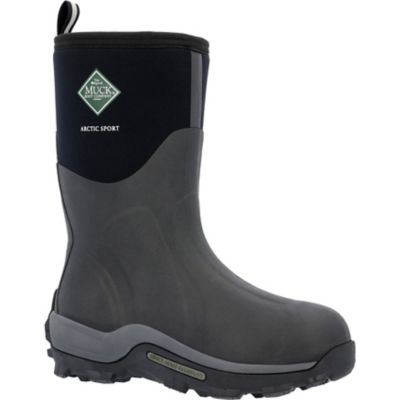
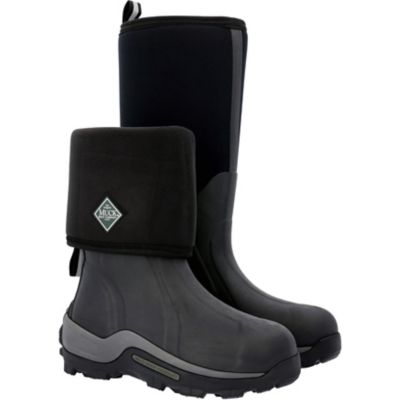
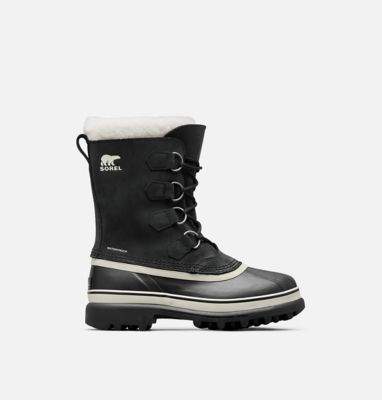
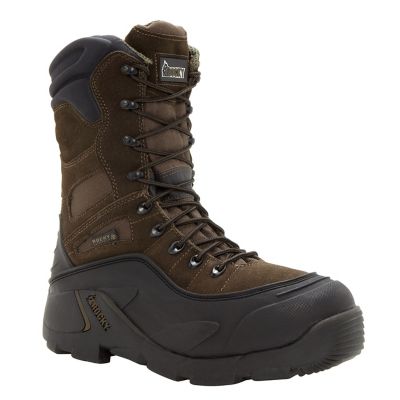
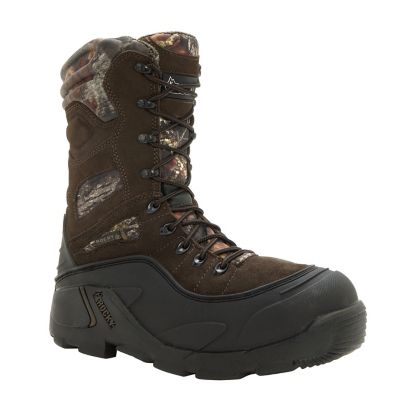
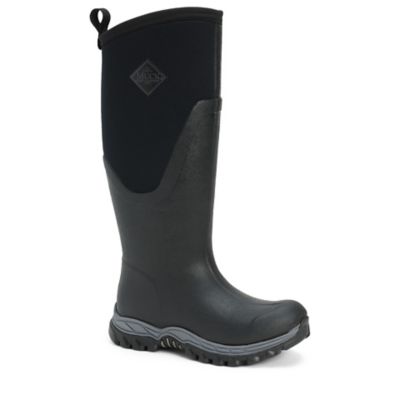
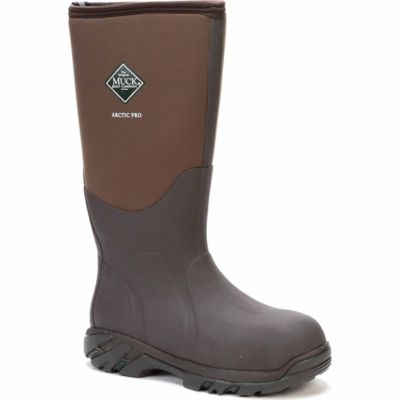
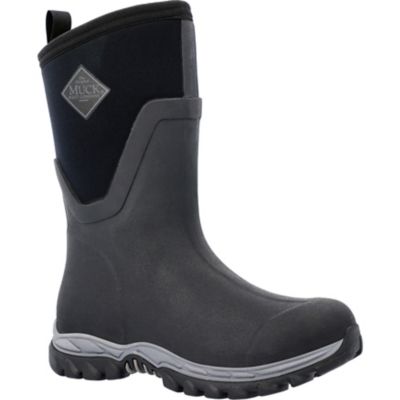
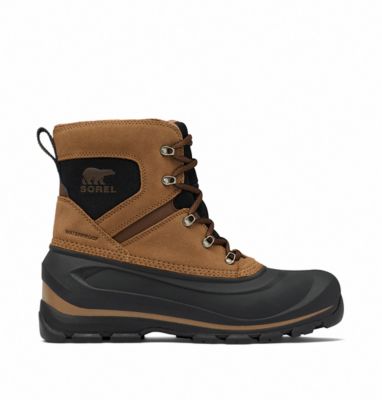
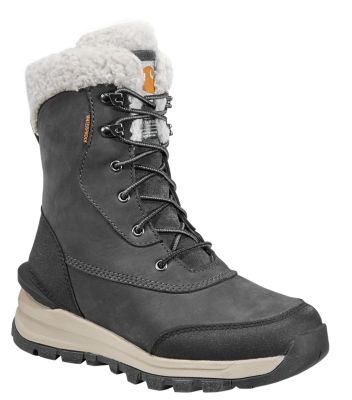
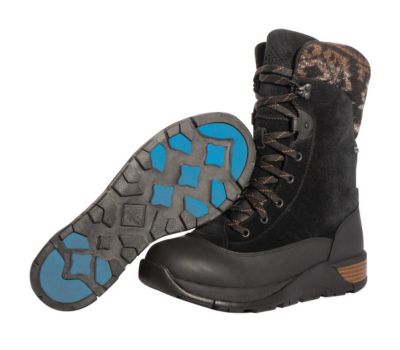
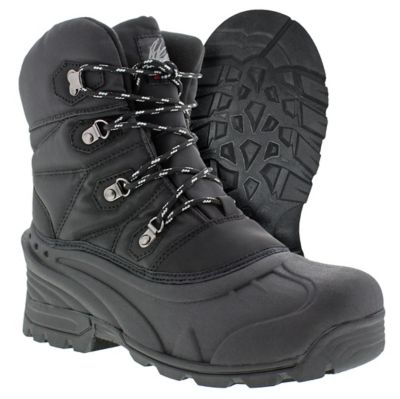
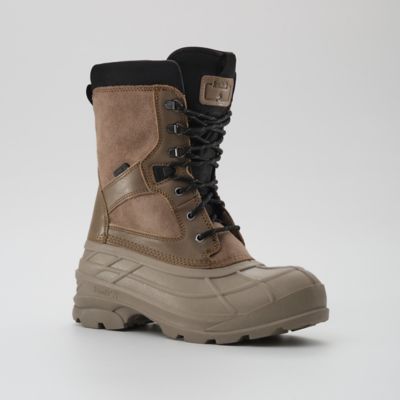
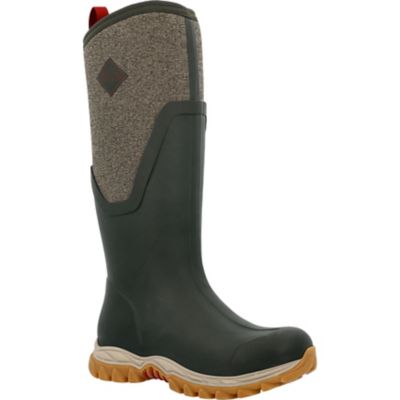
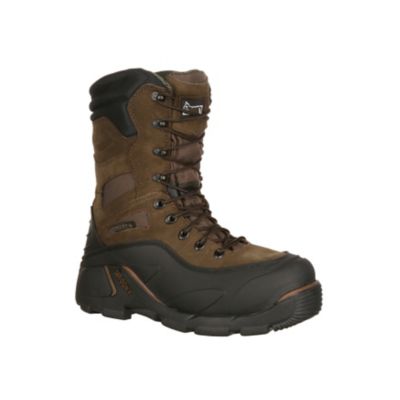
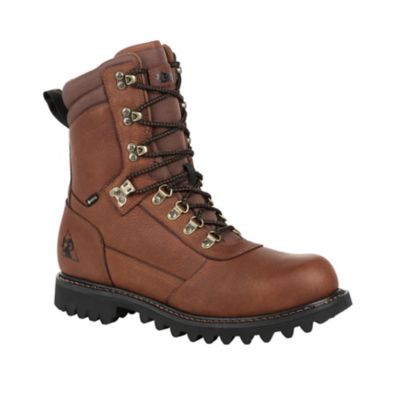
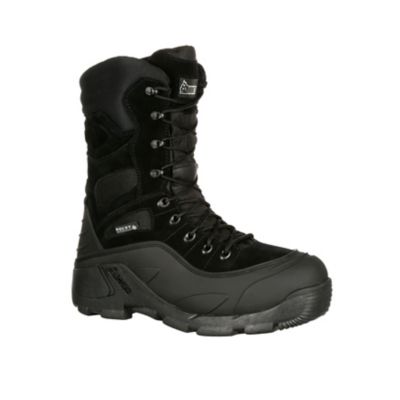
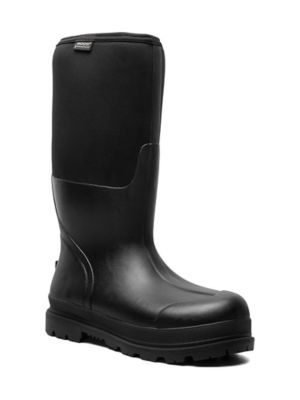
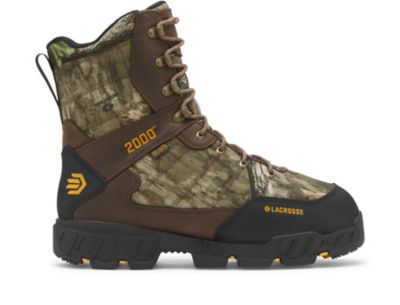
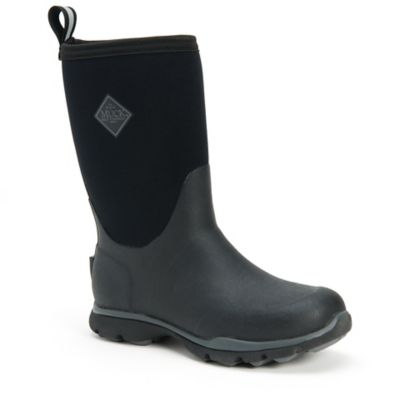
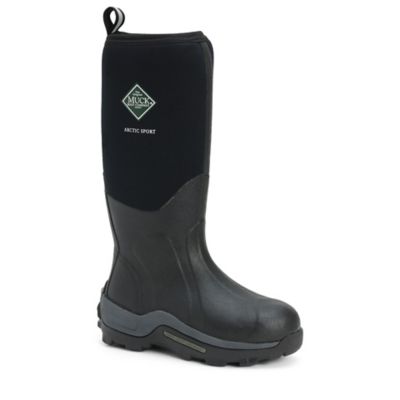
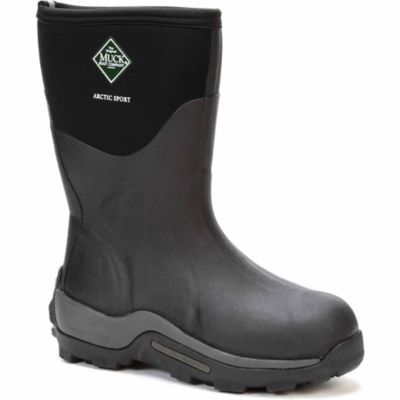
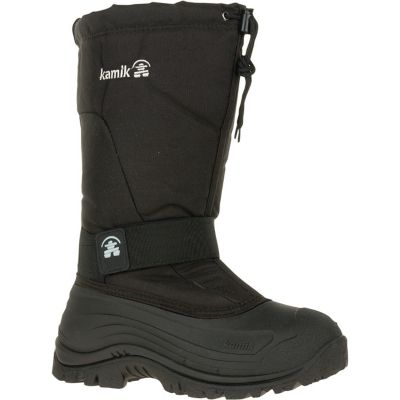
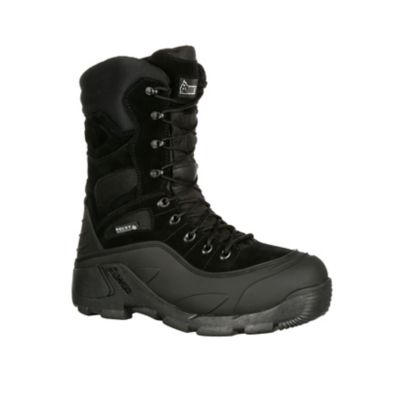
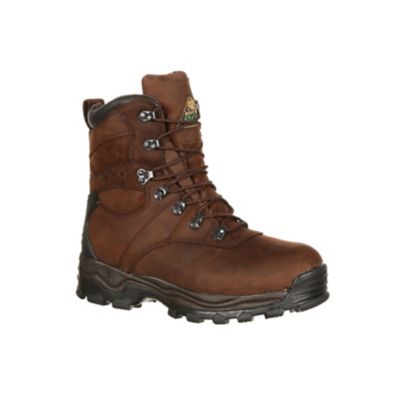
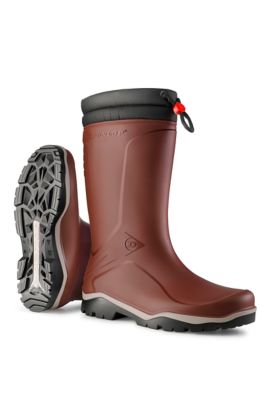
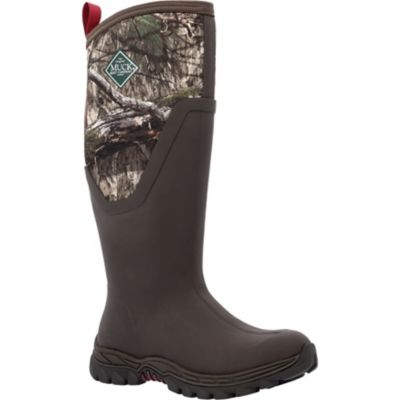
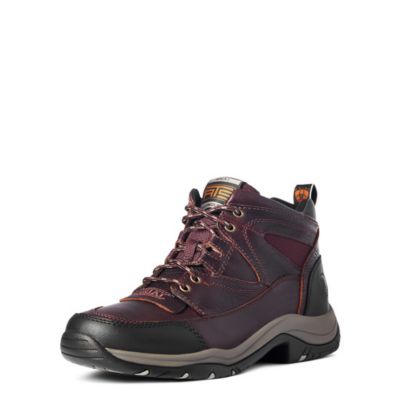
Warm waterproof winter boots combine insulation, waterproof construction, and traction to help keep feet comfortable through snow, slush, and cold, wet chores. A good match for the job keeps outside moisture from soaking in while providing enough warmth for the way the day unfolds, whether that means walking to the feed shed or spending hours checking fences. Waterproofing and insulation serve different purposes: a waterproof barrier helps block water, while insulation slows heat loss. Both matter when wet snow piles against a boot or a puddle hides beneath a thin crust of ice. Rubber lower sections, waterproof leather, and textile uppers with waterproof membranes are common construction options, each with a different feel underfoot and around the ankle. Rubber sheds mud and slush readily, leather can offer support and flexibility, and textile panels can help reduce weight. Sealed seams and a tongue attached along the sides help close off places where water could enter, though protection depends on the boot’s construction and how high the water reaches. Water-resistant footwear handles limited moisture exposure but does not provide the same protection as footwear identified as waterproof. Shaft height matters, too. Taller boots offer more coverage when snow drifts across a path, while shorter styles can feel less restrictive for errands and frequent trips between indoors and out. Deep snow can still enter through the top, especially when pants bunch above the opening. A well-fitting collar and pants that overlap the shaft help keep loose snow outside. Even within the same general boot style, lining materials, closure systems, and sole shapes can make a noticeable difference. The most useful combination depends on the ground underfoot, the amount of walking involved, and whether the day calls for steady movement or long stretches standing beside a gate.
Warmth comes from more than a thick lining. Synthetic insulation, fleece, wool blends, and removable liners can help retain warmth, but comfort also depends on circulation, socks, moisture, and activity level. Insulation weights such as 200 grams or 400 grams describe the insulating material rather than a guaranteed comfort temperature, and figures from different constructions are not always directly comparable. Someone hauling feed and walking briskly between buildings may prefer less insulation than someone standing still for an extended stretch. Extra warmth can become uncomfortable when hard work produces sweat, especially if moisture stays trapped inside. Moisture-managing linings and wool-blend or synthetic socks help move perspiration away from the skin, though fully waterproof footwear can still feel damp inside after a demanding day. Fit has just as much influence on comfort. Toes need room to move without the heel sliding excessively, and the instep should feel secure rather than squeezed. Packing a thick sock into a tight boot can restrict circulation and leave feet colder instead of warmer. Trying boots with the socks intended for winter wear gives a better sense of the space needed around the toes, heel, and ankle. Lace-up designs allow adjustments along the foot and shaft, while pull-on styles offer a straightforward option for quick trips outside. Zippers can make entry easier, provided the closure and surrounding construction suit wet conditions. For longer walks around the property or on snowy paths,
Comfortable Walking Winter Boots put the focus on cushioning, manageable weight, and a fit that stays comfortable with each step. Flexibility at the forefoot helps walking feel natural, while a supportive heel and stable base can make uneven ground less tiring. Boots given as a gift are most likely to earn a spot by the door when the recipient’s size, sock preference, calf fit, and everyday chores all factor into the choice.
Traction and construction details round out what makes winter footwear suited to real work outside. Deep, well-spaced tread can help shed loose snow and mud, while the rubber compound influences how the outsole behaves in cold conditions. A rugged-looking tread alone does not establish grip on ice, and no boot makes a slick surface safe in every situation. Packed snow, wet boards, frozen gravel, and a smooth barn floor each call for careful footing. A broad, stable sole can feel reassuring when carrying a bucket, and a defined heel may suit some chores, but the sole should still match the walking surface and task. Reinforced toe and heel areas help limit wear from scuffs, steps, and repeated contact with tools or equipment. Work that requires protective footwear calls for the appropriate safety ratings; a thick winter boot is not automatically a substitute for job-specific protection. Everyday care also has a big part in how well boots hold up. Brushing away dried dirt and rinsing off road salt helps keep buildup from lingering on uppers and around seams. Leather benefits from cleaning and treatment approved for its finish, while rubber and textile sections need care suited to their materials. Waterproof membranes and seam treatments can be affected by unsuitable cleaners, so the maker’s care directions matter. After a wet day, opening the boots fully and removing removable liners or footbeds allows the inside to dry more thoroughly. Gentle airflow is preferable to setting boots against a stove, radiator, or other strong heat source, which can damage leather, adhesives, and rubber. Before the next trip outside, a quick check for packed tread, worn soles, loose stitching, or cracks can catch trouble early. Stored clean and dry, warm waterproof winter boots are ready for snowy school runs, livestock chores, woodpile trips, and the ordinary winter jobs that do not stop just because the ground is wet and cold.