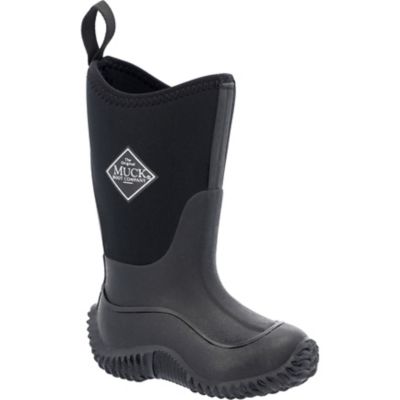
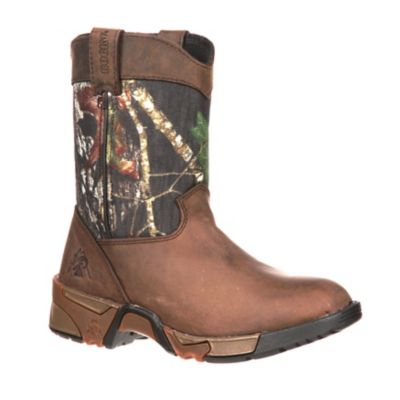
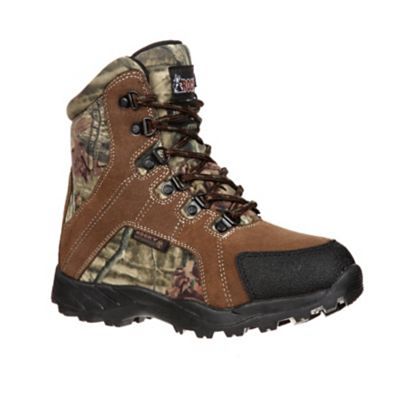
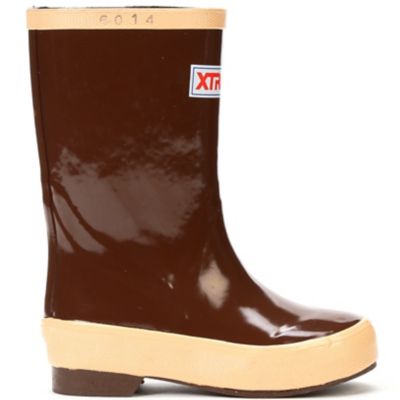
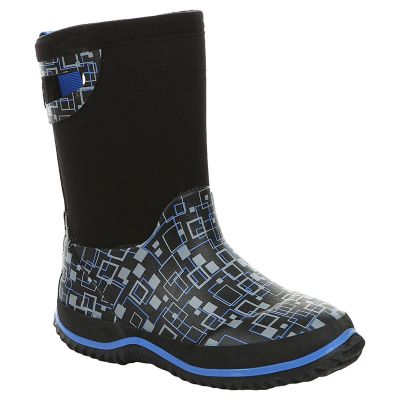
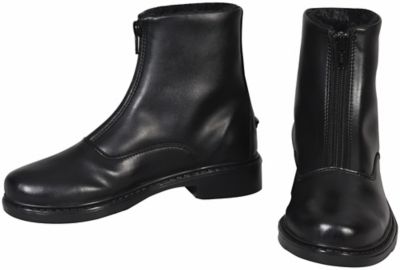
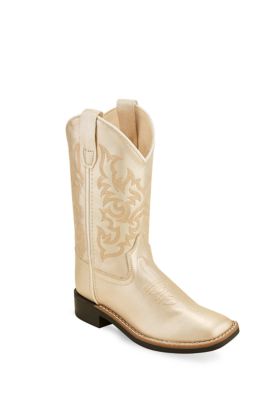
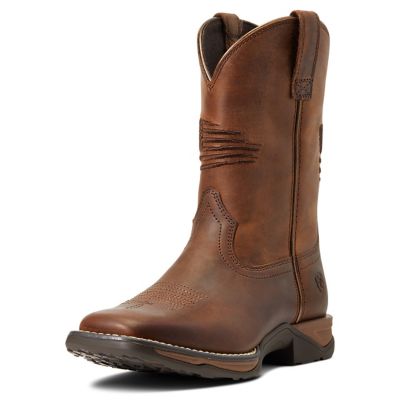
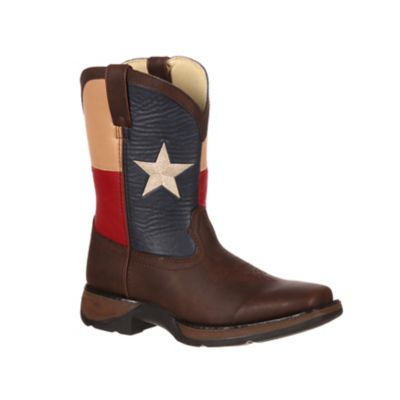
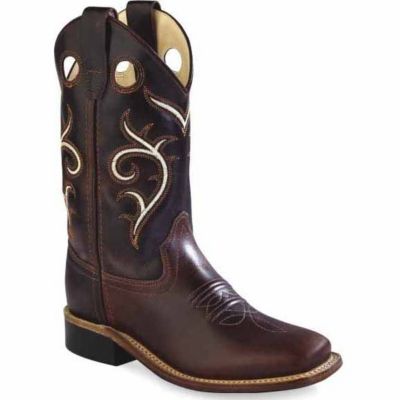
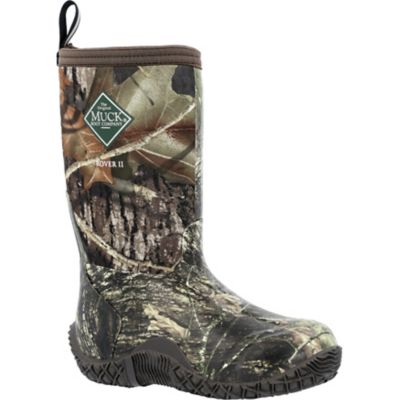
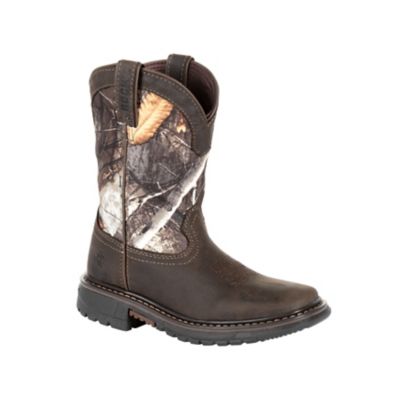
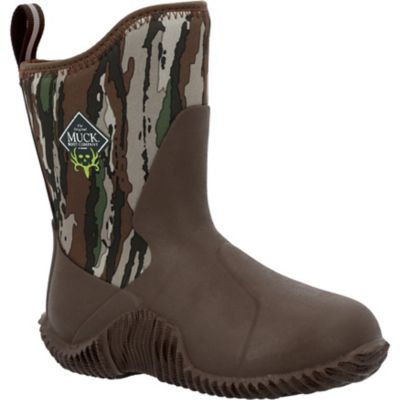
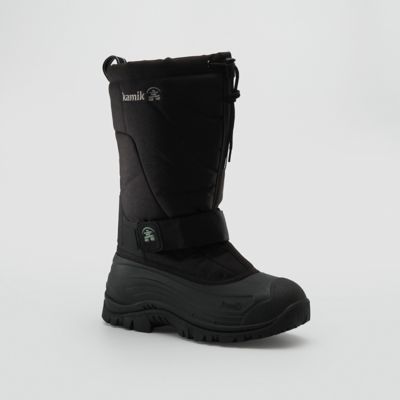
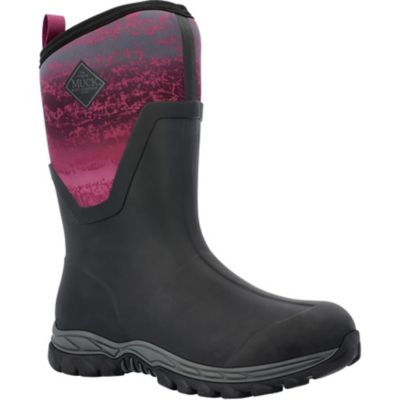
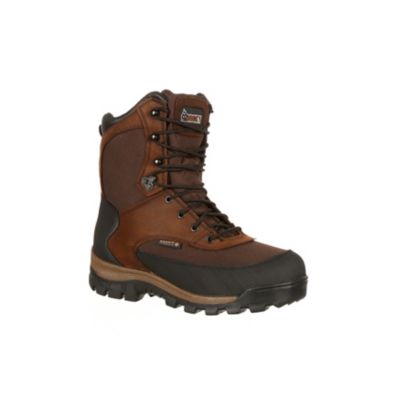
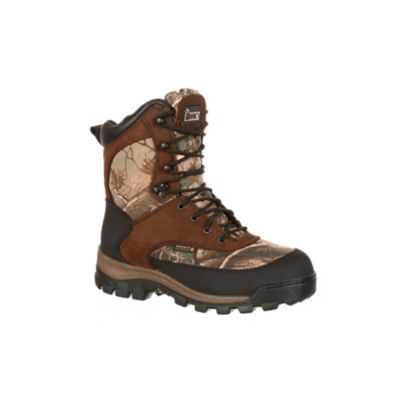
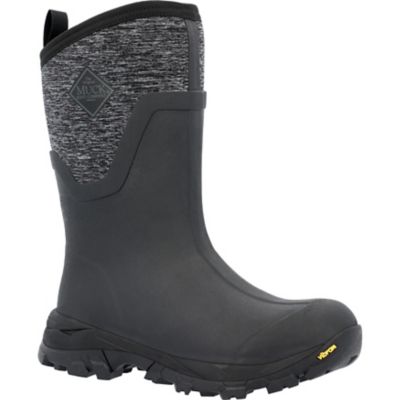
Boys’ winter boots are built around the everyday business of cold feet, wet ground, and kids who would rather stay outside a little longer. From walking down a snowy driveway to heading out for sledding, the right pair balances warmth, moisture protection, traction, and a fit that lets feet move comfortably. Those needs can look different for a child waiting at the bus stop and one spending an afternoon building a snow fort. Waterproof winter boots help keep slush and melting snow from soaking through, while insulated boots help hold warmth around the foot. These features serve different purposes, so an insulated boot is not necessarily waterproof, and a waterproof boot may have little insulation. Rubber lower shells provide a barrier against wet ground; leather, synthetic fabric, and neoprene uppers offer different combinations of flexibility, coverage, and weight. Waterproof construction may also include sealed seams or a membrane, depending on the design. Water-resistant materials can handle some light moisture but do not offer the same protection against prolonged wet conditions. Even a waterproof boot can let water in over its opening, which makes shaft height and the fit around the calf worth considering for deeper snow. Soft fleece linings feel comfortable against socks, while felt liners and synthetic insulation help retain heat. Removable liners also make it easier to air out the inside after a long stretch outdoors. Insulation amounts, sometimes listed in grams, describe the insulation rather than guaranteeing comfort at a particular temperature. Activity level, sock choice, fit, and time outside all affect how warm feet feel. A child standing along the fence watching a sibling sled may need more warmth than one pulling a sled uphill. For boys’ snow boots, a treaded rubber outsole is another important feature. Well-spaced lugs can help grip loose snow and uneven ground, but no ordinary boot sole makes slick ice safe. A manageable weight and enough flexibility for a natural stride matter, too, especially for younger boys navigating porch steps or climbing onto the school bus.
A good fit gives boys’ winter boots a steady feel through the heel and midfoot, with room for toes to wiggle without the foot sliding around. Buying an oversized pair to stretch another season can leave a child stumbling, lifting his heel with every step, or curling his toes to keep the boot on. Too little room creates another problem: tight boots can squeeze socks and insulation, leaving feet uncomfortable and potentially colder. Measuring both feet and checking the maker’s size chart helps account for differences between toddler, little-kid, and big-kid sizing. Trying boots with the socks intended for outdoor wear gives a better sense of the fit than trying them with thin everyday socks. Wool-blend or synthetic socks generally manage moisture better than cotton, which absorbs moisture and can leave feet feeling damp. One properly fitting pair of socks is often more comfortable than several layers crowded into a boot. A short walk can reveal heel lift, rubbing at the ankle, or pressure across the toes before a full day of wear. Closures make a difference in daily routines as well. Pull-on winter boots with generous openings and grab handles can help younger children get ready with less help. Hook-and-loop straps and toggle closures allow some adjustment without requiring a carefully tied knot, while laces provide more control over the fit through the upper. Any loose lace ends need to stay secured and clear of the ground. A flexible shaft can feel easier to move in, while a taller shaft adds coverage when snow piles up along a path. Snow pants that fit over the boot opening help keep loose snow from falling inside; stuffing thick pant legs into a snug shaft can create uncomfortable bunching. For school days that include indoor wear, a lighter boot may feel less cumbersome than a heavily insulated pair intended for extended snow play. For a walk to the chicken coop or a muddy trip across the yard, moisture protection and soles that shed packed-in muck may take priority over extra height or a plush lining.
Winter boots earn their keep through repeated bending, wet entryways, gritty paths, and plenty of toe-first stops, so construction matters beyond the first try-on. Reinforced toe areas, well-attached soles, and neatly finished seams can help a pair stand up to everyday wear. Abrasion-resistant panels are useful where boots brush against sleds, steps, and rough ground, while a flexible forefoot helps keep each stride from feeling stiff. The outsole should still have defined tread rather than smooth patches, and closures should hold securely without a struggle. Cracked rubber, separating soles, and worn-through lining are signs that a pair needs attention or replacement. Care depends on the material, but most winter boots benefit from having loose dirt brushed away and road salt wiped off with a damp cloth before it builds up. Leather may need a conditioner or waterproofing treatment approved for that material; fabric and rubber call for their own care methods. Following the maker’s directions helps avoid treatments that interfere with breathable membranes or damage the finish. After a wet outing, opening the shafts and taking out removable liners or insoles lets trapped moisture escape. Air-drying away from radiators, woodstoves, and other strong heat sources helps protect adhesives and materials. Boots also need to dry inside, even when the outside looks clean, since active feet leave moisture behind. Storing them dry with the shafts upright helps them hold their shape between outings. Color and appearance have a place alongside those practical details. Dark shades can make muddy splashes less noticeable, while brighter panels bring a little personality to snow pants and everyday outerwear. For more looks beyond boys’ footwear,
Stylish Winter Boots offers another place to browse. A pair can also make a thoughtful gift for a growing boy who enjoys being outdoors, provided his current measurements and usual activities shape the choice. The most useful winter boots suit the child wearing them: easy enough to pull on before chores, comfortable for the walk back home, and suited to the snow, slush, or wet ground along the way.