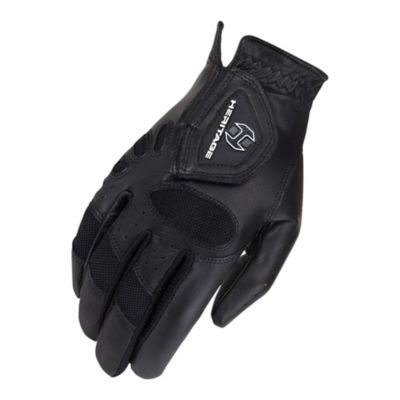
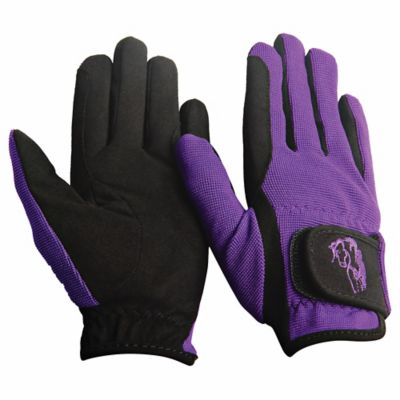
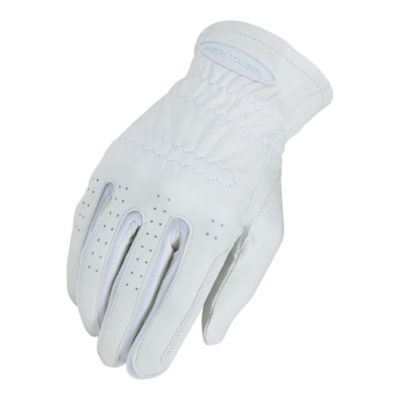
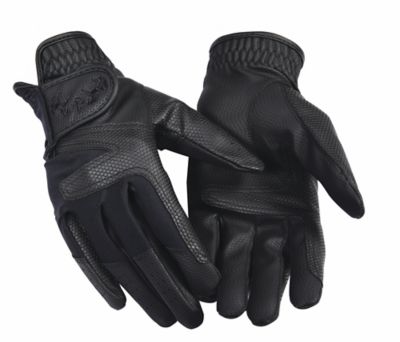
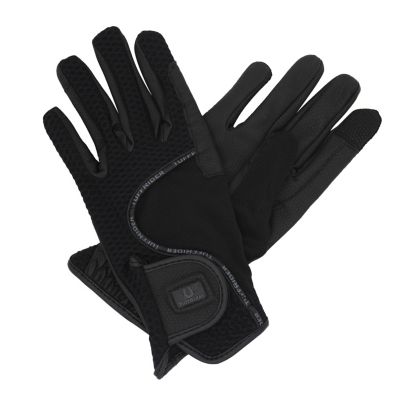
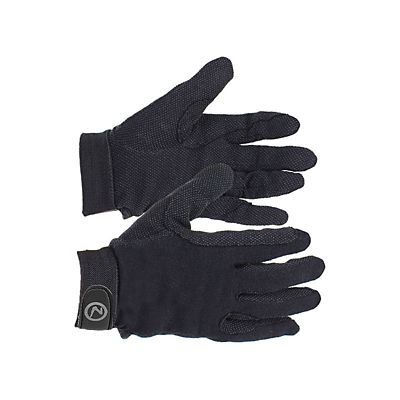
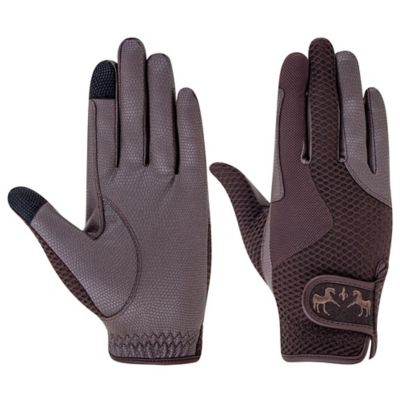
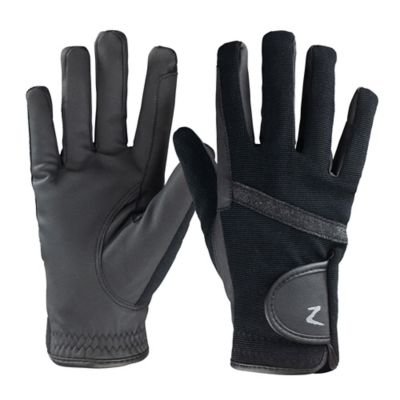
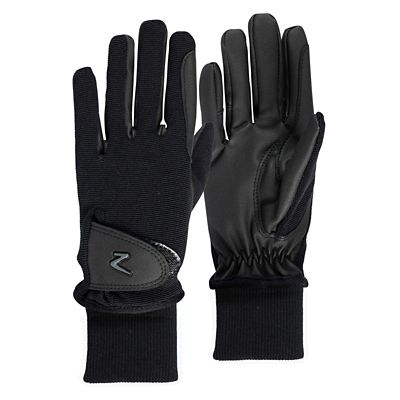
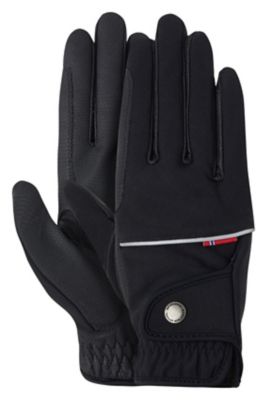
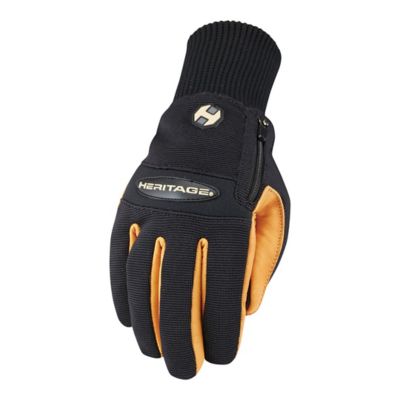
Horse riding gloves help protect hands from rein friction, blisters, and chafing while providing a secure grip and a clear feel of the reins. They put a thin, flexible layer between the rider’s skin and the reins, which can make a difference over a long trail ride or a lesson with plenty of transitions and changes of direction. For riders schooling in an arena, checking cattle from horseback, or heading down a familiar bridle path, that balance of protection and sensitivity matters more than extra padding alone. A glove needs to let the fingers close naturally without making the reins feel bulky or distant. Leather riding gloves can offer a close, supple feel, with goatskin and cowhide among the materials found in this category. Synthetic leather and microfiber options can provide flexibility and a consistent surface across the palm, while stretch fabric across the knuckles helps the hand bend freely. Mesh panels and breathable fabrics allow moisture to move away from the skin during active riding. Textured palms or grip treatments may help limit slipping, though the feel varies with the glove material and the rein surface. Smooth leather reins, woven reins, and rubber-grip reins do not all feel the same through a glove. Reinforced areas where the reins cross the hand help address repeated rubbing, while flat, carefully placed seams can reduce pressure against the fingers. English and Western riders share many of these needs, even when their tack and riding routines differ. A rider practicing steady contact may favor a particularly close feel, while someone spending hours in the saddle may put more weight on palm comfort and reinforcement. Neither approach calls for a stiff, oversized glove. Riding gloves support a comfortable hold, but they do not replace balanced riding, sound rein handling, or instruction that helps a rider keep the hands steady and responsive.
Fit is what brings those materials and features together. Horse riding gloves should sit close to the hand without squeezing the knuckles, pulling across the palm, or leaving loose folds beneath the reins. Excess fabric at the fingertips can make small adjustments feel clumsy, while fingers that are too short may tug at the seams whenever the hand closes. A comfortable pair lets the rider make a relaxed fist, separate the fingers, and bring the thumb across the hand without a tight spot. Palm circumference, hand length, and finger proportions all matter, so a size label alone does not tell the whole story. Comparing hand measurements with the maker’s size chart gives a better starting point, especially when moving between different glove designs. Both hands deserve attention, since small differences in size can affect comfort over a longer ride. Leather may soften and settle with wear, but an uncomfortable squeeze is not a sound substitute for a good fit from the start. Stretch panels can add give without leaving the palm loose. Wrist closures help hold the glove in place, and a low-profile fastening is less likely to interfere with a shirt cuff or catch against nearby gear. Seams around the thumb and between the fingers deserve a close look because these spots move constantly as the rider gathers, releases, and adjusts the reins. Touchscreen-compatible fingertips can be convenient for checking a trail map after stopping safely, though that feature should not come at the expense of hand movement or rein feel. For children taking lessons, properly sized gloves matter just as much as they do for adults; extra room for growing can leave fabric bunching in the palm. Riding gloves can also make a thoughtful gift for a lesson rider, a trail-riding partner, or someone settling into a regular barn routine. Hand measurements and a sense of the rider’s preferred fit make that choice more personal than guessing from clothing size.
Care and construction influence how well riding gloves hold up through repeated trips to the barn. Rein contact concentrates wear in particular spots, so reinforcement across the palm and along contact areas can matter more than thickness throughout the entire glove. Secure stitching, flexible seams, and a palm that stays comfortable when the hand closes are useful signs of a design suited to riding. Dirt and grit caught in the fabric can add abrasion, while sweat left in a glove can affect comfort and leave the material stiff. Care requirements vary, especially between leather and synthetic materials. Some fabric gloves allow machine washing according to their care label, while leather often calls for gentler cleaning and a treatment intended for that type of leather. Thorough rinsing, when permitted, helps prevent detergent residue from lingering against the skin. Air-drying away from direct heat helps protect shape and flexibility; a dryer or heater can be hard on leather, elastic, and certain grip coatings. Gloves also need time to dry before being tucked into a tack trunk or gear bag. A quick check of seams, fingertips, and palm contact areas can reveal thinning material or loose stitching before it becomes a distraction in the saddle. The jobs surrounding a ride deserve a separate look, too. Carrying feed, moving rough lumber, and repairing fence put different demands on the hands than holding reins.
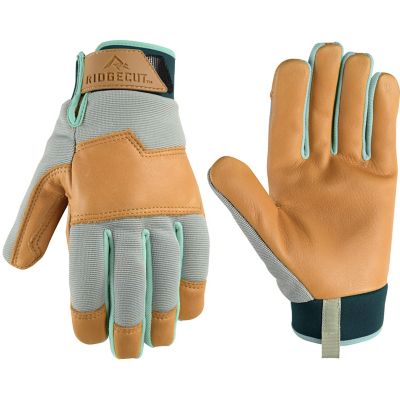
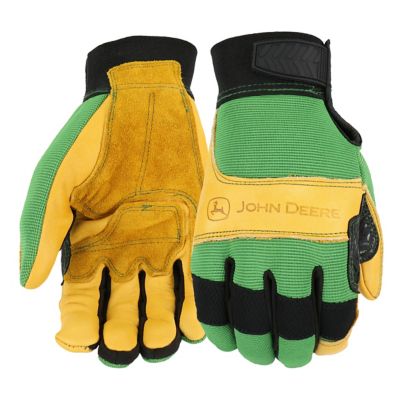
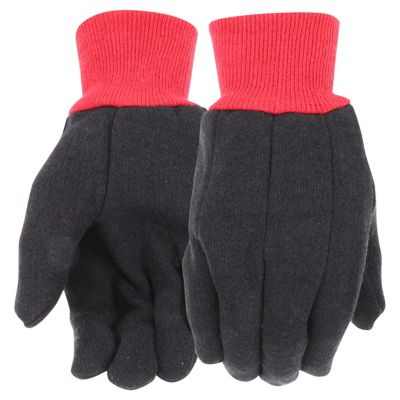
Work Gloves for Women cover another part of that barn-and-property routine, while riding gloves keep the focus on flexibility and contact in the saddle. Keeping task-appropriate gloves with the right gear can spare a close-fitting riding pair from unnecessary scraping and wear. Around horses, no glove makes wrapping a lead rope around the hand safe or removes the risk of a sudden pull. For everyday riding, the best match comes down to a comfortable fit, enough grip for the reins, and materials that suit the rider’s routine without getting in the way.