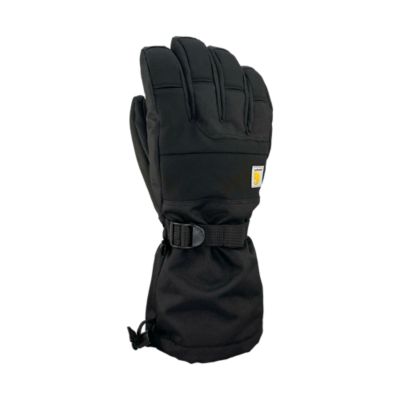
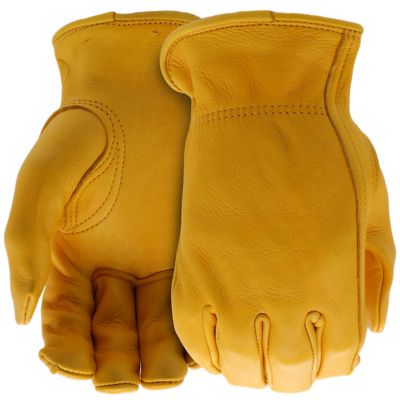
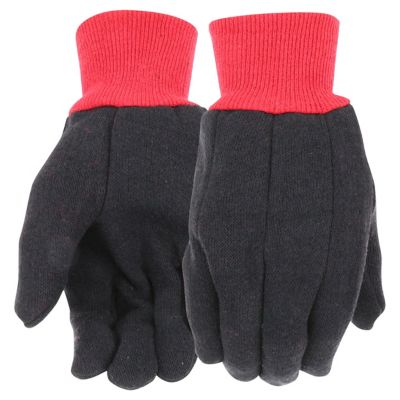
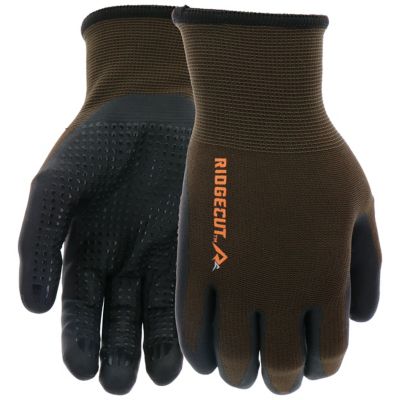
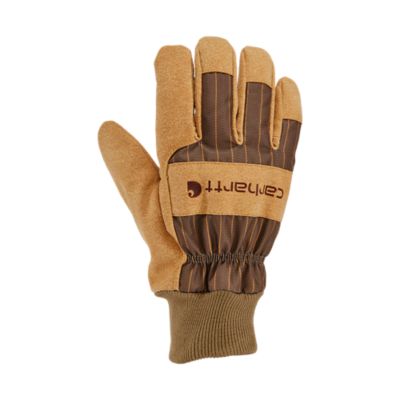
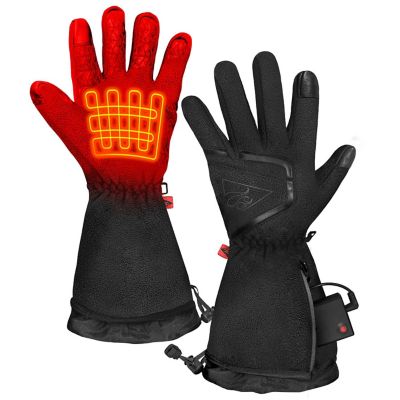
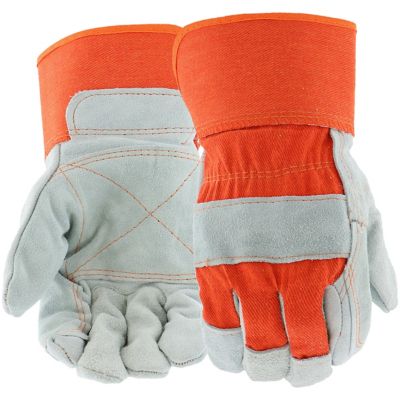
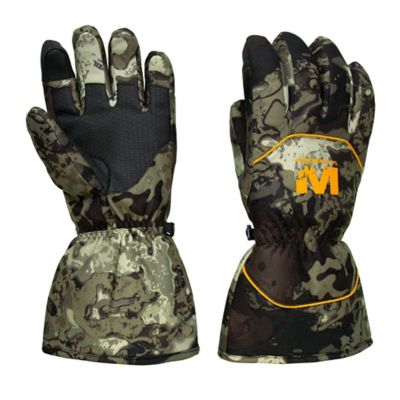
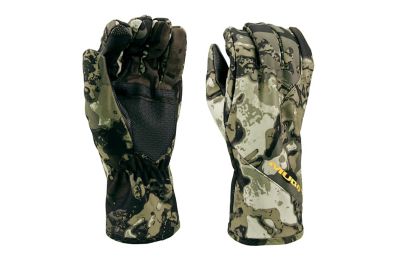
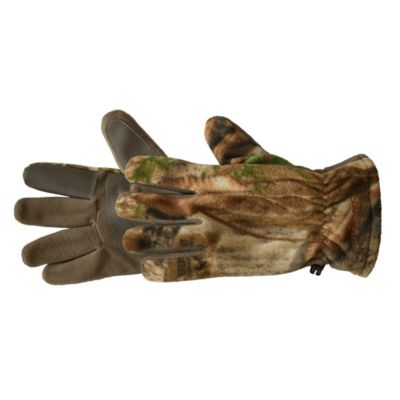
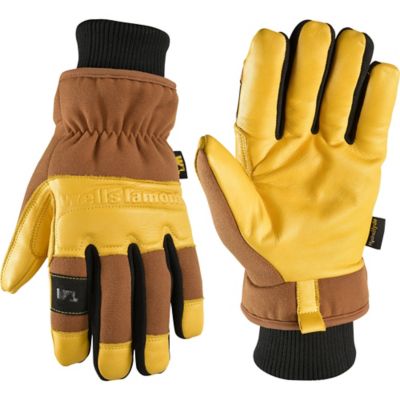
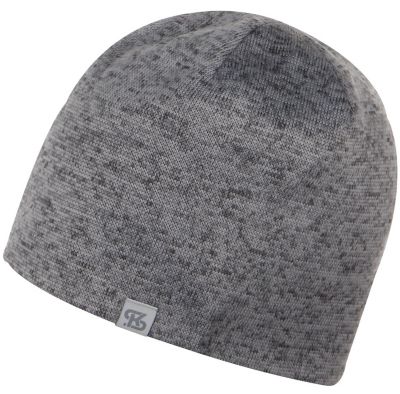
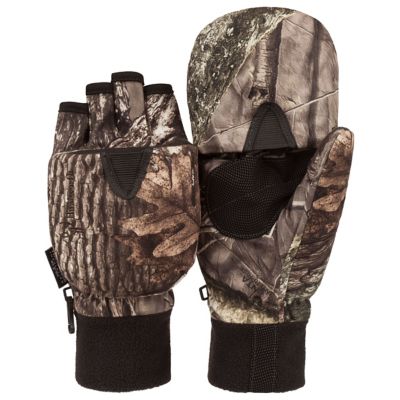
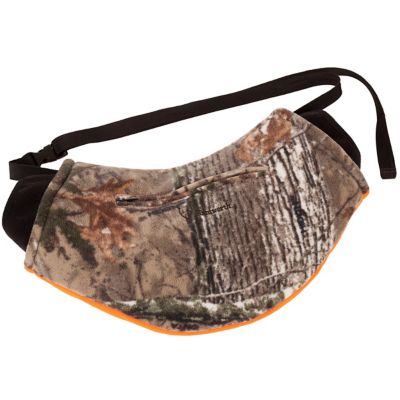
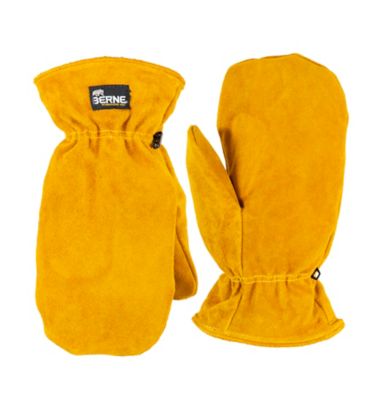
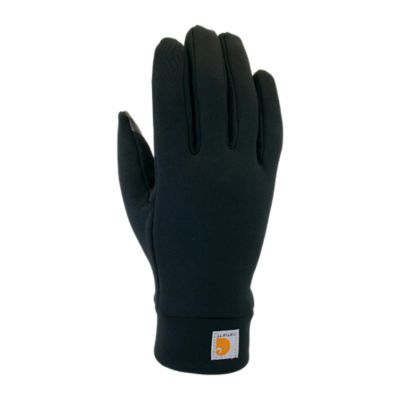
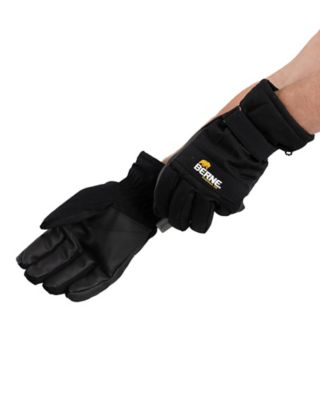
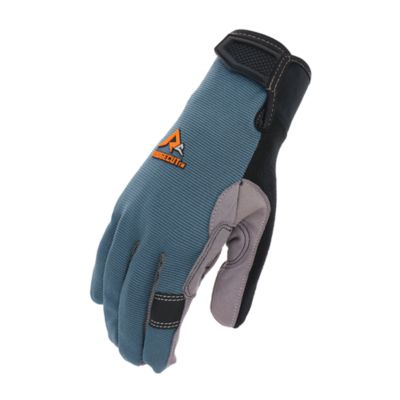
Men’s gloves for winter earn their keep on cold gate latches, frosty steering wheels and feed buckets carried before daylight. The right pair helps hands stay comfortable without making everyday chores harder than they need to be. Different jobs call for different balances of warmth, grip and finger movement, whether the day involves tending livestock, stacking firewood, clearing a walkway or walking fence lines. Leather palms bring abrasion resistance and a steady feel for handling rough lumber and tool handles, while flexible fabric backs can make it easier to close a fist or reach into a coat pocket. Cowhide often has a substantial feel suited to demanding chores, and goatskin can offer a softer, more flexible feel for work that calls for finger control. Fleece and knit materials lend themselves to lighter tasks and everyday wear, especially when easy movement matters more than protection from scraping surfaces. Synthetic shells can help block wind, and certain constructions include a waterproof barrier for contact with snow or slush. Water resistance and waterproof construction are not the same thing, though; seams, cuffs and the glove’s overall design all affect how well moisture stays out. Insulation adds another layer of comfort, but thickness alone does not tell the whole story. A heavily padded glove may suit time spent standing outdoors, while a slimmer insulated style may be easier to manage around buckles, snaps and small hand tools. Linings also influence how a glove feels against the skin, from soft brushed interiors to materials designed to move perspiration away from the hand. For another look at options centered on warmth, explore
insulated gloves for winter. Across these styles, the goal is a sensible match between protection and the work ahead, not simply the most padding possible. Someone carrying hay to a barn has different needs than someone holding a leash on a brisk walk, even when both step outside into the same cold air.
Fit makes a noticeable difference once those gloves are on and the work gets going. Fingers should reach comfortably into their stalls without pressing hard against the ends, and the palm should allow a natural grip rather than pulling tight across the knuckles. Too much extra space at the fingertips can turn fastening a lead rope or picking up a dropped key into a clumsy task. A fit that squeezes the hand can restrict circulation and compress insulation, working against the warmth the glove is meant to provide. Sizing charts often refer to hand circumference, hand length or both, so a quick measurement is more helpful than assuming every glove fits like the last pair. Anyone planning to wear a thin liner underneath needs enough room for that extra layer without bunching. Cuffs deserve attention, too. A close-fitting knit wrist can tuck neatly under a jacket sleeve, while a longer gauntlet can extend over the sleeve to help keep snow and drafts from finding a gap. Adjustable wrist closures can hold gloves in place when lifting, reaching or pulling a sled across the yard. Grip patterns and palm reinforcements matter when a shovel handle gets slick or a bucket handle presses into the same spot over and over. Reinforcement around the thumb and fingertips can help address common wear points, while well-placed seams reduce rubbing during repeated motions. Touchscreen-compatible fingertips may save the trouble of taking a glove off to check a message, although responsiveness varies with fit, screen protectors and the glove’s construction. For longer stretches outdoors, breathability matters alongside insulation because sweaty hands can feel cold once activity slows down. Feeding animals, then standing still to check a water trough, puts that balance to the test. Everyday winter gloves also are not a stand-in for task-specific protection: cutting, chemical handling and other hazards call for gloves rated for that job. Around moving machinery, follow the equipment’s safety instructions, since gloves can create an entanglement risk.
A pair that holds up through regular winter chores depends on more than the outer material. Stitching, reinforced stress points, lining attachment and the way the palm bends all contribute to how the gloves handle repeated wear. Check the areas that take the hardest knocks: the web between thumb and forefinger, the fingertips and the base of the palm. Those spots often bear the strain of hauling split logs, gripping a wheelbarrow or carrying supplies across a gravel drive. Care plays a part in keeping gloves comfortable and ready for another outing. Follow the manufacturer’s cleaning directions rather than treating leather, fleece and waterproof fabrics alike. Some fabric gloves allow machine washing, while leather may need gentle surface cleaning and a treatment approved for that material. Certain cleaners or conditioners can affect water protection, so the care label is worth a look before anything goes into the wash. After contact with damp snow or perspiration, let gloves dry fully in a ventilated spot away from direct heat. Setting them on a heater or too close to a stove can stiffen leather or harm other components. If liners are removable, separating them can help the inside dry more thoroughly. A second pair is handy for chores that leave gloves wet, giving the first pair time to air out before the next trip to the barn. Brush off loose dirt, check for split seams and store gloves where they can keep their shape instead of remaining crumpled in a damp coat pocket. Men’s winter gloves can also make a practical gift for a rancher, a neighbor who keeps the driveway clear or anyone who spends plenty of time outdoors. Knowing the recipient’s hand size and usual tasks helps narrow the choice far more than appearance alone. A comfortable pair with the right grip, cuff coverage and freedom of movement can become part of the everyday routine, right alongside a work jacket and boots by the door.