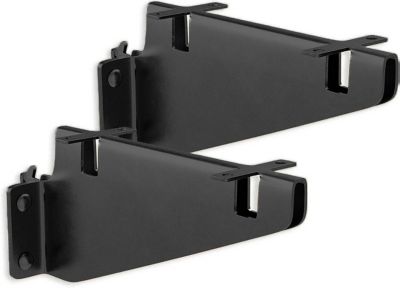
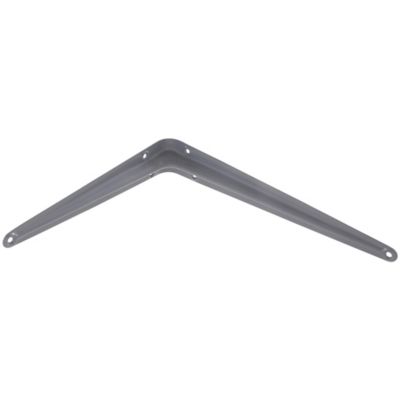
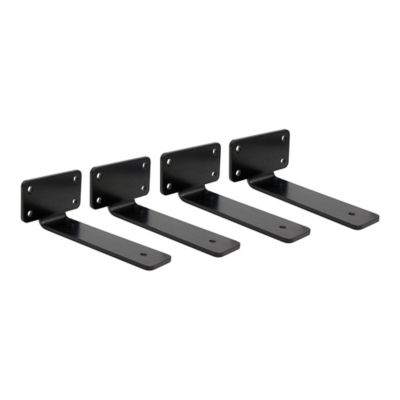
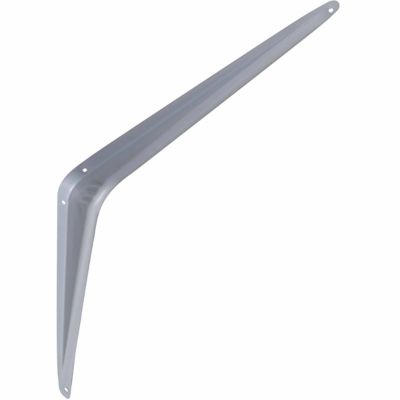
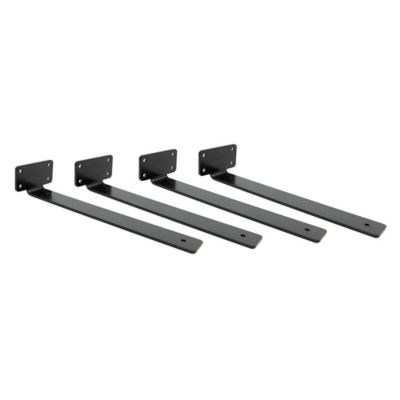
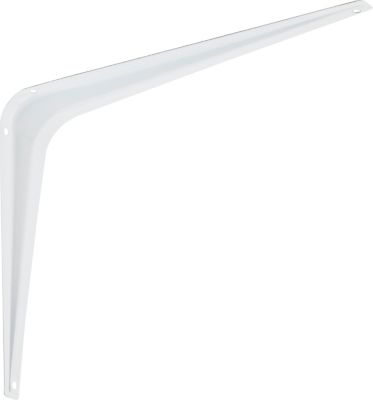
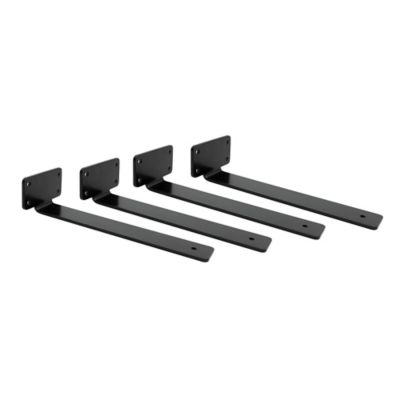
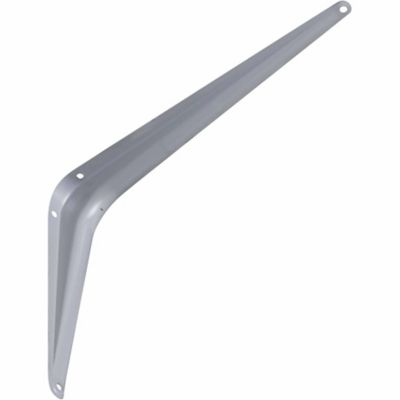
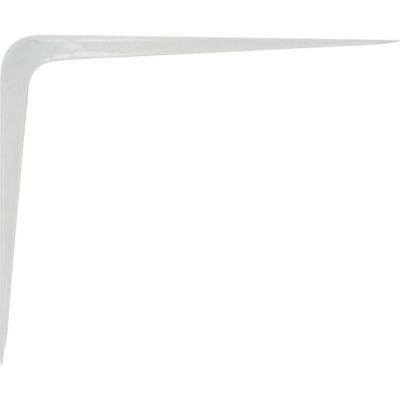
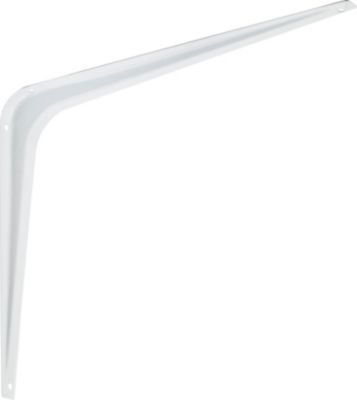
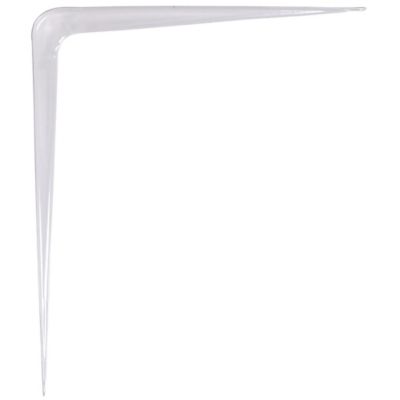
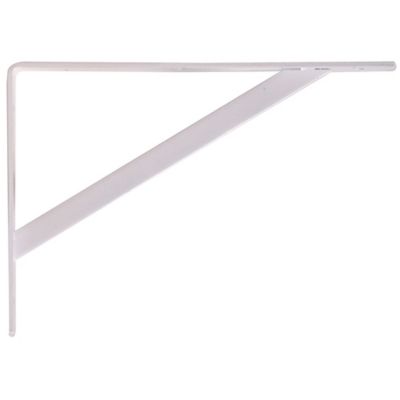
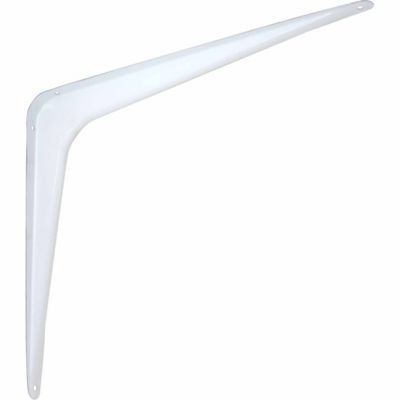
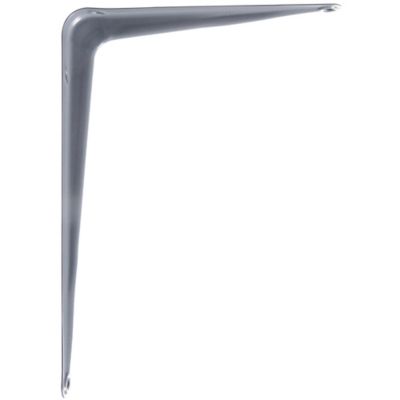
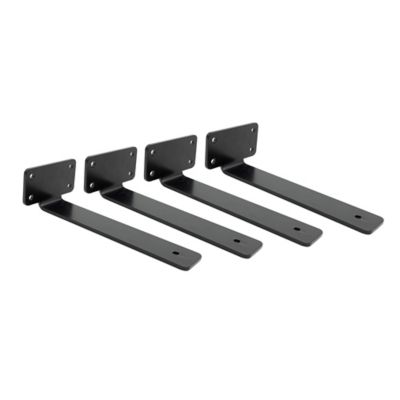
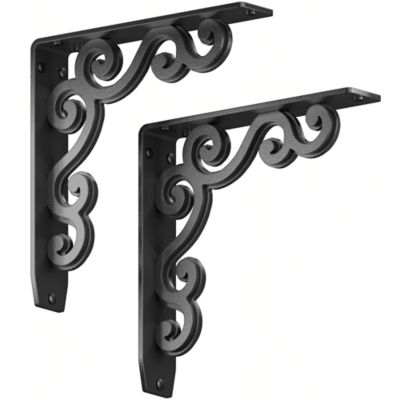
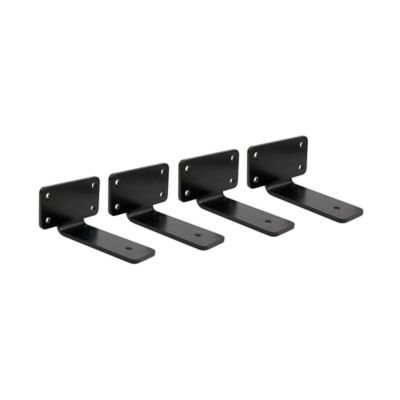
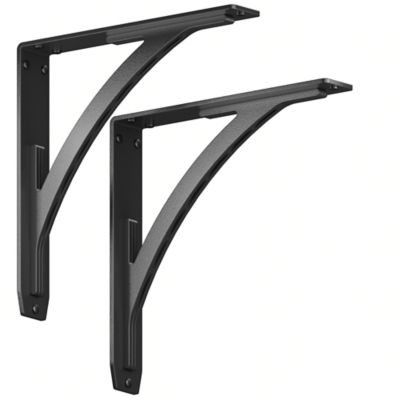
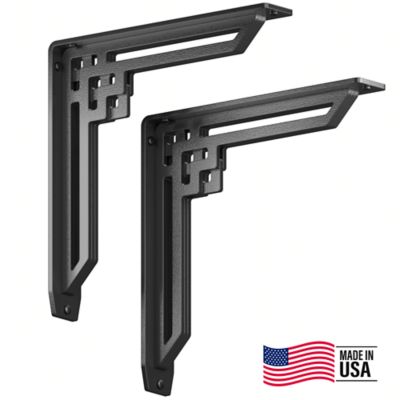
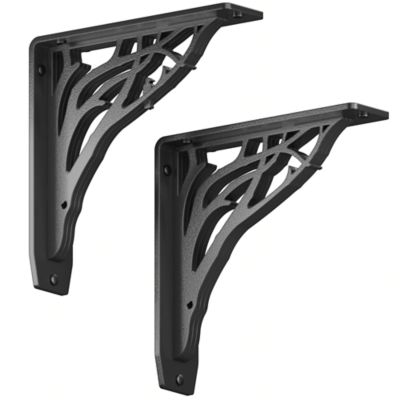
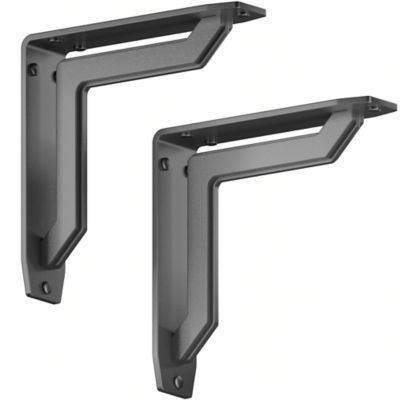
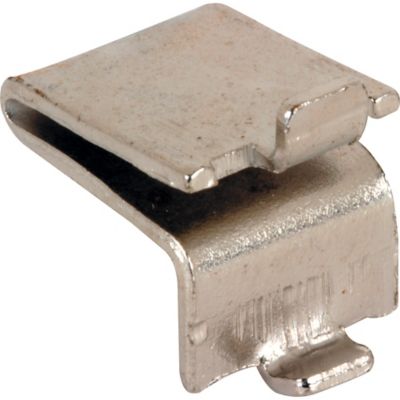
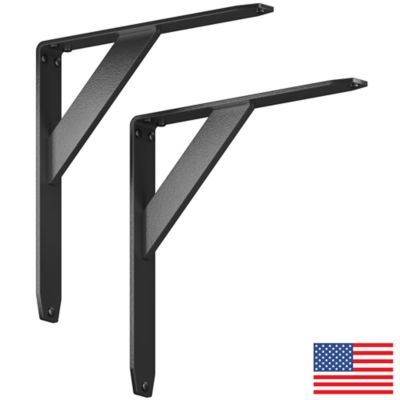
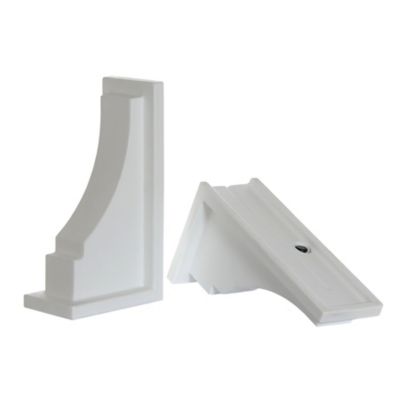
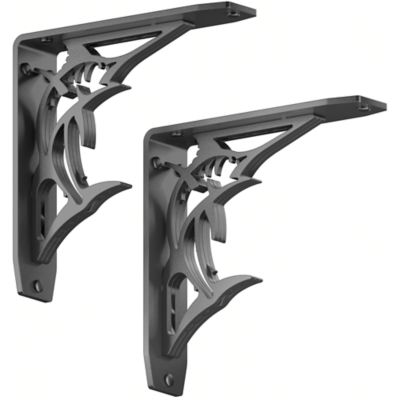
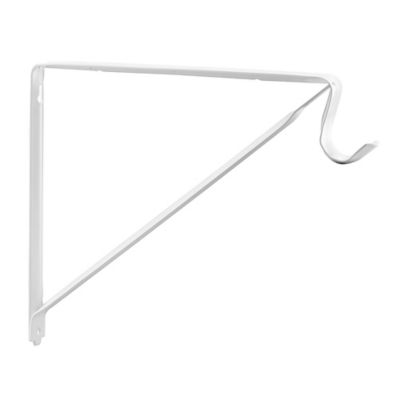
Shelf brackets for wood support wooden shelves by transferring the weight of the board and its contents to the wall. They bring open storage to kitchens, laundry rooms, garages, workshops and tack rooms, keeping everyday supplies within reach without taking up floor space. The term can describe brackets made from wood as well as metal brackets intended to hold wood shelving. Wooden brackets bring the grain and warmth of the shelf into the supporting hardware, while metal brackets can create a contrast or blend into the background with a painted finish. Solid wood supports often have a horizontal arm, a vertical mounting section and a diagonal brace or shaped profile between them. Steel brackets range from simple right-angle supports to reinforced designs with braces beneath the shelf. Concealed supports offer a different look, with mounting hardware tucked inside or behind the board, though their fit depends closely on shelf thickness and construction. Each style serves a purpose beyond appearance. An open bracket can leave more room beneath a shelf, while a diagonal brace adds support but occupies some of that space. That difference matters above a workbench where tall tool cases need clearance or beside a kitchen counter where canisters sit underneath. Wood species also affect the finished look: oak has a more pronounced grain, maple tends toward a smoother appearance, and pine often shows knots and a softer grain pattern. Unfinished wooden brackets provide a surface for paint or stain, while finished brackets need a coating compatible with the intended setting. Metal supports may have painted, powder-coated or plated surfaces, with care requirements that depend on the finish. For garages, kitchens and workrooms alike,
Wall Shelf Brackets connect the shelf to its surroundings in both practical and visual ways. Matching that support to the board, the wall and the load matters more than choosing by appearance alone.
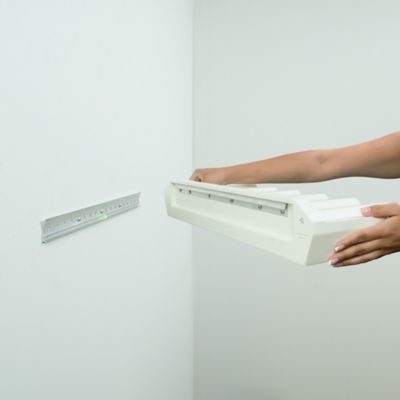
Fit starts with the shelf itself: its depth, thickness, length and material all influence the bracket arrangement. A narrow board holding spice jars asks something different of its supports than a deep garage shelf carrying containers of fasteners. Bracket arm length should suit the shelf depth and the manufacturer's specified limits for overhang. A board that projects too far beyond its support can place extra leverage on the hardware, especially when heavier contents sit near the front edge. Shelf thickness matters for screw engagement and, with concealed supports, for the diameter and placement of the mounting rods. Solid lumber, plywood and manufactured wood panels do not all hold fasteners or resist bending in the same way. Longer shelves may need additional brackets to control sagging, even when the total weight falls within the hardware's stated capacity. Bracket spacing should account for the board's span limits as well as the location of suitable wall attachment points. Weight ratings deserve a close look because a rating may apply to an individual bracket, a pair or a complete mounting arrangement under stated conditions. The shelf board, fasteners, anchors and wall structure must all support the intended load; adding the ratings of separate parts does not establish the capacity of the finished shelf. Mounting into sound wall studs is generally preferable for substantial loads, with fasteners sized for the bracket and enough engagement in the framing. Masonry walls call for compatible masonry fasteners, and hollow-wall installations require anchors rated for that wall type and application. A wall anchor is not automatically an equal substitute for attachment to framing. Pre-drilled mounting holes, countersunk openings and the bracket's wall plate shape can affect which fasteners fit properly. Level alignment helps the board sit evenly across its supports, while shelf attachment helps keep it from shifting or tipping. In a working garage, a shelf carrying small parts bins may gain weight a little at a time, so the anticipated load should include the shelf itself and the full contents rather than just the first few containers.
The best shelf bracket arrangement fits the way the space gets worked every day. Above a potting bench, open shelves can keep empty pots and hand tools handy; in a mudroom, they can hold baskets for gloves, hats and small essentials. A pantry shelf may carry a concentrated load of jars and canned goods, while a workshop shelf can collect boxes of screws, spare fittings and tool accessories that weigh more than they look. Those situations call for attention to both total weight and where that weight rests. Keeping heavier contents close to the wall and avoiding a heavy load at an unsupported end reduces leverage, but it does not replace a properly rated installation. Shelf depth also affects reach: a board that sticks out too far above a bench can get in the way, while one that is too shallow may leave containers hanging over the edge. Visible brackets help tie a room together when their shape and finish complement the wood, nearby hardware and cabinetry. A plain painted support can suit a utility room, while a shaped wooden bracket can bring a more traditional feel to a kitchen or hallway. Care is usually straightforward, but the material and finish set the rules. Dust and grit can be wiped away with a soft cloth, and spills should be cleared from wooden parts before moisture sits on the surface. Strong cleaners and abrasive pads can damage coatings, so the manufacturer's care directions are worth keeping with the installation details. Bare wood needs a finish suited to its location, and metal hardware in moisture-prone spaces needs an appropriate protective coating. Occasional checks for loose fasteners, cracking around mounting points, corrosion or a shelf that has begun to sag can catch changes before storage becomes a problem. A bracket that bends, a board that splits or an anchor that pulls away from the wall needs attention rather than another turn of a screw. Well-matched supports let a wood shelf do its job without fuss, whether that means keeping feed-room records off a crowded desk or making space for everyday supplies above the laundry sink.