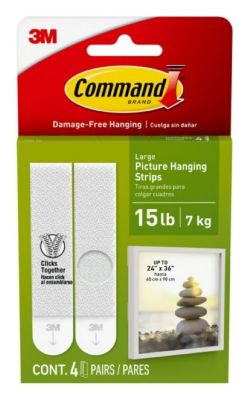
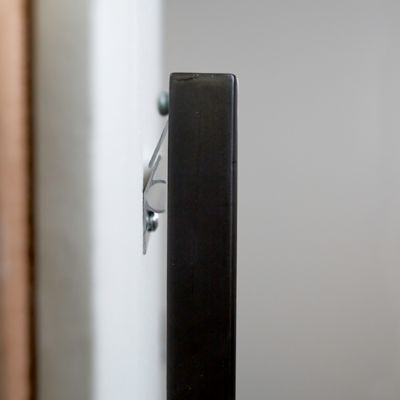
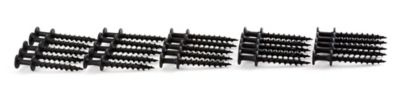
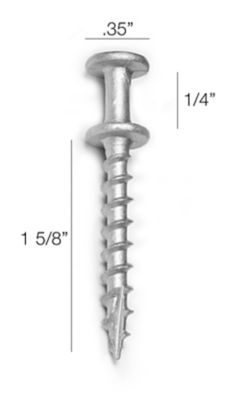
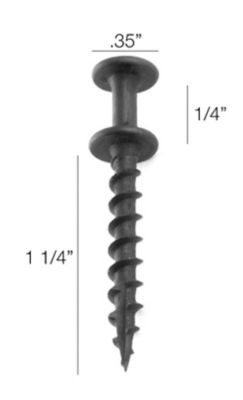
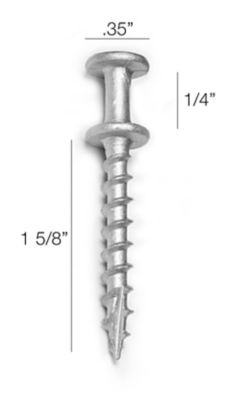
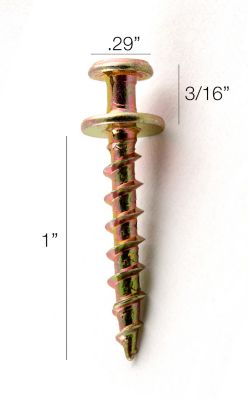
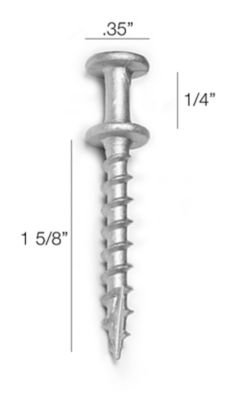
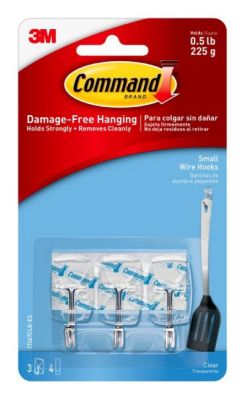
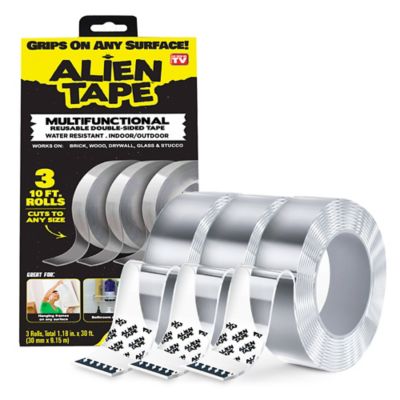
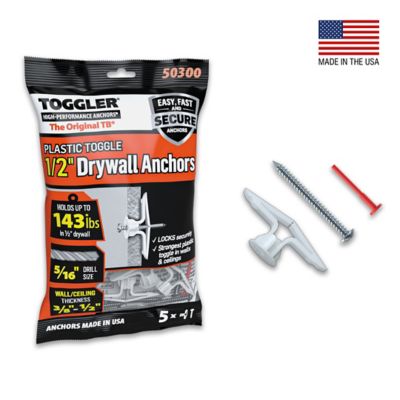
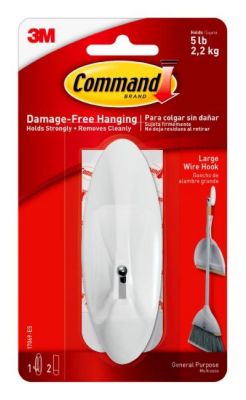
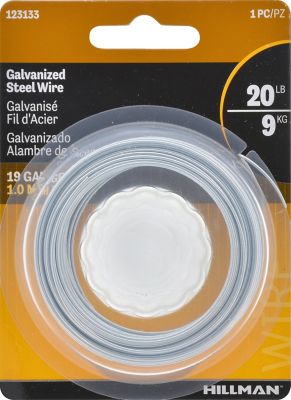
Hardware for hanging pictures includes the frame-side fittings and wall-side supports that keep framed photos, artwork and keepsakes in place. Picture hooks, sawtooth hangers, D-rings, hanging wire, mounting cleats and adhesive hanging strips each suit different combinations of frame weight, frame construction and wall material. A small family photo beside the kitchen doorway calls for a different setup than a broad, glass-fronted print above a living room bench. The weight that matters is the whole assembly: frame, glass, backing and anything enclosed inside. Package load ratings help narrow the choices, but those ratings depend on the specified wall surface, fastener and installation method. Sawtooth hangers are common on smaller, lighter frames, with a toothed edge that offers a little side-to-side adjustment on a compatible wall fastener. D-rings attach to the frame sides and can work with suitable picture wire or hang directly from compatible wall supports when the frame and hardware allow it. Picture wire comes in different constructions and weight ratings; coated wire can make handling easier and help limit rubbing against the frame fittings. Wire length and slack affect how far a frame sits below its wall hook, while the height of a sawtooth hanger or D-ring affects where the top edge lands. Those details matter when frames need to line up across a hallway. For larger or heavier framed pieces, interlocking cleats can spread support along the frame, provided the frame construction and wall attachment are suitable. The frame itself deserves just as much attention as the hanger. Solid wood, thin composite rails and metal frame channels do not accept the same fittings. Screw length must fit the available material without reaching through the visible face, and replacement fittings need to match the frame’s attachment points. A strong wall hook cannot make up for a loose frame joint or a poorly secured ring on the back.
Picture hangers and other
Wall Hardware need to match the surface behind the frame, not just the look of the room. Drywall, plaster, masonry and wood paneling each call for suitable attachment hardware. Nail-in picture hooks often hold a nail at an angle, but their stated capacity applies only under the conditions listed by the manufacturer. Some hooks are intended for drywall without a stud; other mounting arrangements need a stud or an anchor rated for the wall material and load. For heavier frames, fastening into sound wood framing can provide a solid attachment when the specified hardware allows it. Hollow-wall anchors have their own requirements for wall thickness, hole size and clearance behind the surface. Plaster can crack around an unsuitable fastener, while brick and concrete need masonry-compatible fasteners rather than ordinary picture nails. Thin paneling may need support behind it instead of carrying the load by itself. These differences help explain why a hanger’s size alone does not tell the whole story. A wide frame resting on two hooks also does not automatically gain twice the capacity of one hook; load sharing depends on the complete arrangement. Adhesive picture-hanging strips offer another approach for lighter framed pieces on approved indoor surfaces. Their suitability depends on the finish, surface condition, frame backing and stated weight limit. Textured walls, loose paint, dusty surfaces and some wall coverings may not provide the required bond. Surface preparation, bonding time and removal directions matter, and an adhesive attachment should not be assumed to leave every finish untouched. In a rental home, restrictions on nail holes or adhesive attachments may shape the choice as well. Wherever a frame will hang, fastener placement needs to account for concealed wiring and plumbing. The best match is a complete attachment system suited to both the wall and the frame, rather than whichever hook happens to be closest at hand.
Materials and construction make a difference in how picture-hanging hardware holds up over time. Steel is common in hooks, nails, rings and wire because it can provide substantial support in a compact shape. Brass and brass-finished hardware offer another appearance where a fitting remains visible, while plated steel and stainless steel provide different levels of corrosion resistance depending on the material and finish. Hardware near a sink or in another moisture-prone room needs a finish suited to that setting, along with a frame that belongs there. Smooth edges, sound screw threads and firmly formed attachment points matter more than a polished appearance on parts hidden behind the picture. Low-profile fittings help a frame sit close to the wall, while deeper hooks or wire arrangements can leave more space behind it. Small frame bumpers can cushion the lower corners and help reduce shifting or scuffing, though they do not replace a properly rated hanger. That balance of support and fit matters in busy spots: an entry hall where coats brush the wall, a home office with framed certificates or a workroom with a favorite farm photograph above the desk. Larger frames need enough clearance from doors, cabinet fronts and passing traffic, and hanging hardware should never carry more than its stated load. Assortments with several hanger styles can suit households with a mix of frame sizes, while matching fittings can simplify a row of similar frames. Spare parts stay easier to sort when their load information and compatible fasteners remain together. Once a picture is on the wall, occasional checks can catch a loose screw, frayed wire, bent hook or lifting adhesive strip before the attachment gives way. Dusting and gentle cleaning should follow the frame and hardware makers’ recommendations without soaking hidden fittings. Well-matched hardware keeps attention on the photograph, print or keepsake, whether it is a graduation portrait in the hallway or a framed family snapshot that has earned a place by the back door.