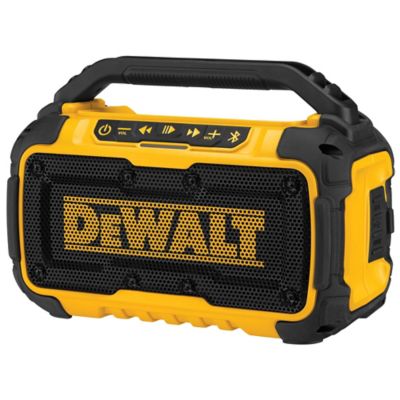
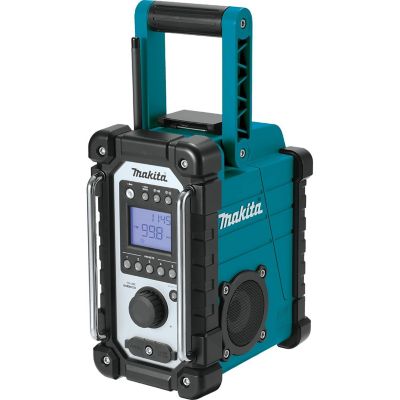
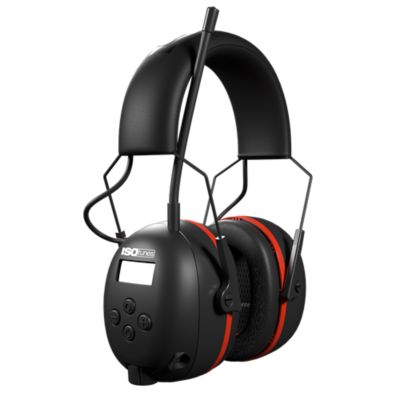
Worksite radios are built for the kind of places where ordinary home audio gear may not hold up: dusty garages, open barns, remodeling projects, workshops, driveways, and busy construction areas. These rugged radios typically have a tough outer housing, protected controls, and a design that helps them stand up to bumps, sawdust, dirt, and the occasional splash. Some include roll-cage protection, reinforced corners, rubber feet, or covered ports that help keep debris away from the electronics. When you are looking at worksite radios, pay attention to the protection rating. An IP54 rating generally indicates protection from limited dust and water splashes, while a higher rating may offer more defense against dust and rain. Even a well-built radio should not be left sitting in standing water or exposed to a hard downpour for long periods, but a weather-resistant design can make a big difference when the forecast changes while you are working outside. Sound quality matters, too. A radio for a small shop may only need clear, close-range audio, while one used around a large work area needs enough volume to carry over saws, generators, tractors, compressors, and other equipment without sounding harsh. Look for a sturdy handle that is comfortable to carry with one hand, controls that are easy to find with work gloves on, and a display that is readable in bright daylight. A compact design can be handy on a ladder or crowded workbench, while a larger unit may deliver fuller sound and stay put better on uneven ground.
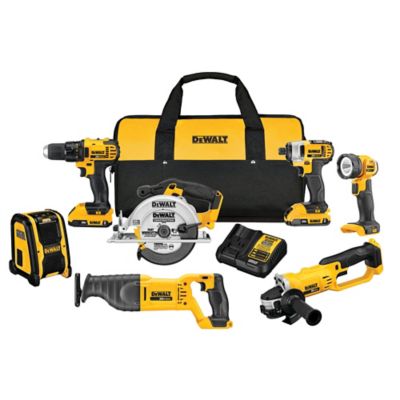
Power options are one of the biggest differences among worksite radios, so it helps to think about how and where the radio will be used before choosing one. Many models run from a standard AC outlet and also accept a rechargeable cordless tool battery, which is useful when an extension cord is out of reach or when you are moving from one part of the property to another. If you already use cordless tools, matching the radio to the battery platform in your tool collection can save the cost and hassle of buying a separate battery and charger. Check the product details closely, since some radios use batteries for playback but only charge those batteries when the unit is plugged into wall power. Battery run time depends on the battery size, volume level, lighting, and charging features, so a larger-capacity battery can be worth considering for a full day in the field. Bluetooth connectivity lets you stream music, podcasts, or other audio from a phone without running a cable across the work area. AM/FM reception remains useful in rural areas, especially when cell service is spotty, and a telescoping or protected antenna can help pull in a stronger signal. Some worksite radios include USB ports for charging a phone, while others offer built-in outlets, memory presets, digital tuning, or multiple speakers aimed in different directions for more even sound. Keep in mind that charging a device can use up battery power faster, and higher volume levels will shorten playback time. For a simple setup, choose the features that fit your routine instead of paying for extras that will spend most of their time unused. A radio with a solid handle, dependable reception, easy Bluetooth pairing, and a power setup that fits your existing tools may be more useful day after day than a feature-packed model that is awkward to carry.
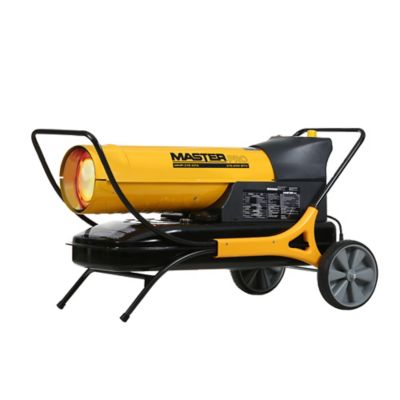
Worksite radios can make long jobs feel a little more manageable, whether you are hanging fence along a back pasture, repairing equipment in a chilly shed, building a deck, or cleaning up after a storm. A clear morning broadcast can keep you company while you sort lumber, and a favorite playlist can add some energy when the afternoon work starts to drag. They are also handy for crews because the sound is easy to share without everyone needing earbuds, which helps workers stay aware of trucks, tools, livestock, and instructions around them. Homeowners may use one during weekend projects, tailgates, camping trips, garage cleanouts, or outdoor gatherings where a phone speaker is not loud enough. A worksite radio can make a practical gift for a contractor, farmer, mechanic, landscaper, carpenter, or anyone who spends time with tools and equipment. It is especially useful for someone who already has a collection of compatible cordless batteries, since the radio can fit right into the same work routine. For cooler working conditions, a radio can be part of a comfortable, organized setup alongside lighting, extension cords, hand tools, and
Portable Radiators, helping turn a drafty shop or unfinished space into a more workable place to get things done. Store the radio under cover when the job is finished, wipe away dust and mud before it builds up around the controls, and follow the manufacturer’s guidance for battery storage and charging. With the right balance of durability, sound, portability, and power, a worksite radio is more than a speaker; it is a dependable bit of job gear that keeps useful audio close at hand through changing weather and busy workdays.