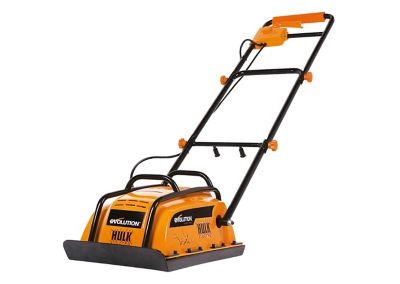
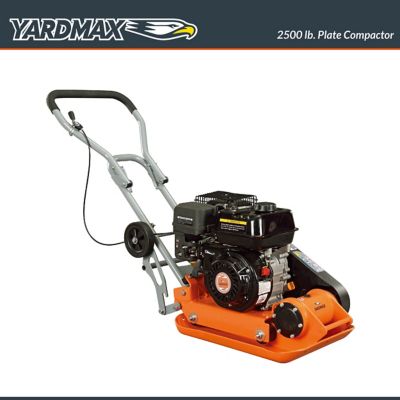
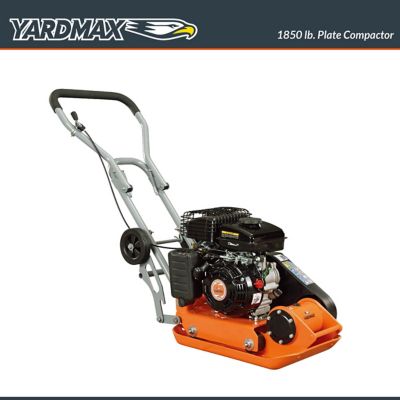
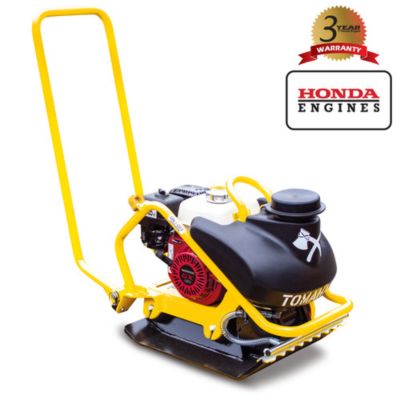
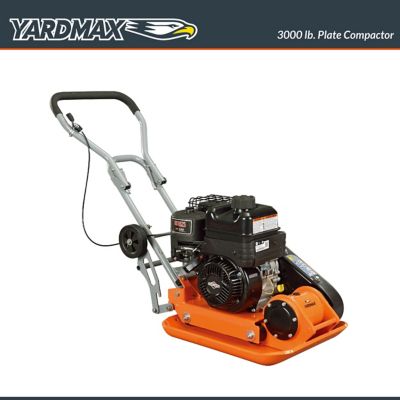
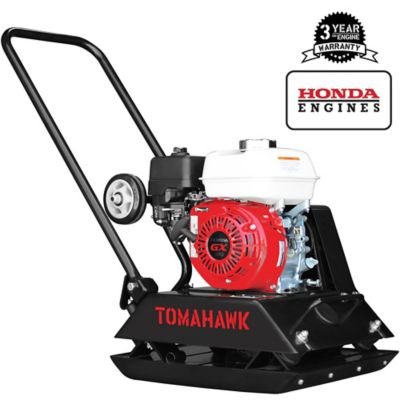
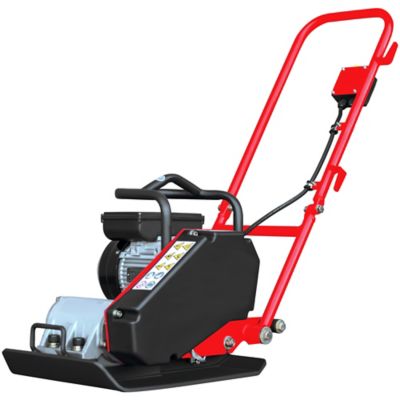
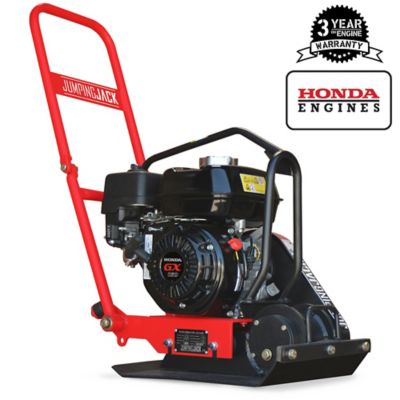
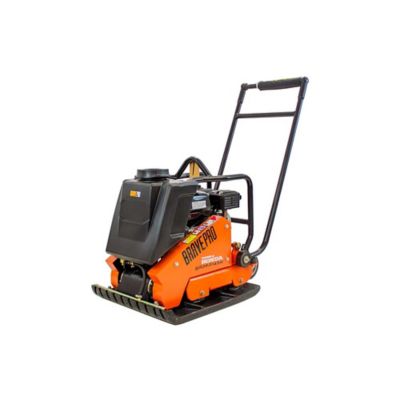
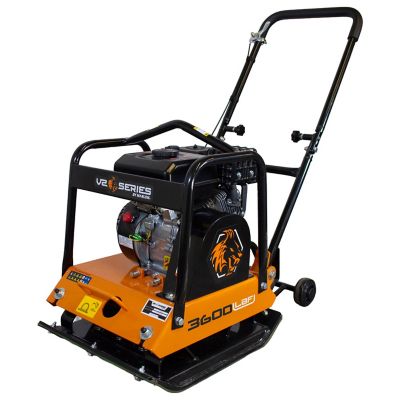
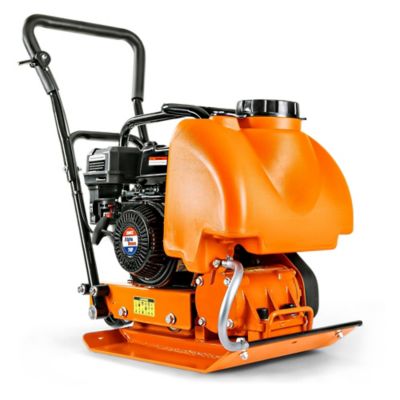
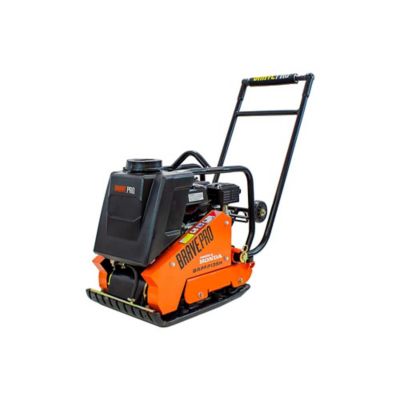
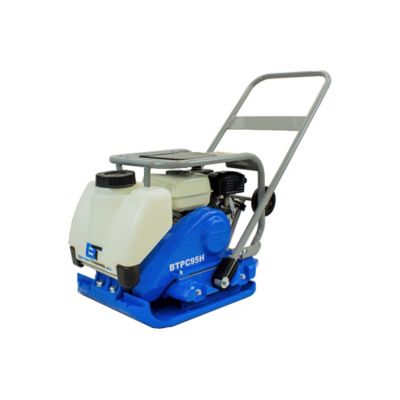
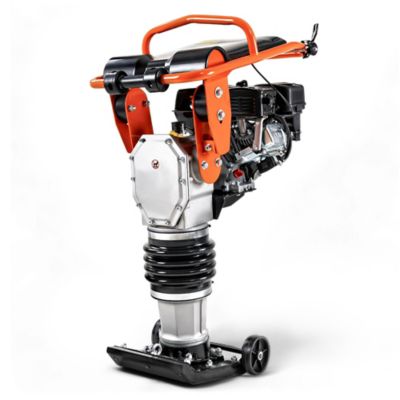
Vibratory plate compactors help turn loose gravel, sand, and crushed stone into a firm base for walkways, patios, driveways, and other construction projects. These machines combine the weight of a broad bottom plate with rapid vibration to move particles closer together and reduce air pockets in the material. An engine or motor drives an eccentric weight, creating the vibration that travels through the plate and into the ground. The result is a denser layer that can better support the surface above it. Around a rural property, that might mean preparing a gravel approach to a workshop, building a paver path between outbuildings, or firming up the aggregate beneath a shed slab. Landscapers, paving crews, contractors, and property owners all have reasons to put a plate compactor to work. The material under the plate matters just as much as the size of the project. Granular materials, such as sand and properly graded crushed aggregate, generally respond well to vibration because their particles can shift and settle together. Sticky, cohesive clay behaves differently and often calls for the kneading action of a tamping rammer or another compaction method suited to that soil. Within the broader family of
Soil Compactors, vibratory plates are especially useful where a flat working surface and room for overlapping passes make steady coverage possible. They are not a substitute for removing roots, buried debris, or soft ground beneath a project. A packed surface over a weak layer can still settle under traffic. For a concrete slab, the machine prepares the supporting base rather than compacting the concrete itself. For a gravel path, it helps bring the prepared aggregate together, but edging, drainage, and a suitable material blend still have a part to play. That distinction matters when a walkway needs to stay even beneath a wheelbarrow or a driveway apron has to carry repeated pickup traffic. A firm base starts with the whole ground preparation plan, not simply the number of trips a machine makes across the surface.
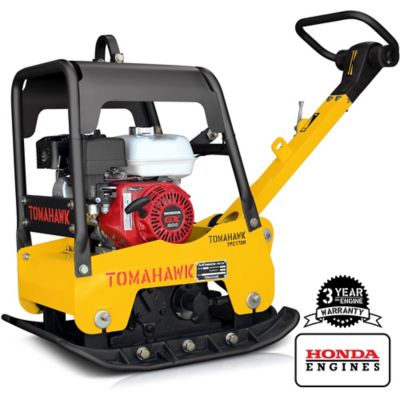
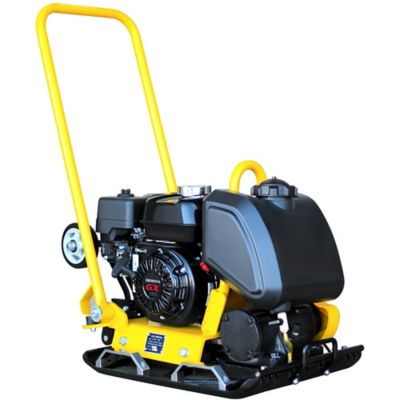
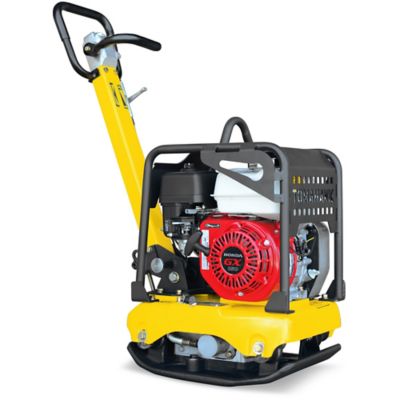
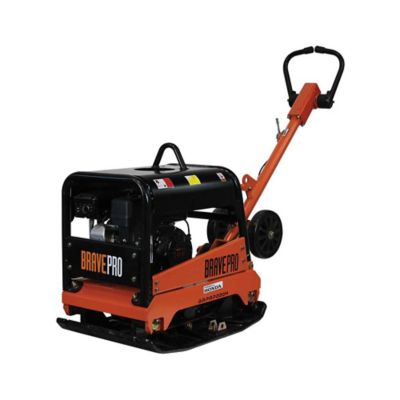
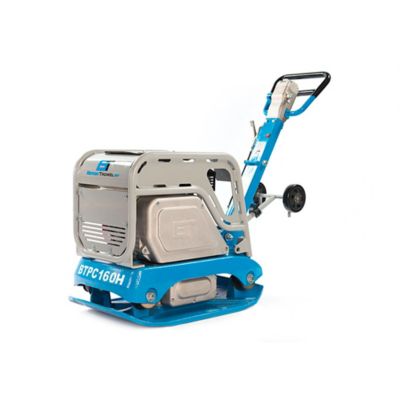
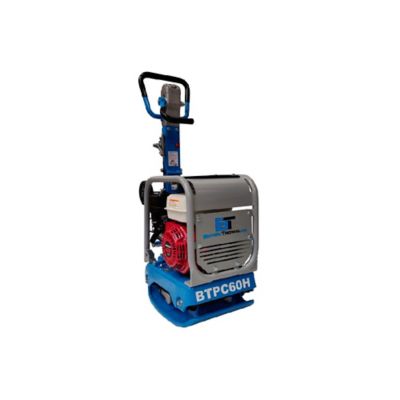
Plate size, operating weight, centrifugal force, travel speed, and direction of movement all affect how a vibratory plate compactor fits the job. A narrower plate can make sense along a walkway or in a confined work area, while a wider plate covers more ground on an open pad. Working width also needs to leave room for practical overlap without putting the machine too close to an unsupported edge. Forward-travel machines move in one direction and need space to turn around. Reversible plate compactors can travel forward and backward, which helps with maneuvering in areas where turning a heavy machine would be awkward. Reversibility does not remove the need for clearance between the operator, the equipment, and nearby walls or obstacles. Engine horsepower alone does not tell the whole story about compaction performance. Plate dimensions, vibration characteristics, machine weight, and the material beneath the plate work together, so specifications make more sense when considered as a group. Compaction depth is not a universal number, either. The thickness of each loose layer, often called a lift, must suit both the machine and the material. A deep pile of stone does not become evenly compacted just because its top looks tight. Moisture content also affects how particles settle; saturated material or material outside its suitable moisture range can frustrate the work even with repeated passes. For projects with specified density requirements, testing provides information that appearance alone cannot. Handling deserves attention alongside performance. Handle height, grip layout, vibration isolation, and access to the controls influence how manageable a machine feels over a full stretch of work. A transport wheel kit can ease movement across appropriate surfaces, while a designated lifting point supports handling with properly rated lifting equipment. Neither feature changes the operating weight or makes the handle a safe lifting attachment. Gate openings, trailer capacity, loading equipment, and the route to the work area are practical parts of choosing a machine that fits the property as well as the project.
The plate and frame take plenty of contact with abrasive aggregate, so their construction and upkeep have a direct bearing on service life. Base plates commonly feature steel or cast iron, with shape and edge design influencing how the machine moves across the surface. A smooth, clean underside helps keep material buildup from interfering with contact, while secure fasteners and intact guards help the machine remain ready for work. Gas-powered equipment brings routine needs such as engine oil checks, air-filter care, and fuel-system maintenance. Belt condition, vibration-system service, and inspection intervals depend on the design, making the operating manual the right reference for those details. Dust around a gravel pad can put extra demands on air filtration, and loose aggregate can collect around moving components if cleanup gets overlooked. Storage on a stable surface, protection from unnecessary exposure, and attention to leaks or loose parts help protect the investment between jobs. Surface compatibility matters, too. Compacting an aggregate base is different from running a plate over installed pavers. Direct contact with pavers may call for a compatible protective pad, and the paving manufacturer’s instructions determine whether vibratory compaction is appropriate at all. Some paving materials can chip, scuff, or crack under the wrong equipment. For asphalt work, certain plate compactors have water systems that help limit material sticking to the underside; that feature does not make every plate suitable for every paving task. Safe operation remains part of the fit, especially around busy farmyards and home projects. Hearing protection, eye protection, sturdy footwear, and a clear work area belong alongside the machine. Gasoline engines require open-air operation away from doors, windows, and enclosed spaces because of exhaust hazards. Underground utilities, slope limits, unsupported edges, and nearby structures also deserve attention before work begins. A machine matched to the material, access, and intended surface can make base preparation more manageable, whether the finished project carries foot traffic to the barn or supports everyday work around the shop.