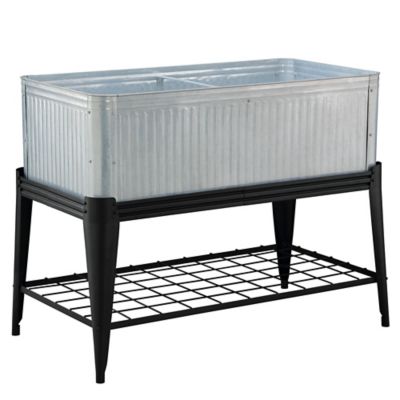
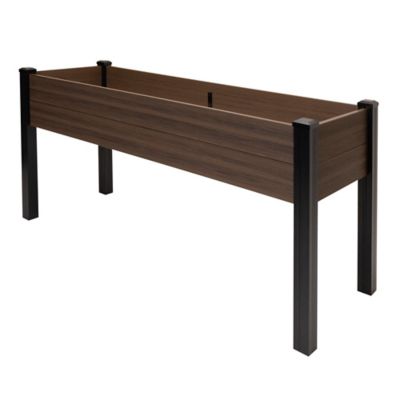
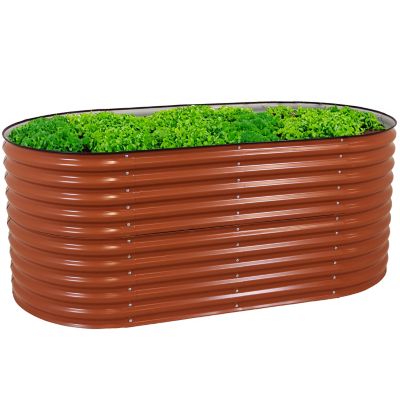
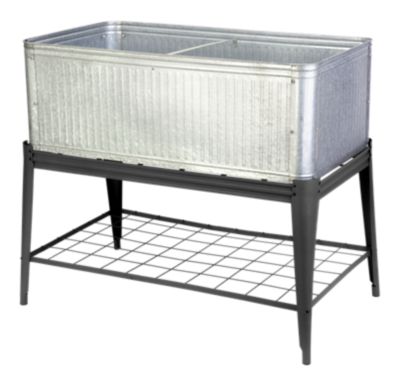
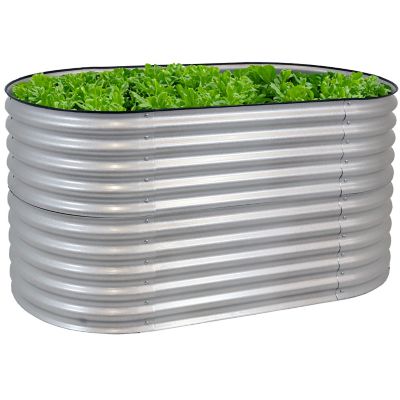
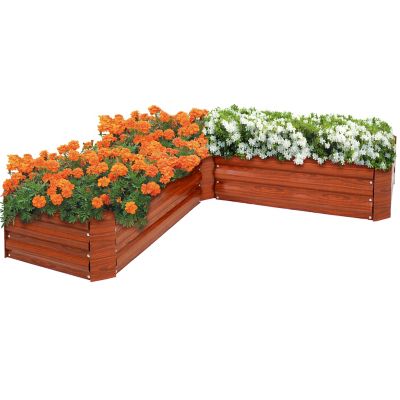
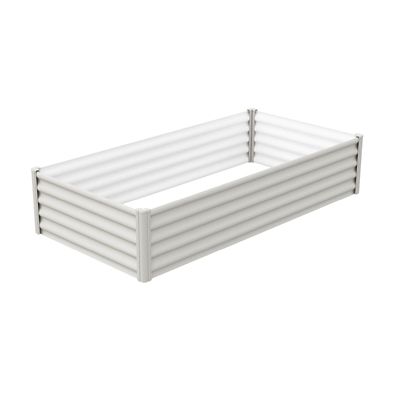
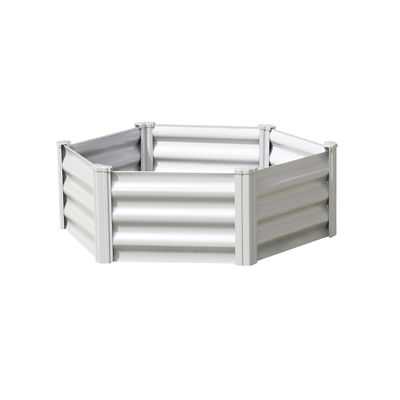
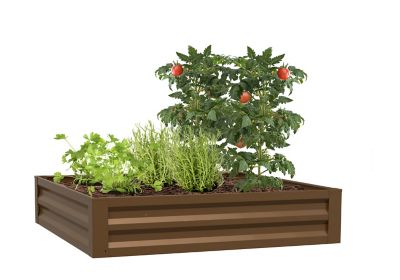
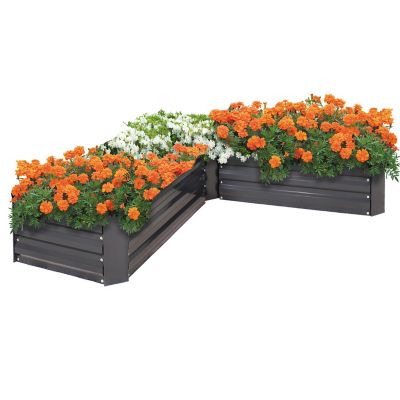
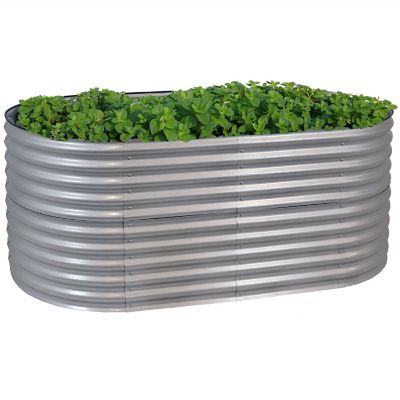
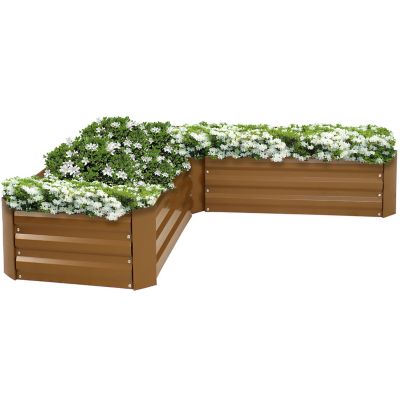
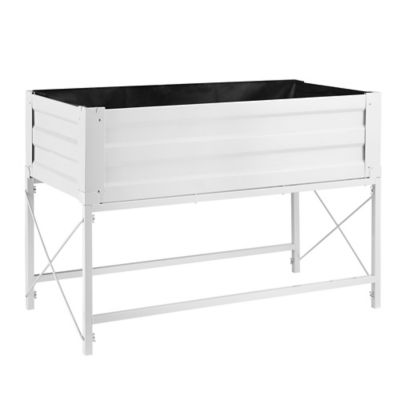
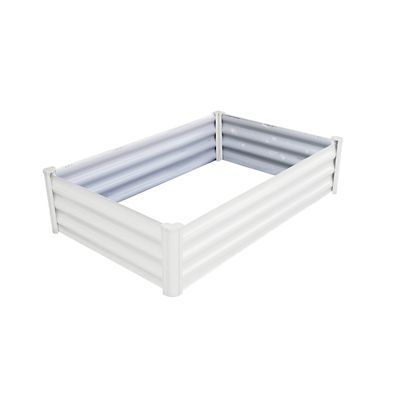
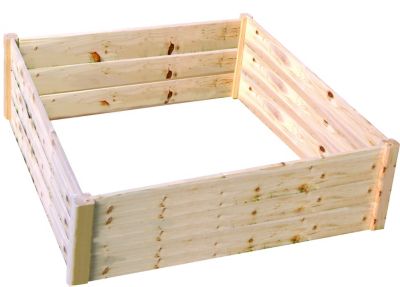
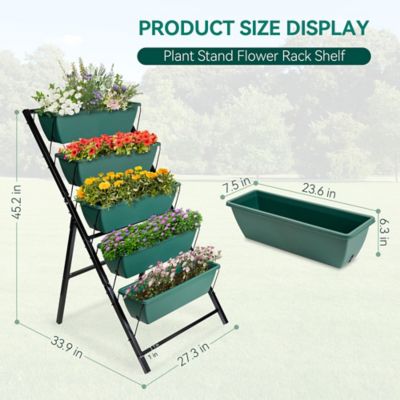
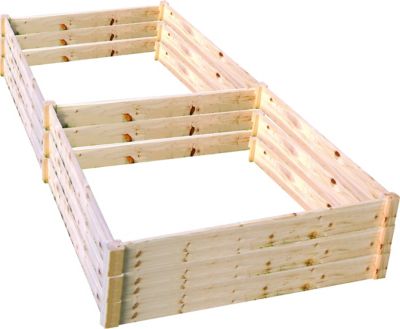
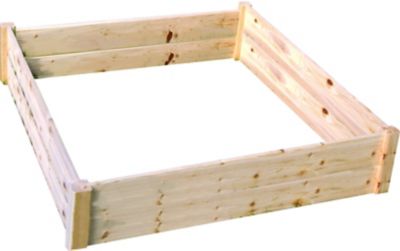
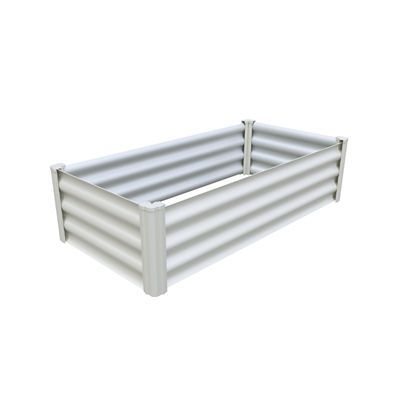
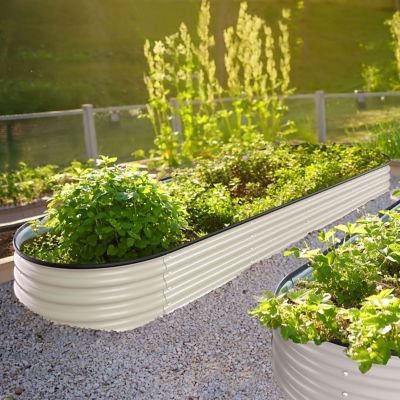
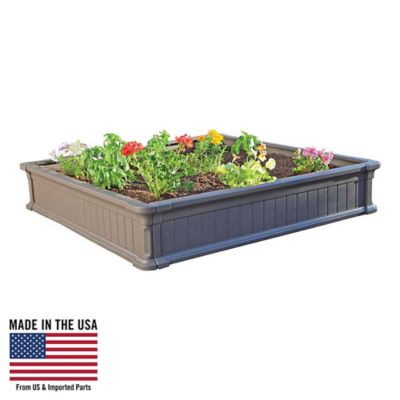
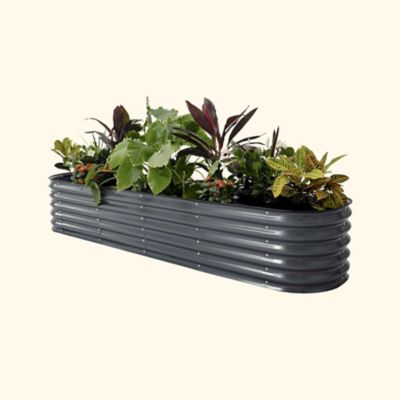
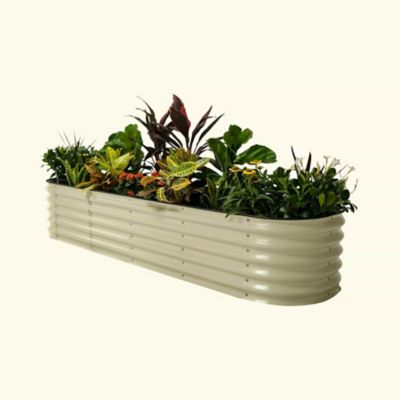
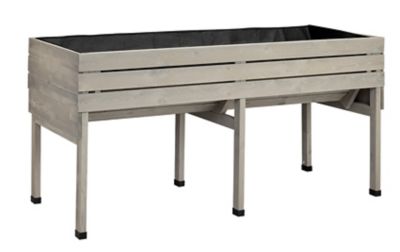
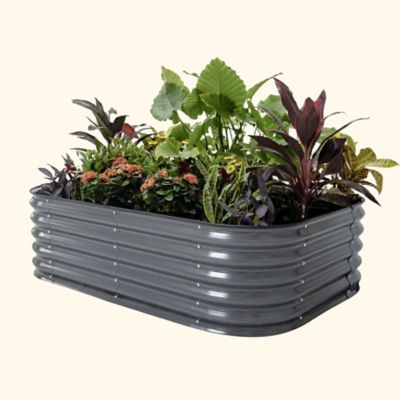
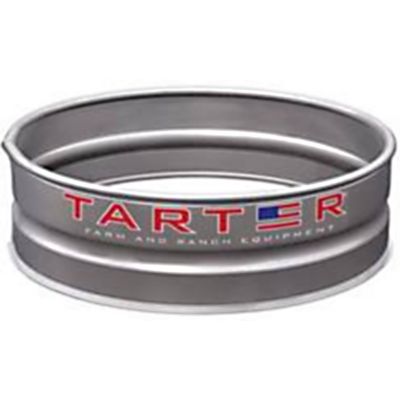
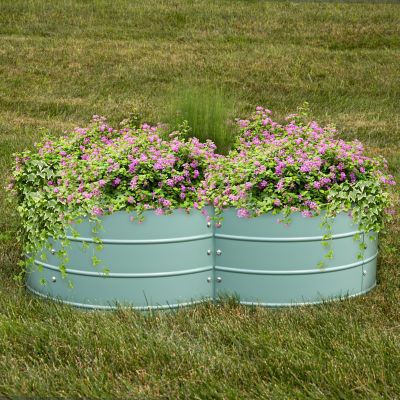
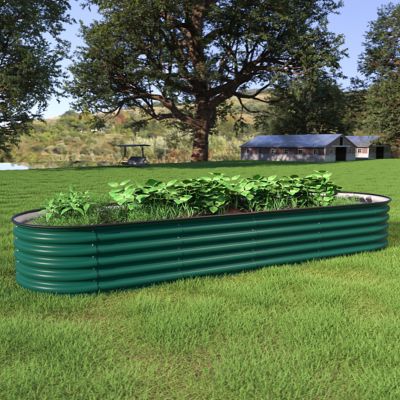
Metal raised garden beds give gardeners a sturdy, tidy way to grow vegetables, herbs, flowers, and even small fruits while making better use of the space around a home, barn, patio, greenhouse, or outbuilding. Their clean lines work just as well in a country garden as they do along a suburban fence, and the durable construction stands up to regular watering, shifting soil, and the everyday bumps that come with hauling mulch and tools around the yard. Raised beds can help define planting areas where the ground is rocky, compacted, sandy, or slow to drain, giving plants a more controlled growing environment from the start. They are also handy for gardeners who want to keep a closer eye on soil quality or make planting and weeding a little easier on the back and knees. As the weather cools, a metal raised bed can still serve a useful purpose by holding hardy greens, garlic, cover crops, or late-season flowers, and it can be prepared for the next growing season by clearing old plants, adding compost, and protecting the soil with a layer of mulch. When warmer weather returns, the defined growing space makes it simple to refresh the bed and get new rows planted without turning over the whole yard.
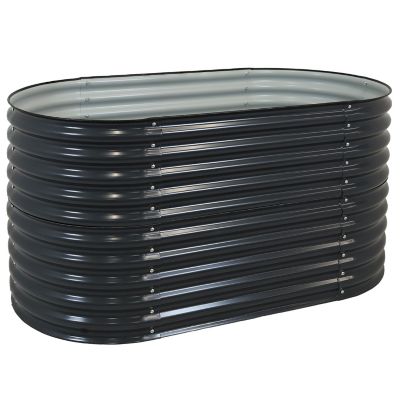
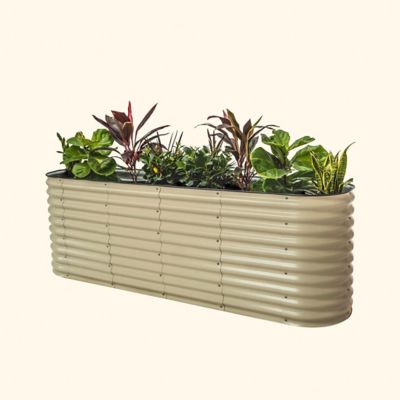
When choosing metal raised garden beds, start by thinking about the space available and the types of plants you hope to grow. A narrow bed can fit neatly beside a walkway or along a sunny wall, while a wider layout may be a better fit for a backyard garden or open patch near the shed. Measure the area before buying, and leave enough room around each bed for a wheelbarrow, garden hose, or comfortable walking path. Height matters, too. A lower bed works well for shallow-rooted herbs, lettuce, onions, and many flowers, while taller options provide more room for root crops and can make planting and harvesting easier. Gardeners growing carrots, potatoes, parsnips, or other crops that need extra soil may want to compare these options with
Deep Raised Garden Beds. Look for a sturdy metal construction with smooth, finished edges and hardware that feels secure during assembly. It is also wise to consider how the bed will handle the local climate, including wet conditions, strong sun, freezing temperatures, and seasonal changes in the soil. Most raised beds should be placed on level ground with good sunlight and drainage. If the bed sits over lawn, loosen the grass or cover it with cardboard before adding soil, and make sure water can move away from the planting area instead of pooling underneath. Metal may warm more quickly than in-ground soil when the sun is strong, so a layer of mulch and regular checks on moisture can help keep plant roots comfortable.
Filling a raised bed is easiest when the soil is planned around the plants rather than simply poured in and forgotten. A dependable garden soil blend, finished compost, and other organic matter can create a loose, fertile growing medium that holds moisture without becoming soggy. Avoid packing the soil down, since roots need air as well as water, and top off the bed when the soil settles over time. Taller beds may require a substantial amount of soil, so estimate the volume before bringing bags or a trailer load home. A simple layout can include tall crops on the north side, shorter plants toward the front, and herbs or flowers along the edges where they are easy to reach. Metal raised garden beds are useful for families teaching children where food comes from, new gardeners learning the basics, and experienced growers who appreciate a more organized planting setup. They can also make a thoughtful gift for someone settling into a new home, building a backyard garden, or looking for a practical project during the cooler months. Pairing a bed with garden soil, compost, seeds, hand tools, gloves, or plant markers can turn a useful gift into a ready-to-grow setup. With a little planning, these beds can bring color and fresh harvests to small spaces, improve the look of larger yards, and give gardeners a dependable place to work season after season.