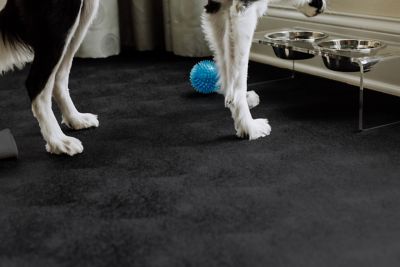
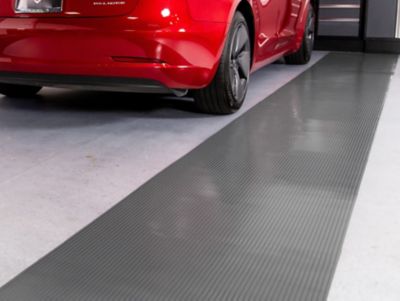
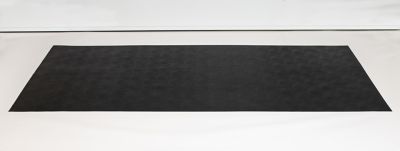
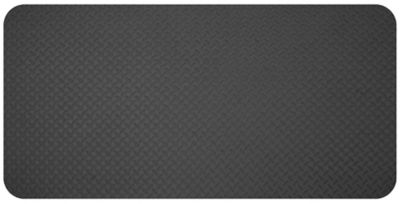
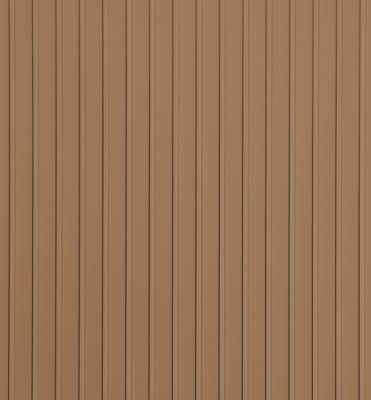
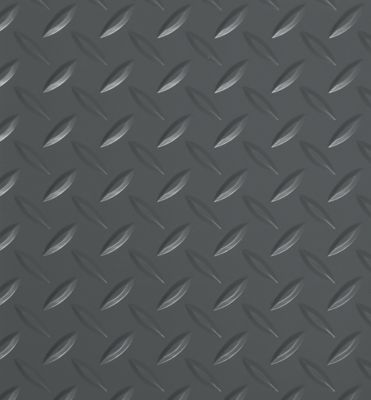
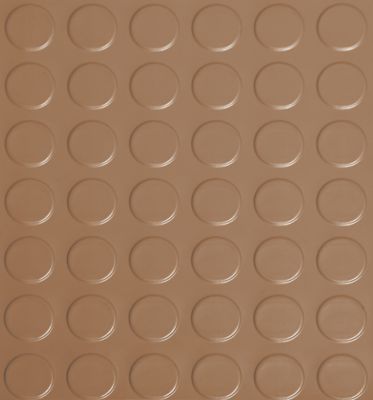
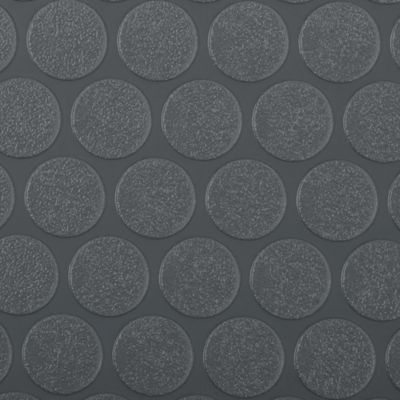
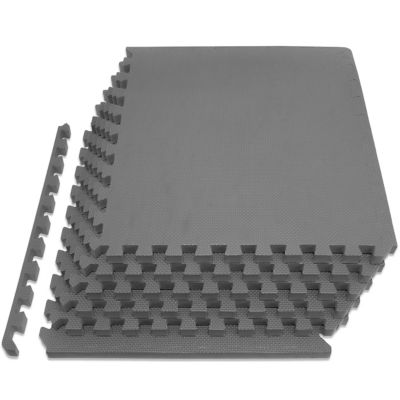
Vinyl floor protectors help keep everyday wear, wet boots, rolling chairs and dropped tools from taking a toll on the flooring underneath. Depending on the job, a protector may be a clear mat for a desk or workbench, a runner for a hallway or entryway, a thicker roll-out mat for a laundry room or workshop, or a liquid finish made for sealing compatible vinyl plank and tile. These options serve different purposes, so it helps to match the protector to the kind of traffic and mess your floor sees. A clear chair mat can make a big difference beneath an office chair, especially where wheels roll back and forth over the same patch of floor all day. A runner can guide foot traffic through a mudroom, kitchen or hallway, while a larger mat can give a laundry area, hobby space or garage entry extra defense against moisture, grit and heavy items. During the cooler months, people naturally track in damp soil, leaves, road salt and fine gravel, and those little bits can act like sandpaper under shoes or furniture. A properly sized floor protector creates a barrier between the mess and the vinyl, making cleanup easier and helping the floor maintain its original look. In a busy home, these mats are handy around pet bowls, boot storage, utility sinks and back doors. They can also be useful in barns, farm offices, garden sheds and other work areas where clean, smooth flooring needs to stand up to practical use. Browse
Vinyl Mats for options that can help cover high-traffic areas and make routine cleanup a little less of a chore.
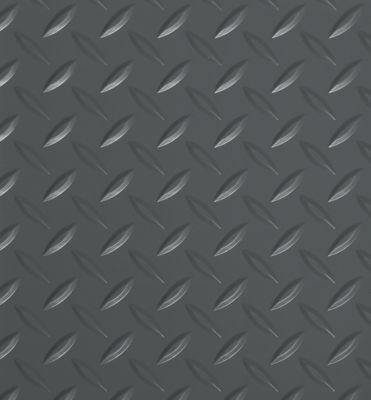
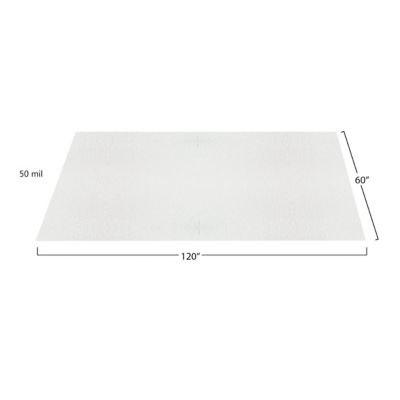
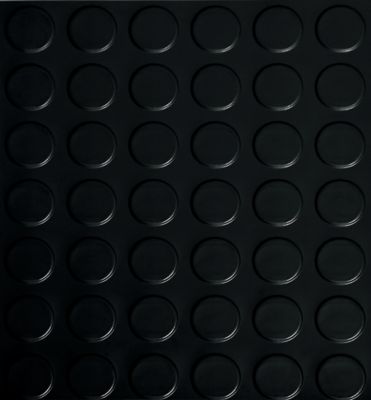
When choosing a vinyl floor protector, start with the location and measure the space carefully. A mat that is too small may leave the busiest part of the floor exposed, while one that is too large can catch on doors, cabinets or nearby furniture. For a desk, measure the area where the chair actually rolls, including the space used when standing up or reaching for files. In a hallway or entry, check the full width of the path and leave enough clearance for doors to open without rubbing. Look for a flat design with finished edges, a stable surface and enough thickness for the amount of traffic it will handle. A lightly textured top can add traction and help conceal everyday dust, while a clearer surface may be preferred when you want the flooring underneath to remain visible. In a workshop or utility space, thickness and impact resistance may matter more than appearance. Consider whether the protector needs to handle muddy boots, leaking containers, pet water, rolling equipment or occasional dropped tools. Smooth, non-staining PVC or another material labeled for hard floors is generally a safer choice than an unknown backing that may discolor the vinyl. Rubber and latex-backed items can sometimes leave marks or cause yellowing over time, particularly when moisture becomes trapped underneath, so check the care information and flooring compatibility before laying anything down. A non-slip feature can be useful, but the mat should still sit flat and stay in place without creating a tripping edge. Clear the floor, sweep away grit and wipe up spills before placement; even a few grains of sand trapped underneath can rub against the finish as people walk across the mat. It is also smart to lift portable protectors from time to time, clean both sides and let the floor dry fully before putting them back. That simple habit keeps moisture from lingering and gives you a chance to catch dirt or discoloration early.
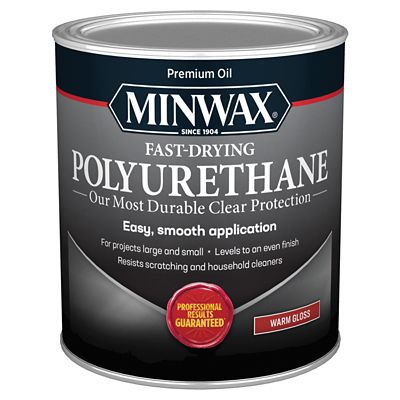
Some vinyl floor protectors are liquid coatings or finishes rather than mats. These products are intended to add a protective layer over compatible vinyl plank, tile or sheet flooring, helping improve resistance to scuffs, fine scratches and moisture while refreshing a worn-looking surface. They are a different solution from a chair mat or runner and require more preparation. Sweep and damp-mop first, remove any residue and allow the floor to dry completely. Follow the coating directions for coverage, application tools, drying time and ventilation, and test a small hidden area if the manufacturer recommends it. Applying thin, even coats is usually preferable to leaving puddles or heavy areas that may dry unevenly. Keep foot traffic, pets and furniture off the treated surface for the full cure time, since a finish that feels dry on top may still need time to harden underneath. A coating can be helpful in a well-used kitchen, mudroom, entryway or commercial-style work area, but it will not replace routine cleaning or fix loose seams, damaged planks or water problems below the surface. For portable mats, look for a size and shape that fits the task, and for coatings, confirm that the formula is made for the exact flooring material in your home. Vinyl floor protectors are practical for families, renters, pet owners, home-office workers, crafters and anyone managing a busy entryway. They can also make a thoughtful housewarming gift for someone settling into a new home, setting up a home office or finishing a workshop. Whether the goal is to save a favorite floor from chair wheels, protect an entry from wet boots or make cleanup easier around a utility area, the right protector offers a straightforward way to handle daily wear without changing how the space is used.