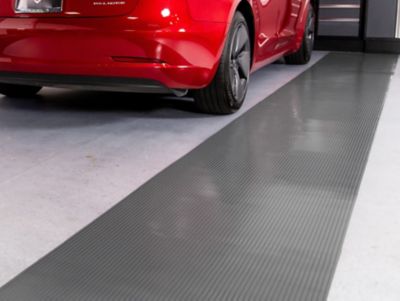
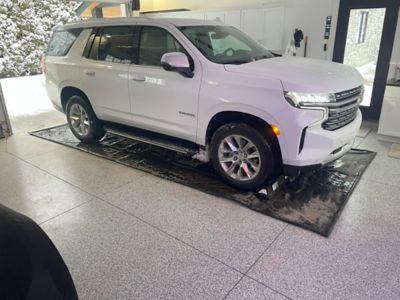
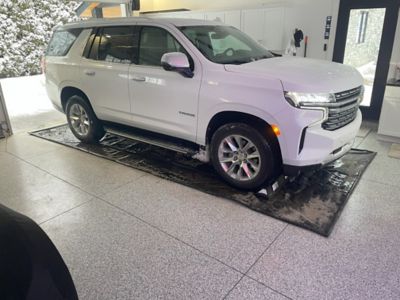
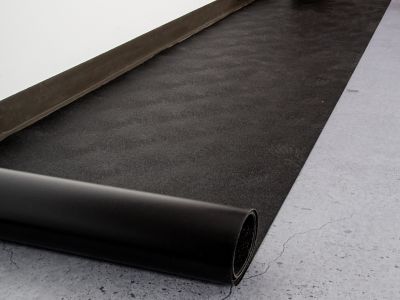
Vinyl garage floor mats give hard-working garages a layer of protection between the concrete and the mess that comes through the door. Mud on truck tires, grit from gravel drives, damp boots and the occasional drip can all leave their mark on a bare floor. A vinyl mat helps keep that everyday mess on a surface that’s easier to clean, whether it covers a single parking spot or a larger stretch of the garage. These mats generally feature a flexible polyvinyl chloride, or PVC, surface or backing, but construction varies, so it pays to distinguish solid vinyl flooring from fabric-topped mats with a vinyl barrier underneath. Solid vinyl puts a wipeable surface underfoot, while a fabric top can hold dirt and moisture within its fibers. For homeowners, folks with acreage and anyone whose garage doubles as a place to tackle chores, that distinction matters more than appearance alone. Picture a pickup coming in after a wet run down the lane: water drips from the wheel wells, muddy tread leaves tracks and a few bits of gravel scatter near the door. A properly sized garage floor mat can help separate that traffic from the concrete beneath it. During the cooler months, that same parking area may have to handle slush and road salt, making coverage and cleanup especially worth considering. Flat vinyl mats provide a barrier, but they aren’t automatically containment mats; raised edges or other containment features are what help hold runoff within a defined area. Vinyl also won’t repair cracked concrete or solve moisture coming up through a slab. Its role is to cover and help protect a suitable floor while giving the space a more finished, orderly look. That makes vinyl garage flooring a practical addition to attached garages, detached garages and work areas where the floor sees more than the family car.
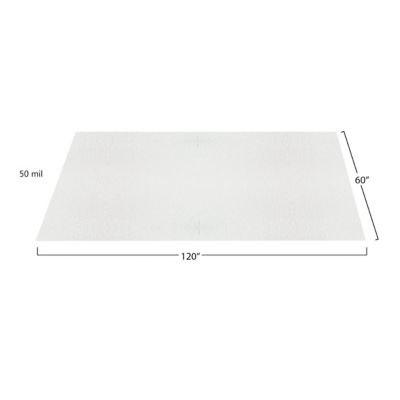
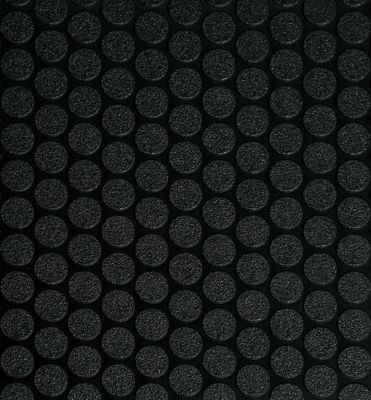
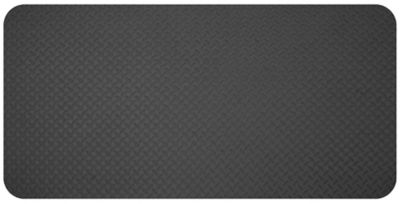
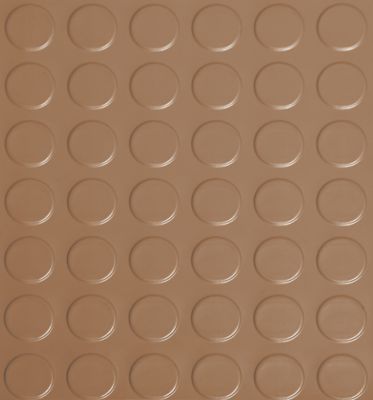
The best fit starts with how the garage earns its keep. A mat beneath a parked vehicle has a different job from one beside a workbench, and both need enough room to do that job without crowding doors, shelves or walkways. Listed dimensions should be compared with the full area you want to cover, not just the distance between the tires. Extra coverage around the vehicle can catch drips beyond the wheel tracks and give you somewhere to stand when unloading feed bags, groceries or muddy gear. Thickness is another useful comparison, though it tells only part of the story. Specifications may describe the base thickness, overall thickness or the height of a raised pattern, and those measurements aren’t interchangeable. Vehicle suitability, material construction and the manufacturer’s stated limits matter alongside the number on the label. A mat intended for foot traffic shouldn’t be assumed to handle a truck, rolling tool cabinet or concentrated equipment load. Surface texture deserves a close look, too. Ribbed, coin and diamond-pattern surfaces offer different footing and cleanup characteristics; grooves can collect grit or channel water, while a smoother surface may be easier to wipe. No texture makes a wet or oily floor slip-proof, so prompt cleanup still matters. Color is partly a matter of taste, but it also changes what you notice: darker tones may make pale salt residue stand out, while lighter tones can make small dropped parts easier to spot. For parking areas, check stated resistance to automotive fluids, road salt and tire contact rather than assuming every PVC garage mat handles the same exposure. Oil resistance doesn’t mean a surface can tolerate every solvent, fuel or cleaner. Anyone spending long stretches sorting hardware or working at a bench should also separate floor protection from standing comfort. A thin vinyl barrier isn’t the same thing as a cushioned standing mat, even when the surface feels less bare than concrete.
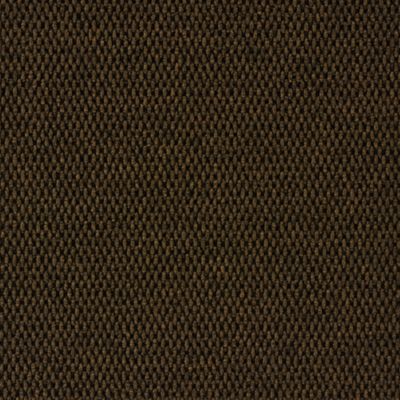
Roll-out vinyl garage floor mats appeal to people who want floor coverage without taking on a coating project, but installation requirements vary with the material and layout. Some mats are intended to lie loose on a clean, smooth surface; others call for approved tape, joining methods or edge treatments. Following those requirements helps avoid shifting, lifted corners and troublesome transitions where boots, tires or cart wheels cross the edge. A rolled mat may also need time to relax, especially after storage in cool conditions. Where trimming is permitted, the layout should account for shelving feet, door clearance and floor drains without blocking drainage or equipment access. In a garage that holds everything from a lawn tractor to a chest freezer, those small details can make the difference between useful coverage and a floor that’s awkward to work around. Day-to-day care is usually straightforward: remove loose grit, clean spills promptly and follow the maker’s directions for soap, water and any stronger cleaner. Gravel trapped beneath a tire or rolling wheel can grind against the surface, so sweeping has a purpose beyond keeping things neat. If washing or hosing is allowed, give both the mat and the floor underneath time to dry before putting everything back in place. Water can get beneath edges, and a covered floor still needs occasional attention. Shoppers weighing a wipeable vinyl surface against a softer, absorbent top can also compare
Garage Carpet Mats, keeping backing construction, drying needs and intended traffic in mind. For a household that parks inside every evening, easy cleanup and room around the vehicle may lead the decision. For someone who spends weekends tending equipment or organizing the shop, surface texture, edge clearance and compatibility with rolling storage may carry more weight. A floor mat can even make a practical gift for someone settling into a home with a garage, provided the space and intended use are known. The right choice fits the actual work of the space, helping keep the concrete underneath and the chores ahead a little easier to manage.