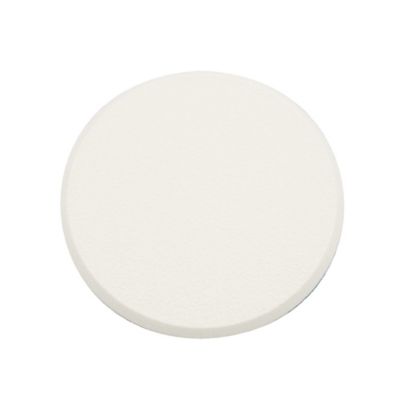
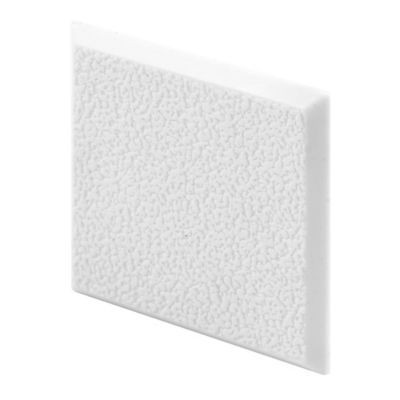
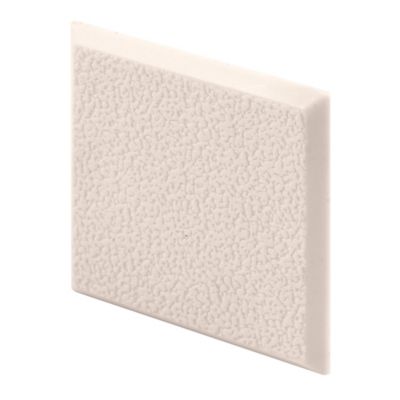
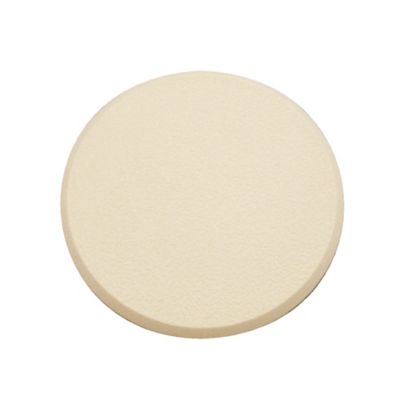
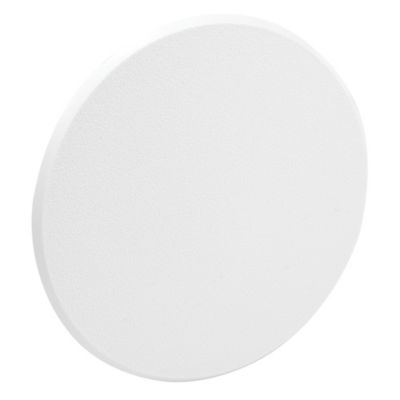
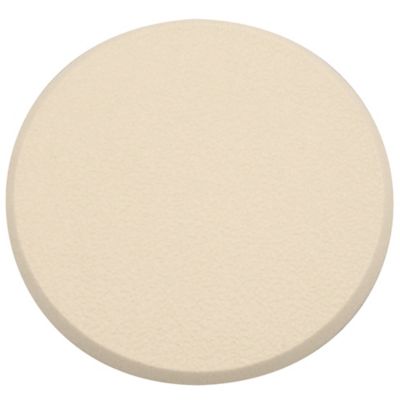
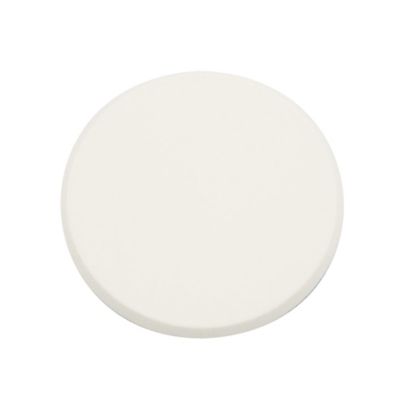
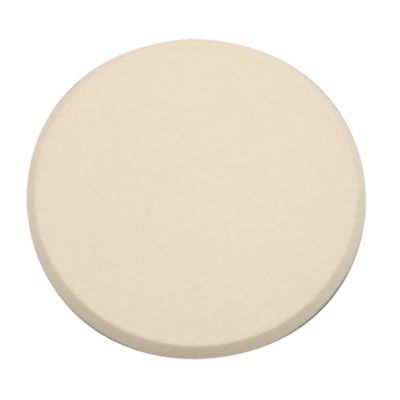
Self-adhesive wall protectors are peel-and-stick shields or pads that help prevent dents, scuffs and chipped paint where doors, furniture and other everyday objects bump an interior wall. They cover the spot that takes the hit without adding screw holes. A round shield behind a doorknob can keep the knob from leaving a crescent in the drywall, while a wider pad can cover the spot where the back of a kitchen chair rubs when someone gets up from the table. Material makes a difference in how the protector handles contact. A rigid vinyl or hard plastic shield spreads the force of a knob strike across a wider area instead of letting it land on one small spot. A softer silicone or rubber bumper compresses on contact, taking some of the sting out of the hit and quieting the clack of a door that bumps the wall. Firm shields tend to suit a door that swings to the same spot every time, while a cushioned pad can be a better fit where a lighter door taps the wall often. Neither type stops a door the way a doorstop does, so a shield is there to protect the contact point, not to limit how far the door swings. Some rigid vinyl faces are made to take paint, which helps the shield blend into the wall. Others have a smooth or lightly textured finish that can be left as is. Low-profile protectors sit close to the wall, which can be handy in a snug hallway, behind a laundry room door or alongside a workbench where there isn’t much room to spare. A thicker pad gives a little more cushion but also meets the door or chair sooner, a detail that matters if the door needs to open wide enough to carry a feed sack or laundry basket through.
Fit comes down to what actually hits the wall and how much room it has to move. A compact pad can cover the contact point of a round knob, but a lever handle may touch with its tip or along one edge. Centering the protector where the hardware lands, rather than where the handle looks like it lines up, helps keep the next strike off the bare wall. An old scuff can show where the door has been hitting, though it’s worth checking where the handle meets the wall with the door opened gently, especially if the hardware has changed. For a chair that shifts from side to side or a hamper that gets nudged into the wall, a wider patch gives that contact a little more room to wander. If a boot bench bumps the wall at two corners instead of across its whole back, two smaller contact areas may need protection rather than one strip down the middle. The condition of the wall matters as much as the size of the pad. Smooth, sound surfaces give the adhesive more to grip than rough plaster, peeling paint or bare, dusty drywall. On a painted wall, the finish should be fully cured, not just dry to the touch. Wiping away dust and oily smudges and letting the spot dry before the backing comes off helps the pad sit flat. Firm, even pressure across the face helps the adhesive make contact all the way to the edges. Adhesives differ by material and finish, so compatibility matters on wallpaper, textured paint, sealed wood and other surfaces that may not hold a pad the same way. Peel-and-stick backing also doesn’t guarantee clean removal, something worth keeping in mind in a rental or on a wall where the paint is already lifting.
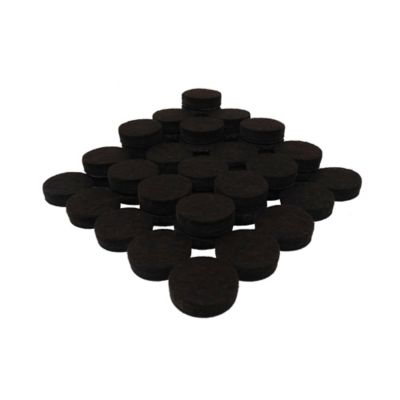
How long a self-adhesive wall protector holds up depends on the bond, the face material and the kind of knocks it takes. Behind a bedroom door that only brushes the wall now and then, the pad may see little more than a light tap. At the back entry, where the door swings open while hands are full, repeated hard hits can wear the face or loosen the edges sooner. A chair back that drags sideways can tug at the adhesive differently than a knob that meets the pad straight on. Edges that begin to curl, cracks in a firm shield or a soft pad that stays flattened are signs the protector may no longer cushion or cover the spot as intended. A soft cloth is generally enough to wipe dust and fingerprints off the face without catching the edges. If the pad can be damp-wiped, a lightly damp cloth is preferable to soaking the seam where it meets the wall. The same small patch of protection can make sense in a utility room where a rolling cart keeps brushing the wall or in a pet area where a crate shifts slightly when the latch is opened. In a pet space, placement matters so an exposed edge doesn’t become something to paw at or chew. Wall and floor protection can also go hand in hand: a chair back can mark painted drywall at the same time its feet leave tracks on the floor. For the surface underfoot,
Vinyl Floor Protectors cover a different contact point. The wall pad does its best work where the trouble is easy to pinpoint, like the same knob tap behind the pantry door or the rub mark that keeps coming back beside the mudroom bench.