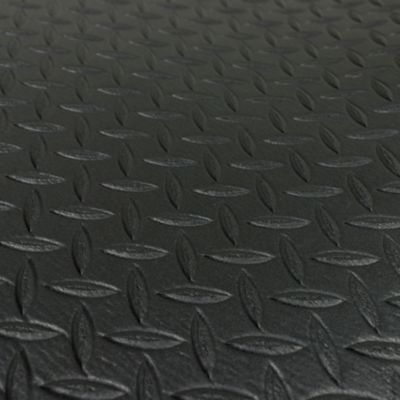
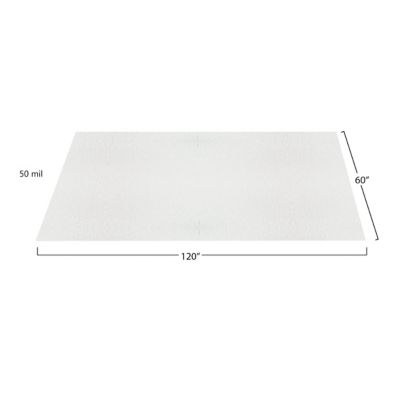
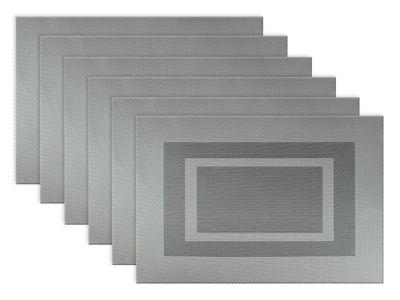
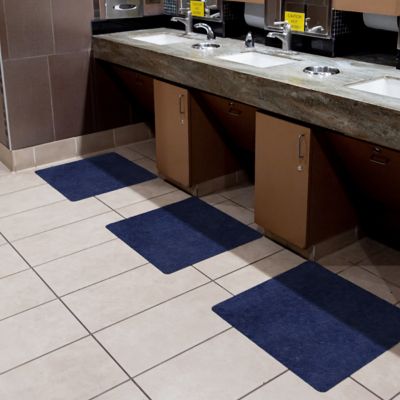
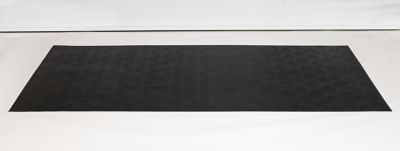
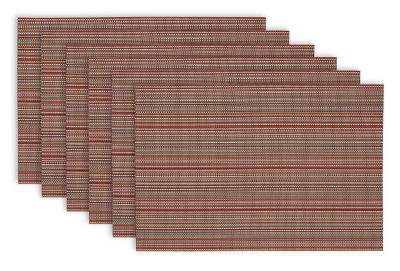
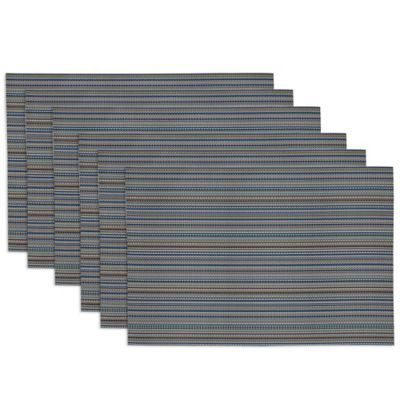
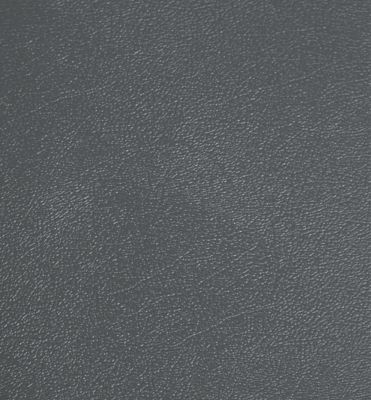
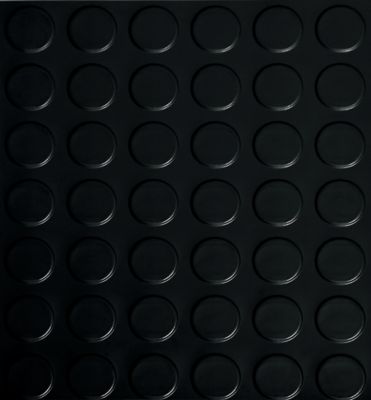
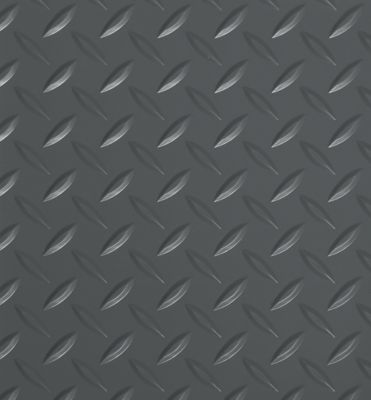
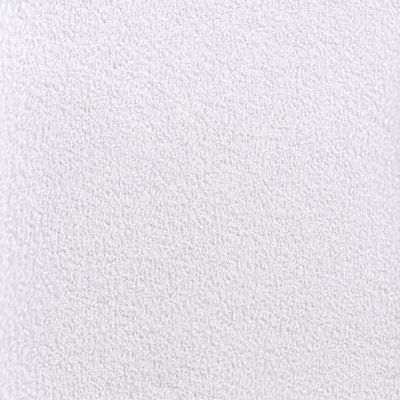
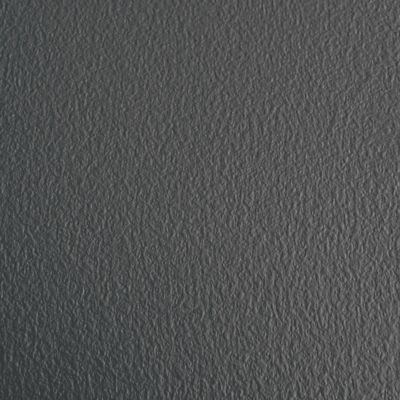
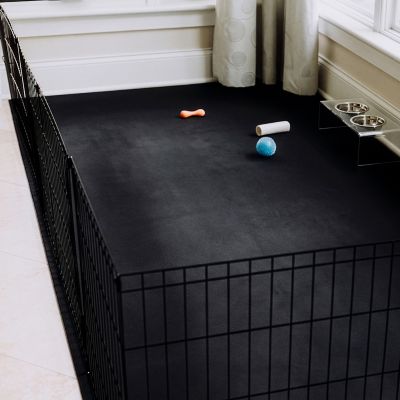
Vinyl mats give busy floors a practical layer between everyday messes and the surface underneath. They fit naturally into the places where chores and home life meet: the laundry room beside a utility sink, the kitchen counter where meals come together, or the entry where work boots get parked. Vinyl matting commonly features polyvinyl chloride, also called PVC, in the surface, backing, or both. Construction makes a difference in how a mat feels underfoot and how it handles traffic. A thin, flexible mat can provide a low-profile covering without much cushioning, while a thicker design with a foam layer may offer a softer place to stand. Some surfaces are smooth enough for a quick wipe, while others have ribs, woven textures, or raised patterns that help catch loose grit. Those details matter when feed dust, bits of grass, and tracked-in dirt are part of an ordinary day. A textured face may hold debris away from shoes, but deeper grooves also take more attention at cleanup time. Patterns and colors serve a practical purpose, too. Speckled finishes can make small crumbs less noticeable between cleanings, while solid colors create a simple look alongside cabinets, shelving, and workbenches. Clear vinyl can leave the floor beneath visible, though compatibility with that flooring still matters. Edge construction is another small detail with a big effect on everyday use. A gradual, beveled edge provides a smoother transition than an abrupt raised border, especially where people step on and off a mat throughout the day. For a household that moves from feeding animals to folding laundry to fixing supper, the right mat is one that suits the work happening in that particular spot. A place that sees constant walking calls for a different balance of thickness, texture, and flexibility than a place where someone stands at a counter for an hour.
Fit goes beyond finding a length and width that cover an open patch of floor. A vinyl runner in a narrow passage needs room around doorways and should not crowd the walking path. At a sink or workbench, a mat should cover the area where feet actually land, including the side-to-side movement that comes with washing dishes, sorting hardware, or tending a project. A mat that looks generous in an empty room can feel small once cabinet doors swing open and someone takes a step back. Door clearance deserves attention as well, since even a modest amount of thickness can interfere with a door that passes close to the floor. Low-profile construction often makes more sense near a threshold, while cushioning may be more useful at a standing station away from moving doors. Cushioned vinyl mats can make a firm floor feel less harsh underfoot, but softness alone does not determine comfort. A surface that compresses too easily may feel unsteady, and footwear, stance, and time spent standing all play a part. Backing matters just as much as the face. Some mats are intended to grip smooth indoor floors, while others need a separate backing or another manufacturer-approved arrangement. No mat should be assumed to stay put on every surface, particularly where water, fine dust, or loose grit can collect underneath. Floor compatibility also deserves a close look: certain backing materials can affect the finish or color of wood, resilient flooring, and other surfaces. The broader
Flooring Mats category includes options for different footing and floor-protection needs, and vinyl makes the most sense when its construction matches the location. In a garage or workshop, that means checking suitability for rolling loads, oils, and shop chemicals rather than treating any household mat as heavy-duty flooring. A mat beneath a standing workspace has a different job from flooring beneath a mower or a loaded tool chest. Keeping those jobs separate helps prevent torn edges, compressed cushioning, and wear that the material was never meant to handle.
Care is usually straightforward when it matches the mat’s construction. Many vinyl surfaces wipe clean with a damp cloth and mild soap, making them practical around small spills, muddy paw prints, and the everyday scatter near an entry. Loose grit is worth removing before wiping because hard particles can scrape the surface as shoes move across it. For a ribbed or woven face, a soft brush can reach places a flat cloth misses, provided that approach fits the care directions. A mat with a vinyl face and a foam or fabric backing may need different treatment from a solid vinyl mat, so hose rinsing and soaking are not safe assumptions. Letting both the mat and the floor dry before putting everything back helps keep dampness from lingering out of sight. Liquid resistance at the surface does not necessarily mean seams, edges, and backing can sit in water without trouble. Strong solvents, abrasive scrubbers, and cleaners that leave a slick film can also cause problems, whether by affecting the finish or changing the feel underfoot. Beyond cleaning, a quick look at the edges and backing can tell a lot about how a mat is holding up. Curling corners, cracks, tears, or a backing that no longer grips call for attention, especially in a walkway. Moving a mat occasionally also gives the floor underneath a chance to be cleaned and checked. For covered entries and other spaces outside the house, an exterior-use designation matters; a roof overhead does not automatically make an indoor mat suitable for that location. A well-matched vinyl mat should settle into the routine without making extra work, whether that routine centers on a farmhouse kitchen, a busy laundry room, or a bench where small repairs get done. Easy cleanup, sensible coverage, and a comfortable surface matter most when they fit the way that space gets walked through and worked in every day.