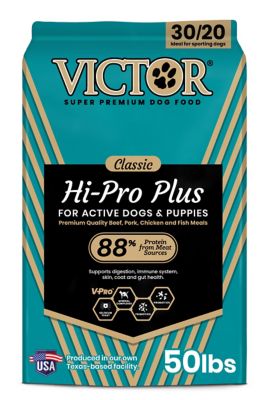
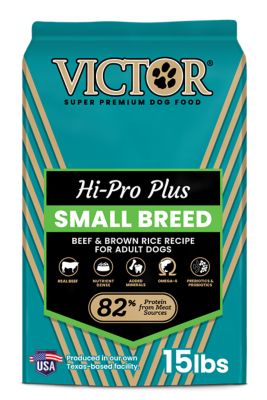
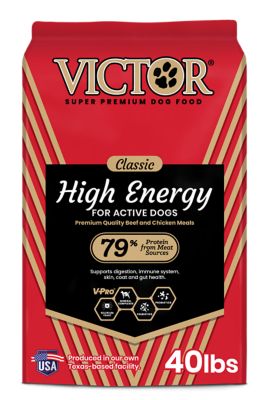
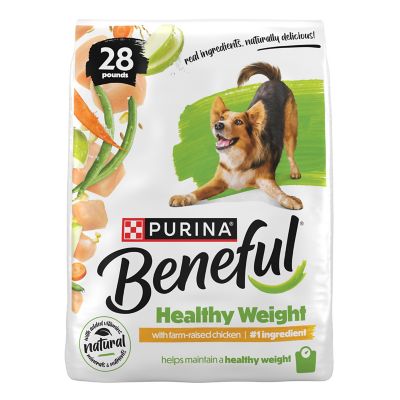
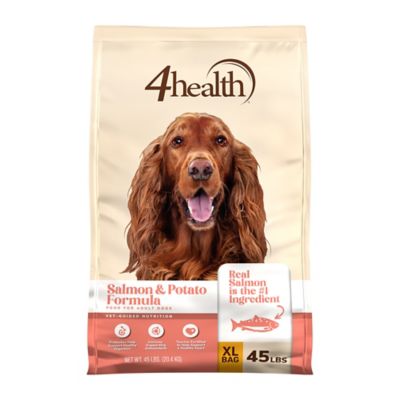
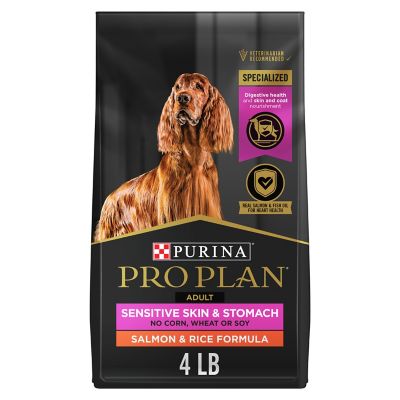
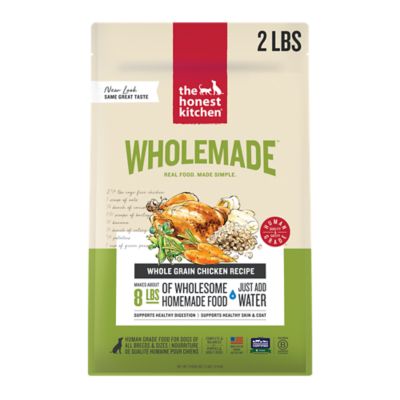
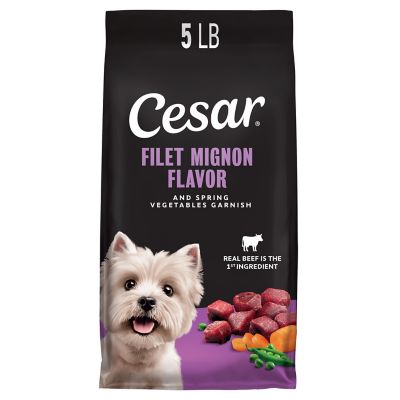
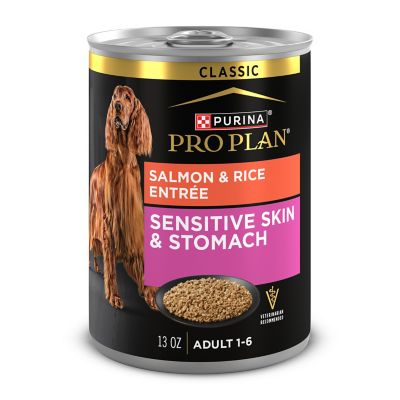
High-protein dry dog food can be a practical fit for dogs with plenty of work in their day, from checking fence lines alongside their people to training, running, and keeping up with an active household. These diets often pair concentrated animal protein with higher fat levels to provide energy in a manageable serving of kibble. Beef, chicken, pork, and fish meals are examples of animal-protein ingredients that may appear in multi-protein recipes. Protein supplies amino acids that support muscle maintenance and other normal body functions, while fat contributes energy and essential fatty acids. The full recipe matters more than any single ingredient, though, and a longer ingredient list does not automatically mean a better match for a particular dog. Guaranteed analysis figures, such as 30% minimum crude protein and 20% minimum crude fat, describe nutrient levels by weight; they do not tell the whole story about digestibility, calorie content, or feeding suitability. A formula listed at 3,815 kilocalories per kilogram still needs portion planning based on its own feeding directions and calories per cup, rather than the serving size of a previous food. That distinction matters when a dog finishes every bowl but starts carrying extra weight around the ribs. Grain-inclusive recipes can also fit an active dog's feeding routine. Grains contribute carbohydrates and other nutrients, and grain-inclusive does not necessarily mean a food contains wheat gluten. Any gluten-free claim should come from the package rather than an assumption about the recipe. For a dog that spends much of the day stretched out near the kitchen, a calorie-dense food may require smaller portions than the owner expects. For one that covers ground on long walks or works beside livestock, those concentrated calories may help meet greater energy needs. Activity, body condition, age, and health all belong in the decision, with feeding amounts adjusted to the dog rather than simply to the size of the bowl.
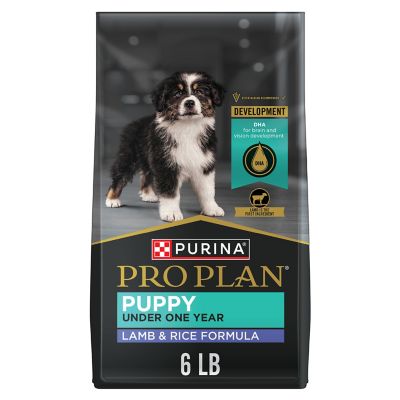
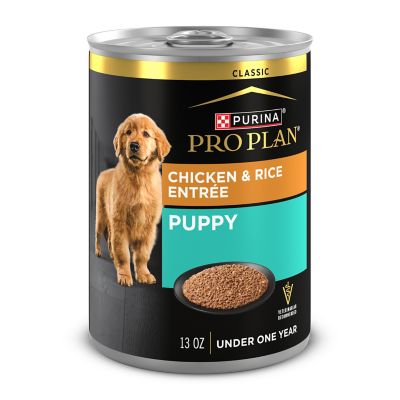
Life-stage suitability is another important part of choosing high-protein kibble, especially in homes with puppies, adult dogs, or breeding females. A nutritional adequacy statement on the package identifies whether a food is complete and balanced for a particular life stage and whether it meets the applicable Association of American Feed Control Officials, or AAFCO, nutrient profile. An all-life-stages statement can include an exception for the growth of large-size dogs expected to weigh 70 pounds or more as adults. That exception is worth reading closely: a food suited to an active adult dog is not automatically suited to a fast-growing large-breed puppy. Puppy nutrition involves more than a high protein percentage. Calorie intake and the balance of minerals, including calcium and phosphorus, help shape an appropriate growth diet. Steady growth and a lean body condition are better goals than pushing a young dog to gain weight quickly. Households comparing growth-stage diets can also browse
Pro Plan Puppy Food while checking the nutritional adequacy statement on each formula. Small mouths, chewing habits, and feeding schedules matter, too. Kibble that an adult dog handles easily may need a different serving approach for a young puppy, following package directions and veterinary advice. Pregnant or nursing dogs may have substantially different energy needs, so a food's life-stage statement and an individualized feeding plan carry more weight than a broad claim about performance. Older dogs also deserve an individual look rather than an automatic switch based on age alone. A healthy senior that stays busy may have different needs from one with reduced activity or a medical condition. Multi-protein recipes require extra attention when a dog has a suspected food sensitivity, since several animal ingredients can make it harder to identify a trigger. Persistent itching, recurring ear trouble, vomiting, or loose stools call for a veterinary conversation rather than repeated food changes. Ingredients intended to support digestion or skin and coat health can be part of a balanced recipe, but they do not replace care for an ongoing problem.
Everyday feeding habits help turn a suitable dry food into a consistent routine. Package feeding charts offer a starting point, not a fixed portion for every dog of the same weight. A dog that tags along for chores, takes long walks, and stays lean may need a different amount from a similar-size companion with a quieter day. Measuring each meal with a level scoop—or weighing portions on a kitchen scale—makes those adjustments easier to track. Treats, training rewards, and table scraps also add calories, even when each handful seems small. Body condition offers a useful check between weigh-ins: ribs should generally be easy to feel beneath a light covering of fat, with a visible waist when viewed from above. A veterinarian can help assess dogs whose build or thick coat makes that harder to judge. When changing diets, a gradual transition over about seven to ten days often gives the digestive system time to adjust; dogs with sensitive stomachs may need a slower plan. Mixing increasing amounts of the new food with decreasing amounts of the previous food is usually gentler than an abrupt switch. Keep clean drinking water within easy reach, particularly for dogs eating dry kibble or spending much of their day on the move. Storage deserves the same attention as portion size. Keep food in its original bag, with the opening closed tightly, and place the bag inside a clean, lidded container if extra protection is needed. The original packaging keeps feeding information, lot details, and the best-by date close at hand. A dry spot away from direct sunlight, moisture, and household chemicals helps protect the food between meals. Wash and thoroughly dry storage containers before adding another bag, and clean food bowls regularly so leftover crumbs and oils do not build up. With portions, storage, and life-stage needs in hand, high-protein dry dog food can fit into a straightforward routine that supports the dog's daily activity without making mealtime complicated.