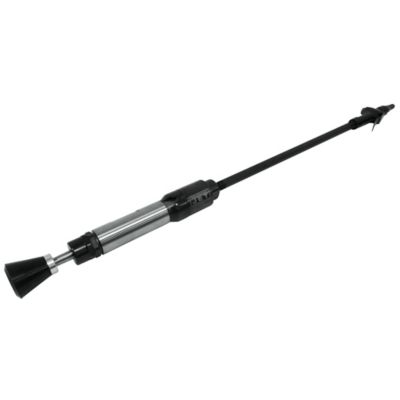
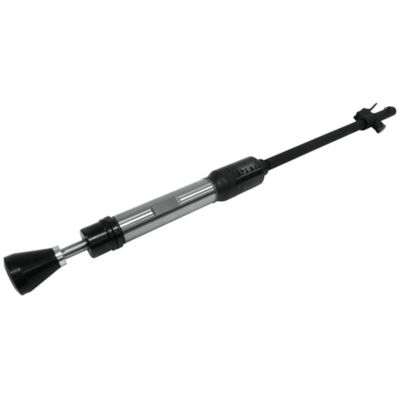
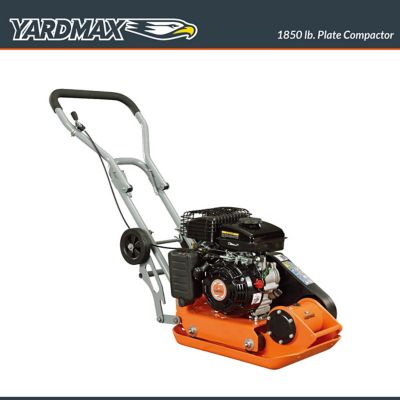
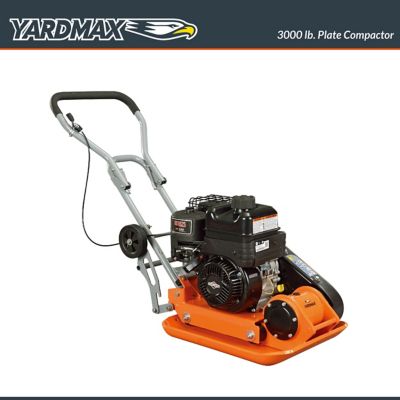
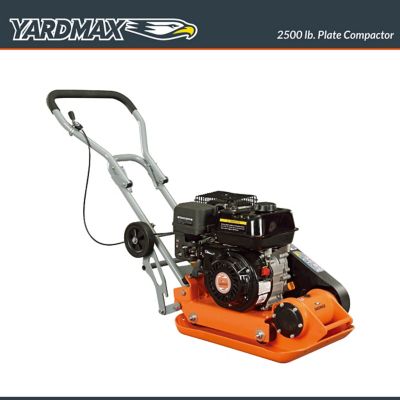
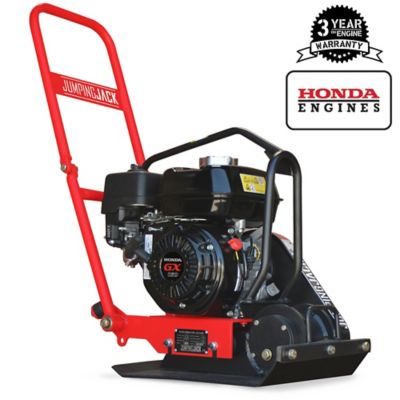
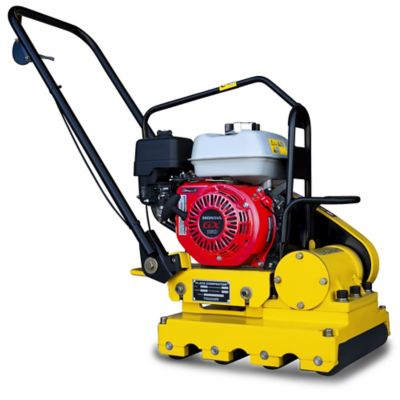
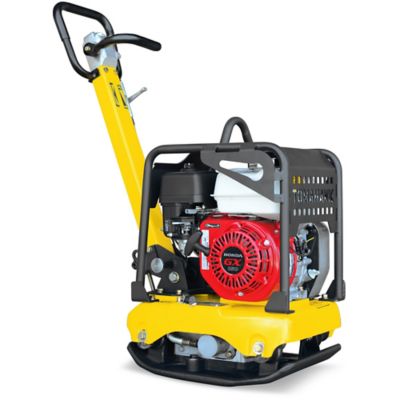
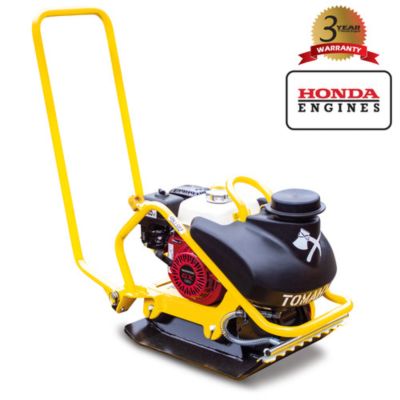
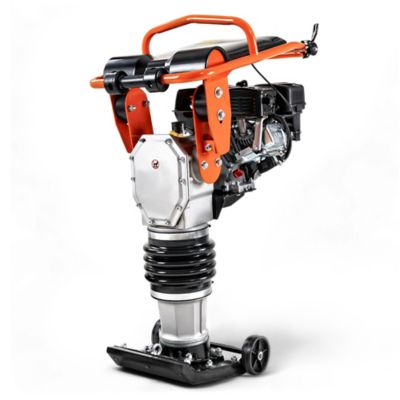
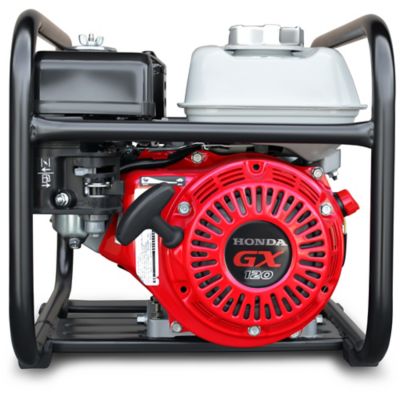
Gas-powered tampers pack loose ground into a firmer base for driveways, walkways, building pads and other outdoor projects where settling can cause trouble later. These machines apply repeated impact or vibration to reduce air spaces between soil or aggregate particles, helping the material fit together more tightly. Around a farm, acreage or jobsite, that can mean preparing crushed stone beneath a shed floor, firming up a gravel approach or compacting backfill alongside a new utility line. The two main types are tamping rammers, often called jumping jacks, and vibratory plate compactors. A rammer delivers a strong, up-and-down pounding action through a relatively small foot, making it a good match for confined work areas and certain cohesive soils, including clay-containing mixes. A plate compactor transfers rapid vibration through a broad, flat base and generally suits granular materials such as sand, gravel and crushed stone. Its wider footprint makes sense for open stretches where steady coverage matters more than squeezing into a narrow space. Some plate compactors also handle asphalt work or paver installation when their design and attachments support those applications. Neither style is a catchall for every patch of ground: soil composition, moisture, layer thickness and the finished surface all affect the results. Gravel beneath a tractor shed calls for a different approach than clay-rich backfill beside a footing, even if the projects cover about the same area. Gas power lets these machines work outdoors away from electrical outlets, which is handy at a distant gate entrance or along a lane where running a cord would be a chore. For property owners, landscapers, fencing crews and small contractors, the appeal is straightforward: powered compaction takes on repetitive packing work that would be slow and tiring with a manual tamper. A well-matched machine helps build a base that better resists rutting and uneven settling, though drainage and proper site preparation still matter just as much as the equipment doing the packing.
The fit between a gas-powered tamper and the job involves more than engine size. Plate width, rammer foot dimensions, operating weight, vibration frequency and rated compaction force all help describe how a machine works. A broad plate covers more ground with each pass, while a smaller footprint offers better access around edges and within appropriately protected excavations. More weight or a higher force rating does not automatically make a machine the better choice, especially near buried utilities, structures or surfaces that need a gentler touch. Rammer impact ratings and plate-compactor centrifugal force ratings also describe different actions, so the numbers alone do not tell the whole story. Engine output helps power the compaction mechanism, but it does not establish how deeply a particular soil layer will compact. Manufacturer specifications for material type and lift thickness—the depth of each loose layer before packing—are more useful than assuming one pass can firm up a deep pile of fill. Forward-only plate compactors suit straightforward runs across open ground; reversible designs can move in either direction, helping with repeated passes and maneuvering where turning takes extra effort. Working speed and handle layout influence how manageable the equipment feels over a long stretch of gravel. Vibration-isolating handles can reduce some vibration reaching the operator, although breaks and the operating limits in the manual still matter. Steel and cast-iron plates appear across this equipment category, with plate shape, wear resistance and the design of exposed edges affecting performance and upkeep. On rammers, the foot, protective bellows and surrounding hardware deserve attention because they face repeated pounding and contact with grit. For asphalt applications, a compatible water system helps keep hot material from sticking to the plate. For concrete pavers, an approved protective mat can help limit scuffing where the paver manufacturer permits mechanical compaction. Shoppers comparing equipment for these different jobs can also look through
Top Rated Tampers, keeping the intended material and workspace at the center of the decision rather than judging by power alone.
Day-to-day handling and care are worth considering before a gas-powered tamper ever reaches the work area. These are heavy machines, and a gravel driveway, trailer ramp or soft yard can make moving them a job of its own. Transport wheels can ease movement over suitable firm surfaces, while designated lifting points and properly rated loading equipment matter when getting a machine onto a truck or trailer. A folding handle may reduce storage space, but it does not replace secure tie-downs or the lifting procedure specified in the manual. Engine layout also affects routine upkeep: accessible oil checks, air filters and service points make it easier to stay on top of maintenance after a dusty afternoon. Many gas-powered compactors have four-stroke engines, though fuel and lubrication requirements vary, particularly among rammers, so the engine instructions should settle what goes into each tank or reservoir. Dusty soil can load an air filter quickly, and packed mud or stone buildup around the working base can interfere with operation. Regular cleaning, checks for loose fasteners and inspection of belts, guards, mounts and wear parts help support a longer service life. During cooler months, firm ground can hide frozen pockets or overly wet soil underneath; compaction equipment cannot turn unsuitable fill into a sound foundation simply by making more passes. Standing water, pumping soil and persistent soft spots point to material or drainage problems that need attention before the surface goes down. Safe operation belongs in the same conversation as performance. Gas engines belong outdoors, away from doors, windows and other places where exhaust can collect, and excavations require particular caution because fumes can accumulate. Hearing protection, eye protection, sturdy work boots and keeping bystanders clear are practical parts of the workday. For a homeowner rebuilding a stone path or a crew preparing a larger gravel pad, a machine that suits the ground, can be transported safely and is straightforward to maintain is a better fit than one chosen for its size alone.