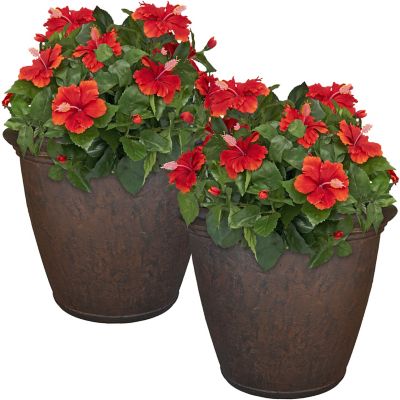
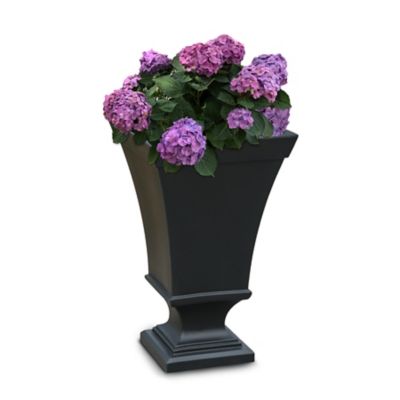
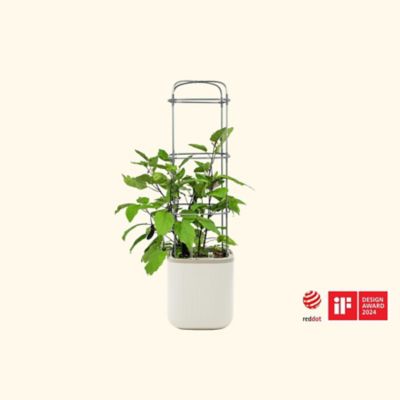
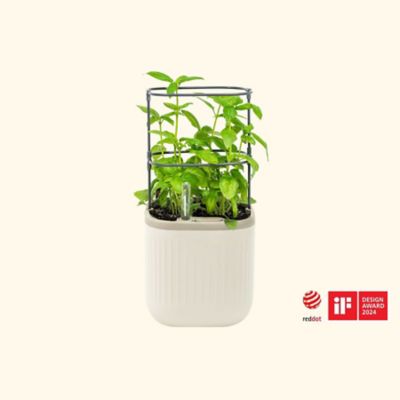
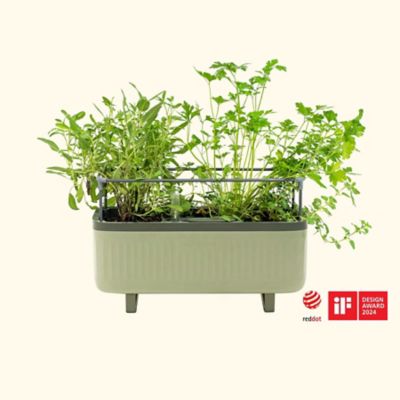
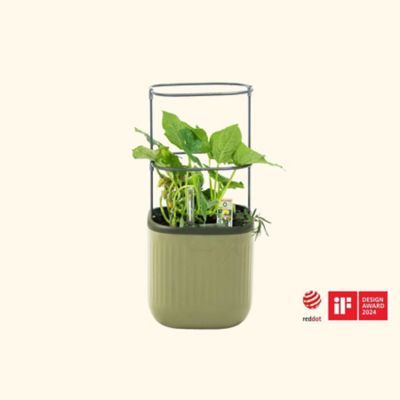
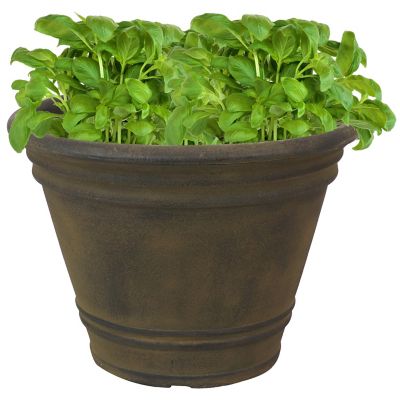
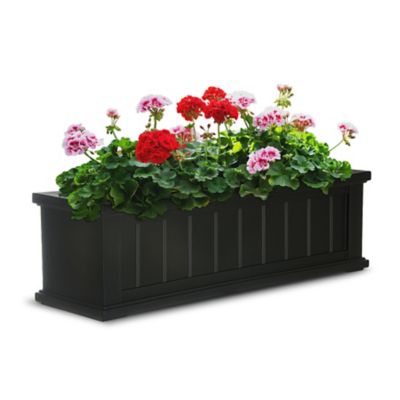
Outdoor flower planters give flowering plants a contained growing space on porches, patios, steps, and garden paths, bringing blooms to places where an in-ground bed may not fit. They range from small pots for a single flowering plant to wide bowls, long boxes, hanging baskets, and tall containers that frame an entryway. The right fit comes down to root space, drainage, placement, and how much tending the planting will need. A planter should have enough depth for the flowers’ roots and enough width for their mature spread, rather than just room for the nursery pots they come in. Several compact flowers can share a broad container, while a vigorous grower may need a pot of its own. More soil generally holds moisture longer than a small amount, though watering needs still depend on the plants, pot material, and location. Drainage holes let extra water escape instead of collecting around the roots, and a potting mix made for containers helps maintain a workable balance of moisture and air. Gravel at the bottom does not replace drainage holes and takes up space that roots could occupy. For containers without openings, a removable nursery pot inside can make watering and emptying excess water easier. Flower planter shapes also affect how an arrangement looks and grows. A shallow bowl suits plants with shallower root systems, a window box spreads color along a railing or ledge, and a deep planter gives larger root systems more room. Upright flowers bring height, rounded plants fill the middle, and trailing varieties soften the rim. Those different growth habits can create a full arrangement without crowding every inch at planting time. Flowers sharing one container should have similar light and moisture needs, so one plant is not struggling while another thrives. A roomy opening also makes it easier to reach the soil for watering and remove spent blooms without disturbing nearby stems.
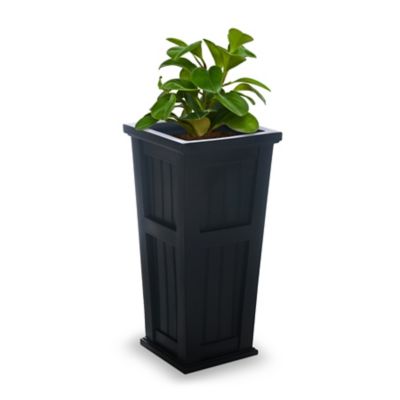
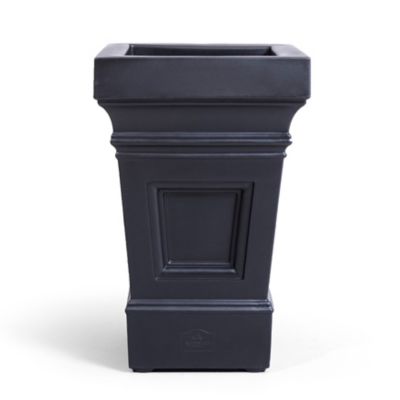
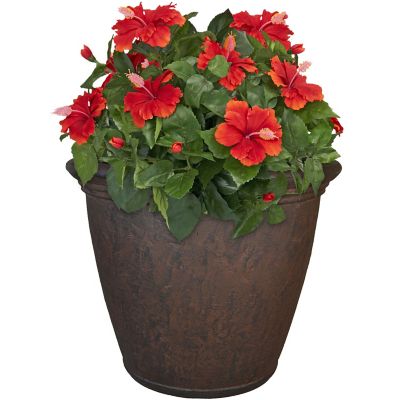
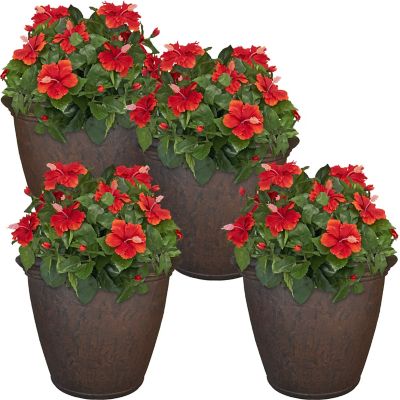
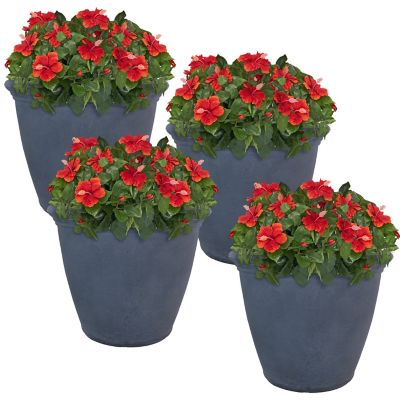
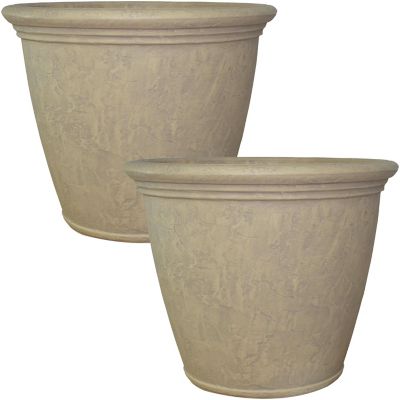
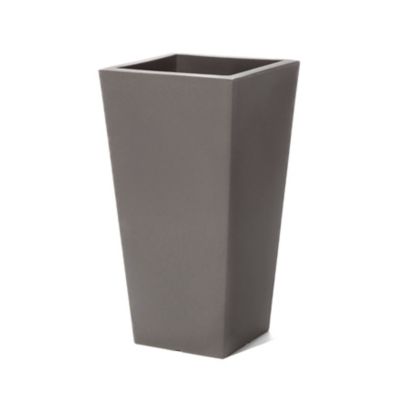
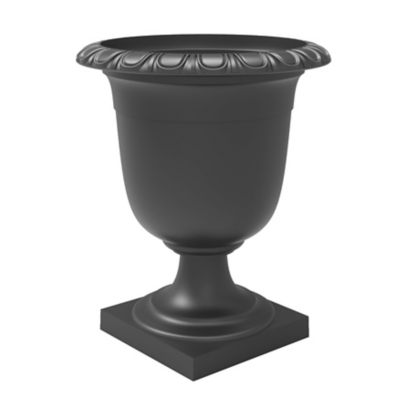
Material makes a difference in both the look of outdoor flower planters and the work of moving and maintaining them. Plastic and resin containers are generally lighter than stone or concrete, making them practical for a porch corner, an elevated deck, or a spot that needs occasional rearranging. Wall thickness, construction, and the maker’s outdoor-use rating matter more than appearance alone; two pots with a similar finish can handle outdoor placement differently. For arrangements that call for plenty of growing room without the empty weight of masonry,
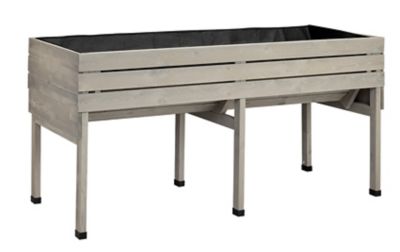
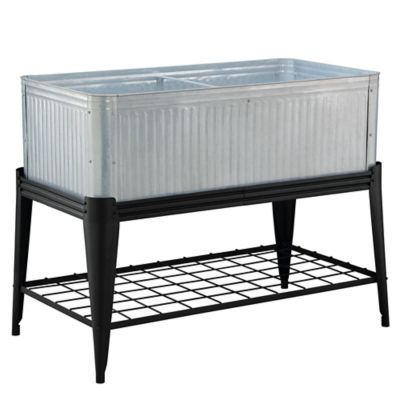
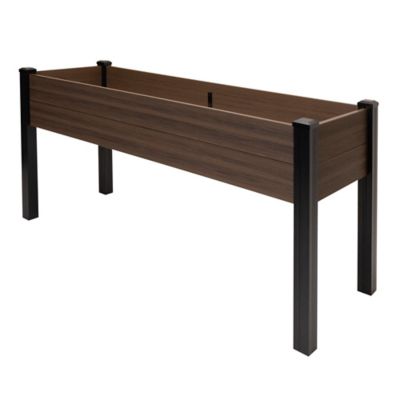
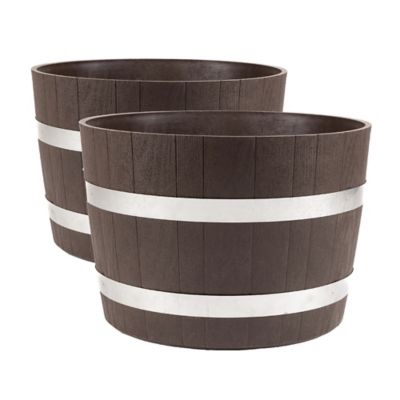
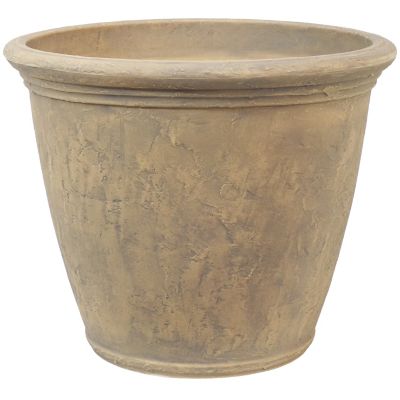
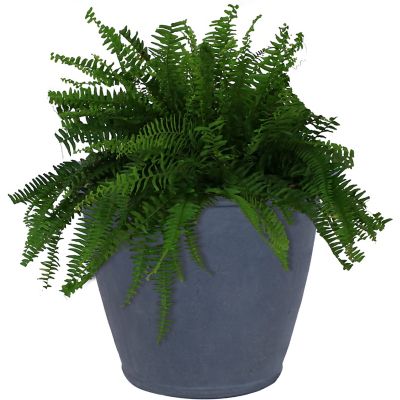
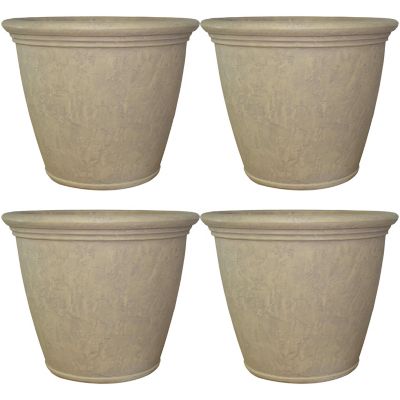
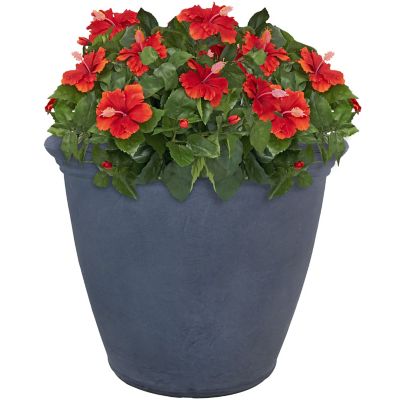
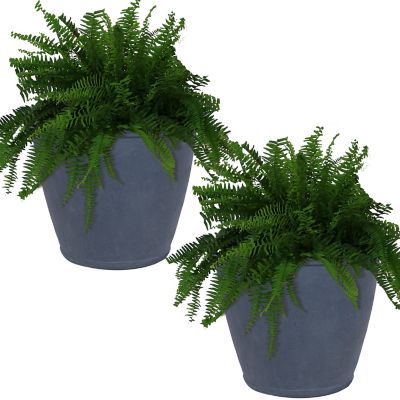
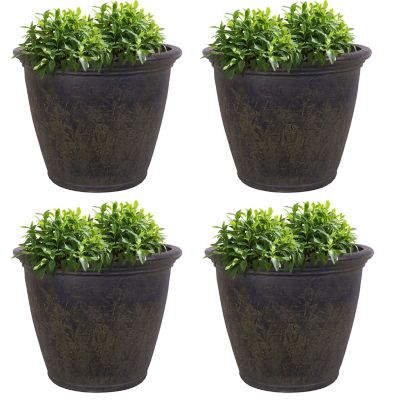
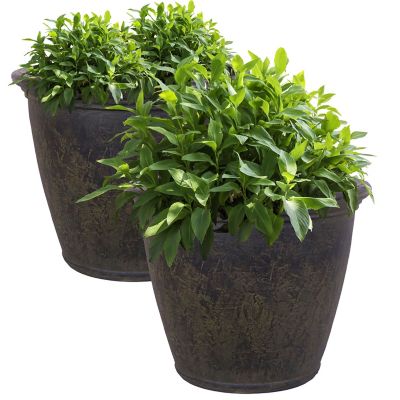
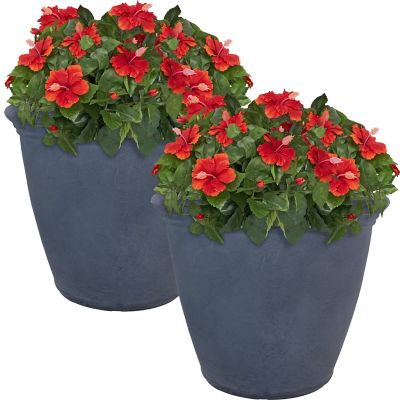
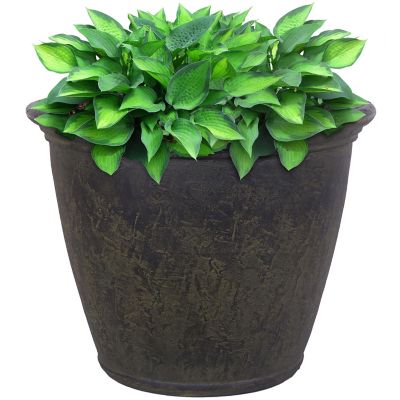
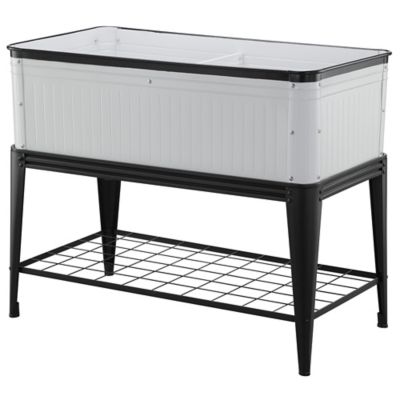
large plastic outdoor planters can be a practical choice. A filled container will still be heavy, especially after watering, so its final location deserves consideration before planting. Fiberglass containers can also offer substantial shapes with less weight than solid concrete, although care instructions and resistance to impacts vary. Wood brings a straightforward, rustic look that fits beside a farmhouse door, along a gravel walk, or near a garden gate. Cedar is a common choice for its natural resistance to decay, but wood still needs drainage and attention to joints, fasteners, and surfaces that stay damp. A liner can help separate soil from the planter walls when the design allows water to drain freely. Terracotta has an earthy color and porous walls that allow moisture to evaporate, so plants in clay pots may need closer attention to watering than the same plants in less porous containers. Glazed ceramic offers a smoother surface and a range of colors, but the container should be intended for outdoor placement. Concrete and stone bring weight and a grounded appearance to larger entries and open sitting areas, with a firm, level base important for both stability and support. Metal planters can suit anything from a simple country porch to a clean-lined patio; the finish, drainage design, and any inner liner influence upkeep. Across materials, clear care directions help establish whether a container is suited to its intended spot and how to protect its finish over time.
Size and placement help outdoor flower planters feel like part of the property rather than something set in the way. A broad pot beside a roomy porch post can balance the scale of the entry, while a narrow rectangular planter can bring flowers along a small patio without taking over the walking space. Matching containers create a tidy pair at a doorway, and a group of different heights can give a bare corner more depth. Repeating a color or material keeps that grouping connected, even when the shapes differ. Around steps and paths, enough clearance for carrying groceries, moving a wheelbarrow, or walking a dog matters more than squeezing in another pot. Tall, narrow containers need a stable base, and hanging or railing planters need hardware rated for the combined weight of the container, wet potting mix, and mature plants. Decks, balconies, and raised surfaces also have load limits worth checking before adding large, heavy plantings. Saucers can help manage runoff, but standing water should be emptied, and feet or risers may help keep moisture from lingering against the surface underneath. Everyday care is simpler when the soil is easy to reach and a watering can or hose can get close without dragging across the flowers. Feeling the potting mix below the surface gives a better sense of moisture than judging by the top layer alone. Containers benefit from occasional cleaning, open drainage holes, and a check for cracks, loose fittings, or rough edges before another planting. Removable inserts can make that work easier, especially in tall containers that would otherwise be awkward to empty. For gardeners with limited planting beds, renters with a porch, or anyone who likes blooms close to a favorite chair, flower planters offer a manageable growing space with plenty of room for personal taste. They also make thoughtful housewarming gifts when the size, weight, and care needs fit the recipient’s home and gardening routine.