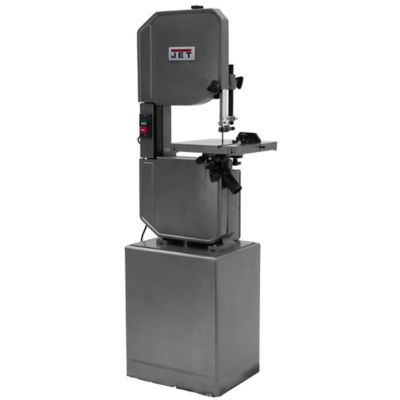
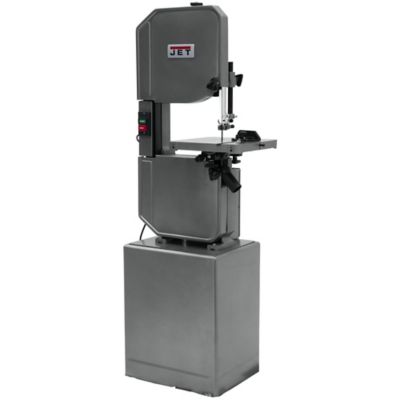
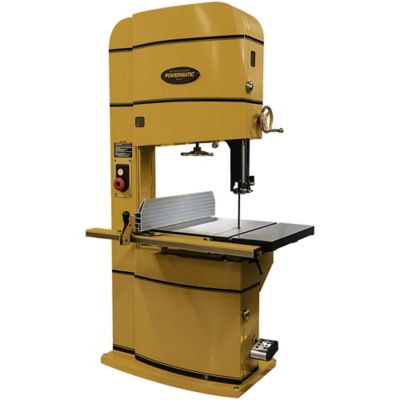
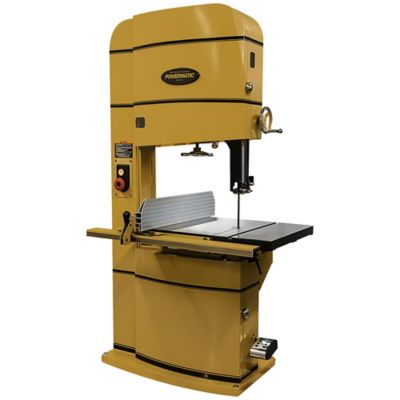
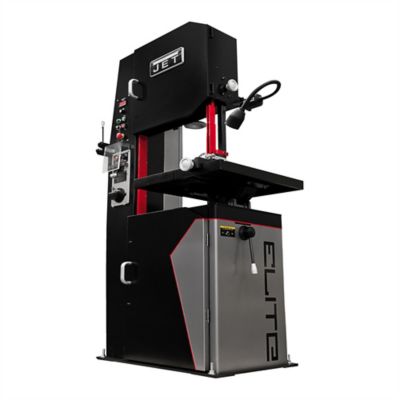
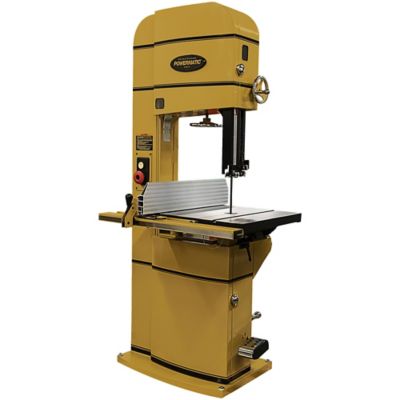
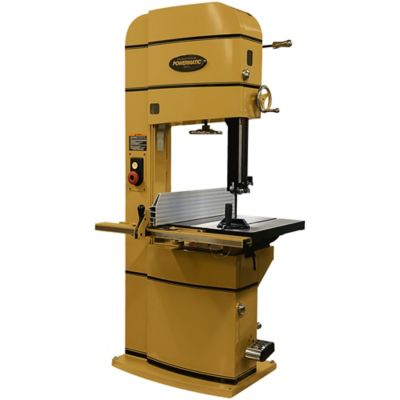
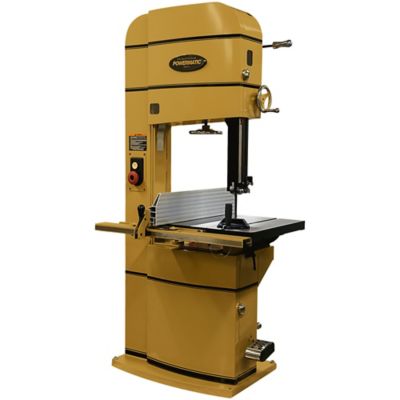
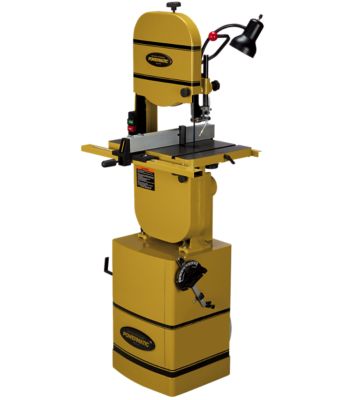
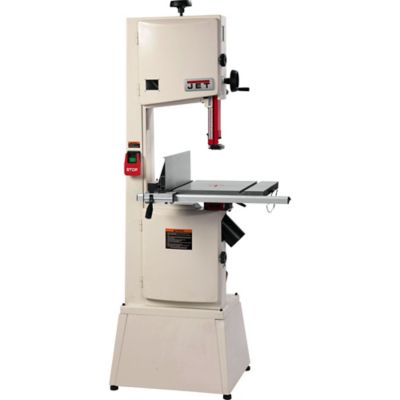
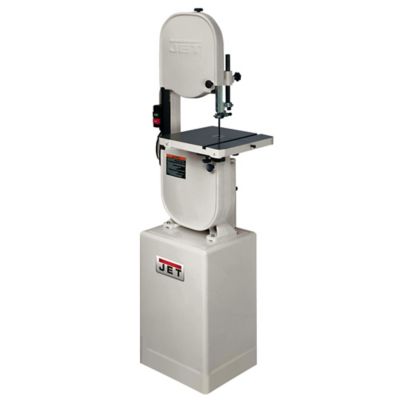
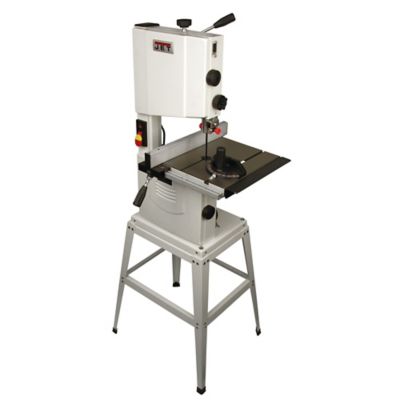
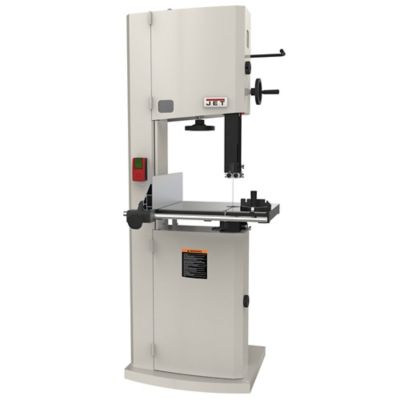
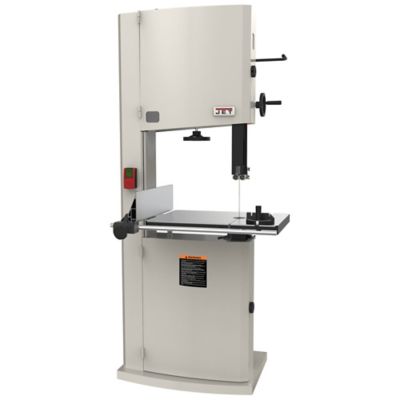
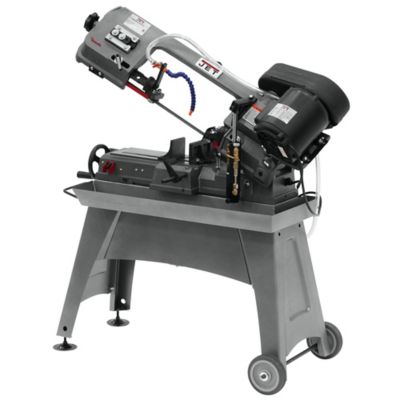
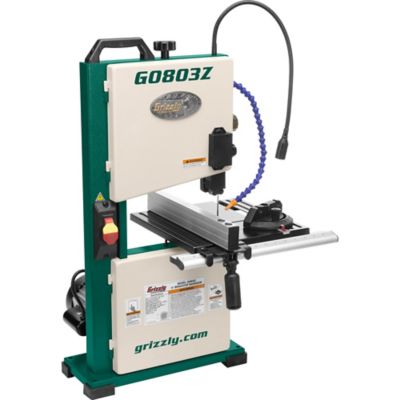
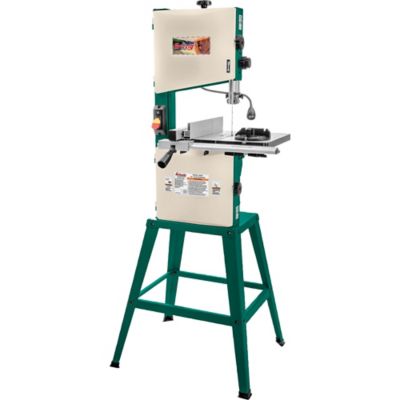
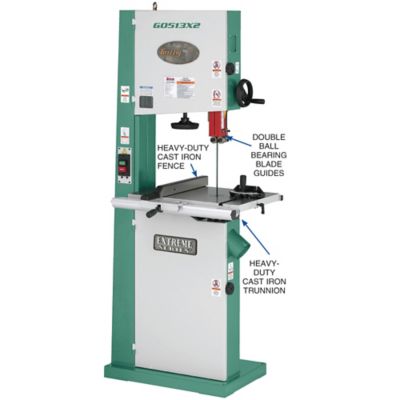
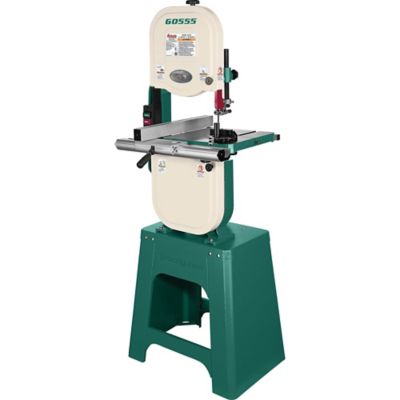
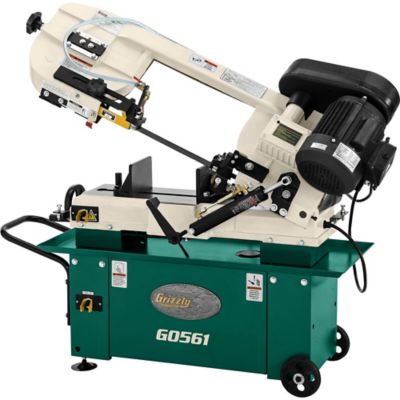
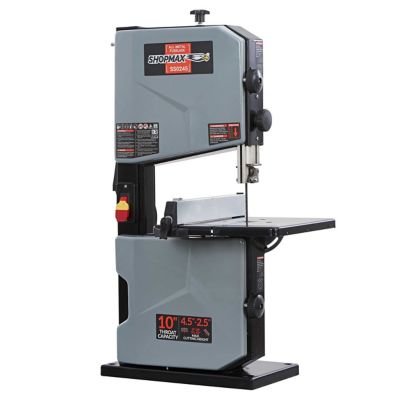
Vertical band saws bring a steady, upright cutting action to the shop, making them useful for shaping wood, metal, plastic, and other workable materials, depending on the machine and blade setup. Unlike a handheld saw, a vertical band saw holds a continuous loop blade in place while you guide the workpiece across the table. That arrangement gives you good control over straight cuts, curves, notches, inside cuts, and detailed contour work. A woodworker may use one to cut chair parts, trim pieces, small boxes, or rough blanks for turning, while a maintenance worker, fabricator, or serious DIYer may use a metal-cutting model for bar stock, tubing, plate, and repair work. In a farm or rural shop, an upright saw can earn its keep on everything from building brackets and equipment guards to making replacement parts and fitting odd-shaped pieces that do not cooperate with a standard saw. The right choice depends first on the material you plan to cut. Wood-cutting machines generally use faster blade speeds and are set up to move through lumber efficiently, while metal-cutting machines operate at much slower surface feet per minute to help control heat and protect the blade. Some saws offer variable speed, which is handy when your projects range from soft materials to harder metals, but speed control only helps when it matches the machine’s intended use and the blade installed. Check the manufacturer’s specifications before cutting a new material, and do not assume that changing blades alone turns every saw into an all-purpose machine.
Size and capacity are just as important as cutting speed. Pay attention to throat depth, which is the distance from the blade to the frame, because it determines how wide a piece you can comfortably work with. Also check the maximum cutting height beneath the upper blade guide, especially if you plan to resaw lumber, work with thick stock, or cut through stacked material. A sturdy cast-iron table can help keep the workpiece steady, and a table that tilts makes bevel cuts possible for frames, joinery, trim, and angled metal work. Look for a reliable blade guide system, a solid fence when straight cuts matter, and a table surface large enough for the pieces you normally handle. Blade size and tooth pattern deserve some thought, too. Narrow blades are better suited to tighter curves, while wider blades tend to track more confidently for straight cuts. Finer teeth can leave a cleaner finish in thinner stock, and coarser teeth generally clear material faster in thicker work. Having a few suitable blades on hand saves a trip to town when a project changes direction, but each blade should be matched to the material and thickness. Motor power, frame construction, and the quality of the adjustment controls also matter when a saw will see regular use. A compact model can make sense for a home workshop, craft room, or occasional repair bench where floor space is limited. A larger machine may be the better fit for a busy fabrication area, cabinet shop, school, or farm maintenance building where heavier stock and longer work sessions are part of the routine. If you are comparing options for a larger shop setup, browse
Industrial Saws for additional cutting equipment and shop solutions.
A vertical band saw is a practical addition for experienced makers, welders, carpenters, mechanics, and handy property owners who like to build or repair rather than replace. It can also be a thoughtful gift for someone setting up a first serious workshop, provided the recipient has the space, electrical service, and experience to use a stationary saw safely. Before bringing one home, measure the intended work area and leave room around the table for feeding long or awkward stock. Consider dust collection for wood work, chip brushes or chip management for metal work, lighting, and a stable stand or mounting surface. Keep the blade properly tensioned and tracked according to the instructions, use a sharp blade suited to the job, and let the machine reach full operating speed before feeding material. Mark your cut clearly, support long pieces so they do not twist or sag, and guide the stock at a controlled pace without forcing it into the blade. Keep hands away from the cutting path, using push sticks, push blocks, or other appropriate aids for small pieces and narrow cuts. Eye protection is essential, and hearing protection, suitable footwear, and a dust mask or respirator may be needed for the material and work environment. Metal chips can be hot and sharp, while wood dust can collect around the machine, so clean the area with the proper method and avoid reaching near a moving blade to clear waste. Turn the saw off and wait for the blade to stop completely before removing cutoffs, adjusting the table, brushing away chips, or changing blades. During the warmer part of the year and into the cooler months, a well-equipped shop makes it easier to tackle repairs, building projects, and weekend fabrication when outdoor work slows down. Choose a vertical band saw based on the materials, dimensions, cut styles, and workload you expect, and it can become one of those dependable shop tools that gets pulled into service for both carefully planned projects and the odd job that lands on the workbench.