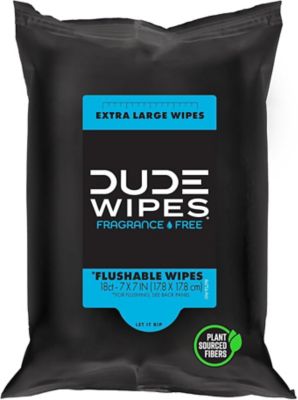
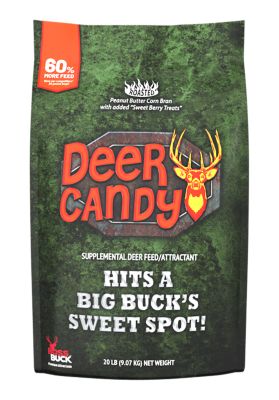
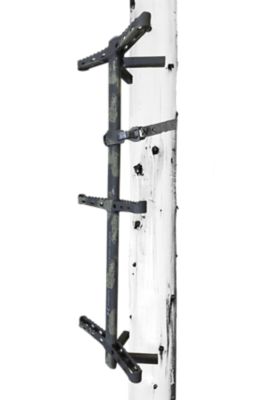
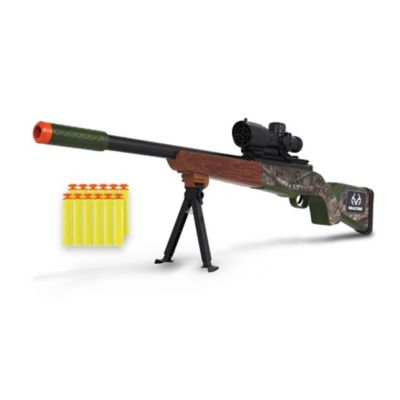
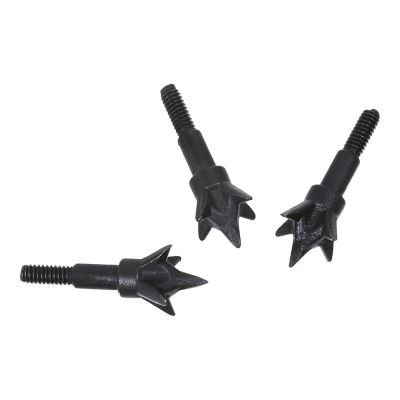
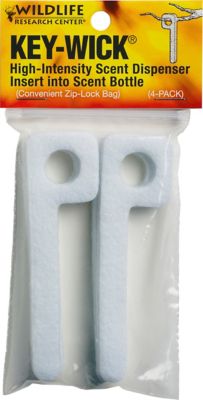
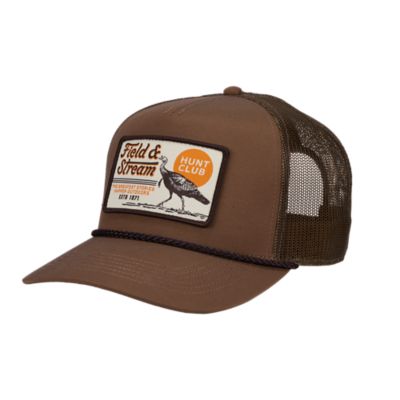
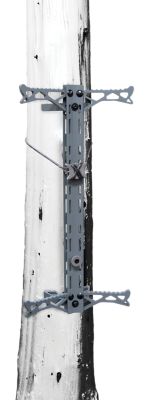
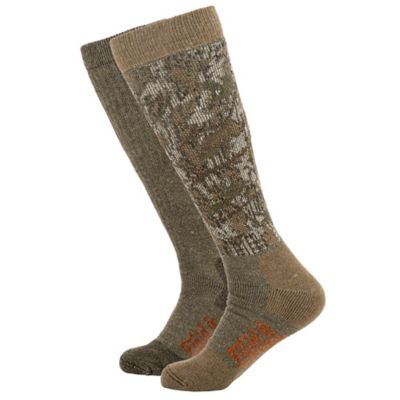
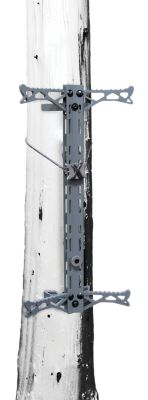
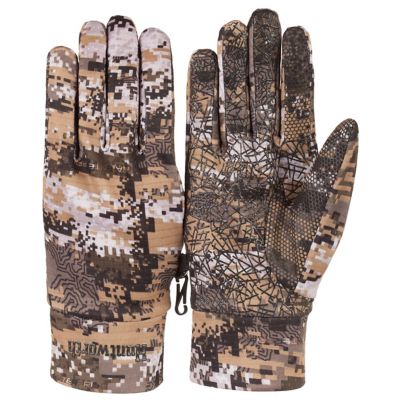
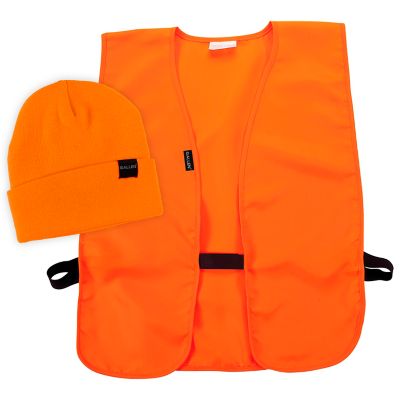
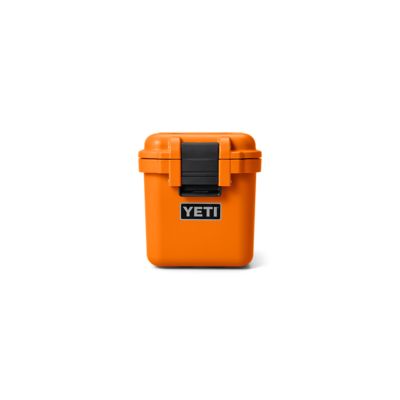
Hunting stocking stuffers are compact, practical gifts that fit into a Christmas stocking and serve a purpose out in the field. Small hunting accessories make thoughtful presents because they support the little routines that fill a hunt, from getting settled before daylight to keeping gear organized for the walk back to the truck. Their appeal has less to do with size than with how comfortably they fit into someone’s way of hunting. A person who sits quietly in a deer stand may appreciate different features than someone who covers ground along fence rows or spends hours in a waterfowl blind. Low-profile shapes, quiet handling, and surfaces that are easy to grip all have a place, depending on the task. Pocket-size gear also works well for hunters who carry only what they need and prefer to keep extra weight out of their setup. A gift does not have to take up much room to earn a regular spot in a hunting pack. For family members, hunting partners, and friends, these smaller presents offer a way to recognize a pastime that often comes with years of shared stories and familiar traditions. They can suit someone heading into a first season with an experienced adult just as well as someone who knows every bend in the creek on the family place. Experience matters when matching a gift to its recipient, especially when an accessory calls for particular skills or handling precautions. Familiarity matters, too: hunters often have strong preferences about where gear rides, how it opens, and whether it makes noise against other equipment. The most fitting hunting stocking gifts respect those habits rather than adding another chore to the day. Straightforward operation, manageable weight, and an easy-to-carry shape help small accessories feel at home alongside the gear a hunter already trusts. That everyday usefulness gives a small Christmas present meaning long after the wrapping is cleared away.
Materials and construction make a noticeable difference in how compact hunting gear feels and holds up through repeated trips. Woven nylon and polyester can offer a balance of low weight and resistance to everyday abrasion, while metal components bring a different feel and level of heft. Stainless steel can help resist corrosion, though moisture, grit, and neglect can still take a toll. Molded polymers may reduce weight, and textured or rubberized surfaces can make an accessory easier to handle when fingers are stiff or hands are gloved. Each material has trade-offs. A rough surface may offer more grip but collect dirt, while a smooth finish may wipe clean more easily yet feel slick in a wet hand. Seams, attachment points, closures, and moving parts deserve attention because those are often the places that see repeated strain. A compact design works best when its smaller size does not make ordinary handling awkward. Fit extends beyond clothing measurements: an accessory needs to sit comfortably where it will travel, whether that means a pocket, a pack compartment, or an attachment point on existing gear. Dimensions and fastening styles matter more than a photograph alone can show. Something that presses into a hip on a long sit or catches on brush along a narrow trail can become a nuisance, even when it performs its main job well. Quiet fabrics and secure closures may be especially welcome when a hunter is trying to stay still and avoid unnecessary movement. Care requirements belong in the picture as well. Depending on the material and the maker’s directions, routine upkeep may involve wiping away mud, removing grit from crevices, and allowing everything to dry thoroughly before storage. Fabric, coated surfaces, and metal parts may need different treatment, so the care instructions help protect both function and finish. Gear that is simple to maintain fits more easily into the end-of-day routine, when attention is already split between unloading the truck, tending to other equipment, and getting ready for the next outing.
Personal preferences give hunting stocking stuffers much of their character as gifts. Some hunters favor muted colors that blend with their setup; others appreciate a brighter accent that makes a small accessory easier to spot at the bottom of a pack. Color alone does not establish whether something meets visibility requirements for a hunt, but it can affect how easily everyday gear gets misplaced. Likewise, a compact shape can be handy without being the right fit for every hand. The distance between gripping surfaces, the feel of a closure, and the amount of force needed to operate a feature can all influence comfort. These details are worth considering for younger recipients, older family members, or anyone with limited hand strength. Compatibility matters whenever an accessory connects to something else, since similar-looking attachments and dimensions are not always interchangeable. Gifts that depend less on exact sizing or a particular setup can be easier to match to a recipient whose equipment preferences are hard to pin down. For a broader look at
gifts for hunters, the same connection between a person’s habits and a present’s purpose carries through beyond the stocking. A hunting partner who spends long stretches away from the truck may value portability above all else, while someone hunting close to home may care more about simple operation and easy cleanup. Neither approach needs extra fuss. Small gifts can also acknowledge the less celebrated parts of hunting: packing carefully, keeping track of equipment, and putting things away so they are ready for another trip. Those routines are familiar to anyone who has searched a dark truck cab for a misplaced piece of gear. The best match is something the recipient can readily work into those routines, with a clear purpose and no unnecessary complication. Tucked into a Christmas stocking, a well-matched hunting accessory becomes a thoughtful nod to early starts, familiar ground, and time spent doing something they enjoy.