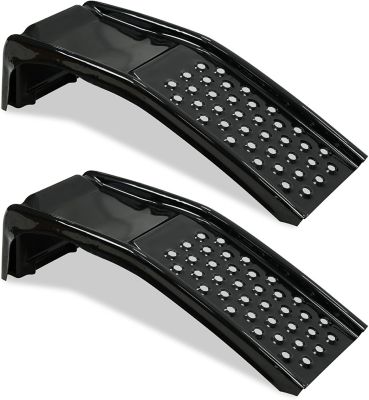
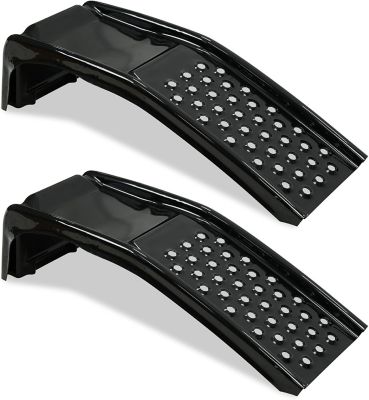
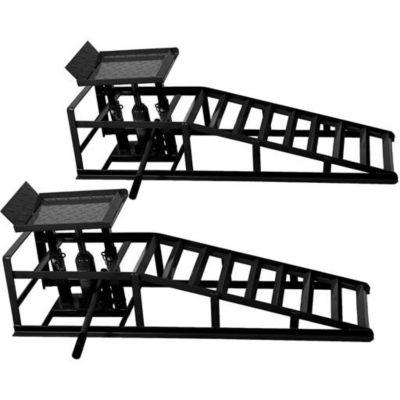
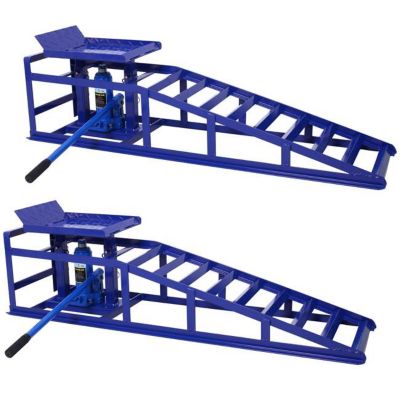
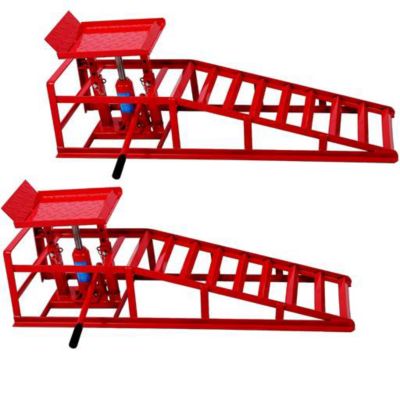
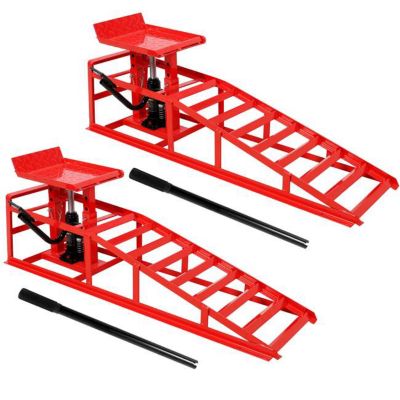
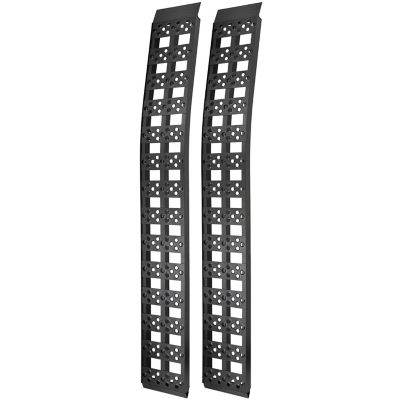
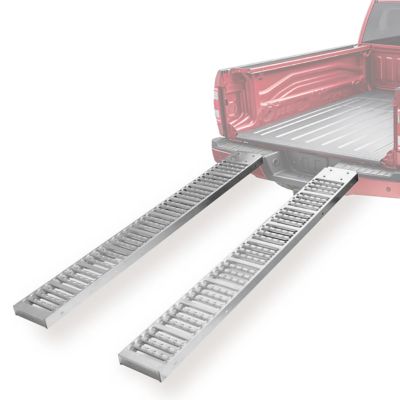
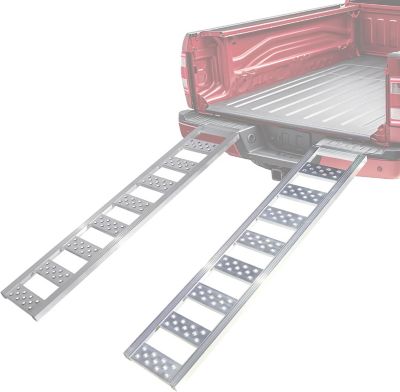
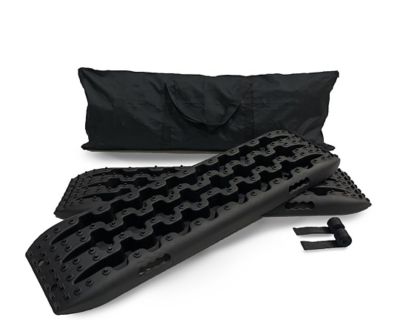
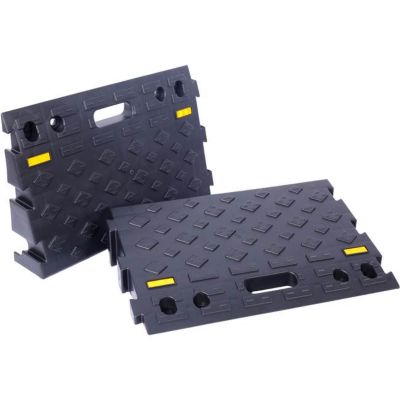
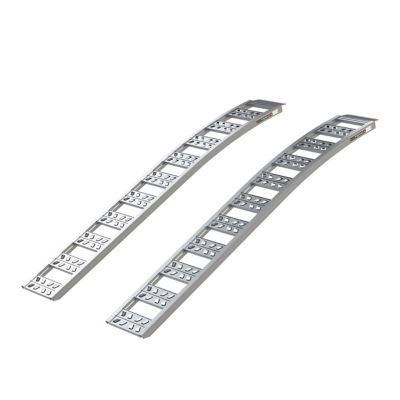
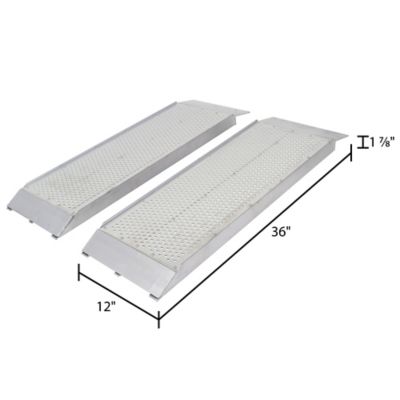
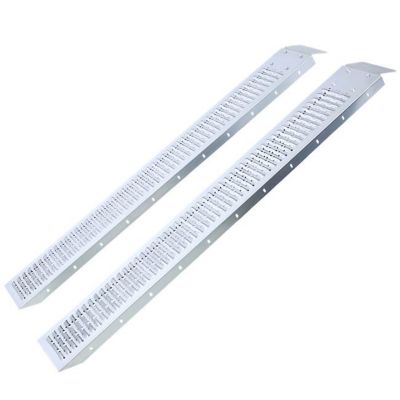
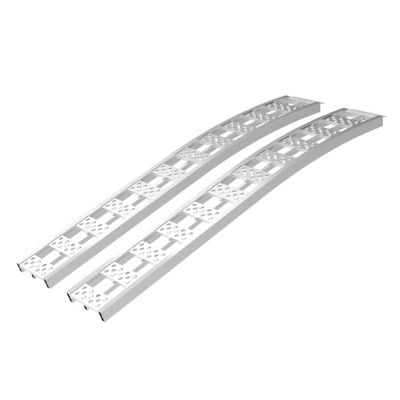
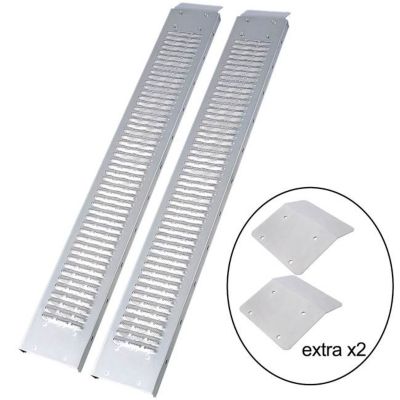
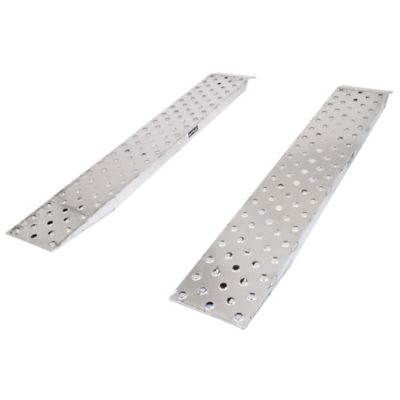
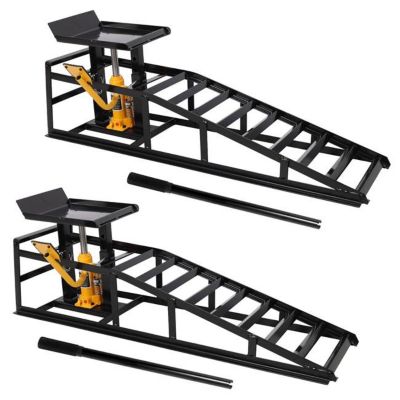
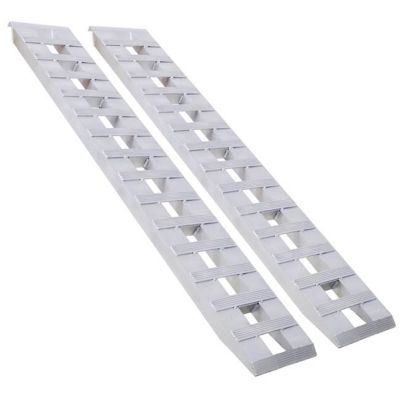
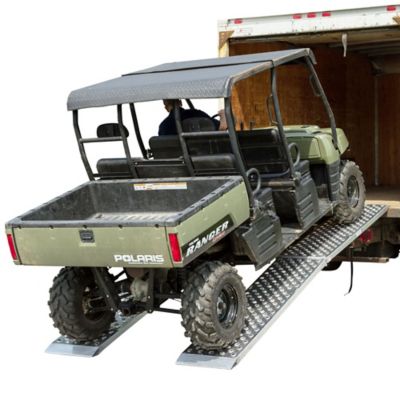
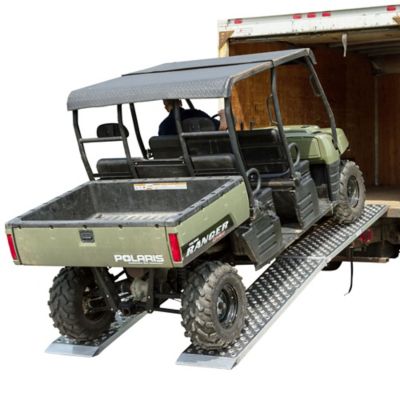
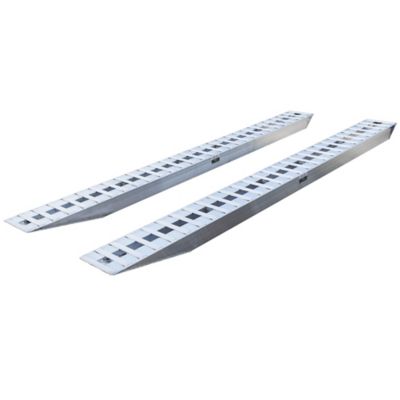
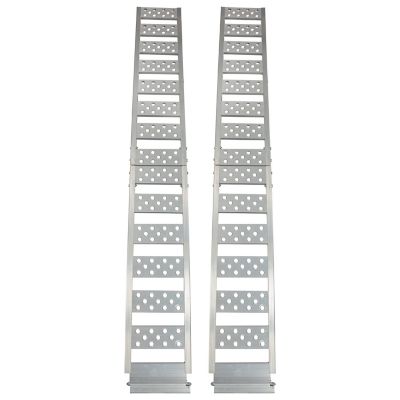
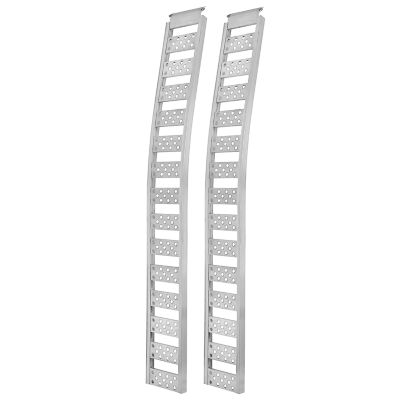
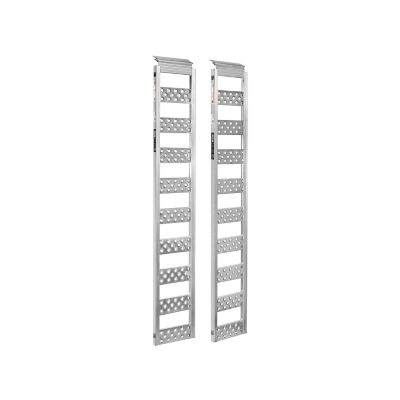
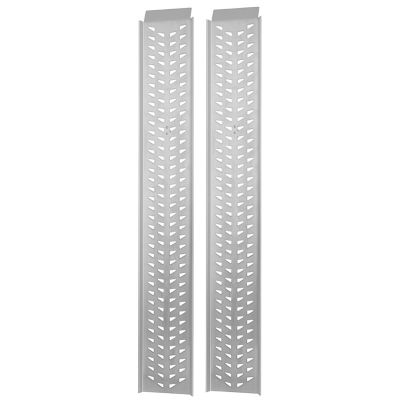
Vehicle repair ramps give you a practical way to raise the front or rear of a car, truck, or SUV for work beneath the vehicle. They can help with oil changes, exhaust checks, filter replacement, underbody inspections, light service, and other jobs that call for a little more room than a driveway normally provides. For many home mechanics, ramps are a handy addition to the garage because they are straightforward to position and do not take up much space when stored between projects. They can also be useful for farm trucks, work vehicles, family SUVs, and daily drivers that see plenty of gravel roads, muddy lanes, or long trips with changing weather. When comparing vehicle repair ramps, start with the vehicle’s weight and the ramp’s rated capacity. Look for a rating that meets or exceeds the vehicle’s gross vehicle weight, including passengers, fuel, tools, cargo, and any equipment being carried. A ramp set should also fit the tire width and provide a clear path for the tires to climb. Standard steel or polymer ramps often raise a vehicle about 6 to 8 inches, while other styles may offer a taller lift or additional clearance. Low-profile ramps with a gradual approach can be a better fit for cars with limited front-end clearance, lowered suspensions, or a long front overhang. Trucks and SUVs may call for a wider platform, a higher weight rating, or a set designed for larger tires. If you are comparing styles and capacities for a home garage or service area, browse
Mechanic Ramps to see options suited to different vehicles and repair tasks.
A safe setup begins with the ground beneath the ramps. Place them on a hard, level surface such as a concrete garage floor or flat paved drive, and avoid dirt, loose gravel, sloped ground, and soft pavement that may shift or sink under a loaded vehicle. Hot asphalt can soften during warmer weather, so take extra care when parking on paved areas exposed to the sun. Before every job, look over each ramp for cracks, bends, warping, loose parts, or other signs of damage, paying close attention to raised ribs, wheel stops, and the contact points that rest on the ground. Keep the ramps aligned straight with the tires, and have a spotter stand outside the vehicle to help guide the driver up the center of each ramp. Move slowly, with light throttle, and stop once the tires reach the top stop or the position specified by the ramp maker. After parking, place the transmission in park or in gear, set the parking brake firmly, shut off the engine, and place wheel chocks behind the tires that remain on the ground. Confirm that the vehicle is stable before reaching underneath it, and follow the vehicle and ramp instructions for any additional support needed during the job. Never climb onto a ramp at an angle, drive past the stop, or exceed the listed weight capacity. Keep children, pets, and bystanders clear of the work area, and remove loose tools from the path before driving onto the ramps. A few extra minutes spent checking the surface, tire position, and chocks can make a big difference when you are working beneath a vehicle in a chilly garage or on a busy farm driveway.
The right repair ramps depend on the vehicle, the work at hand, and the space where maintenance takes place. A compact car may benefit from a low approach angle that keeps the bumper from scraping, while a pickup or SUV may need a broad platform and a higher capacity for its heavier frame. If the job involves reaching toward the center of the vehicle, consider how much working room the ramp height provides and whether the ramp shape leaves enough access around the tires. For routine service, a simple drive-up design may be all that is needed. For work that calls for more clearance, some ramp styles include detachable sections, built-in lifting features, or adjustable components. Read the rated capacity carefully rather than judging a set by appearance, and measure the vehicle’s tire width and front clearance before ordering. Storage matters, too: a garage with limited wall or floor space may call for ramps that nest, stack, or have a convenient carry shape. Keep them clean and dry between jobs, and inspect them again after hauling them in a truck bed or storing them in an unheated shed through the cooler months. These products can make a thoughtful gift for someone who maintains a work truck, restores an older vehicle, or enjoys keeping the family fleet ready for the road, especially when paired with basic garage safety supplies such as wheel chocks, gloves, lighting, and a creeper. Whether you are preparing a vehicle for winter travel, checking the underside after rough backroads, or handling regular driveway maintenance, choosing ramps that match the vehicle’s size, clearance, tire fit, and weight rating helps create a more organized workspace and gives you room to work with greater confidence.