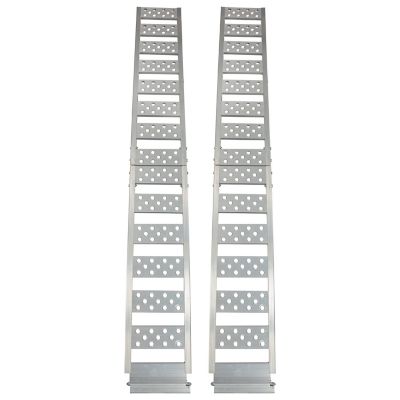
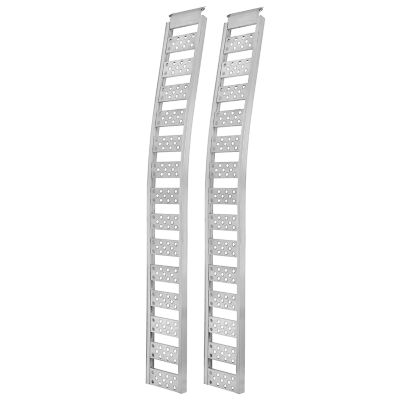
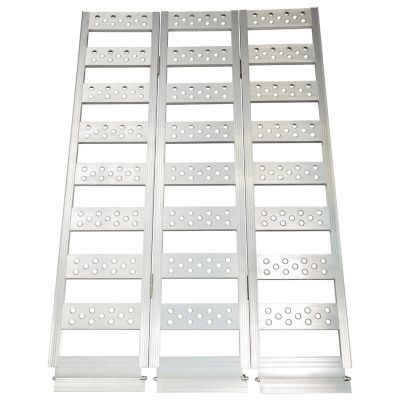
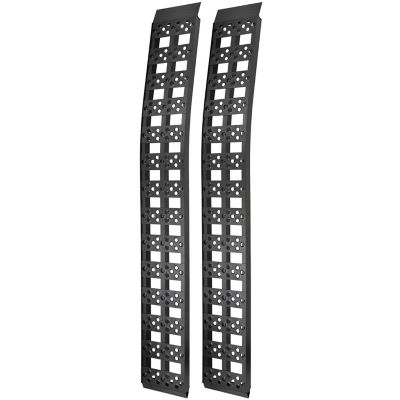
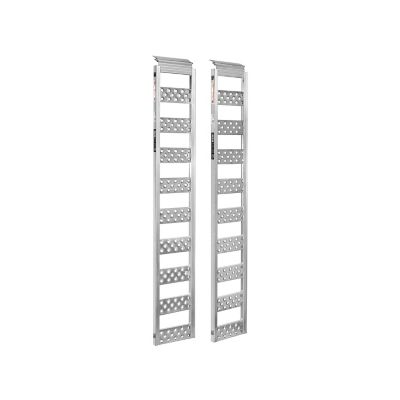
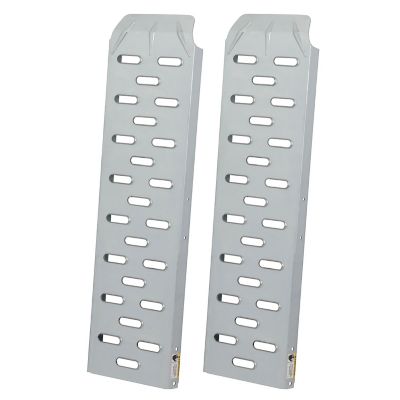
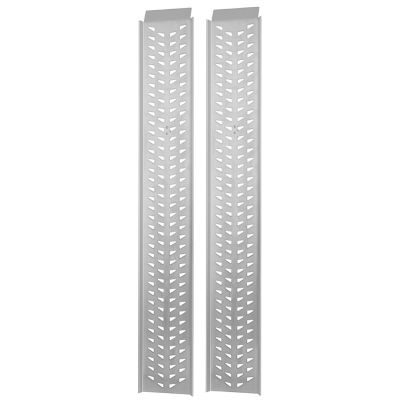
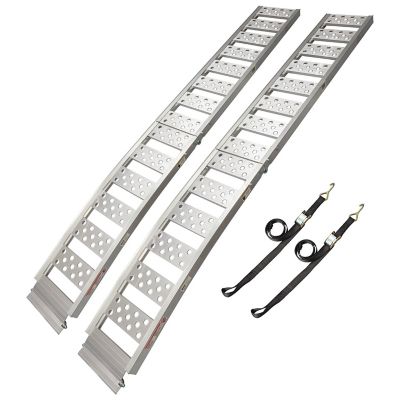
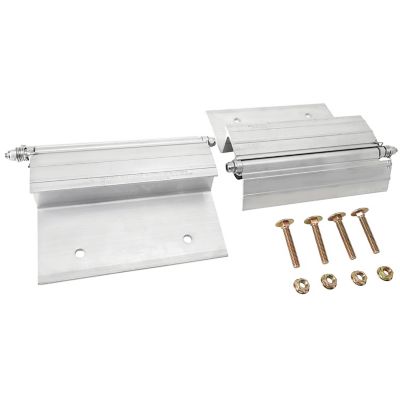
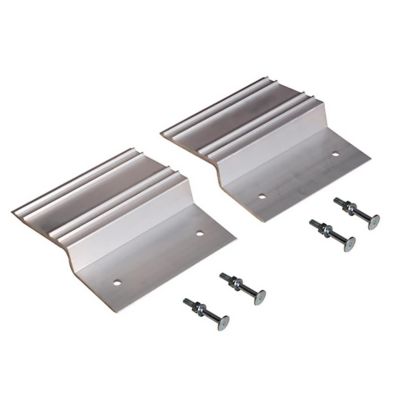
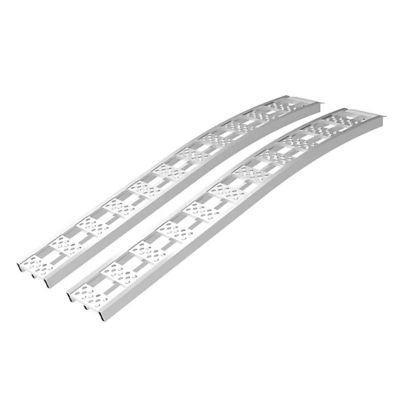
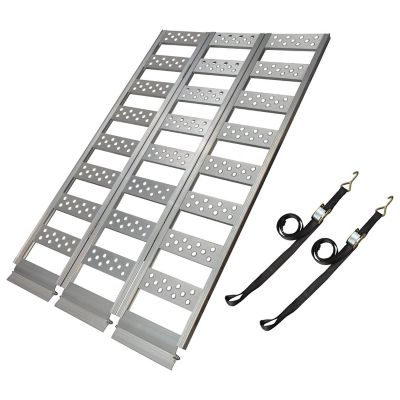
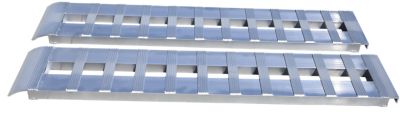
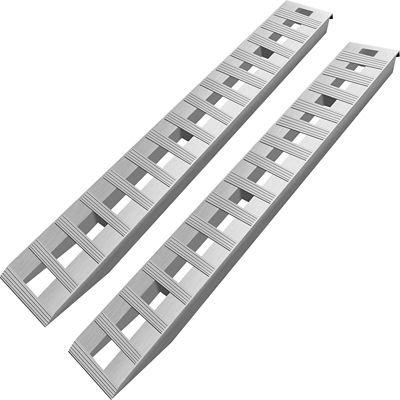
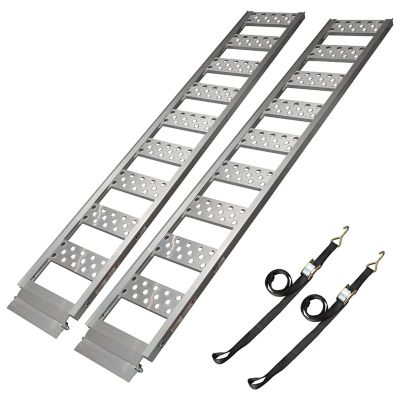
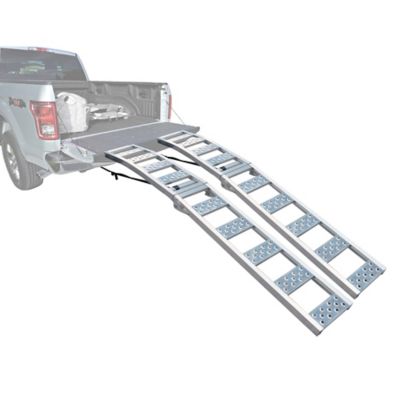
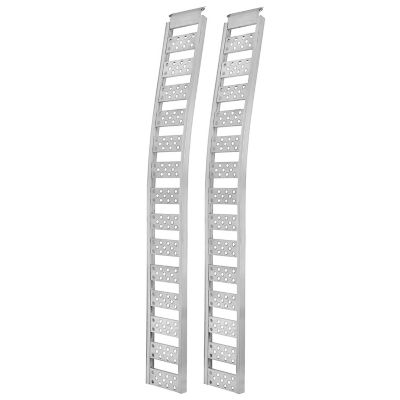
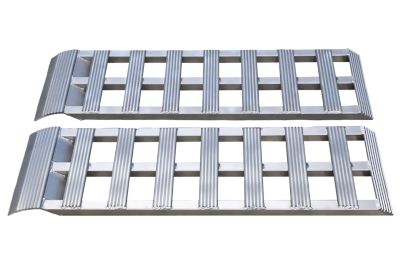
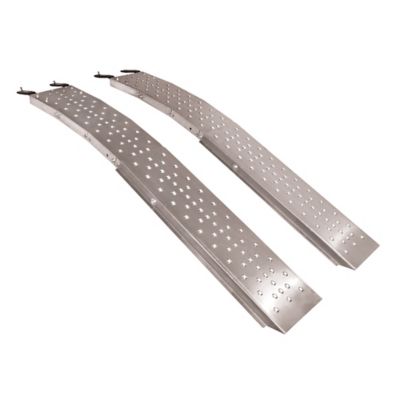
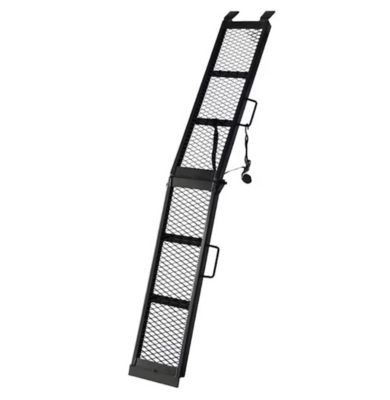
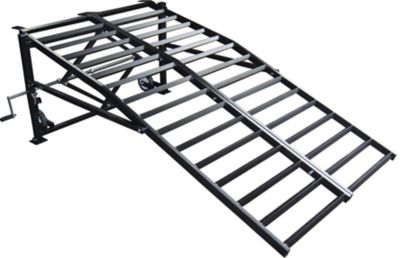
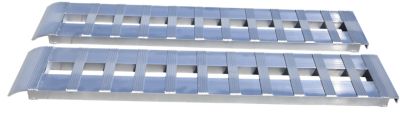
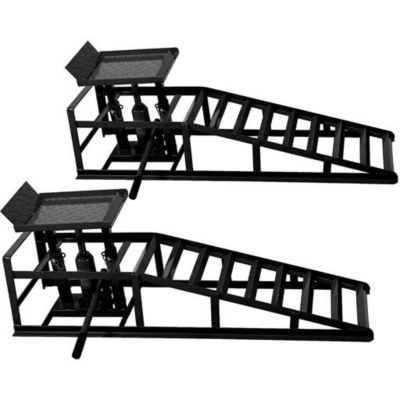
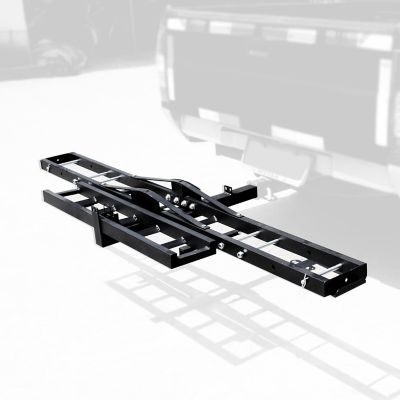
Truck ramps are portable inclined tracks that bridge the gap between the ground and a pickup bed or trailer, giving wheeled equipment a path for loading and unloading. They’re a practical part of hauling ATVs, lawn tractors, walk-behind mowers, dirt bikes and other equipment that cannot simply be lifted over a tailgate. Around a farm, acreage or jobsite, the right ramp setup helps keep work moving when a machine needs to travel from the shed to another property. Ramp styles range from individual tracks and paired channels to wider folding platforms, with each layout suited to different wheel arrangements and loading methods. A pair of narrow tracks can line up with the tires on a four-wheel machine, while a broad platform accommodates different tire spacing within its rated limits. Single-track designs generally suit equipment with wheels in line, but a wider surface may be necessary when the approved loading method calls for someone to walk alongside the machine. Straight ramps provide a direct incline, while arched ramps ease the transition at the top for equipment with limited ground clearance. That extra clearance matters when a mower deck or low frame passes over the edge of a truck bed. Aluminum construction keeps carrying weight down and resists rust, making it worth considering when ramps come out and go back into the truck several times a day. Steel construction often means more weight to handle, along with a need to maintain painted or coated surfaces against corrosion. Material alone does not establish load capacity; the ramp’s design and stated rating are what count. Crossbars, punched surfaces and other traction patterns also affect how tires meet the ramp. The spacing between those supports matters especially for small mower wheels, narrow tires and equipment with low-hanging parts.
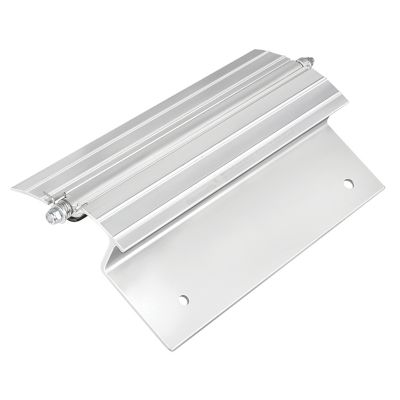
Truck ramp fit depends on more than whether the top end reaches the tailgate. Bed height, ramp length, tire width, wheel spacing and the machine’s clearance all play a part. For the same loading height, a longer ramp creates a gentler incline, which can help keep low equipment from scraping at the transition. Longer ramps also extend farther behind the truck, so the available loading area matters just as much as the space inside the bed. The manufacturer’s loading-height limits provide a firmer basis for selection than judging the slope by eye. Width deserves the same attention: a tire needs enough supported surface throughout its travel, not just enough room to squeeze between the edges. Weight capacity should exceed the total load the ramps will carry, including the machine, fuel, attachments and anything else on board. Operator weight belongs in that calculation only when the ramp and equipment manufacturers permit riding during loading; some setups require an entirely different loading method. Ratings may apply to one ramp, a matched pair or a complete platform, and paired ratings can depend on even weight distribution. A front-heavy tractor attachment or an uneven load can place more force on one track than expected. The truck, tailgate and trailer also have their own limits, separate from the ramp rating. At the connection point, support lips, attachment plates and other end fittings need to match the receiving surface as directed by the manufacturer. Specified safety straps or retaining hardware help prevent a ramp from sliding away during the transition. Firm, level footing and a properly secured vehicle are essential parts of that arrangement. A ramp that fits a utility trailer may not be suitable for a taller pickup, even when the equipment stays the same. Considering the whole setup helps narrow the choice to ramps suited to the actual hauling job rather than weight capacity alone.
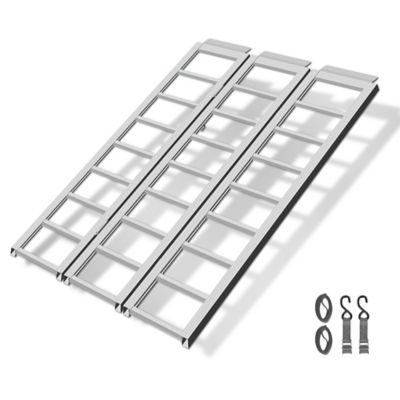
Daily handling makes a difference once the hauling is done. Folding truck ramps can take up less bed or shed space, while straight, nonfolding designs avoid the extra joints and hinges of folding models. Bifold and trifold layouts offer different folded shapes, so their closed dimensions matter when the truck already carries toolboxes, fuel cans or fencing supplies. A ramp that fits between loads without blocking tie-down points is easier to work into an established hauling routine. Carry handles, overall weight and the balance of a folded ramp also deserve attention, especially for someone loading equipment without a second set of hands. Ramps need their own restraint during transport; leaving them loose beside a machine creates another shifting load. For broader equipment-moving needs,
Loading Ramps include configurations for different vehicles, loading heights and wheel layouts. Truck loading ramps serve a different purpose from vehicle service ramps, which support tires for certain maintenance tasks, and those categories are not interchangeable. Care is straightforward but important for repeated use: keeping loading surfaces free of grass clippings, mud, oil and packed debris helps preserve traction and makes damage easier to spot. Hinges, welds, retaining pins, straps and contact ends all warrant regular inspection according to the manufacturer’s directions. Bent rails, cracked welds, missing hardware or damaged straps are reasons to take a ramp out of service until the issue is addressed as directed. Steel surfaces benefit from attention to chipped finishes, while aluminum still needs checks for cracks, deformation and corrosion around connections. Storage that lets ramps dry and keeps them out of standing moisture helps protect both metal parts and attached hardware. For landowners moving a mower between properties, riders hauling an ATV or crews transporting wheeled equipment, the best match comes down to the same practical details: a suitable loading angle, enough working width, the right rated capacity and a design that fits the truck and the work.