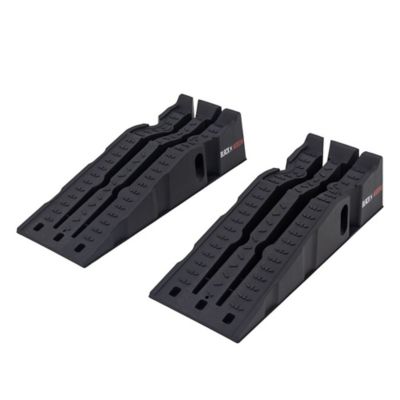
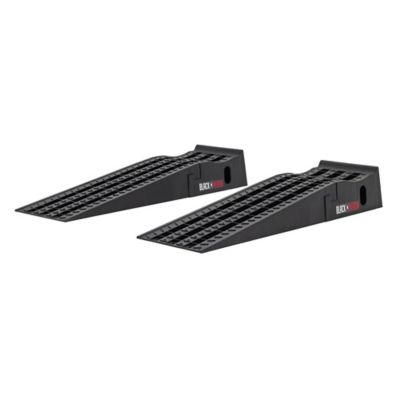
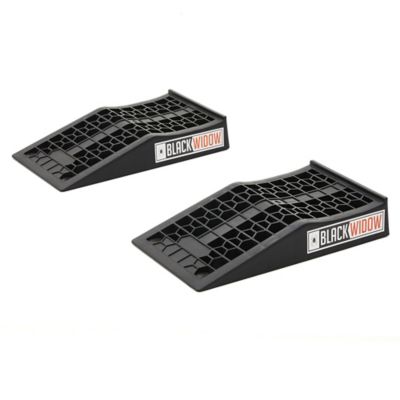
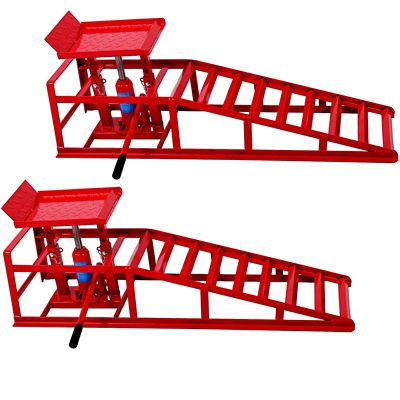
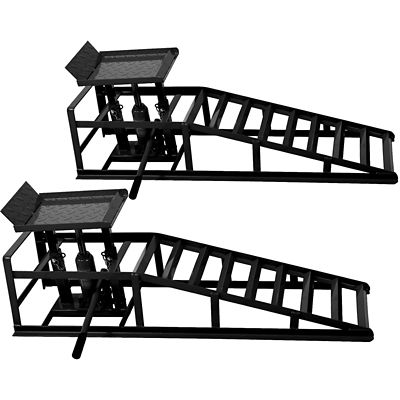
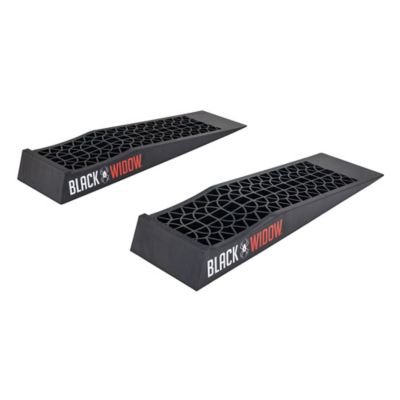
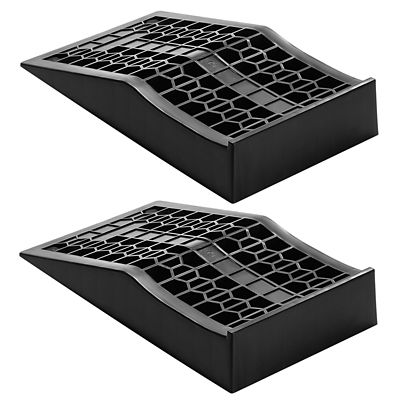
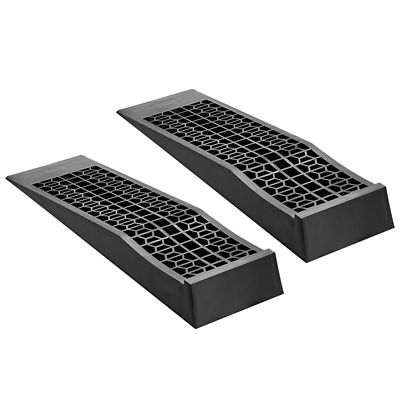
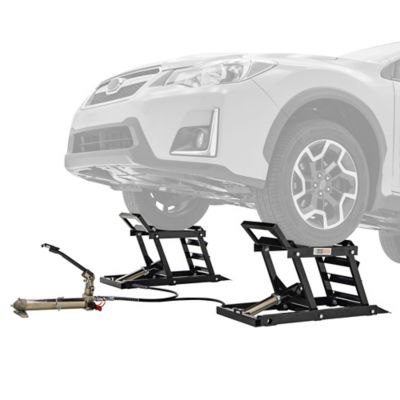
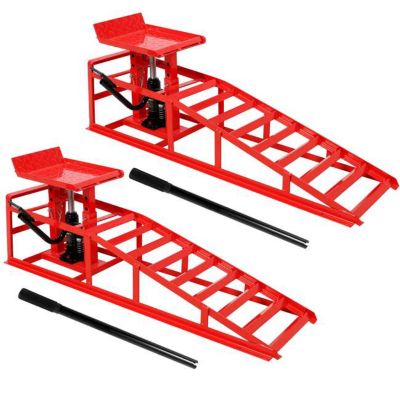
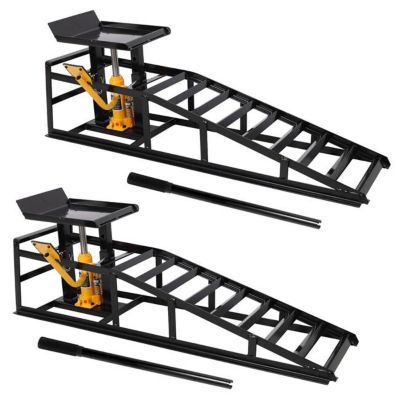
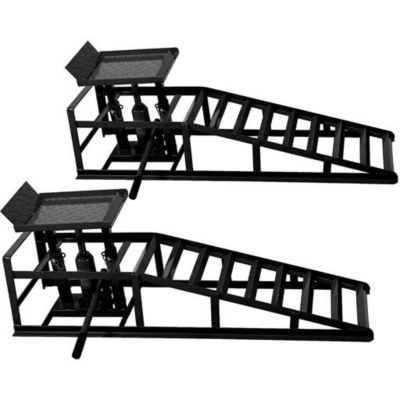
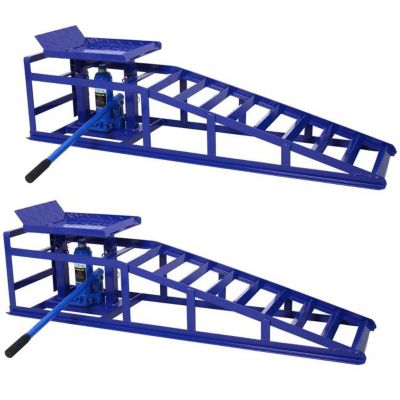
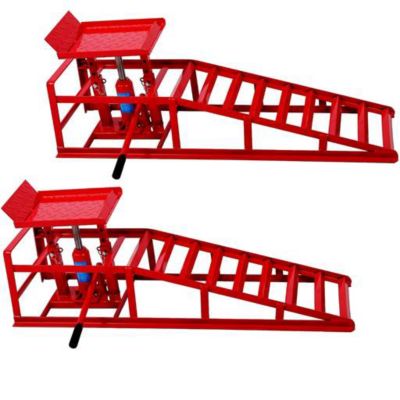
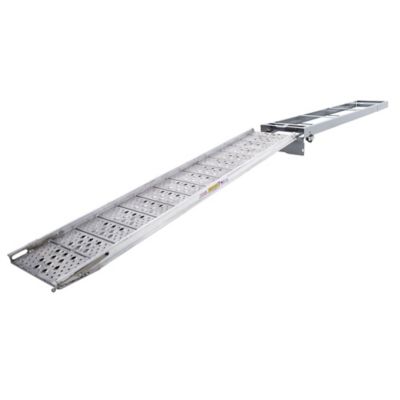
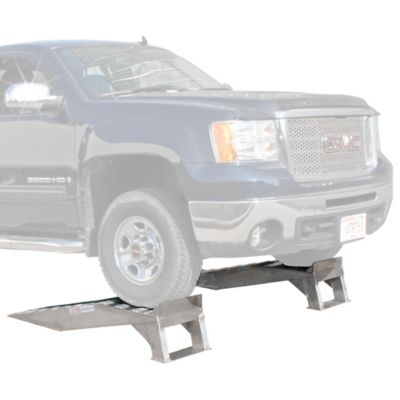
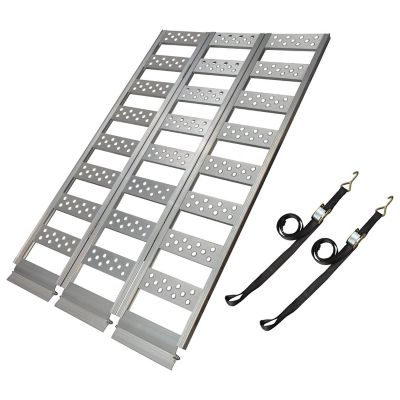
Car service ramps are drive-on supports that raise a vehicle’s tires to create additional clearance for compatible under-vehicle maintenance, including oil changes, inspections, and some exhaust work. They make sense for jobs that leave the wheels installed and do not require the suspension to hang freely. Unlike a hydraulic floor jack, which lifts at a designated jacking point, a service ramp carries a tire onto an elevated platform. That difference matters when choosing equipment for a home garage, farm shop, or driveway workspace. A little extra room beneath a passenger car can make an oil drain plug easier to reach, while a pickup may need ramps with more tire width and a higher load rating. The right fit depends on the vehicle and the job, not simply how tall or sturdy a ramp looks. Brake repairs, tire changes, and work that requires wheel removal generally call for a different lifting and support arrangement. Even for routine maintenance, ramp height needs to leave enough room for the person, tools, and drain pan without creating clearance problems elsewhere on the vehicle. Load capacity deserves a close look because manufacturers may express ratings per ramp, per pair, or in terms of a vehicle’s gross weight. Those numbers are not interchangeable, and a rating should never be interpreted by appearance alone. The manufacturer’s stated rating method and vehicle compatibility determine whether a ramp is suitable. A vehicle’s weight is also not necessarily divided evenly between its front and rear axles. For households maintaining more than one vehicle, each car or truck needs its own compatibility check rather than assuming that a ramp suited to the smaller vehicle will suit everything parked beside it. Whether the task is checking for a seep around an oil pan or getting a clearer view of an underbody panel, car service ramps should match both the load they will carry and the access the work requires.
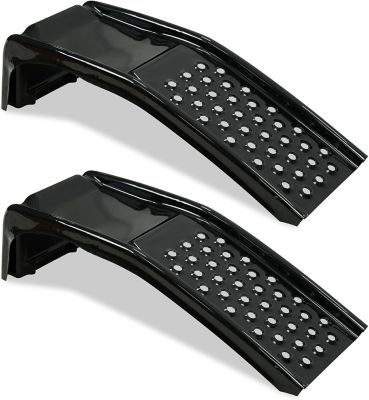
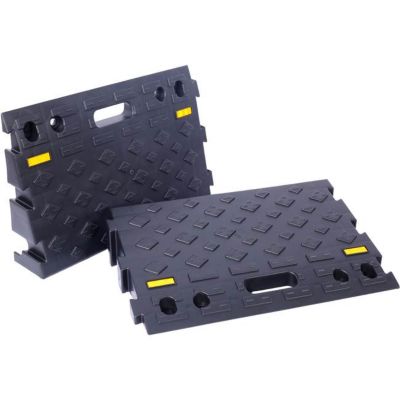
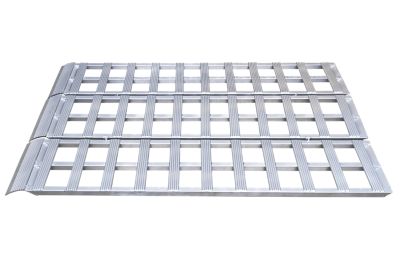
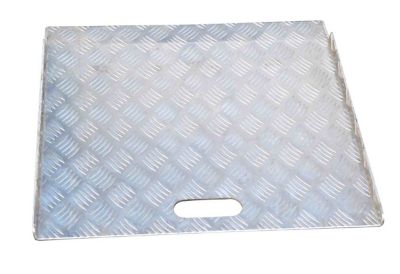
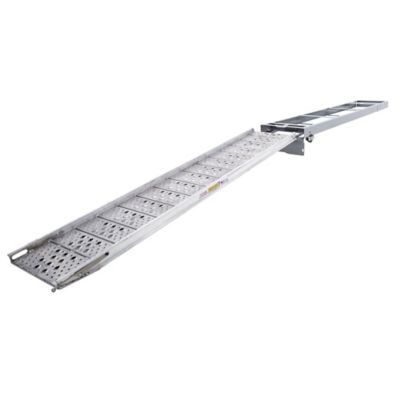
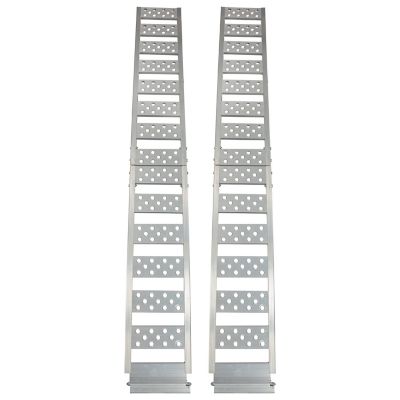
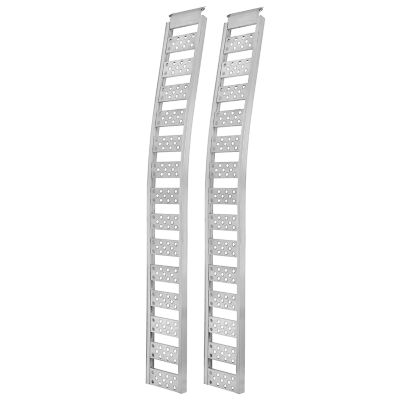
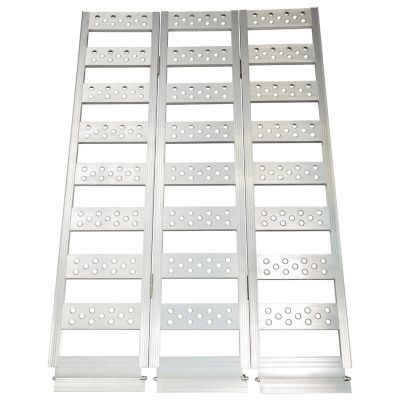
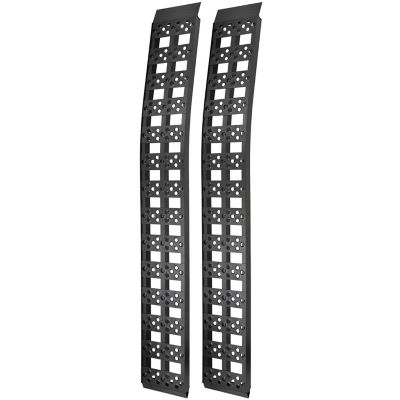
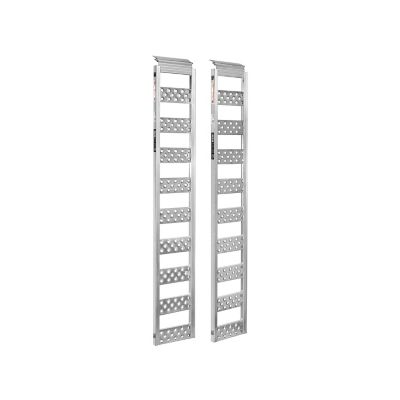
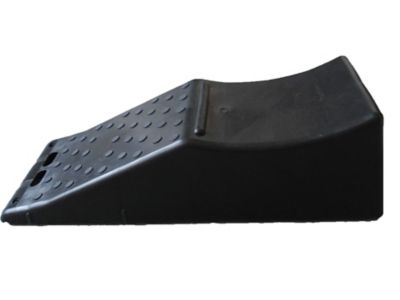
Materials and construction affect how ramps feel to handle, how much space they take up, and what to watch for over time. Steel ramps can offer a rigid structure, though their weight, finish, welds, and resistance to corrosion are worth considering. Molded polymer or composite designs may be easier to carry, with ribs or internal supports that distribute the load according to their design. Material alone does not establish strength; the published load rating and operating limits remain the deciding factors. Surface details matter, too. Tire-contact areas may have ribs, openings, or raised patterns intended to support traction, while the base design influences how the ramp contacts the floor. No tread pattern makes an oily floor or an unsuitable surface acceptable. Fit starts before the tire reaches the top. The approach angle must allow the bumper, lower air dam, and underbody to clear the ramp throughout the climb. A low-slung car may need a longer, gentler approach, while a taller vehicle can still have a front valance that limits clearance. Greater lift height is not automatically better if the approach becomes too steep for the vehicle. Ramp width should accommodate the tire as specified by the manufacturer, with enough room for proper alignment and full support on the platform. Raised side edges and end stops can help define that platform, but they do not replace careful positioning or the need to avoid driving beyond it. Overall length also affects whether the setup fits inside a garage with the door closed or leaves enough room around a shop bench. Separate approach sections, carrying handles, and nesting shapes can make handling and storage more convenient where those features are part of the design. For someone sharing a workspace with a mower, tool chest, and feed cart, the space a pair of ramps occupies between jobs can matter almost as much as the clearance it provides during one.
Shopping for
Mechanic Ramps is easier with the vehicle’s tire dimensions, clearance measurements, and applicable weight information close at hand. Those details help separate a workable match from equipment that merely looks right in a photo. The workspace deserves the same attention as the vehicle. Service ramps require the surface specified by their manufacturer, generally a hard, level, stable surface rather than gravel, loose soil, or an uneven patch beside the barn. A sloping driveway can make an otherwise suitable ramp setup inappropriate. Wheel chocks, parking-brake requirements, transmission position, and any additional support requirements should follow the instructions for both the vehicle and the ramps. A tire resting against an end stop is not, by itself, confirmation that the entire setup is ready for work underneath. Before anyone gets beneath the vehicle, proper tire placement and stability need to be confirmed according to those instructions. A hydraulic jack alone is not an appropriate support for someone working underneath a vehicle. Care between jobs helps keep ramp condition easy to assess. Oil, grease, and packed dirt can interfere with traction or hide damage, so cleaning should follow the material-specific directions. Steel calls for attention to rust, damaged finishes, bent sections, and compromised joints; molded materials call for checks for cracks, distortion, and damaged support ribs. A ramp with structural damage should be taken out of service rather than patched up for another oil change. Storage should protect ramps from impacts and conditions outside their stated limits, with a spot that keeps them from becoming a trip hazard. For a hands-on vehicle owner, service ramps can also make a practical gift when the recipient’s vehicle specifications and workspace requirements are known. The best match is equipment that fits the vehicle, supports the intended maintenance, and can be handled and stored without turning a straightforward shop chore into a wrestling match.