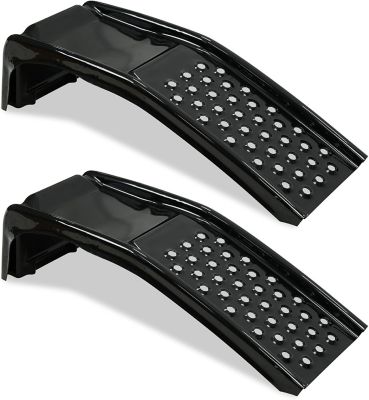
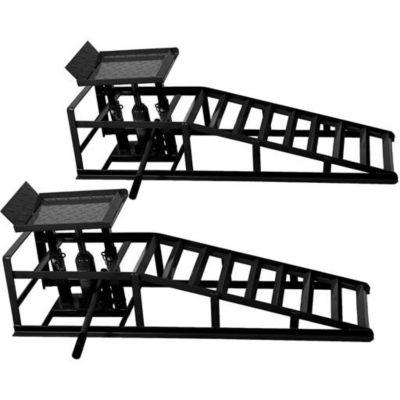
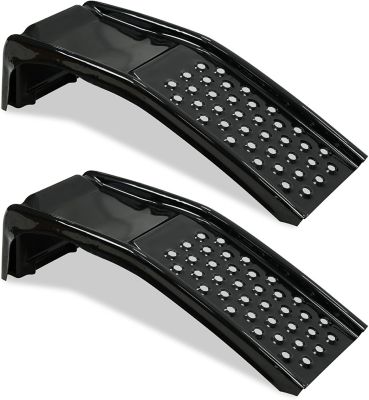
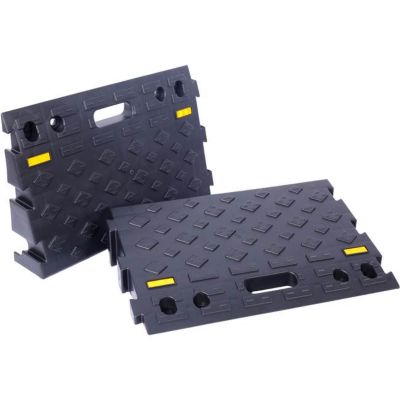
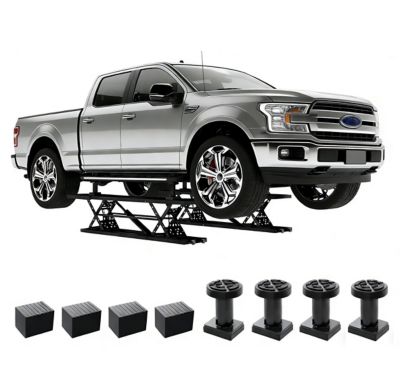
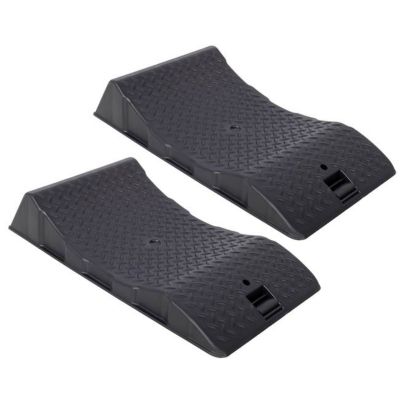
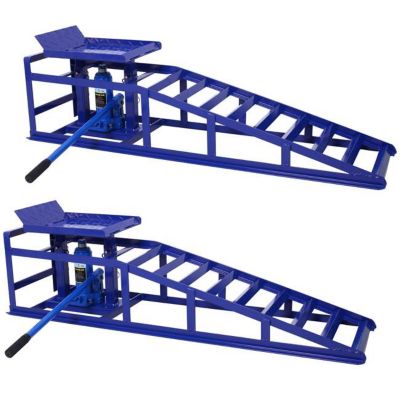
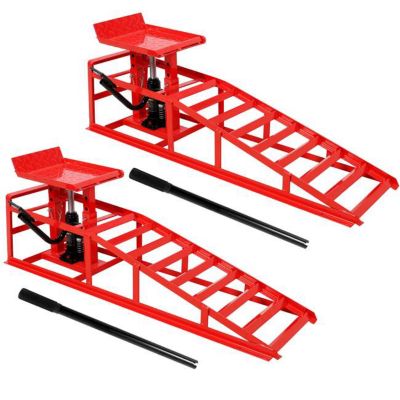
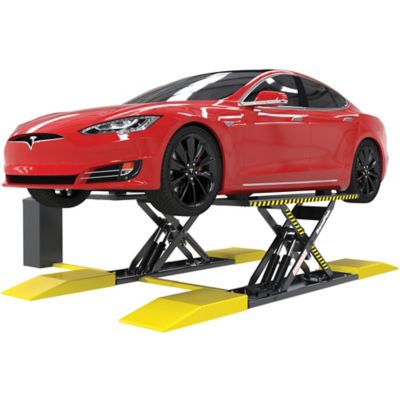
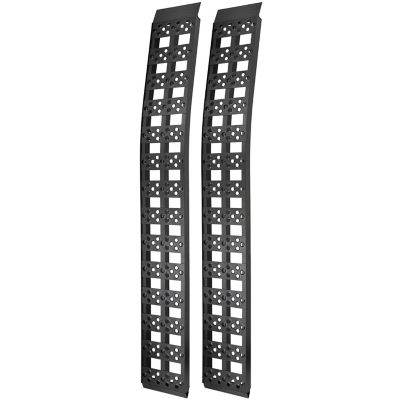
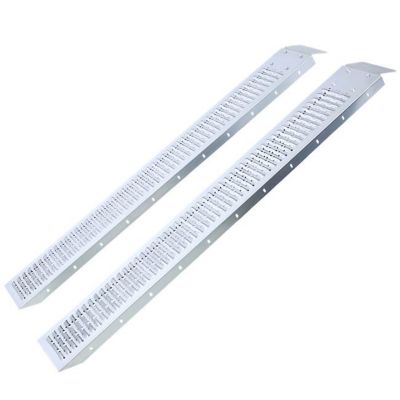
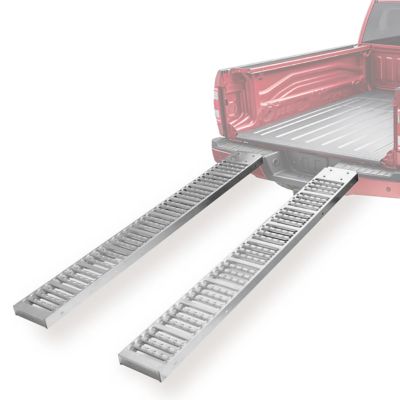
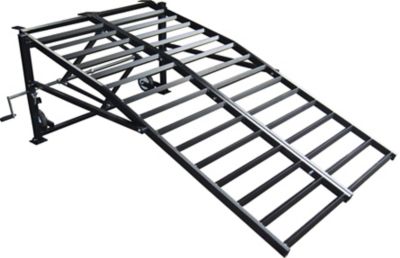
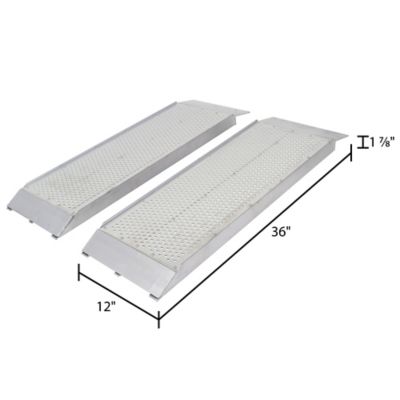
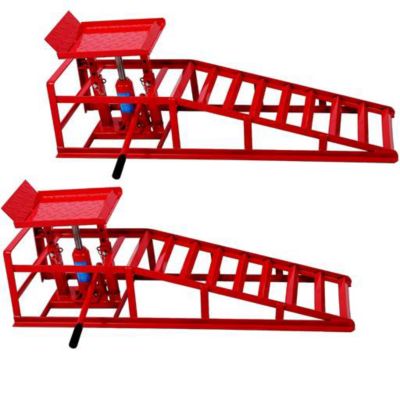
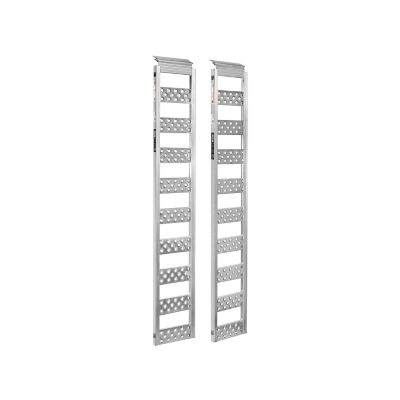
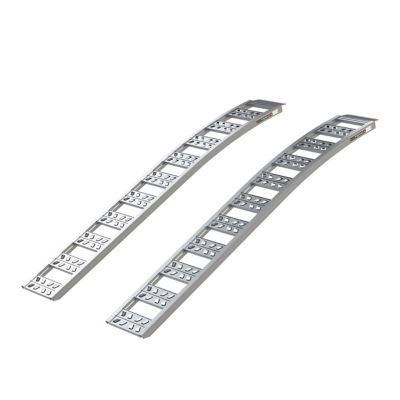
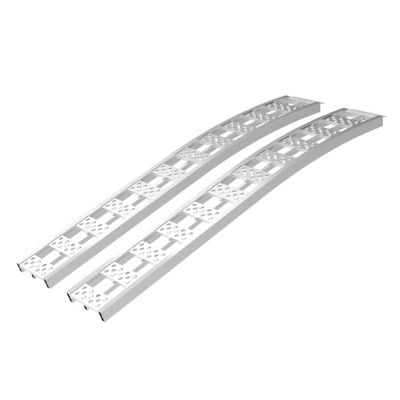
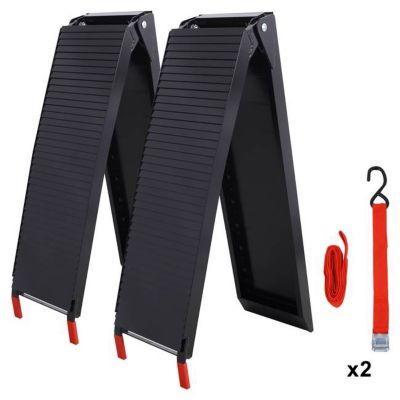
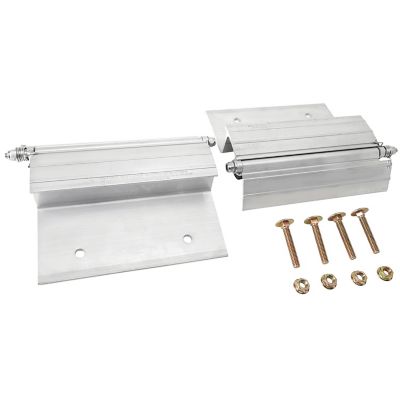
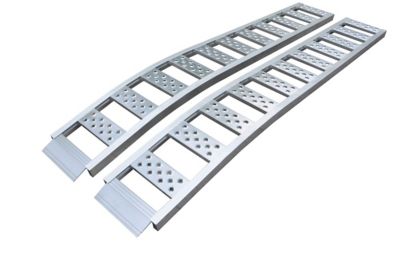
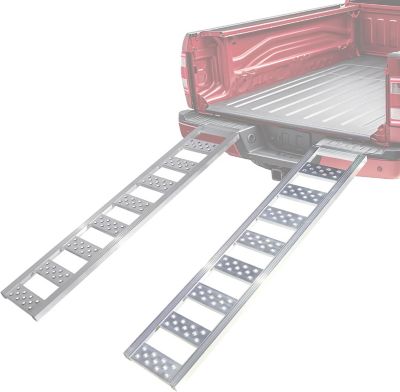
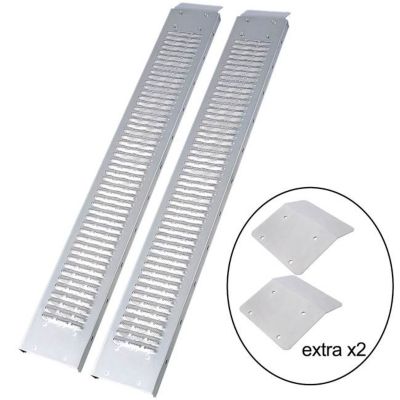
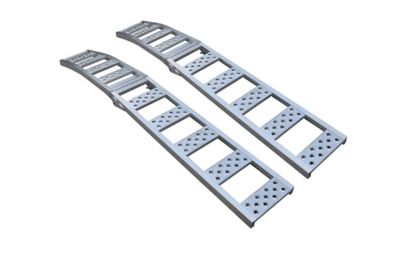
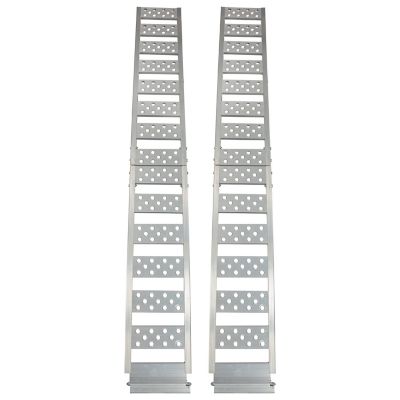
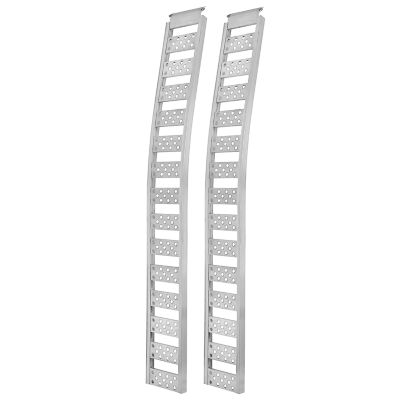
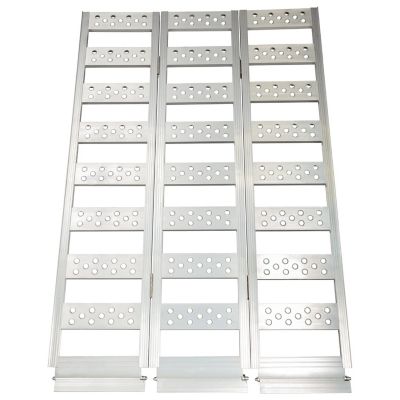
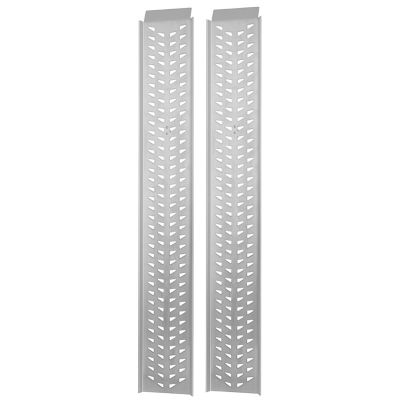
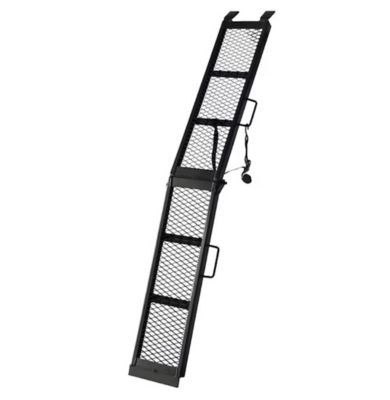
Car lift ramps can make routine vehicle work more manageable, whether you’re checking a truck before a long haul, changing oil in the driveway or getting underneath a car to inspect a stubborn rattle. These ramps are designed to raise a vehicle’s wheels off the ground and give you more working room beneath the chassis, which can be especially handy when a full-size lift isn’t practical. They’re a useful addition to a home garage, barn workspace, farm shop or shared maintenance area where space and budget both matter. Before choosing a set, start with the vehicle itself. Check the ramp’s rated capacity against the vehicle’s full weight, not just the weight listed for an empty car or truck. Remember to account for passengers, tools, equipment in the bed and anything being hauled. The width and length of the ramps matter, too. A wide tire needs a broad, stable approach, while a longer ramp may offer a gentler incline for low-clearance cars. Pickup trucks, SUVs, utility vehicles and work vans can require a different ramp size than compact cars, so compare the ramp dimensions with the tire width, wheelbase and ground clearance of the vehicle you plan to service. For additional options suited to driveway maintenance and general automotive work, browse
Car Service Ramps.
A solid ramp should sit flat and stay put as a vehicle moves onto it. Look for sturdy construction, a stable base and a surface that helps tires maintain traction, including in a cool garage or on a concrete floor with a little dust on it. Raised edges or side rails can help keep tires centered, while a textured driving surface gives the tires something to grip during a slow, controlled climb. Storage is another practical consideration. Some ramps are easier to tuck beneath a workbench, stack in a shed or carry between the garage and the driveway than others. Take a close look at the weight of the ramps themselves, especially if you’ll be handling them alone. A lighter set may be convenient for occasional use, while heavier construction can provide the confidence and durability many people want for frequent work on trucks and other larger vehicles. Think about the jobs you normally handle. Someone who mostly checks fluids and performs light maintenance may want a straightforward set that is quick to position. A farm owner or equipment-minded homeowner who spends weekends working on several vehicles may prefer ramps built for repeated use and a wider range of tire sizes. Keep the work area level, clear of loose gravel and clutter, and use the parking brake and any manufacturer-recommended wheel chocks or supports. Ramps should never be treated as a substitute for proper jack stands when a repair requires the vehicle to be supported at additional points, and no one should work beneath a vehicle that is not securely positioned according to the ramp and vehicle instructions.
Car lift ramps can also make a practical gift for the person who is always tinkering in the garage. They suit a hands-on parent, a new driver learning basic vehicle care, a farmer who maintains several pickups or a neighbor who enjoys restoring older cars on weekends. They’re useful without taking up the room or demanding the installation that comes with larger shop equipment, making them a thoughtful choice for someone building a home workshop a little at a time. During the cooler months, when muddy roads, road salt and rough weather can bring extra wear to a vehicle, having dependable access for inspections and maintenance can help owners spot trouble before a small concern turns into a bigger repair. A careful look underneath may reveal packed dirt, a loose shield, a damaged exhaust hanger or signs of a fluid leak that are easy to miss from ground level. Choose ramps that match the vehicle and the work at hand, follow all safety directions, and inspect them before each use for cracks, bends, worn traction surfaces or other damage. When stored clean and dry and used within their rated limits, a well-chosen set of ramps can become one of those dependable shop tools that earns its place year after year, right alongside the oil drain pan, tire gauge and well-worn pair of work gloves.