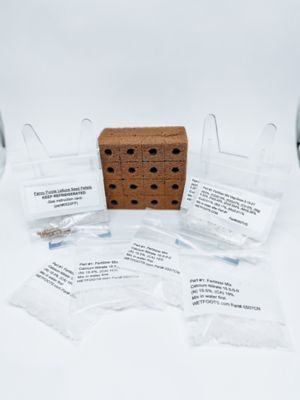
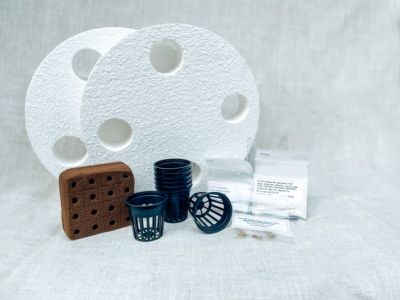
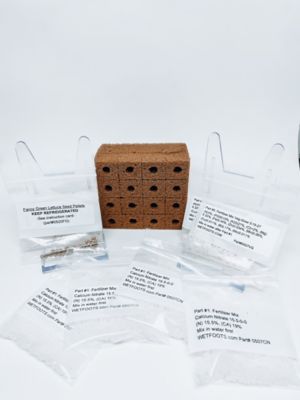
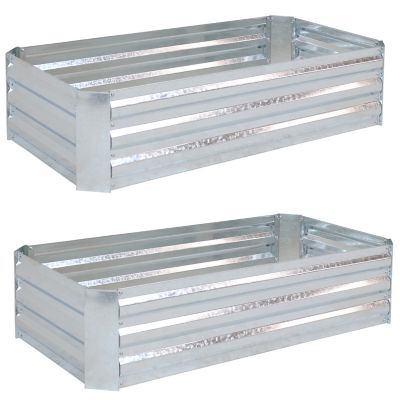
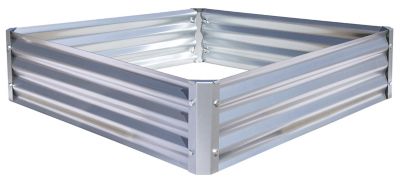
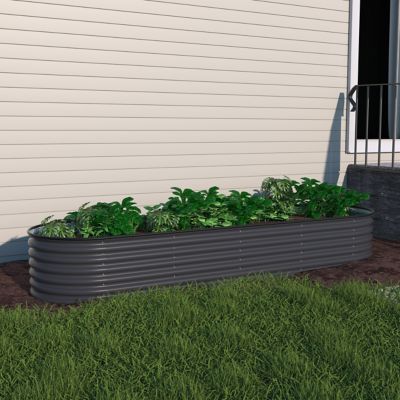
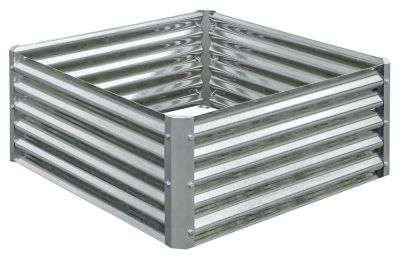
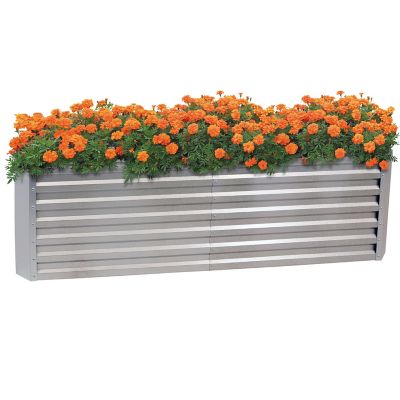
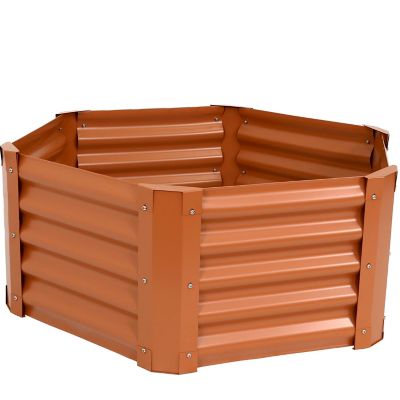
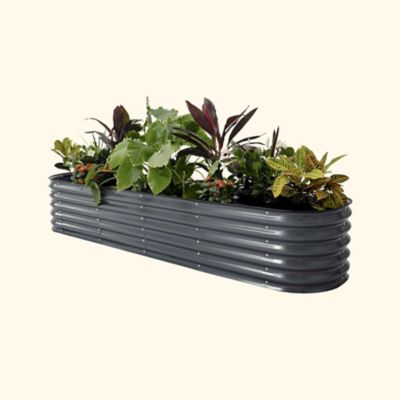
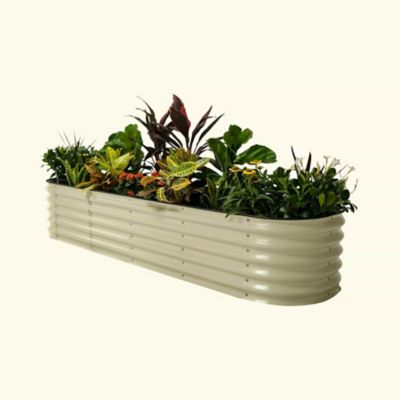
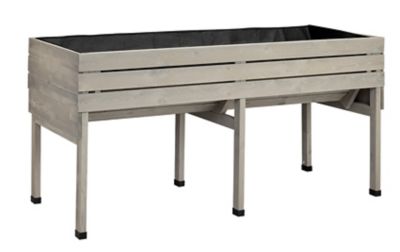
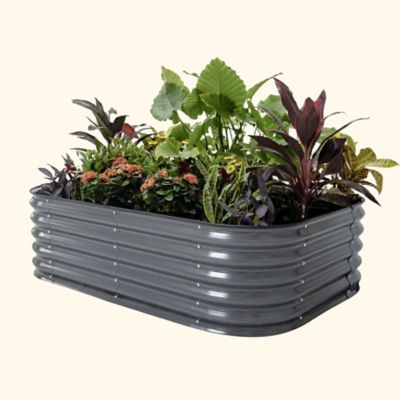
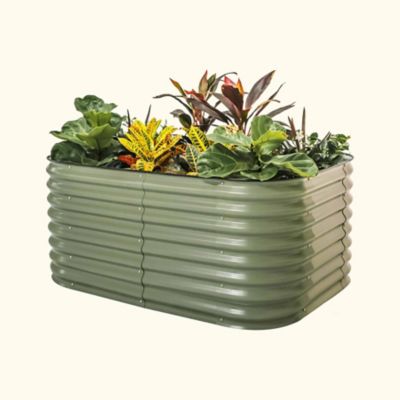
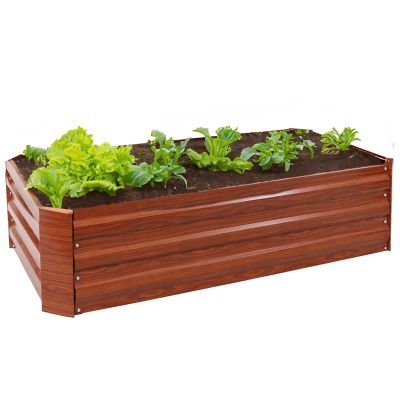
Vegetable gardening kits make it easier to get a productive garden started without gathering every piece of the setup separately. Depending on the kit, you may find a combination of seeds, growing containers, potting mix, soil discs, plant labels, trellises, fertilizer, or watering supplies in one convenient package. Some are sized for a sunny windowsill, porch, or apartment balcony, while others provide a larger raised bed for a backyard, homestead, or community garden plot. A small container can hold salad greens, herbs, radishes, or patio tomatoes close to the kitchen door, where it is easy to snip a handful for supper. Larger raised bed kits offer room for several vegetables and can be arranged around the space you have available. When comparing vegetable gardening kits, start with the growing area and the amount of sunlight it receives. Most vegetables perform best with several hours of direct light, though leafy greens and some herbs can handle a little less. Measure the space before ordering, and remember to leave enough room to walk around the bed or reach into the middle for weeding and harvesting. For porches and balconies, check the weight of filled containers and make sure the surface can support them. Kits with casters can be useful when a container needs to be moved into a sunnier spot or sheltered during rough weather. Raised beds may be especially handy for gardeners who prefer a higher planting surface, and modular designs can be changed to suit narrow side yards, broad garden spaces, or a corner near the barn. Gardeners working with limited room are not left out; compact pots, window boxes, and vertical supports can turn a sunny landing or fence line into a worthwhile growing area.
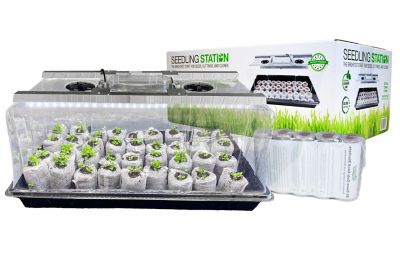
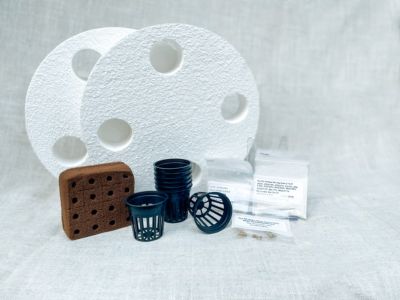
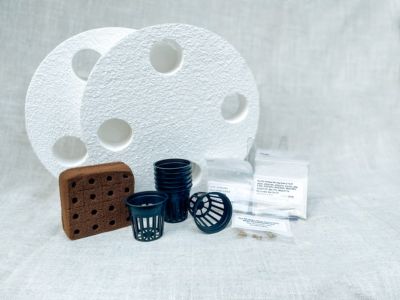
The materials and included supplies matter just as much as the size. For containers and raised beds, look for sturdy, weather-resistant construction that can stand up to watering, changing temperatures, and regular use. Food-safe materials are a sensible choice when you plan to grow vegetables for the table. Metal beds should be made for outdoor use and protected against rust, while plastic containers should be durable enough to resist cracking when moved or exposed to sunlight. Good drainage is essential in any vegetable garden kit. Excess water needs a way to escape so roots do not sit in soggy soil, especially during stretches of cool, wet weather. Self-watering features can help keep plants supplied when days get busy, but they still need to be checked so the reservoir does not run dry or stay overly full. Read the contents carefully before buying, since some kits include seeds and soil while others provide only the container or frame. You may need to add potting mix, compost, fertilizer, a watering can, or a simple hand tool set. Seed selection is another important detail. Choose vegetables that fit your available space and the growing conditions where you live. Compact varieties are often a better match for containers, while sprawling crops need room to trail or a support to climb. Kits with several kinds of seeds can be a fun way to try lettuce, peppers, carrots, beans, cucumbers, or other garden favorites without purchasing each item separately. During the cooler months, a kit can be used for planning and starting seedlings indoors, then moved outside as the weather warms and the plants are ready for stronger light. In milder areas, hardy greens and herbs may continue growing in protected containers for part of the season. A garden kit also makes a thoughtful gift for a new homeowner, a child learning where food comes from, a retired gardener looking for an easier setup, or anyone who enjoys fresh ingredients but does not have room for a full-size garden.
A vegetable gardening kit can bring a little of the farmstead spirit to nearly any home. There is something satisfying about filling a container with soil, pressing tiny seeds into place, and watching the first green shoots lift through the surface. Many gardeners remember the excitement of checking a bed before breakfast, finding that a bean has climbed another rung or that a radish is finally showing its shoulders above the soil. Kits help make those small victories more manageable by bringing the basic pieces together and giving plants a defined place to grow. They can also help seasoned gardeners add another planting area without building an entire new garden from scratch. Use containers near the back door for vegetables that benefit from frequent harvesting, such as salad greens and herbs. Set raised beds where they receive good light and are protected from heavy foot traffic, pets, and grazing animals. Keep young plants watered consistently, especially when roots are still getting established, and follow the care information included with the seeds or growing materials. A layer of suitable mulch can help conserve moisture and reduce splashing soil, while simple supports keep climbing plants off the ground. In rural settings, fencing or netting may be worth adding to protect tender growth from rabbits, chickens, deer, and other curious visitors. As the seasons shift, empty containers can be cleaned and stored, while durable beds can stay in place for future plantings. Pairing a vegetable gardening kit with other
Gardening Products can help round out the setup with soil amendments, plant food, gloves, watering supplies, and garden protection. Whether the goal is a few fresh leaves for lunch, a steady supply of homegrown vegetables, or a hands-on project for the whole family, choosing the right kit makes it easier to grow within the space, time, and conditions you have.