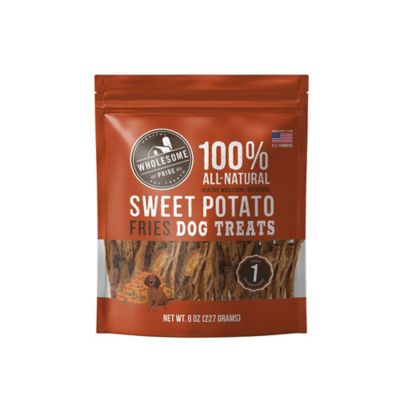
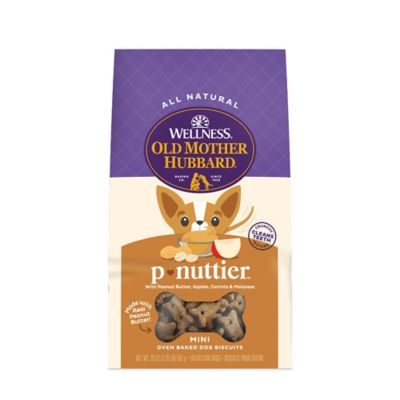
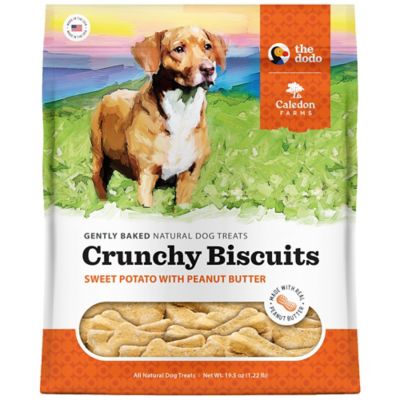
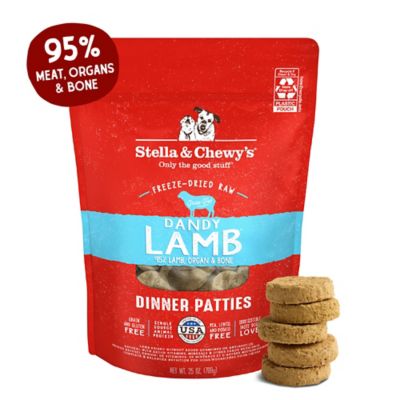
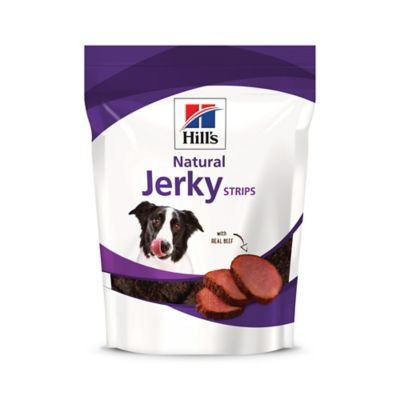
Vegetable dog treats offer a simple way to add variety to your dog’s reward routine, whether you’re working on basic manners, filling a treat pouch for a long walk, or looking for a small snack to share after a good day outside. These treats may feature ingredients such as pumpkin, sweet potato, carrots, peas, green beans, oats, spinach or other plant-based ingredients, depending on the recipe. Some are baked into crunchy biscuits, while others come as soft bites, chewy pieces or longer-lasting dental-style chews. Plant-based and vegetarian treats can be a good fit for families who prefer treats made without meat, households managing several dogs with different tastes, or pet parents who want a low-fat option for dogs that enjoy frequent rewards. They can also make a thoughtful gift for a new puppy owner, a neighbor with a well-loved dog, or anyone who enjoys stocking a treat jar by the back door. For a more focused look at one popular ingredient, browse
Sweet Potato Dog Treats. When choosing from vegetable dog treats, start with your dog’s age, size, chewing habits and individual dietary needs. Small, soft pieces are often easier for puppies, older dogs or dogs with dental concerns, while firm crunchy treats may suit dogs that enjoy a little more texture. Treats made for dental chewing should be selected with your dog’s size in mind and offered only when you can keep an eye on the chewing. A treat’s shape and size matter just as much as its ingredients; a large dog may swallow tiny treats too quickly, while a small dog may need bite-sized pieces that are easy to manage.
Reading the ingredient label is an important part of finding a good match. Look for a recipe that clearly lists its ingredients and choose treats made with ingredients your dog already tolerates. Pumpkin, plain sweet potato, oats, carrots and green beans are common examples of plant-based foods used in dog snacks, but a familiar ingredient is not automatically right for every dog. Dogs can have food sensitivities, and new treats should be introduced gradually rather than handed out by the handful. Avoid treats containing onions, garlic, grapes, raisins, chocolate, macadamia nuts or artificial sweeteners such as xylitol, which may also be listed as birch sugar. Peanut butter-flavored treats deserve a label check as well, since some peanut butter products contain sweeteners or extra ingredients that are not safe for dogs. If your dog is on a prescription diet, has a history of pancreatitis, diabetes, allergies or digestive trouble, check with your veterinarian before adding a new treat. A veterinary professional can also help you decide whether vegetarian or plant-based snacks fit your dog’s overall feeding plan. Treats are meant to complement a complete and balanced dog food, not replace regular meals, and they should generally make up only a small portion of daily calories. Keep fresh water available, especially when offering dry or crunchy snacks. Store opened treats in a cool, dry place and follow the package directions for freshness. Resealable bags or airtight containers help keep textures crisp and aromas appealing, which is useful when the treat jar sits in a busy mudroom, tack room or kitchen. If a package includes feeding directions based on dog weight, use those recommendations as a starting point and adjust the total amount of food your dog receives so rewards do not quietly add too many calories.
Vegetable dog treats can be used in plenty of everyday routines. Break larger treats into smaller pieces for training, where a quick reward may be needed many times during a session. A pea-sized bite can be enough for practicing a reliable sit, greeting guests politely, walking past distractions or coming when called. Softer treats work well for puzzle toys and reward games, while crunchy pieces can add interest to a treat-dispensing toy or slow-feed activity. For dogs that love to follow their people around the yard, a few carefully measured rewards can reinforce calm behavior around garden beds, gates, chickens or other outdoor distractions. During the warmer part of the year, keep treats protected from heat and moisture, and take a sensible supply along for hikes or trips to the park without leaving the bag in a hot vehicle. As the weather turns cooler, vegetable-based snacks can be handy for rewarding a dog during brisk walks, training sessions in the barn aisle or quiet time indoors after outdoor chores. Plain vegetables from the kitchen may also be used as occasional snacks when they are prepared safely, but packaged dog treats offer consistent portions and are easier to carry. Fresh carrots, plain green beans, or plain cooked pumpkin may work for some dogs, while seasoned, salted, buttered or heavily prepared vegetables should be avoided. Introduce any new food slowly and watch for signs of stomach upset, itching or other unusual changes. Every dog has its own preferences: one may crunch happily through a carrot-flavored biscuit, while another may favor a soft pumpkin bite or a chewy sweet potato piece. Keeping a few suitable textures on hand makes it easier to reward good behavior without overdoing any single snack. With thoughtful portions, a clear ingredient list and attention to your dog’s chewing style, vegetable dog treats can fit naturally into training, enrichment and the small moments that make life with a dog feel like home.