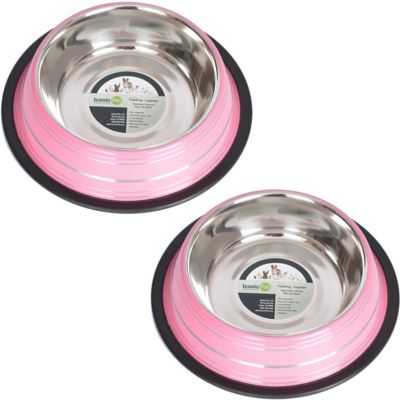
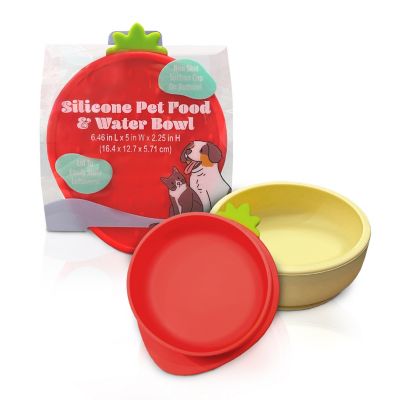
Valentine's Day pet bowls bring hearts, red and pink colors, and a little extra cheer to a dog’s or cat’s everyday feeding spot. They serve the same practical purpose as any pet bowl—holding food or fresh water—while adding a holiday touch to the kitchen, mudroom, or corner where a four-legged companion settles in for supper. The best match balances that look with the pet’s size, eating habits, and daily routine. Stainless steel, ceramic, and plastic each have different benefits worth considering. Stainless steel has a smooth surface that is generally easy to wash, and it handles bumps without the risk of breaking like ceramic. Its lighter weight can also make it handy for carrying between a feeding station and the sink, though a bowl without a gripping base may slide when an eager dog noses into dinner. Ceramic brings more weight to the feeding spot, which can help keep the dish steady, and its glazed surface offers room for colorful heart patterns. Ceramic bowls intended for pet food should have a food-safe glaze, with no chips or cracks along the rim or inside the dish. Plastic is lightweight and easy to move, but chewing and repeated scraping can leave grooves that make thorough cleaning harder. A pet that treats an empty bowl like a toy may need a different material altogether. Insulated bowl designs can help slow changes in water temperature, while a cover can be handy for carrying a dish when its design supports that use. Those features depend on the individual bowl, so care directions and intended use matter more than appearance alone. Heart patterns on the outside can add plenty of Valentine’s Day character without getting in the way of meals. A smooth interior, a comfortable rim, and a base that sits flat are the details that help a festive bowl earn its place in the daily routine long after the holiday celebration.
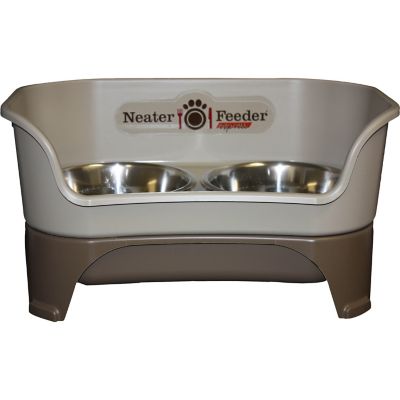
Size and shape make a noticeable difference when a pet puts its nose down for a drink or a bite to eat. A small dog needs enough room to reach food comfortably, while a large dog generally needs a broader dish with enough capacity for the intended meal or water supply. Bowl capacity may be listed in cups or fluid ounces, but that measurement describes the space inside the dish, not the right feeding portion for an animal. Food portions still depend on the food’s feeding directions and the pet’s needs, and a water bowl needs regular attention rather than simply being filled and forgotten. A shallow, wide bowl gives many cats room to eat without pressing their whiskers against tall sides. That same open shape can make food easier to reach for some short-muzzled dogs, while a deeper dish may suit a longer muzzle. Long ears bring another consideration: a narrower opening or a shape designed to help keep ears outside the dish can reduce the amount of dinner carried away on floppy ears. For a dog that pushes a bowl clear across the mudroom, a nonslip base or a heavier dish can help keep the feeding spot from turning into a chase. A bowl mat can catch stray kibble and small splashes, although it still needs washing and drying underneath. In a home with several pets, separate bowls and enough space between feeding spots can make meals calmer and help people see who is eating and drinking. A puppy’s bowl may need to change as the pup grows, and an older animal may benefit from a shape that is easier to reach. Raised feeding arrangements are not the right choice for every pet; a veterinarian can offer guidance when mobility or medical needs affect bowl placement. For everyday feeding, a Valentine’s Day pattern works best on a dish that suits the animal first, whether that means a low cat bowl beside the pantry or a steady water bowl for a dog coming in from chores.
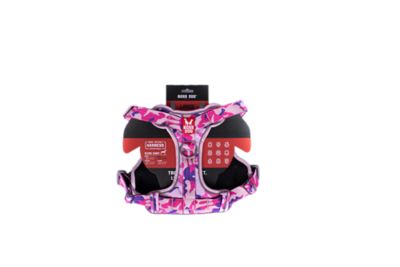
Regular care keeps a Valentine’s Day pet bowl ready for the next meal and helps protect the finish that gives it its holiday character. Food dishes need washing after meals, especially when they hold wet food, and water bowls need daily cleaning along with fresh water. A quick refill does not remove the film that can build up along the bottom and sides. Warm water, dish soap, a thorough rinse, and complete drying work for many bowls, while dishwasher cleaning is appropriate only when the care directions allow it. Printed finishes, attached rubber parts, and insulated construction can have different cleaning requirements. Removable bases and covers need attention around seams and edges, where moisture and food residue can linger. Ceramic deserves a regular check for chips and cracks, and plastic should be replaced when chewing or deep scratches leave a rough surface. Stainless steel also benefits from inspection around the rim and base, especially after a hard drop. Keeping a second clean bowl on hand makes the routine easier when one dish is drying or going through the dishwasher. As a gift, a Valentine’s Day pet bowl is a practical way to include a beloved dog or cat in the celebration, or to give a pet-loving friend something that fits into everyday life. Knowing the animal’s size, usual meal portion, and feeding space makes the choice more thoughtful than picking a pattern alone. For a dog whose day includes both supper and a walk, pairing the feeding theme with a
Valentine's Day Pet Harness carries the holiday look beyond the kitchen. A bowl can also be part of welcoming a new pet, with its own place set aside from busy foot traffic and household cleaning supplies. The lasting appeal is simple: a cheerful dish that feels at home beside the feed bin, stays manageable at the sink, and gives a favorite companion a comfortable spot for the everyday meals and drinks that matter most.