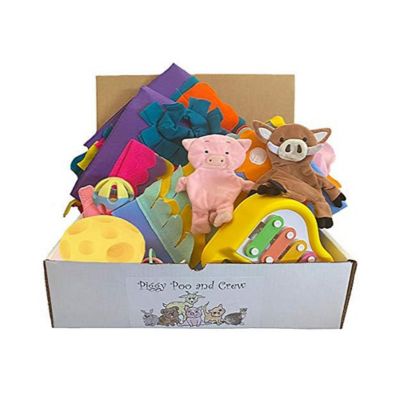
Valentine’s Day pet supplies bring together toys, treats, heart-themed apparel and everyday comforts that make a thoughtful gift for a dog or cat. Red and pink accents add a little holiday cheer, but the best match still comes down to the animal’s size, habits and favorite ways to spend time. A dog that carries a soft toy from the kitchen to the porch has different needs than one that works hard at every seam, while a cat that enjoys batting a ball across the floor may pass over something meant for wrestling. Plush toys offer soft textures for carrying and snuggling; rubber toys can suit chewing or fetch when their size and firmness match the dog; and rope toys give supervised tug games a familiar feel. No toy is indestructible, so construction matters more than its holiday appearance. Secure stitching, suitable thickness and fewer loose parts are worth considering, especially for pets that pull stuffing out or work at attached ears and tails. A toy should be large enough that the pet cannot swallow it, without being so heavy or wide that carrying it becomes awkward. Squeakers can encourage play, but a dog that tears toys open needs close supervision and a different option once pieces come loose. For cats, crinkly textures, batting toys and wand play offer different ways to stalk, chase and pounce. Catnip appeals to some cats, not all, so familiar play habits are a better starting point than the color or shape of a gift. Strings, feathers and small attachments call for supervised play and storage out of reach afterward. Washable materials also make sense in a home where paws track across the mudroom and favorite toys end up beside the food bowl. Following care directions and checking for split seams, missing pieces or frayed fibers helps keep playtime sensible. Whether the gift is for a longtime companion or a pet-loving family member, a toy that fits an animal’s everyday routine can keep its place in the play basket long after Valentine’s Day.
Pet treats bring another kind of Valentine’s Day fun, from a small reward after a walk to a little extra attention during an evening training session. Flavor, texture, portion size and ingredients all matter more than a heart-shaped presentation. Softer treats may suit pets that have trouble with harder textures, while small, easy-to-break pieces help keep training rewards manageable. A chewy snack should match the dog’s size and chewing style, with label directions and supervision guiding its intended use. Chews that are too hard can damage teeth, and pieces small enough to gulp can create a choking risk. Dental treats also need to fit the animal’s size and are not a replacement for veterinary dental care. For both dogs and cats, treats are extras rather than a substitute for a complete and balanced diet; a common guideline is to keep them within about 10 percent of daily calories, unless a veterinarian recommends otherwise. That matters when several family members each want to offer a holiday nibble. Ingredient lists are especially helpful for pets with known sensitivities, and a limited-ingredient label does not guarantee that a treat will agree with every stomach. Small portions of a new treat give pet parents a chance to watch for digestive trouble before offering more. Animals on a prescribed diet may need their veterinarian’s approval before any change. When giving treats to someone else’s pet, knowing the animal’s usual food and restrictions makes the gift more considerate. Dog and cat snacks are not automatically interchangeable, either, so the intended species belongs in the decision. Human Valentine’s candy stays separate from pet gifts: chocolate and sweets containing xylitol can be dangerous for dogs, and candy wrappers can cause trouble if swallowed. Pet-appropriate treats, stored in a closed container out of reach, keep the celebration centered on the animal rather than on a tempting box left on the counter.
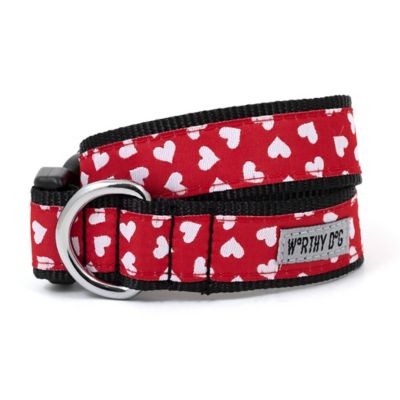
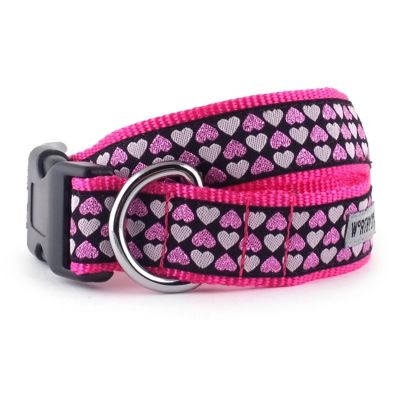
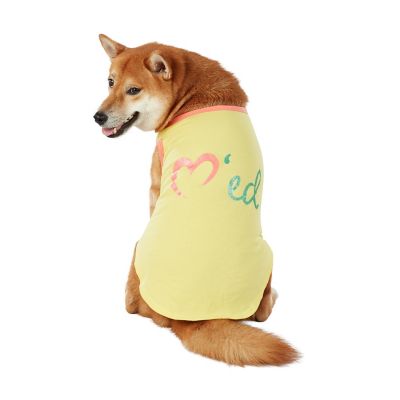
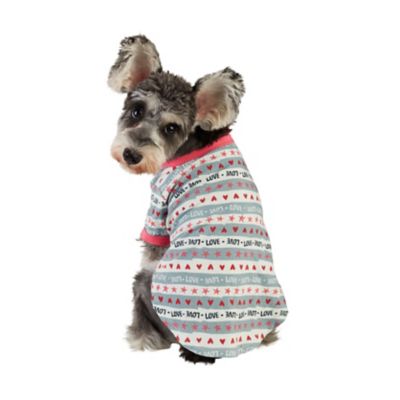
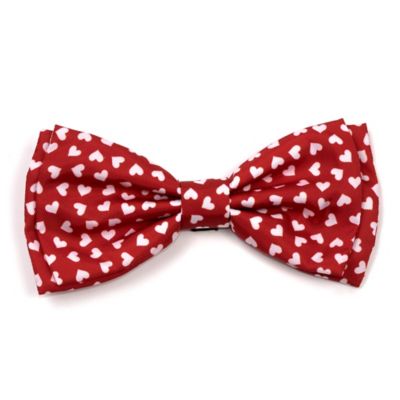
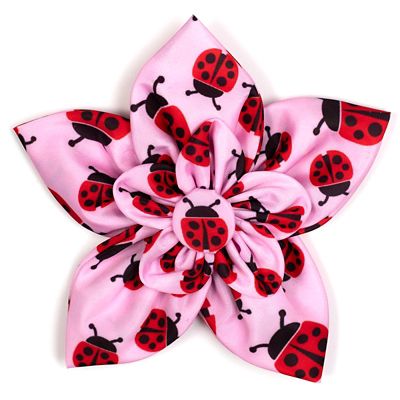
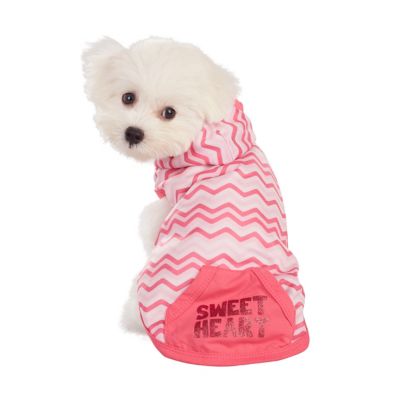
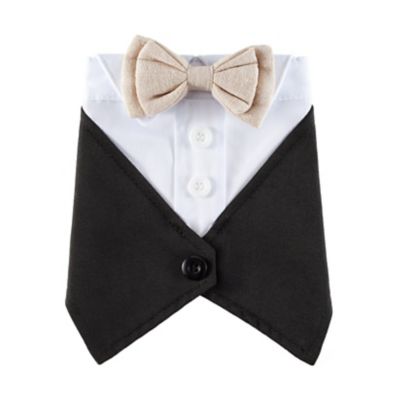
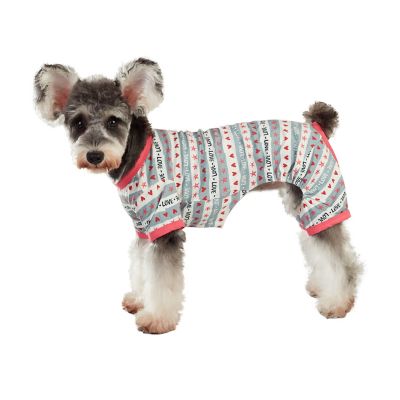
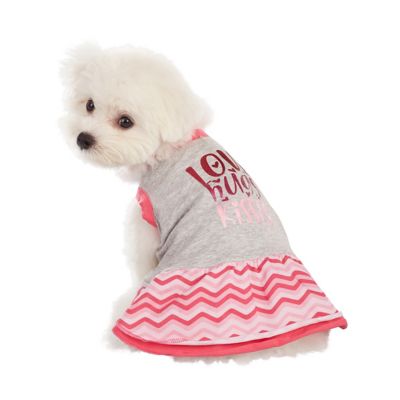
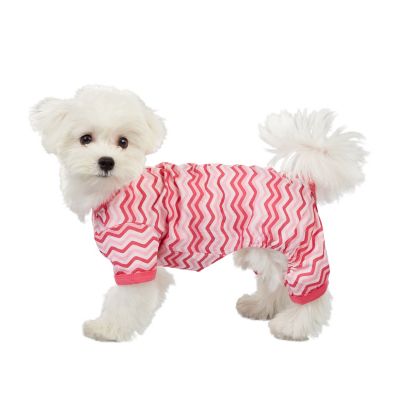
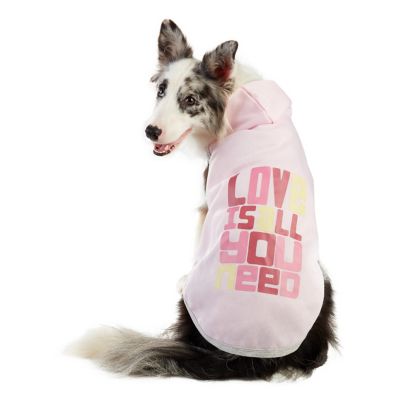
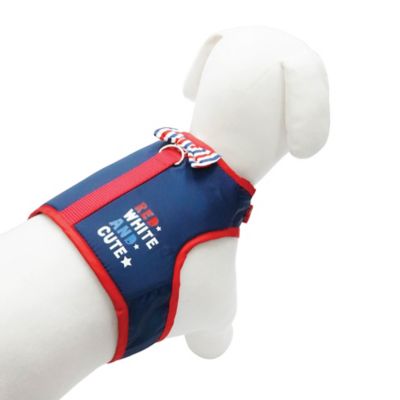
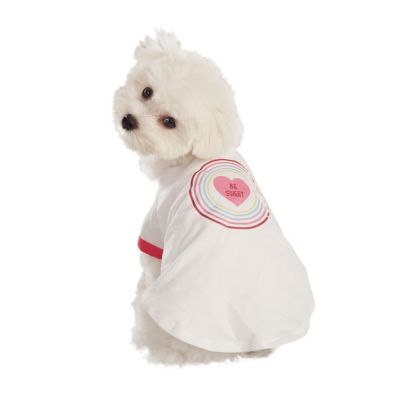
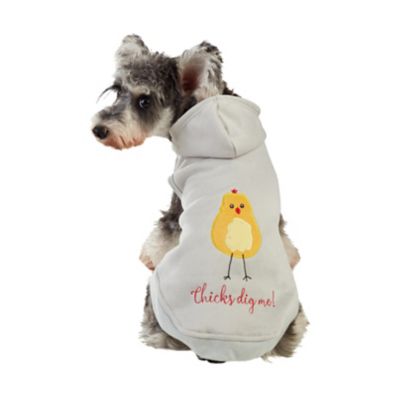
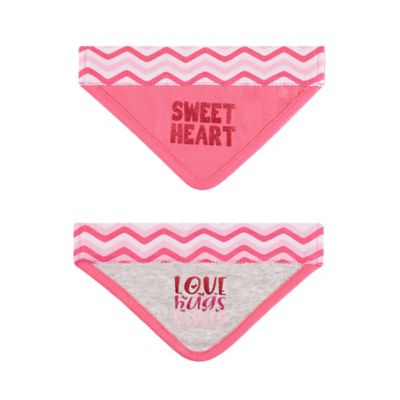
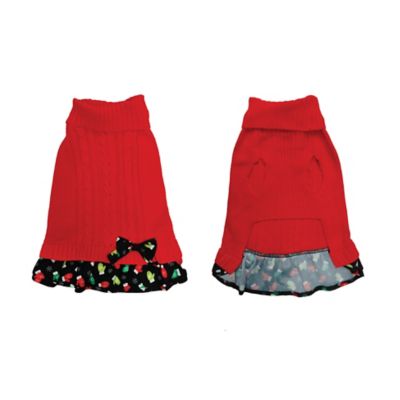
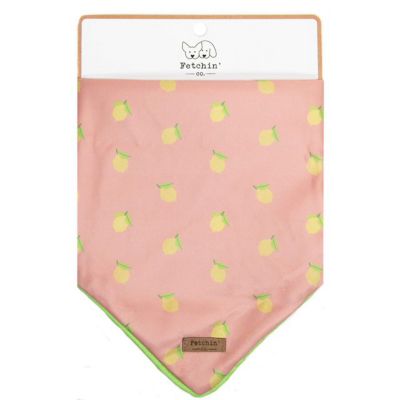
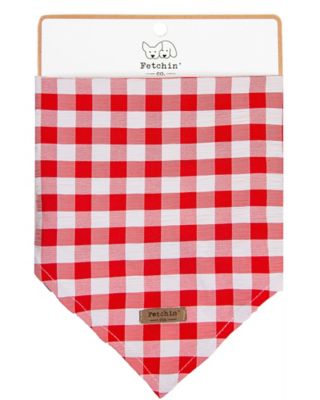
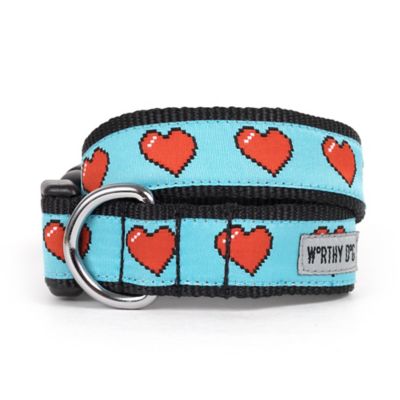
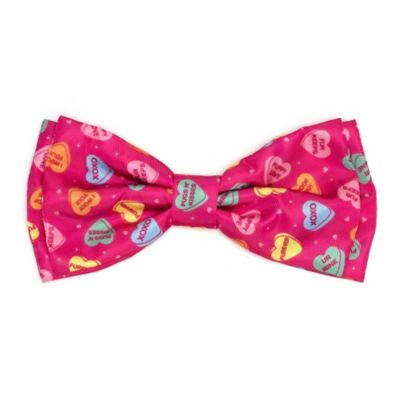
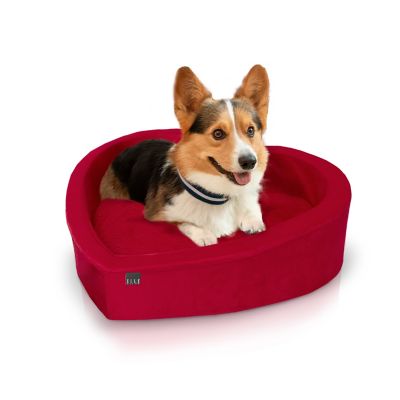
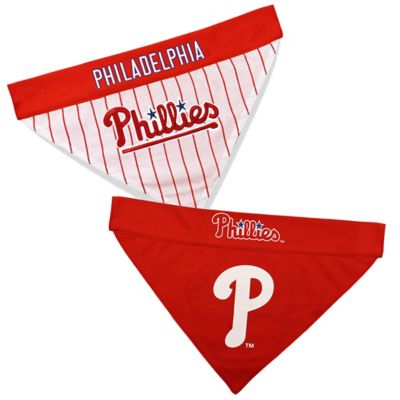
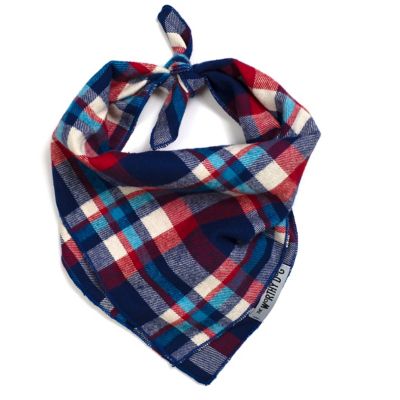
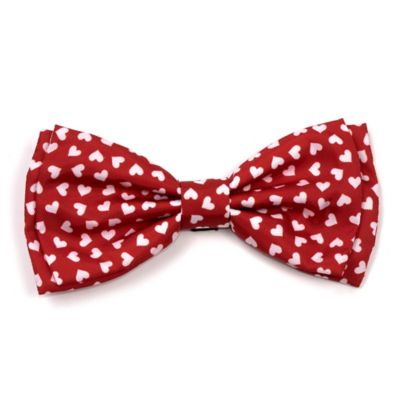
Valentine’s Day pet apparel and accessories add a festive touch without needing to take over the animal’s routine. A heart-patterned bandana or a comfortable outfit can suit a quick family photo, provided the pet tolerates it and can move freely. Fit starts with measurements rather than a size name alone: neck circumference, chest girth and back length help explain how a garment will sit, while a collar needs a secure fit with room for comfortable movement. Fabric should not pull at the shoulders, press into the armpits or interfere with breathing, vision, bathroom breaks or a harness. Cotton blends can offer a soft feel, fleece adds warmth where appropriate, and care labels explain whether a piece can go in the washing machine or needs gentler cleaning. Raised trim, loose ties and dangling accents deserve extra attention around pets that chew fabric. An animal that freezes, paws at an outfit or tries to escape it may be happier celebrating with a toy or treat instead. For daily accessories, an identification tag should remain readable, and leash hardware should suit the dog’s size and strength rather than simply match the holiday colors. Beds, blankets and washable feeding mats make practical gifts for pet-loving households, too. A dog that stretches out needs room beyond its body length, while a curled-up sleeper may settle into a bed with supportive sides. Older pets can benefit from easy entry and cushioning that supports a comfortable resting position. Removable covers and clear washing directions make cleanup easier when a bed sits near the back door or under the kitchen table. For a feline-focused present,
Cat Supplies Valentine's Day Gift offers a place to keep the shopping centered on cats. Their preferences may lean toward a quiet resting spot, a scratching surface with a satisfying texture or a toy that brings out a burst of play. A thoughtful Valentine’s Day pet gift fits the life the animal already enjoys: a good stretch, a little play and a comfortable place close to the people they know.