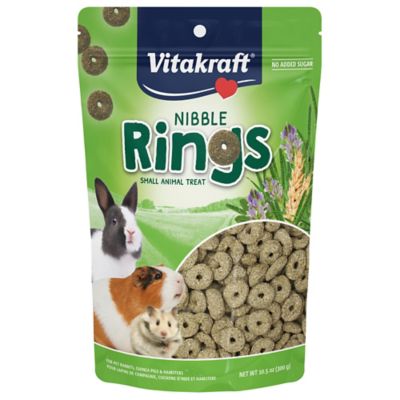
A Valentine’s Day gift for small pets can be as simple as something good to nibble, a cozy place to tuck away or a new way to explore familiar surroundings. For rabbits, guinea pigs, hamsters and other little companions, a thoughtful gift fits the animal’s natural habits rather than just the holiday’s colors. Chew toys, species-appropriate treats, tunnels, hideaways and foraging accessories bring a little extra attention to the routines that keep pets busy and comfortable. A rabbit that noses through its hay may enjoy an enrichment toy that encourages searching, while a hamster that spends its evenings burrowing may get more out of a roomy hideout than something meant for posing in a picture. Valentine’s Day treats deserve the same care as everyday feed. Ingredients, serving size and the animal’s usual diet matter more than a heart shape or a festive package. Grass hay remains central to the daily diet of rabbits, guinea pigs and chinchillas, and treats should not crowd out that foundation. Guinea pigs also need a dependable dietary source of vitamin C; a holiday snack is no substitute for their regular nutrition. Hamsters, gerbils, rats and mice have different feeding needs, so a snack labeled for one small animal is not automatically a fit for every other one. Ferrets have another set of needs altogether, including a meat-based diet, which makes many plant-based small-pet treats unsuitable for them. Clear species labeling and ingredient lists help narrow the choices without turning gift shopping into guesswork. Human candy, chocolate and sugary holiday desserts belong well away from the enclosure. The sweet part of the occasion is the extra care, not extra sugar. For a household with several little animals, separate gifts matched to each pet’s diet and habits make more sense than one shared treat assortment. Familiar flavors and modest portions can keep the celebration close to a pet’s normal routine.
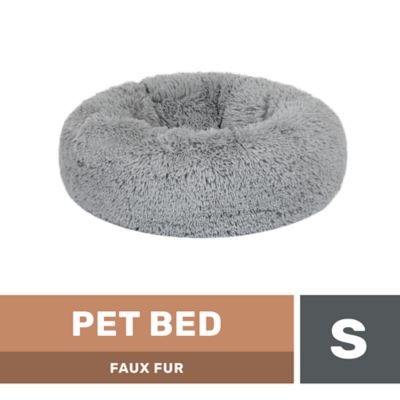
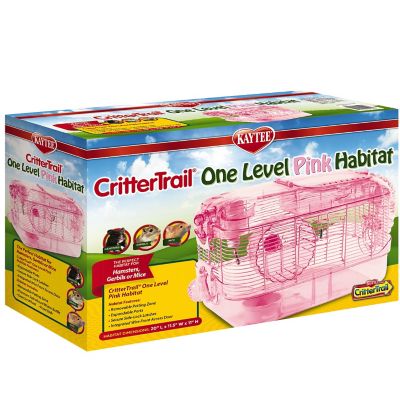
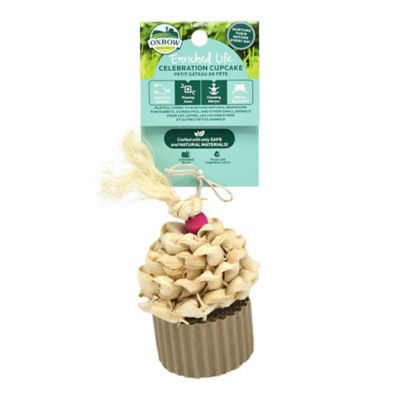
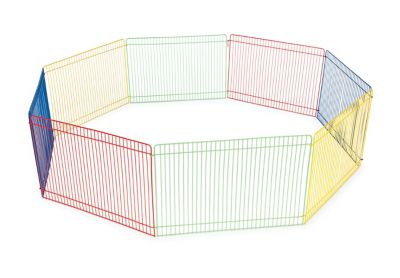
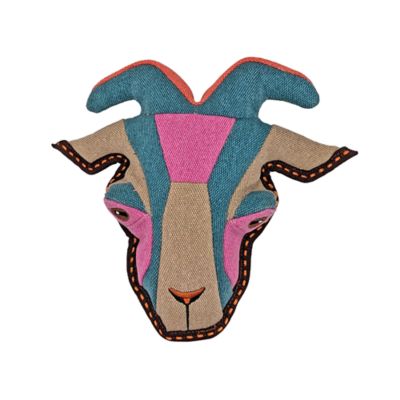
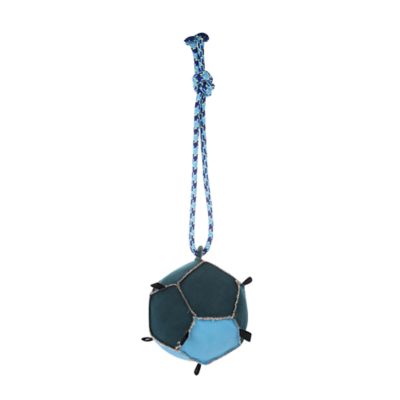
Materials and sizing make a real difference in how a small-pet gift fits into everyday life. Chewable accessories made from animal-safe, untreated wood or suitable plant fibers give pets something to investigate with their teeth, but the material needs to be appropriate for the species and clearly intended for animal use. Not every branch, woven basket or craft material belongs in a habitat. Paint, glue, exposed staples and loose parts are worth watching for, especially with pets that work steadily at edges and seams. A rabbit may put a chew toy through plenty of wear in an afternoon, while a smaller rodent may spend days nibbling the same corner. That wear is part of the purpose of a chewable gift, though pieces that become sharp or small enough to swallow need attention. For tunnels and hideaways, the important measurements are the opening, interior space and footprint in the enclosure. A pet should be able to enter, turn around and leave without squeezing through a tight spot. In a shared habitat, more than one entrance can help keep one animal from blocking another inside. Room for movement matters outside the hideaway, too; a new gift should not crowd out feeding areas, exercise space or the animal’s established resting spots. Fabric beds and soft shelters call for a closer look at chewing habits. They may suit some supervised settings, but pets that pull out stuffing or swallow fabric need a different option. Loose threads and fraying edges can catch toes, so neat seams and regular checks matter more than a fancy finish. Clothing and wearable accessories are not a natural match for every small pet. Many rabbits and guinea pigs find dressing up stressful, and anything that restricts movement, breathing or grooming has no place in their routine. A festive touch outside the enclosure, beyond chewing reach, can mark Valentine’s Day without asking an animal to wear something uncomfortable. Comfort comes before a matching photo.
The gifts that earn a place in a small pet’s routine are often the ones that make ordinary moments a little better. Picture a guinea pig stepping into a shelter after its morning hay, a rabbit nudging a foraging toy across a safe play area or a rat investigating a new tunnel during supervised time outside the cage. Those are the sorts of moments that make small-animal Valentine’s Day gifts feel personal without adding fuss. Foraging accessories work best when their openings and difficulty suit the animal, with food easy enough to reach that exploration stays rewarding. A cautious pet may need time to approach something unfamiliar, while an eager chewer may need closer watching from the start. Introducing one new accessory at a time also leaves familiar resting places and scents in place. Care requirements are part of the choice, particularly for busy households juggling chores, school and animal care. Washable surfaces, accessible corners and removable covers can make cleanup less of a project, provided each material is suitable for the pet. Follow the care label, rinse away cleaning residue and let washable pieces dry fully before returning them to the habitat. Porous chew toys that become wet or soiled generally need replacement rather than a trip through the wash. Regular checks for cracks, loosened fittings and worn seams help keep a favorite gift fit for its purpose. When shopping for someone else’s pet, knowing the species, enclosure measurements, usual food and chewing habits makes the gesture more useful. A grandchild’s hamster and a neighbor’s house rabbit may both be small companions, but their space, diet and enrichment needs are quite different. For households celebrating with other animals as well, the
Pet Accessories Valentine's Day Gift collection offers another place to browse for the occasion. For little companions, the best fit comes back to everyday needs: room to move, a safe place to rest and something suitable to explore. A gift that respects those habits brings the heart of Valentine’s Day into daily pet care.