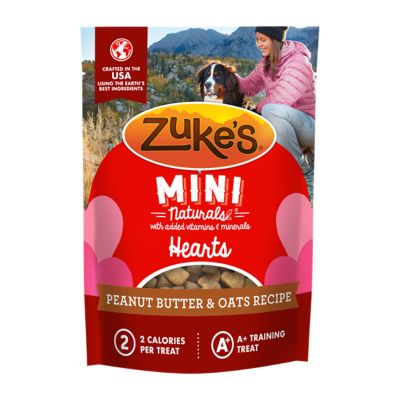
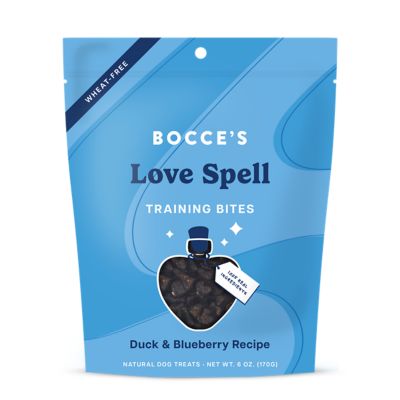
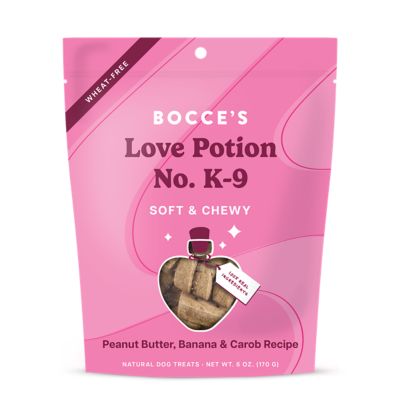
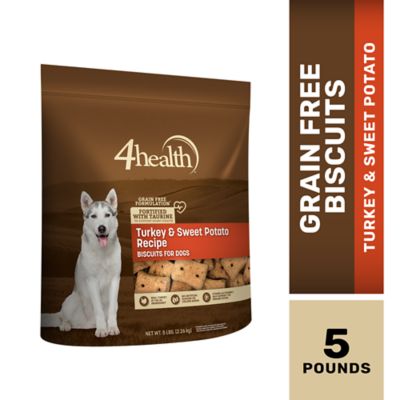
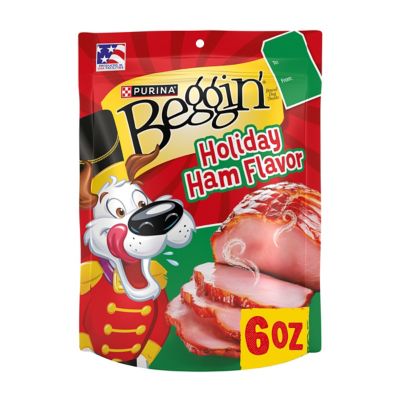
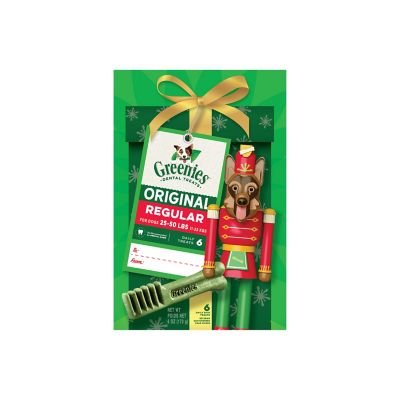
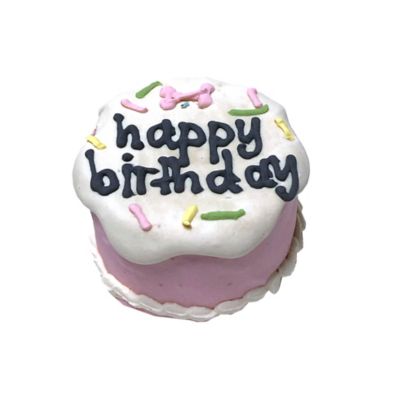
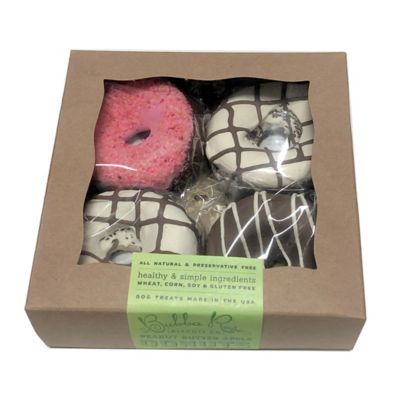
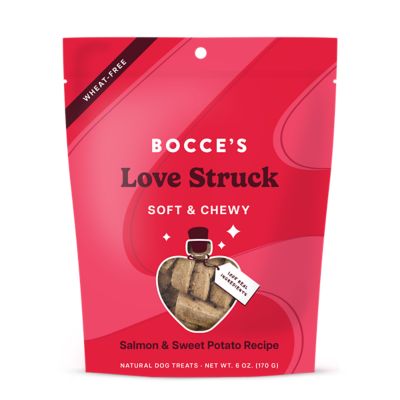
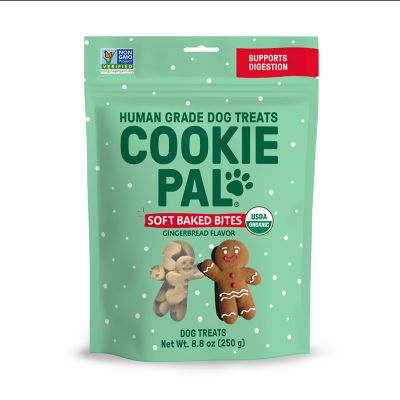
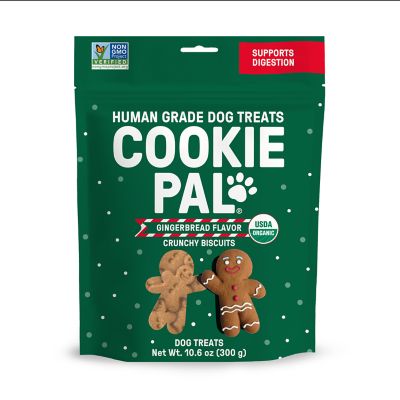
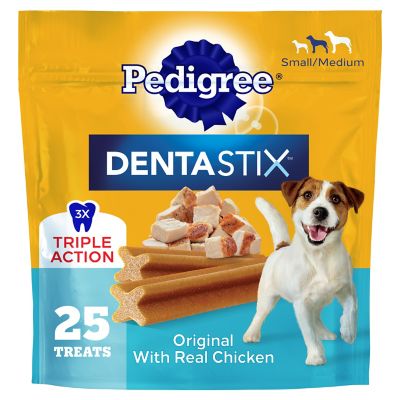
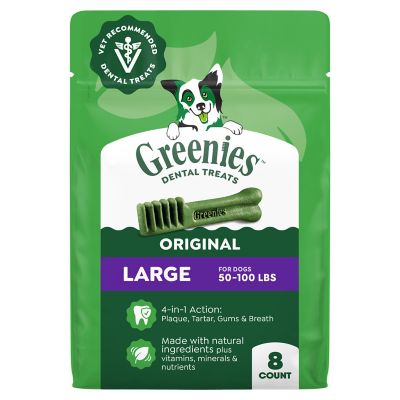
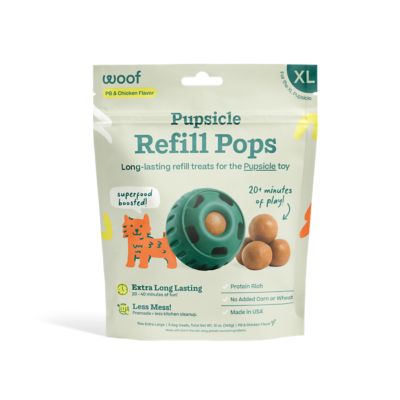
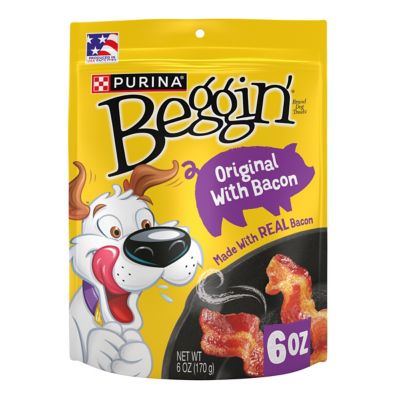
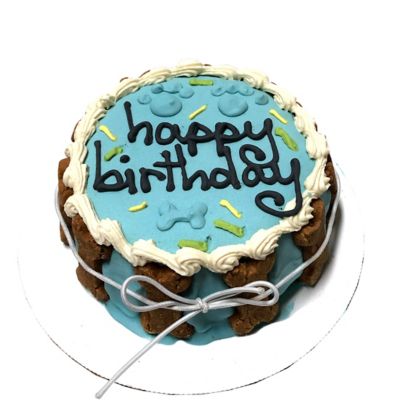
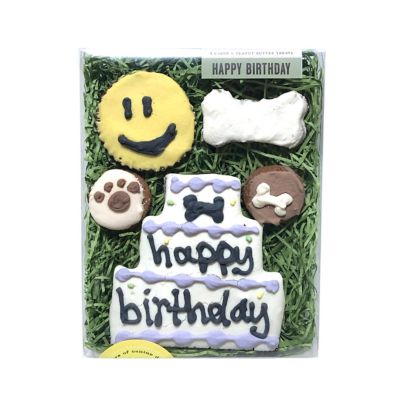
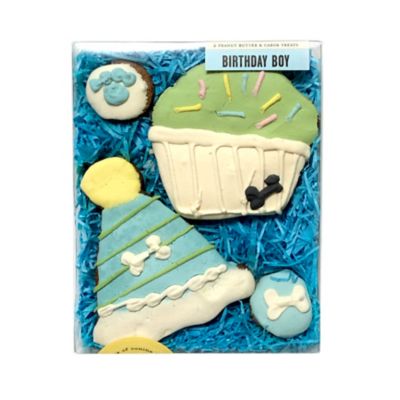
Dog treats make a thoughtful Valentine’s Day gift when they match the dog’s size, eating habits, and dietary needs. A festive shape or cheerful package adds to the occasion, but the real appeal is a treat the dog can safely enjoy during an ordinary moment together. That might mean a small reward after coming when called across the yard, a biscuit following an evening walk, or a bite offered after settling down while the family eats supper. Baked biscuits, soft bites, and meat-based treats offer different textures and flavors, giving the gift a purpose beyond its presentation. Crunchy treats suit dogs that comfortably chew firmer foods, while softer options may be easier for dogs that need a gentler bite. Texture alone does not determine suitability, though; a dog with sore teeth or trouble chewing needs advice from a veterinarian rather than simply a softer snack. Treat dimensions matter just as much as texture. A large biscuit can be awkward for a little dog, while a large dog may swallow a small treat without much chewing. Package directions for age, weight, and serving size help narrow the fit, especially for puppies whose needs differ from those of adult dogs. For training rewards, small portions let a dog enjoy several successful moments without turning each reward into a full snack. For a gift meant to accompany quiet time at home, a familiar flavor can be more welcome than a big change in the dog’s routine. Heart-shaped treats fit the Valentine’s Day theme, but shape should stay secondary to ingredients and feeding directions. A gift for a neighbor’s farm dog, a family member’s longtime companion, or the pup who rides along on errands feels more personal when it reflects what that dog already enjoys. The owner’s preferences count, too, particularly when treats are part of an established feeding plan.
Ingredients are worth a close look before a Valentine’s Day dog treat gift changes hands. A dog-friendly recipe may include meat, oats, pumpkin, or peanut butter, but familiar ingredient names do not automatically make every treat suitable for every dog. The full ingredient list matters for pets with food sensitivities, and the owner can usually share which proteins or other ingredients need to stay out of the bowl. Dogs following a veterinary diet may have stricter limits, so a treat that fits one household may not fit another. Grain-free wording is not, by itself, a reason to choose a treat; the dog’s established diet and a veterinarian’s recommendations are better starting points. Human Valentine’s Day sweets belong well away from pets. Chocolate and products containing xylitol can be dangerous for dogs, and raisins and macadamia nuts are also unsafe choices. Peanut butter should be checked for xylitol before it is offered to a dog. Dog treats are extras rather than meal replacements, even when the occasion calls for a little fuss. A common veterinary guideline is to keep treats and other extras within about 10 percent of a dog’s daily calories, with the regular diet providing the rest. Calorie information and feeding directions help an owner account for a larger biscuit or several smaller rewards. Breaking a suitable treat into smaller portions can stretch the enjoyment without adding more food, provided the pieces are appropriate for the dog. Care after opening matters as well. Following the package’s storage directions, closing bags securely, and keeping treats away from moisture helps protect their condition. Some treats have refrigeration requirements or a shorter storage period after opening, so those directions should stay with the gift. Keeping the original label also preserves ingredient information, feeding instructions, and the best-by date. Clean hands and clean storage containers help keep snack time tidy, while a cupboard out of reach prevents an eager dog from helping itself to the whole package.
A Valentine’s Day treat gift works especially well when it fits naturally into the recipient’s daily routine. For the dog that tags along while gates get checked or feed buckets get filled, an owner may appreciate treats that are easy to portion and carry in a closed pouch. For a companion who spends more time curled up near the family, a modest serving after a walk or a calm greeting can make the occasion feel special without changing the day’s feeding schedule. A first-time gift for someone else’s dog is best grounded in a quick check with the owner about favorite flavors, food restrictions, and chewing habits. Familiar treats are often the simplest choice for a dog with a sensitive stomach, and any change deserves a measured approach rather than several new foods at once. In homes with more than one dog, separate treat moments can help prevent rushing, guarding, or one pet grabbing another’s portion. Children can take part with adult supervision, offering an appropriate treat in the way the owner recommends and giving the dog room to eat peacefully. Edible chews call for particular attention to sizing, package directions, and supervision; a longer-lasting chew is not automatically the right match for a powerful chewer or a dog that gulps food. Gift presentation should stay practical, too. Ribbons, wrappers, and other loose packaging need to be removed before anything reaches the dog, and a sealed treat package helps keep feeding information close at hand. For a gift that pairs snack time with a comfortable place to settle,
Pet Bed Gifts For Valentine's Day offers a related way to mark the occasion. The treat portion can remain small while the time together does the rest: a few minutes practicing a familiar cue, a walk along the fence line, or a quiet pause beside a favorite person. That everyday connection is what makes dog treats a fitting Valentine’s Day gift. Thoughtful sizing, suitable ingredients, sensible portions, and careful storage keep the focus on a happy moment shared with a well-loved companion.