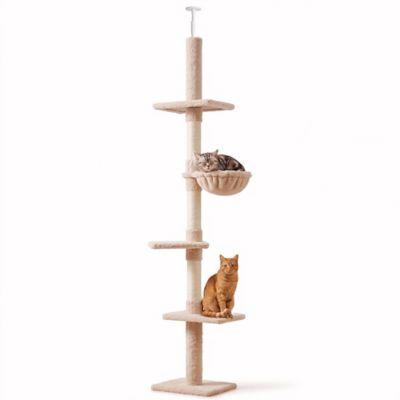
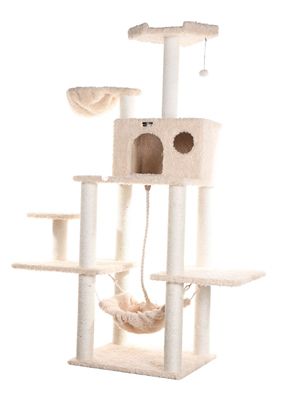
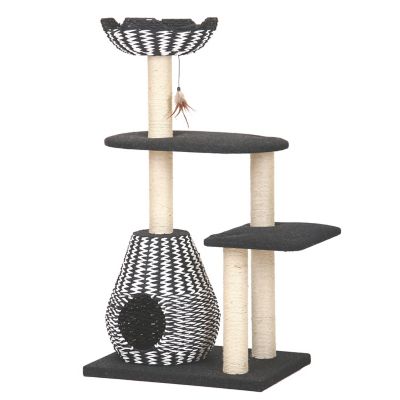
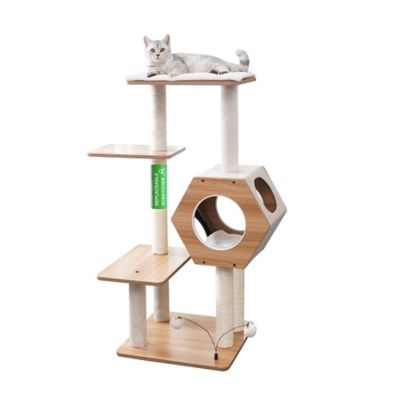
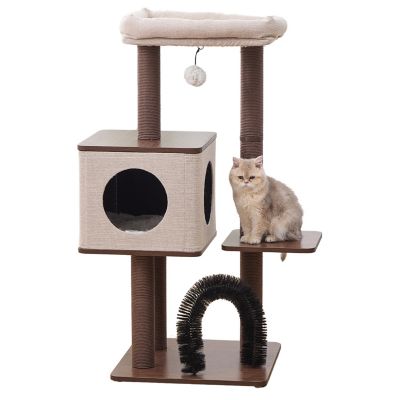
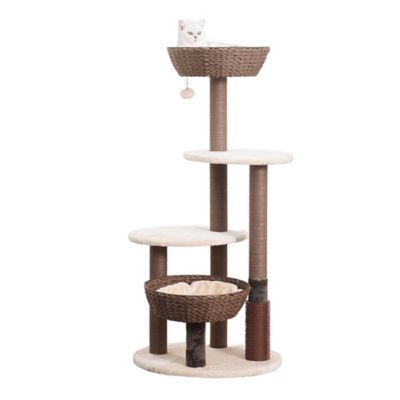
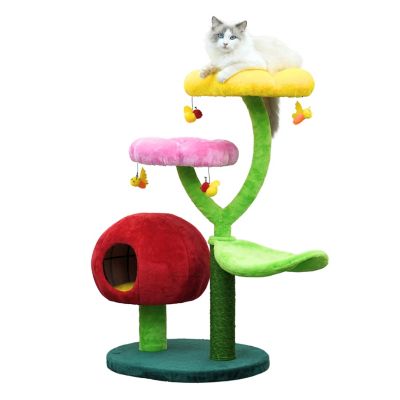
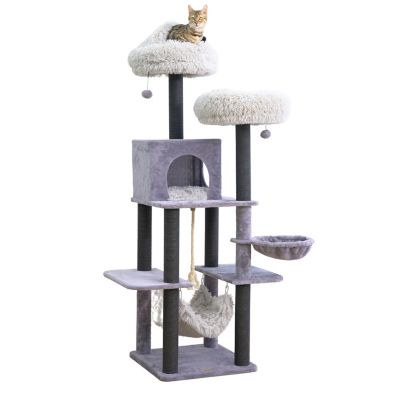
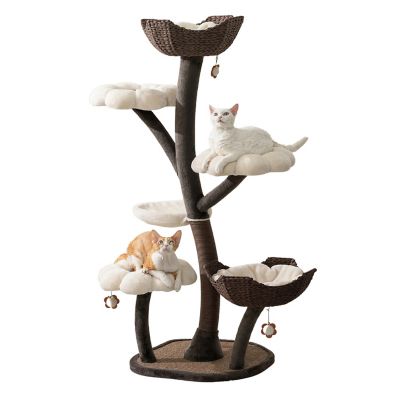
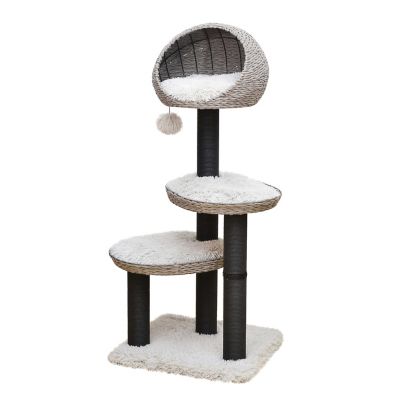
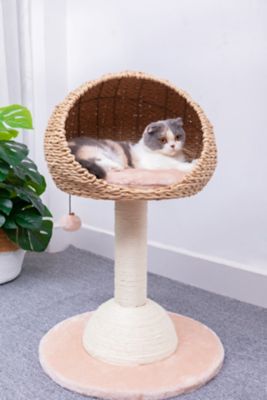
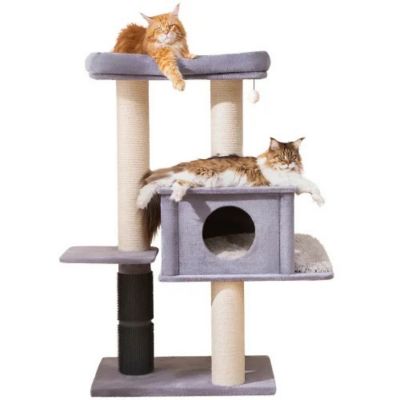
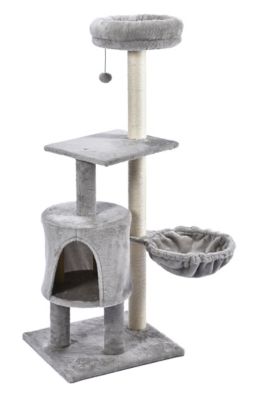
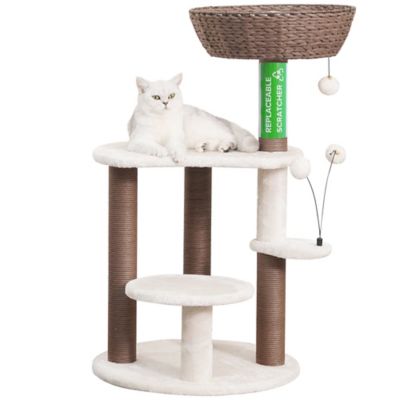
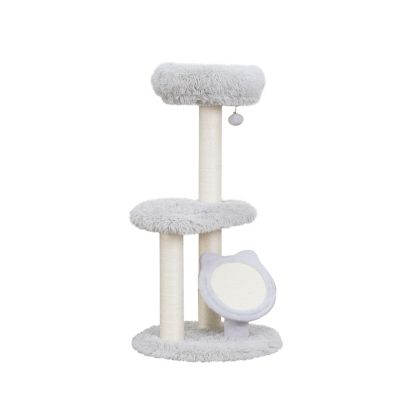
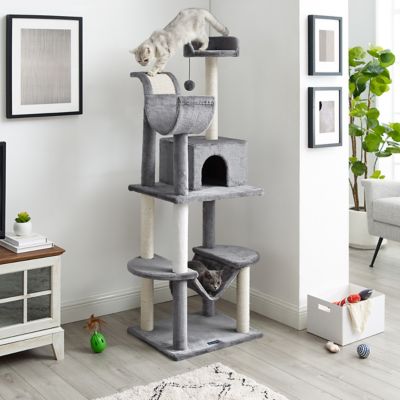
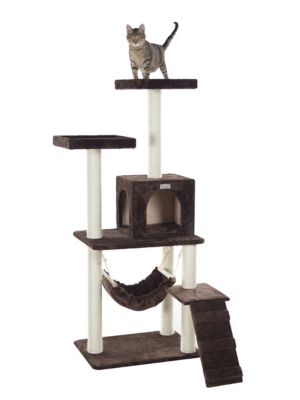
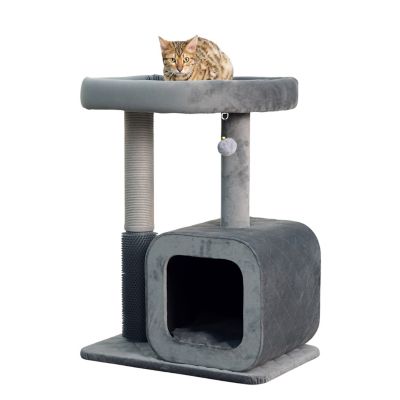
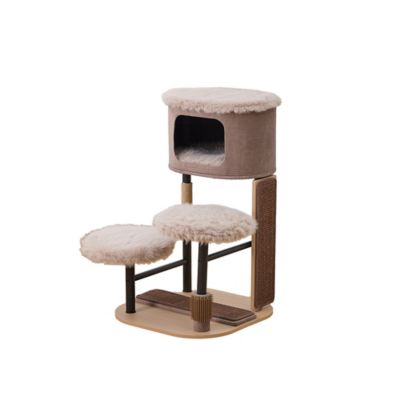
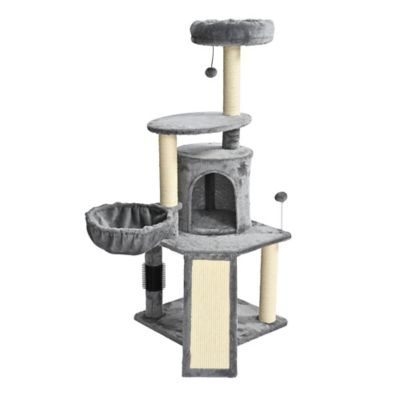
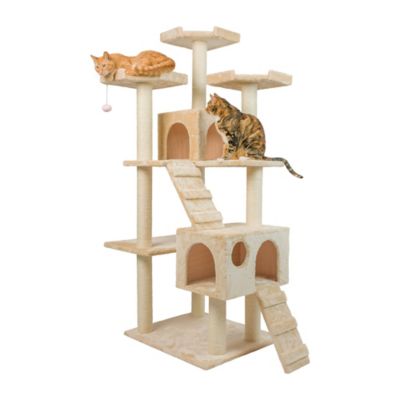
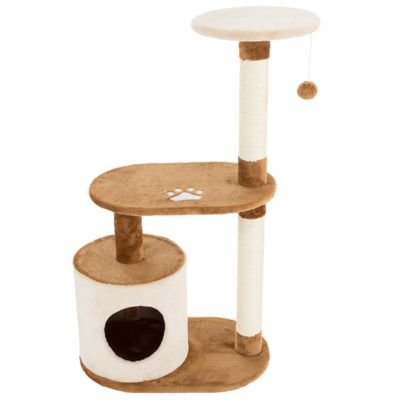
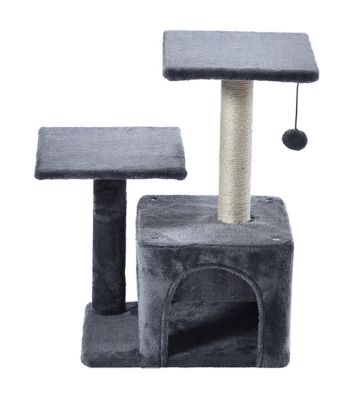
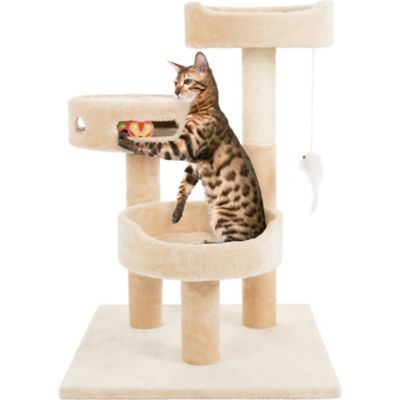
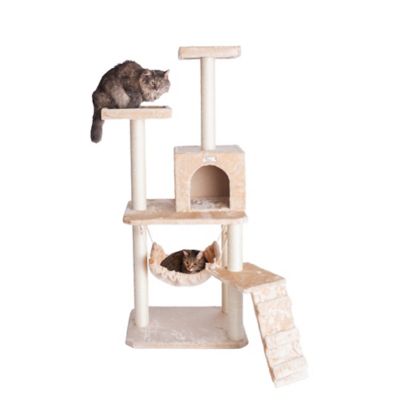
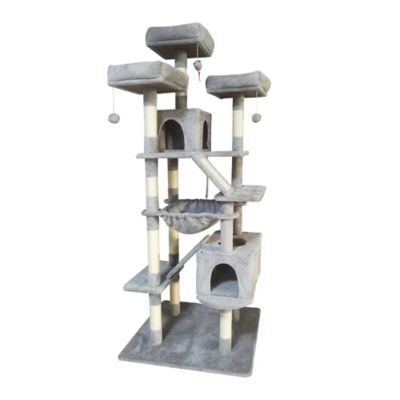
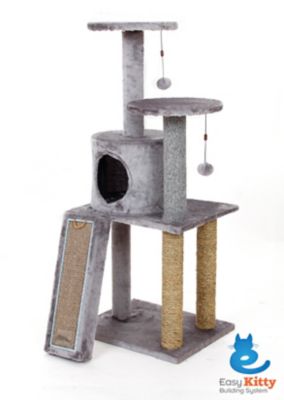
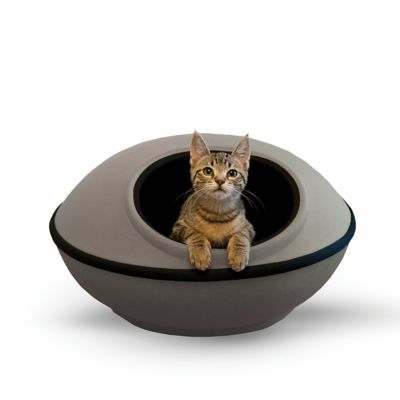
A Valentine's Day cat tree gift gives a favorite feline a place to climb, scratch, stretch and settle in for a good nap. It brings a little holiday charm into the house while serving a purpose long after the celebration ends. Heart-shaped beds, rounded hideaways, flower-inspired perches and shades of pink, purple or red can carry the Valentine’s theme, but the layout matters just as much as the look. A cat that heads straight for the back of the couch may enjoy a raised perch with a clear view of the room. One that disappears into cardboard boxes may feel more at home in an enclosed cubby with a roomy entrance. Scratching posts give cats a surface for working their claws and stretching their backs, while platforms at different heights create places to pause between climbs. Some trees bring those features together in a small footprint; taller towers offer more vertical space without spreading across the whole floor. For a cat-loving partner, family member or friend, this kind of gift shows attention to the animal they spend time with every day. It can also be a thoughtful addition for someone who has welcomed a cat into the household and is making room for its routines. Picture a perch near a living room window, a tucked-away bed beside the couch or a scratching post within reach after a long snooze. Those everyday details help a cat tree earn its place in a busy home. A holiday-themed shape does not need to take over the room, either. Soft colors can blend with existing furniture, and a simple tree with a heart-shaped resting spot can offer a smaller nod to the occasion. The best match depends on how the cat actually spends its day: watching, hiding, climbing, scratching or sharing space with another cat. A Valentine’s Day gift feels more personal when its features suit that familiar personality rather than just the holiday colors.
Materials and construction shape how a cat tree feels under paws and how it handles daily activity. Plush fabric, fleece-like coverings and velvet-style surfaces can provide soft resting areas, while sisal or jute rope offers a coarser scratching texture. Carpet-covered sections give cats another surface to grip, though each animal may have its own preference. Solid wood, plywood and engineered wood can all appear in cat furniture, and the overall build matters more than the material name alone. A broad base, secure connections and well-supported platforms help keep a tree steady when a cat jumps onto it. Height by itself does not tell the whole story. The size of the base, spacing between levels and position of the resting areas all affect the fit for both the cat and the room. A large cat needs enough platform space to lie down comfortably without hanging halfway over the edge; an enclosed bed needs an opening that allows an easy turn and exit. Weight ratings should match the intended occupants, including more than one cat when the structure is designed for shared use. In a two-cat household, separate resting spots and more than one route between levels can give each animal a little breathing room. Kittens may benefit from shorter climbs and easy-to-reach platforms, while older cats or cats with limited mobility may do better with low steps and beds closer to the floor. Tall towers generally suit confident climbers, provided the construction, placement and any specified wall attachment support that use. Scratching sections also need enough accessible length for the cat to stretch, rather than being crowded beneath a platform. Hanging toys can add play value, but loose cords, damaged attachments and small pieces deserve attention, especially around cats that chew. Most upholstered cat trees belong indoors, away from damp areas and busy doorways. In a farmhouse living room or a smaller apartment, clear floor space around the base helps a cat land without bumping into a chair, basket or passing pair of boots.
Day-to-day care is another part of choosing a Valentine's Day cat tree gift that will stay useful. Removable cushions or bed covers can make cleanup easier, but washing directions vary by fabric and construction. Some covers allow machine washing; others call for spot cleaning. Vacuuming upholstered surfaces helps lift loose hair, litter dust and crumbs, especially around seams and the corners of enclosed beds. Rope-wrapped posts need periodic checks for unraveling, and exposed staples, loose hardware or cracked supports are signs that a section needs attention before the cat returns to it. Trees with replaceable scratching sections or cushions can make ongoing upkeep more manageable when those components are part of the design. A gift recipient will also appreciate knowing the assembled dimensions, floor-space needs and care requirements before finding a place for it. Placement can make a big difference in whether a cat takes an interest. A tree near the family’s usual sitting area lets a social cat stay close without occupying every lap, while a quieter corner may suit a shy cat better. A window-facing perch can offer a view of birds and activity outside, provided cords, open windows and other hazards are kept out of reach. Some cats investigate new furniture immediately; others need time, familiar bedding or a favorite toy nearby. There is no need to rush a hesitant cat onto a high platform. For a gift that includes a few smaller essentials alongside the tree, the
Cat Supplies Valentine's Day Gift page keeps the focus on the same occasion. Whether the tree has a bright heart-shaped bed or a simpler arrangement of posts and perches, its lasting appeal comes from giving the cat comfortable choices. A good stretch after a nap, a quiet hideaway when company arrives and a lookout above the bustle of the room are small pleasures worth making space for. That is what turns a Valentine's Day cat tree from a holiday gesture into part of a cat’s everyday home.