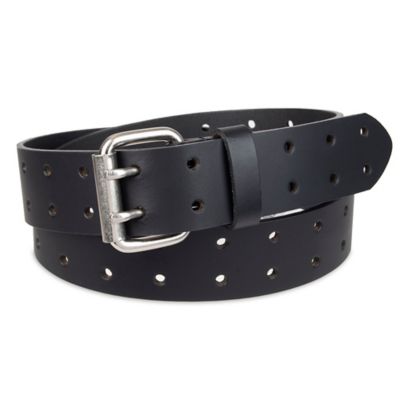
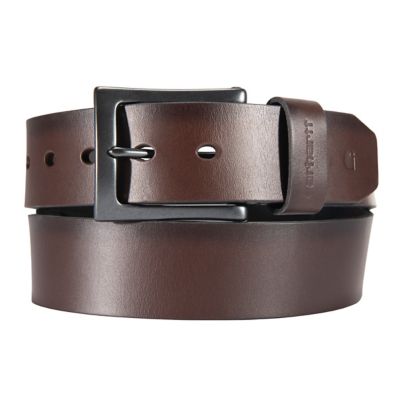
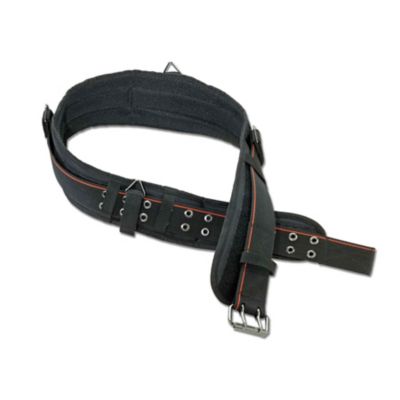
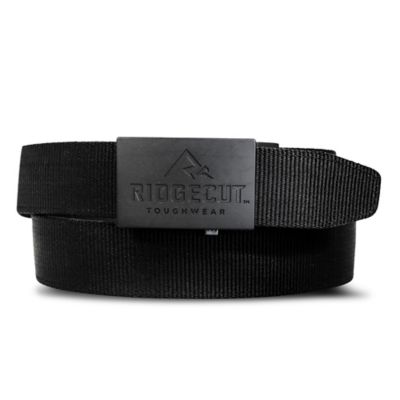
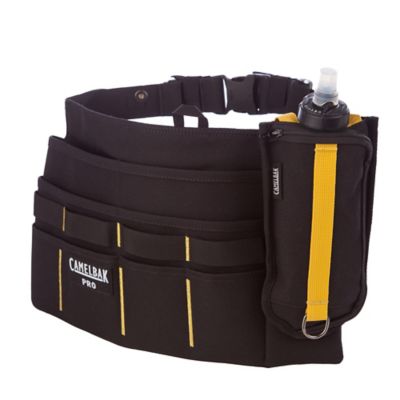
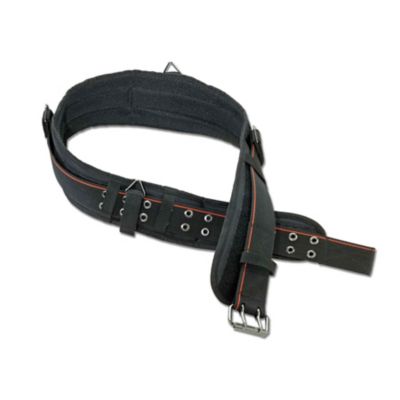
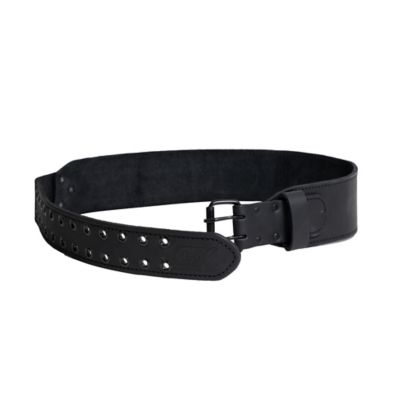
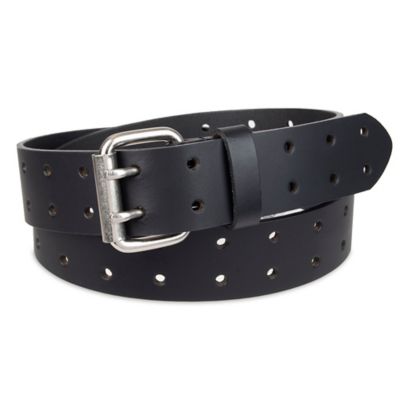
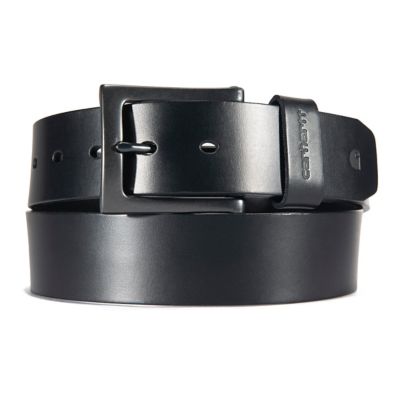
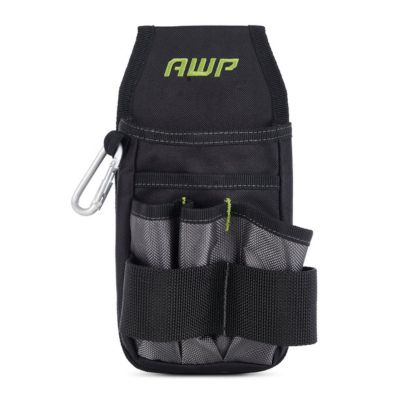
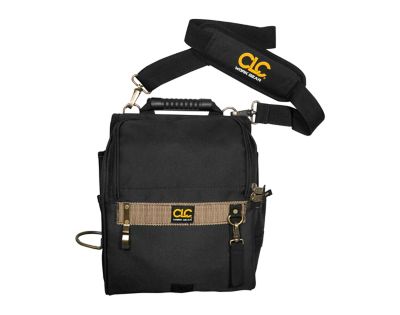
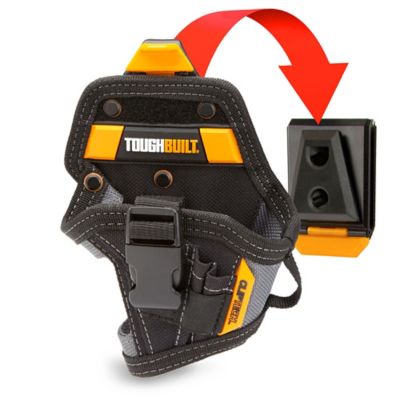
A utility belt is a wearable belt designed to carry tools, small equipment, and work essentials around the waist, keeping them within reach while leaving your hands free. For folks repairing fence, hanging a gate, working in the shop, or tackling home repairs, that means less walking back to a toolbox for the same few tools. Unlike an everyday belt meant mainly to hold up pants, a utility belt has a construction and attachment system intended for carrying gear. Depending on the design, it may support removable pouches, tool loops, holders, or compartments built into the belt itself. The right arrangement depends on the work: a few essentials for quick chores call for a different setup than several hours of carpentry or maintenance. A compact layout keeps a measuring tool, pencil, and small hand tools close without crowding the waist. A larger arrangement can separate fasteners from tools and give frequently reached-for gear its own spot. Carpenters, electricians, maintenance workers, farmers, ranchers, and homeowners all have reasons to keep everyday equipment close at hand. Someone moving along a fence line benefits from not setting a tool down at every post, while someone fitting a board needs room to bend and reach without a pouch getting in the way. Pocket placement matters as much as pocket count. Deep compartments can help contain small supplies, while open holders allow quicker access to tools that come out repeatedly throughout a job. Closures add another consideration when the work involves kneeling, climbing, or leaning over. Belt attachments should suit the tools they carry, with enough support to keep the load from twisting or pulling away from the body. A utility belt works best as a practical place for the gear needed most often, rather than a place to carry every tool in the shop. A standard utility belt is for carrying equipment, not for fall protection or supporting body weight.
Materials, construction, and fit all affect how a utility belt feels after the first few minutes of work. Leather brings a firm feel and can gradually soften with wear, though its weight and care needs differ from those of fabric belts. Nylon, polyester, and other woven materials often offer a lighter feel, with performance depending on the weave, thickness, stitching, and overall design. Reinforcement around attachment points helps support areas that take repeated pulling, and finished edges can make a difference where the belt rubs against clothing. Buckles and adjustment hardware deserve attention, too, since they need to hold the chosen fit as the load shifts. A wider belt spreads contact over a broader area, while a narrower profile may feel less restrictive for lighter tasks. Padding can soften contact at the hips, but extra padding also adds size; more cushioning does not automatically mean a better fit. Waist measurements should follow the belt maker’s sizing directions, especially when the belt sits over work clothes rather than through pants loops. Adjustment range matters for getting a close fit without pinching or leaving the belt loose enough to bounce. The most comfortable position depends on body shape, clothing, and the amount of gear being carried. A balanced arrangement keeps heavier tools from collecting on one side and pulling the belt crooked. Common movements tell the story: squatting to check a hinge, stepping over a low threshold, sitting on a workbench, or reaching across a project should not force a pouch into the ribs or thigh. Tools need to stay secure without making every reach a struggle. For longer jobs, compatible suspenders may help share the load when the belt system is designed for them. Carrying less still matters; no belt arrangement makes unnecessary weight disappear. Loose straps, dangling attachments, and projecting tools also need attention around moving equipment or tight spaces. A setup that suits bench work may need a different arrangement before moving into a confined work area.
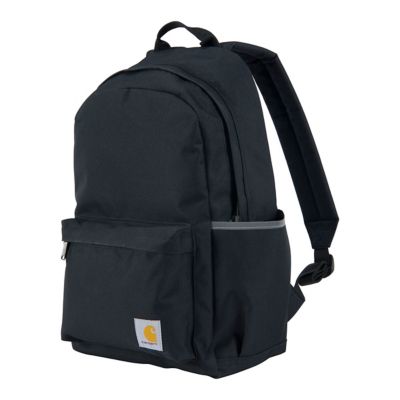
Regular care helps keep a utility belt ready for the next round of chores. Dirt and grit can work into stitching, buckle mechanisms, and pouch corners, so emptying the belt and brushing away debris is a useful habit. Fabric belts may allow spot cleaning with mild soap, but washing and drying directions vary by material and construction. Leather generally calls for its own cleaning routine and, when recommended by the maker, a suitable conditioner. Soaking, harsh cleaners, and direct heat can damage some materials, making the care label a better reference than guesswork. Let a damp belt dry fully before storing it, and keep sharp tool edges from rubbing directly against fabric or leather. A quick check for worn stitching, stretched holes, cracked sections, loose fasteners, or a buckle that slips can catch trouble before equipment starts shifting during a job. Pouches and holders also need enough room for their contents; forcing oversized tools into a compartment puts extra strain on seams and makes removal awkward. Storage is simpler when the belt is empty or carrying only what its hanging point can support. For carrying larger gear between the truck, barn, and work area,
Utility Backpacks offer a different carrying format, while a belt keeps the next few tools close during the work itself. A utility belt can also make a thoughtful gift for someone setting up a workshop, learning a trade, maintaining acreage, or handling repairs around the house. Knowing the recipient’s waist measurement, preferred tools, and usual tasks helps narrow the fit and layout without guessing. Some folks want a simple belt with just a couple of attachment points; others prefer more organized storage. The best match leaves enough room to work comfortably, keeps essential equipment secure, and makes everyday jobs a little less stop-and-start.