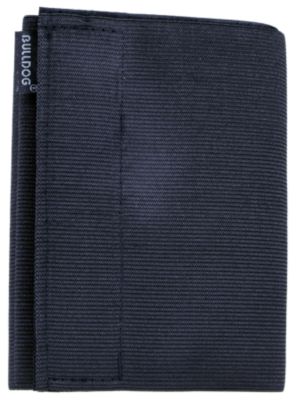
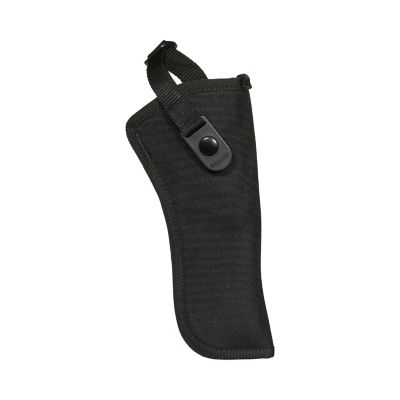
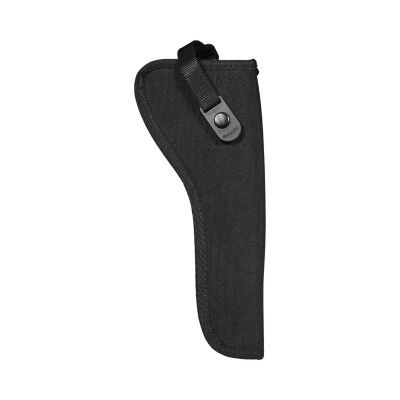
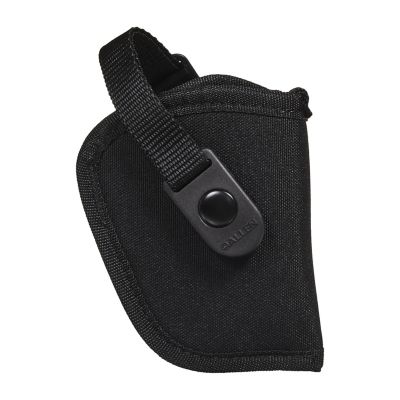
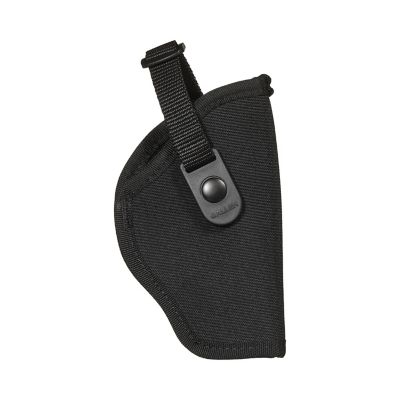
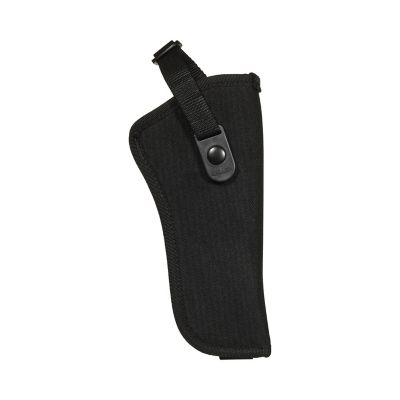
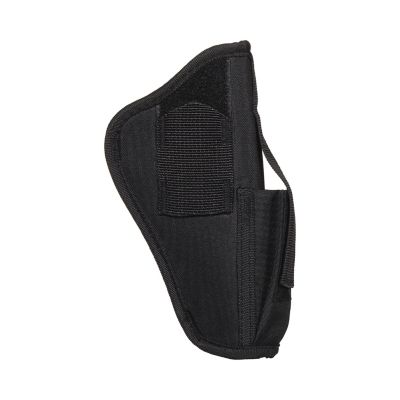
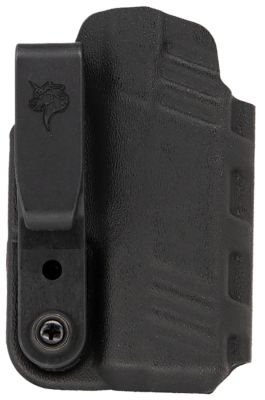
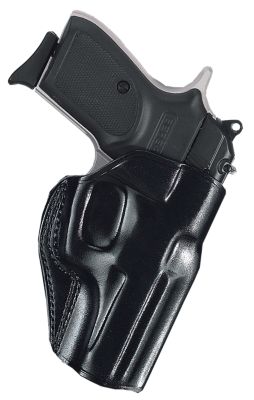
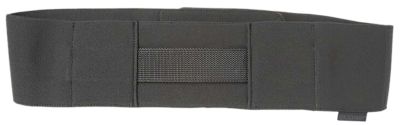
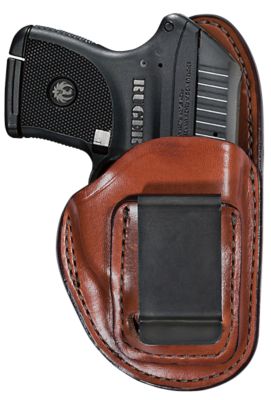
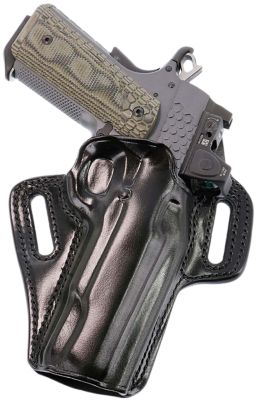
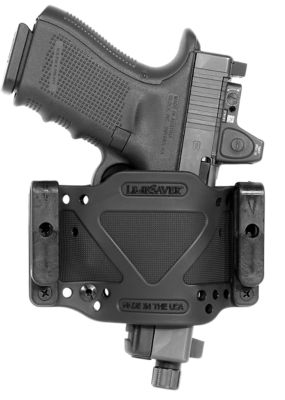
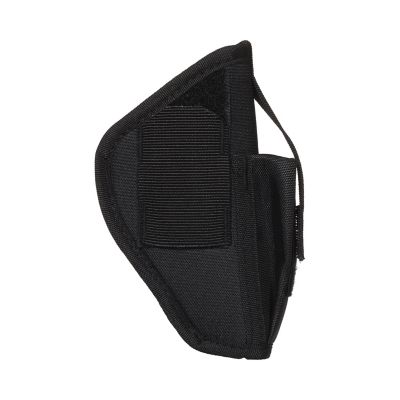
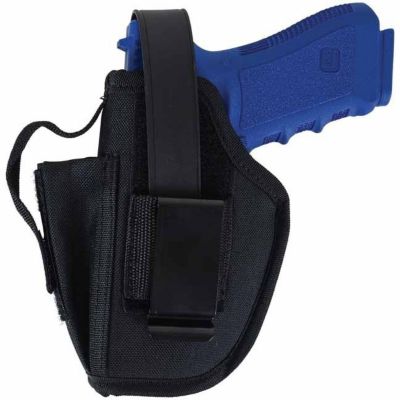
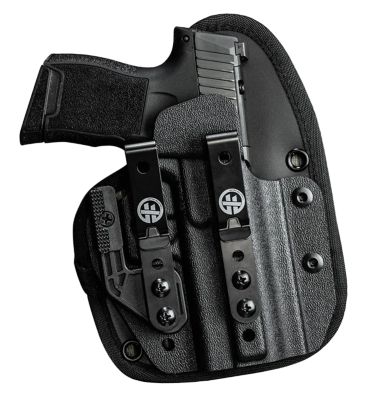
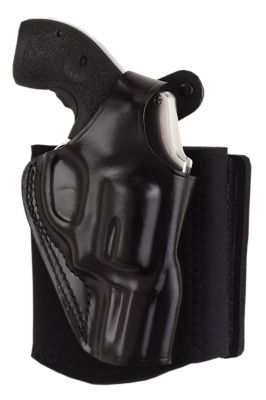
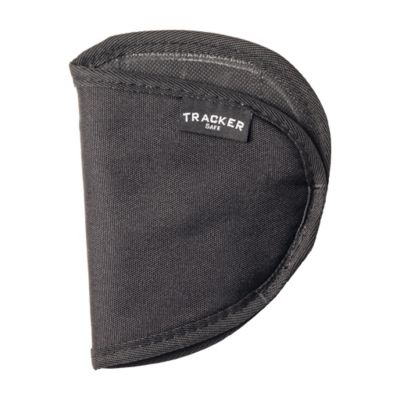
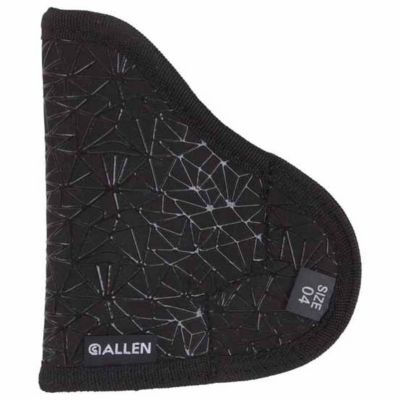
Belt holsters hold a handgun at the waist, with loops, slots, or clips that connect the holster to a supporting belt. The holster holds the firearm, while the belt helps carry its weight and keep the setup steady. That distinction matters: a stiff belt cannot make up for a poorly fitting holster, and a well-fitting holster can still shift on a belt that bends or sags. Together, the two should support the handgun without excessive tipping, sliding, or pulling at the waistband. For responsible firearm owners heading to the range or carrying where permitted, comfort starts with how those pieces fit together. Outside-the-waistband belt holsters place the holster body beyond the pants, leaving more room inside the waistband but generally requiring more coverage for concealment. Inside-the-waistband designs sit partly inside the pants and need enough room to avoid crowding the waist. The related
Waistband Holsters category offers another way to consider that placement. Neither arrangement suits every person, pair of pants, or handgun. A holster that feels comfortable while standing at a counter may press differently when sitting in a pickup, bending to latch a gate, or settling onto a range bench. The shape of the holster, its position on the belt, and the amount of space it occupies all influence everyday comfort. Belt attachment size deserves just as much attention as the holster body. A 1.5-inch belt is common for everyday carry, but the actual width and thickness must work with both the holster attachment and the pants loops. Excess room around an attachment can allow movement, while an attachment that is too narrow may not close or seat correctly. Right-hand and left-hand configurations also matter, since the belt connection and handgun orientation are not necessarily interchangeable. A good match feels supported rather than perched on the edge of the waistband, with hardware that stays secure through ordinary movement.
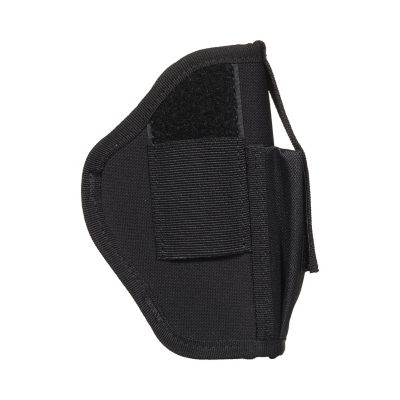
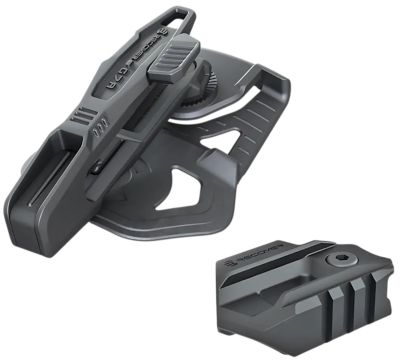
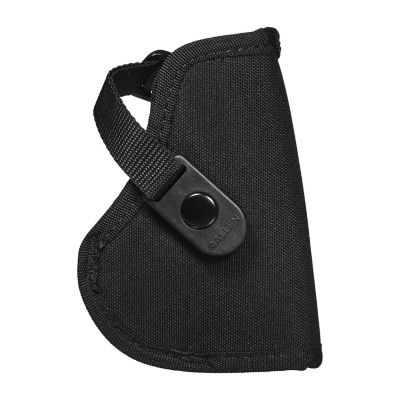
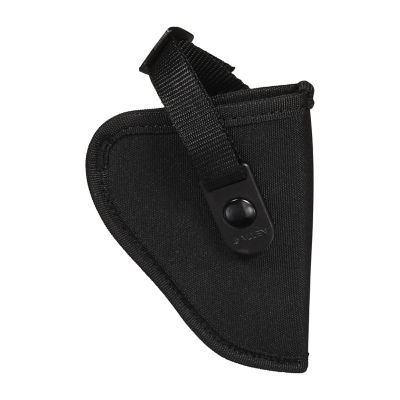
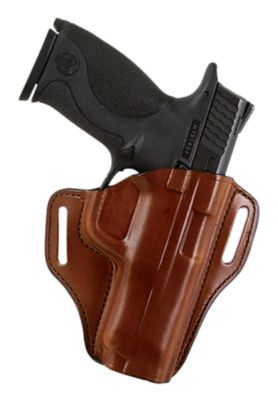
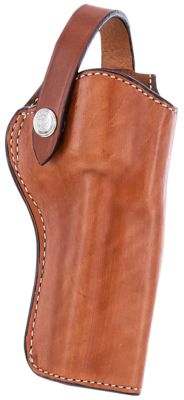
Materials give belt holsters different shapes, textures, and care needs. Leather has a traditional look and can develop a softer feel where it contacts the wearer, though the holster must retain enough structure to protect the trigger area and hold the intended firearm properly. Stitching, reinforced openings, and finished edges are useful details to consider, especially where the holster rubs against a belt or clothing. Leather also calls for care that matches the maker’s recommendations; too much oil or conditioner can soften areas that need to remain firm. Molded polymer holsters tend to hold a defined shape and may be formed around a particular handgun configuration. Their rigid bodies can offer a consistent fit, but edges, mounting points, and contact areas still affect comfort. Nylon and other textile constructions bring a different feel, with padding, binding, and layered fabric influencing how the holster sits against the body. A softer exterior does not automatically mean a better fit, and broad sizing descriptions do not replace a compatibility check. Across materials, seams should remain intact, mounting hardware should stay secure, and the holster body should keep its intended shape. Dust and grit can collect inside a holster after time around a gravel driveway, workshop, or range, making routine inspection worthwhile. Cleaning methods vary: leather, fabric, and molded materials do not all respond the same way to water, solvents, or household cleaners. Manufacturer directions are the best starting point for cleaning and drying without changing the fit. Regular attention also makes it easier to notice a loosened fastener, frayed edge, cracked attachment, or worn retention component before it becomes a bigger concern. Sweat and friction are part of everyday wear, so smooth contact surfaces and protected hardware can matter as much as appearance. Even a stout-looking holster needs a closer look if its structure changes. The useful comparison is not simply leather versus nylon versus polymer, but how each construction supports the firearm and holds up to its intended routine.
Firearm compatibility is the starting point for choosing among belt holsters. The handgun’s make, model, size, and configuration need to match the manufacturer’s fit information, including any mounted light, optic, or other attachment. Two handguns with similar outlines may still differ enough around the trigger guard, slide, or frame to require different holsters. A holster should fully cover the trigger guard and retain the firearm as intended without depending on an improvised fit. Retention systems vary, from shaped bodies that hold the handgun through friction to designs with an additional securing mechanism. The appropriate arrangement depends on the firearm, the activity, and the maker’s instructions, rather than appearance alone. Any fit check should involve an unloaded firearm and follow the firearm and holster manufacturers’ safety directions. A range-focused setup may place more emphasis on compatibility with range rules and the rest of the wearer’s gear, while everyday carry often brings clothing fit and extended sitting into the picture. For a firearm owner who spends much of the day getting in and out of a truck, a bulky belt attachment may be more noticeable than it is during a short walk across the yard. For someone wearing work pants with closely spaced belt loops, the attachment layout may narrow the choices before material or finish enters the decision. These ordinary details help explain why there is no single belt holster that fits every routine. They also matter when choosing a gift: knowing the recipient’s exact firearm, preferred carry arrangement, handedness, and belt size is far more helpful than guessing from looks. State and local carry laws apply regardless of holster style, and a holster does not replace appropriate firearm storage. The most useful belt holster is one that matches the firearm, works with the supporting belt, and stays comfortable enough for the intended activity without sacrificing secure fit or trigger coverage.