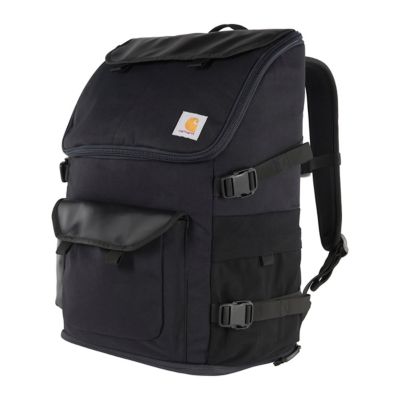
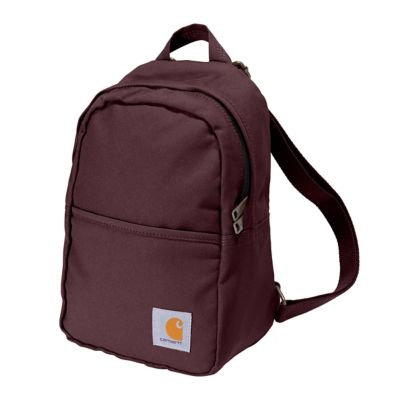
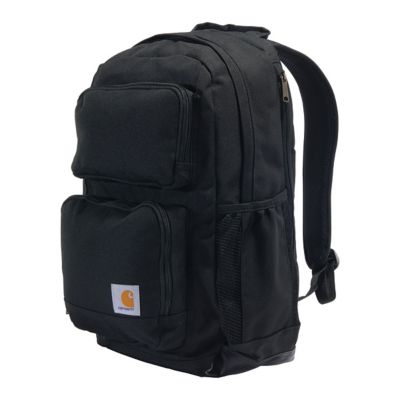
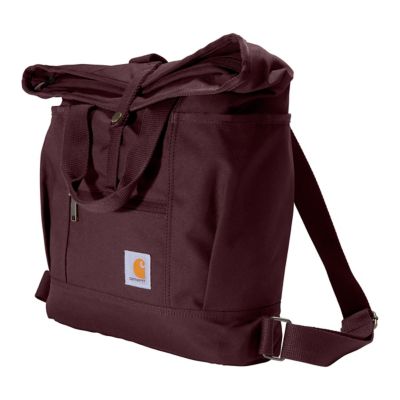
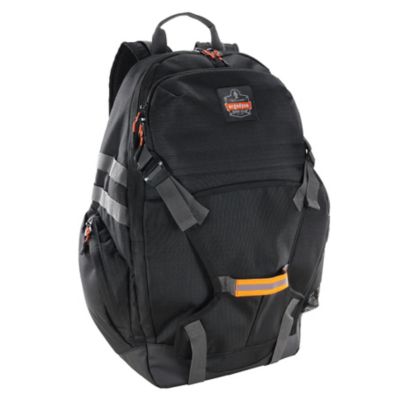
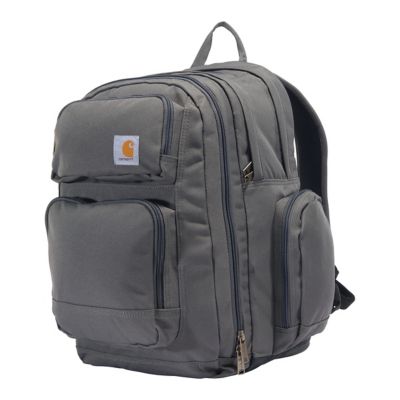
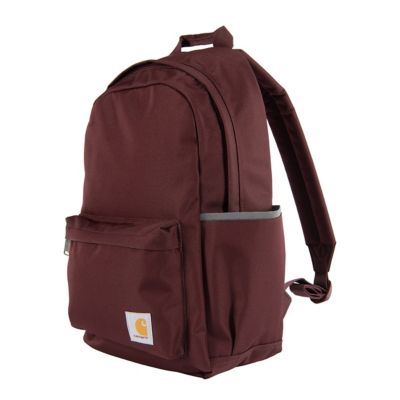
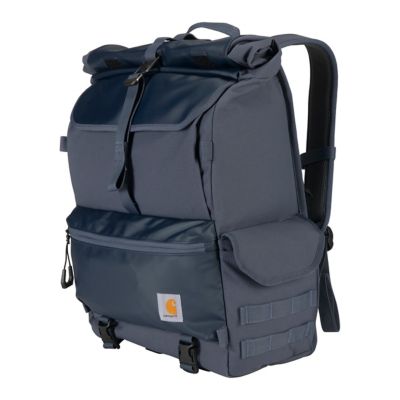
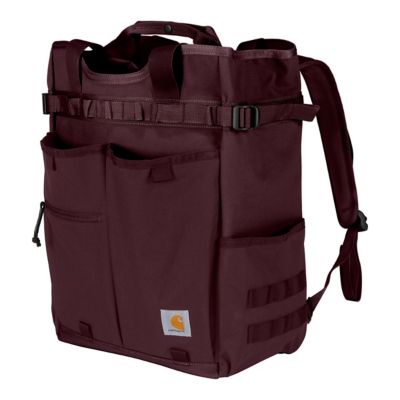
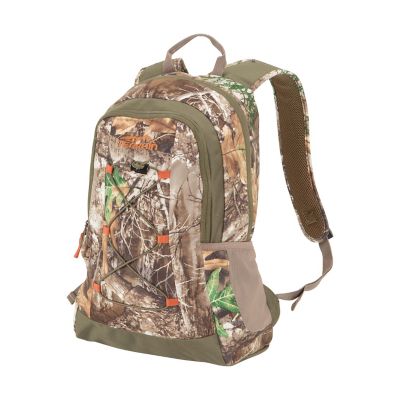
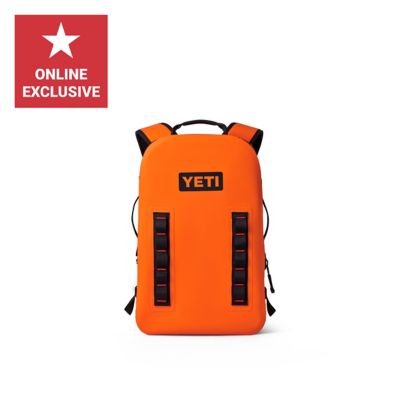
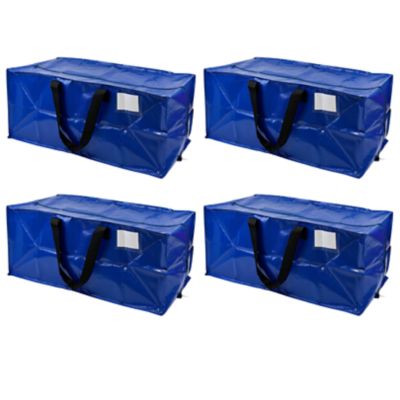
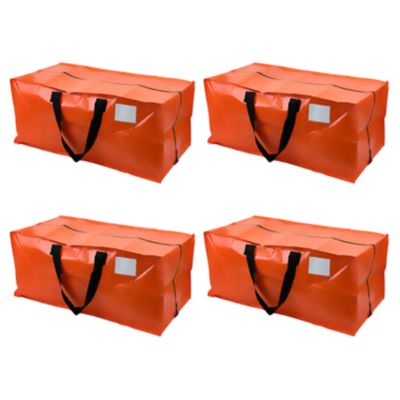
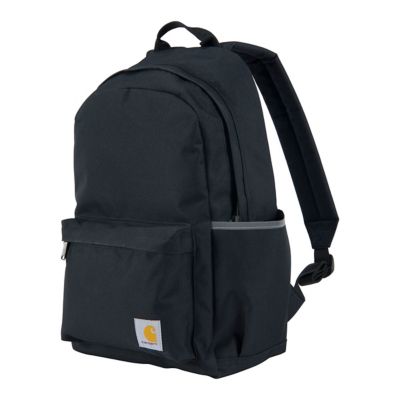
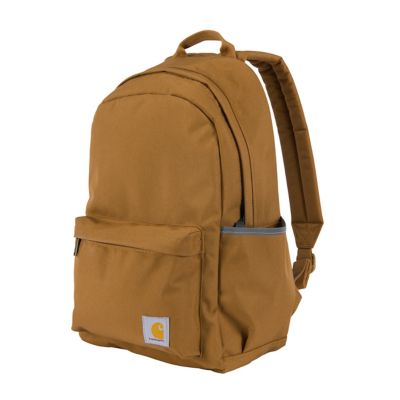
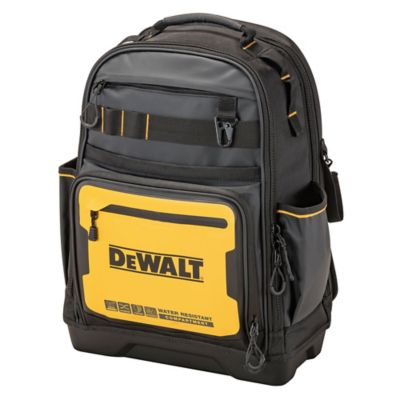
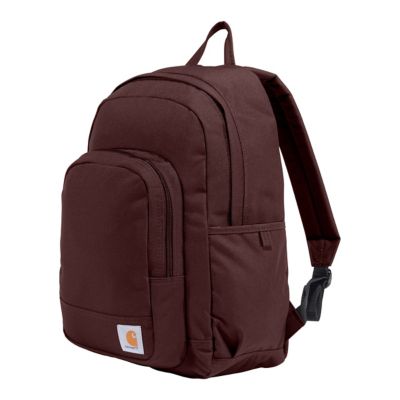
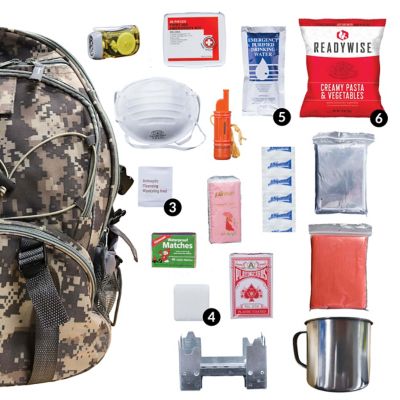
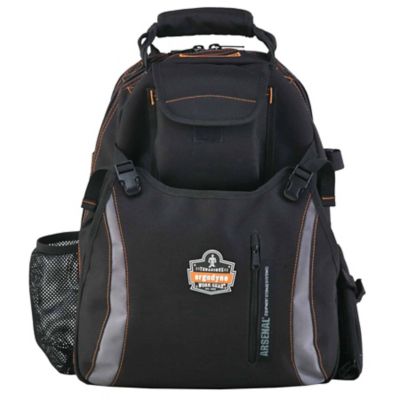
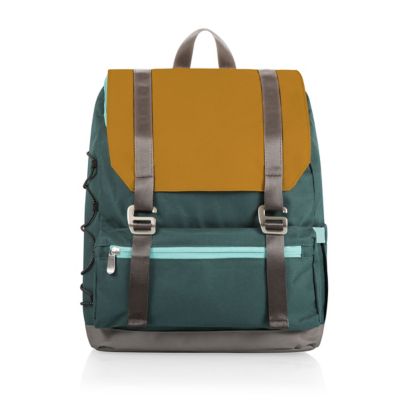
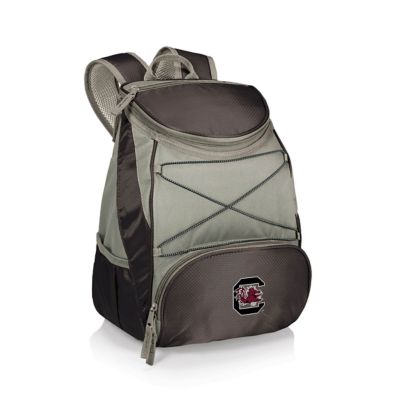
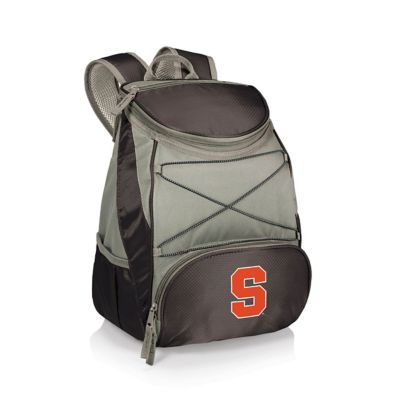
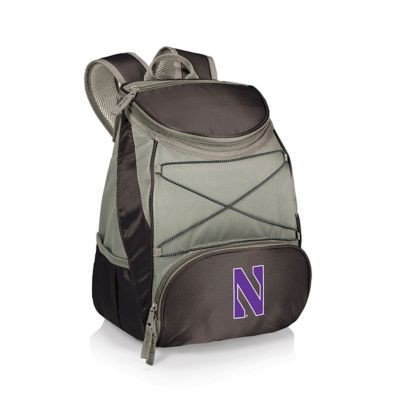
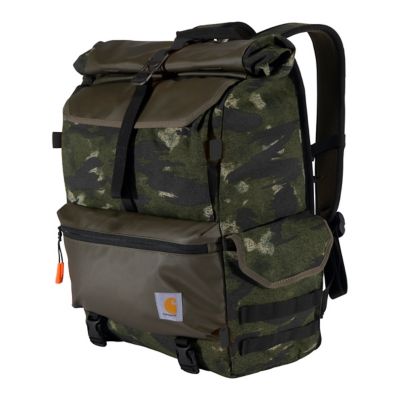
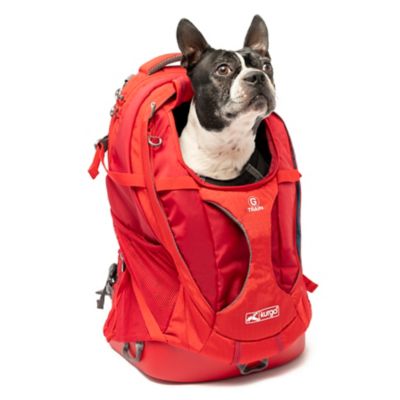
Utility backpacks are built for more than carrying a few loose items from one place to another. They give you a dependable way to haul work gear, school supplies, outdoor essentials, personal items or everyday tools while keeping everything sorted and close at hand. A well-designed utility backpack may include several zippered compartments, open pockets, pencil or tool slots, a padded laptop sleeve and quick-access storage for the things you reach for most. That kind of organization matters when you are standing beside a truck, walking across a jobsite or digging through your bag with muddy gloves on. Instead of one deep compartment where everything ends up in a heap, separate storage helps keep small parts, chargers, gloves, notebooks, hand tools and water bottles from getting lost together. For anyone who carries a full load on foot, look for padded shoulder straps, breathable mesh panels and an adjustable sternum strap that helps spread weight across your back. A structured back panel can add support, while a shaped or molded base may help the bag stand upright and protect its contents from damp ground. Durable materials such as thick polyester, ballistic nylon or other abrasion-resistant fabrics are useful for daily wear, especially when a backpack may brush against lumber, fencing, machinery or rough concrete. Water-resistant construction can help shield supplies from a passing shower, though a truly waterproof design is the better choice when the contents must stay dry in wet conditions.
Different jobs call for different backpack features, so think about what you will carry before choosing a size or layout. A streamlined utility backpack can work well for a daily commute, school, travel between the house and barn or a trip to the gym, especially when it has a padded compartment for a tablet or laptop and a separate pocket for shoes or a change of clothes. Larger packs are handy for longer days outdoors, hunting trips, trail work and farm chores where extra layers, snacks, first-aid supplies, gloves and rain gear need to come along. If you are carrying tools, vertical pockets and individual sleeves make it easier to see what you have and keep handles from tangling together. Reinforced stitching, heavy-duty zippers and a hard-wearing bottom are worth paying attention to when the bag will hold wrenches, pliers, fasteners or other weighty equipment. Some outdoor and tactical-style utility backpacks offer modular webbing, such as MOLLE panels or daisy-chain loops, so you can attach compatible pouches and organize your load around the day’s work. A hydration-compatible compartment can be useful on long walks, fence-line checks and trail rides, while compression straps help keep a partly filled pack from shifting around. Consider the fit, too. A backpack that feels comfortable in the store may carry differently once loaded, so adjustable straps, a supportive waist belt and a back length that suits your frame can make a noticeable difference by the end of a long day. For jobs that call for gear worn around the waist instead of on the back, pairing a pack with
Utility Belts can give you quicker access to frequently used tools while leaving room in the backpack for bulkier supplies.
A utility backpack can also make a practical gift for a student, tradesperson, outdoor worker, traveler or anyone who likes to be ready for the day ahead. It is the sort of useful gift that earns its keep quickly: a young person can use one for books, lunch and sports gear; a repair-minded family member can organize hand tools and parts; and a neighbor who spends time on the farm can carry gloves, fence clips, a flashlight, water and a phone without stuffing everything into coat pockets. During the cooler months, look for enough room to add a sweatshirt, insulated gloves or a knit cap without crowding the rest of the load. Bright interior lining, reflective details or high-visibility accents may make contents easier to find and help the wearer stand out in dim conditions. Exterior pockets are convenient for keys, ear protection and other small essentials, while a reinforced grab handle makes it easier to lift the pack into a vehicle or carry it a short distance by hand. Before settling on a backpack, check its listed capacity, dimensions and sleeve measurements to make sure it fits the equipment you already own. A bag intended for a laptop may not fit a thick case, and a pack designed for light daily carry may not have the structure needed for heavy tools. Pay attention to cleaning instructions as well; removable panels, smooth liners and wipe-clean bases are helpful after a dusty trip to the pasture or a muddy walk from the shop. Whether it rides in a pickup, comes along on a trail or serves as a daily work companion, the right utility backpack keeps essential gear protected, organized and ready for whatever the day brings.