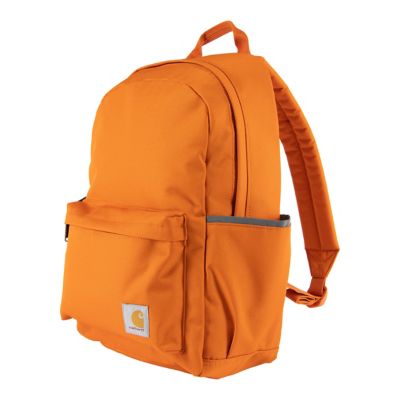
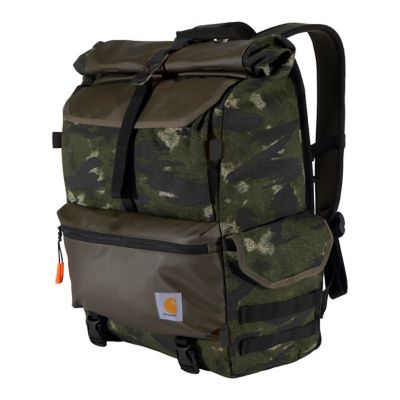
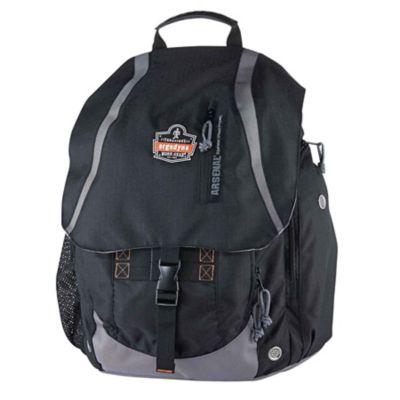
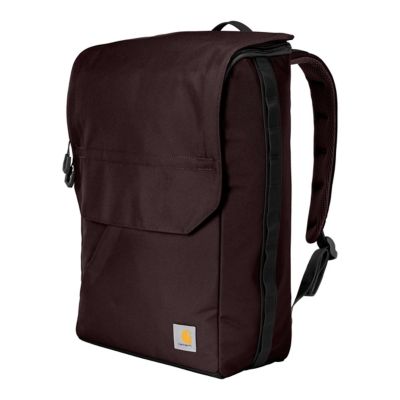
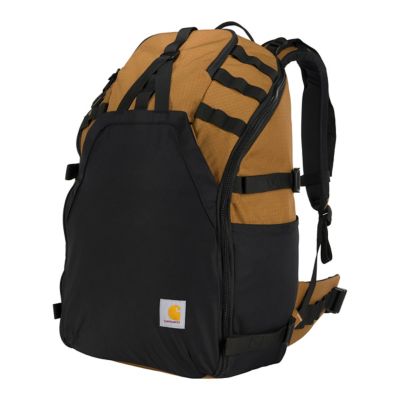
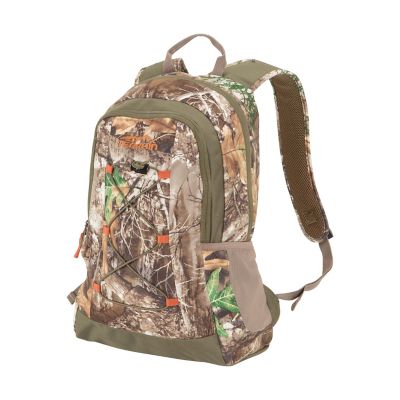
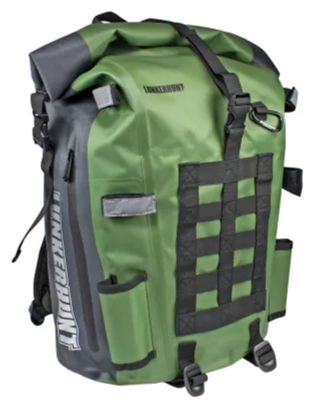
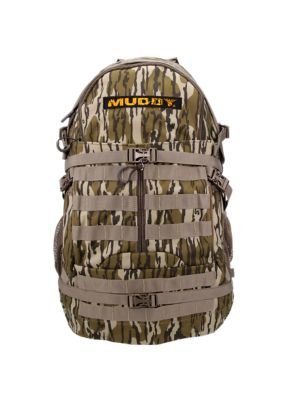
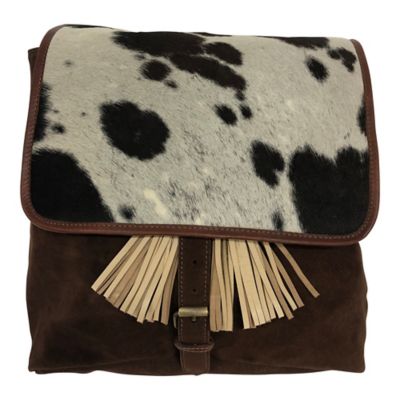
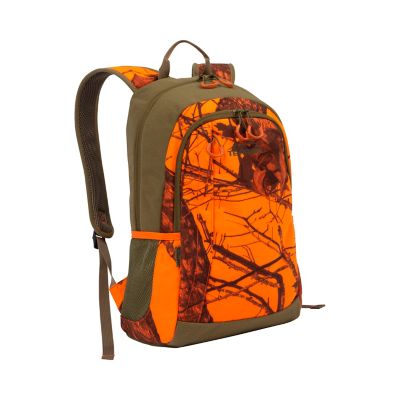
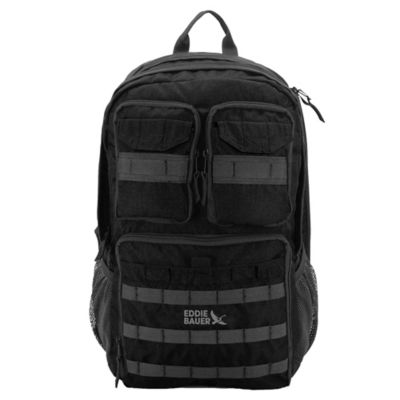
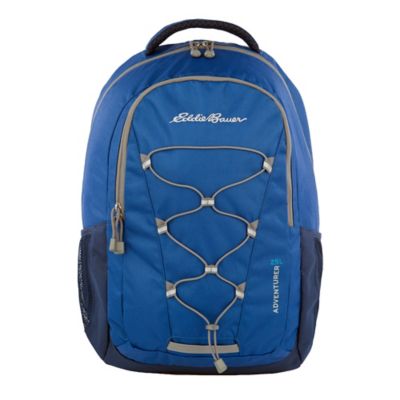
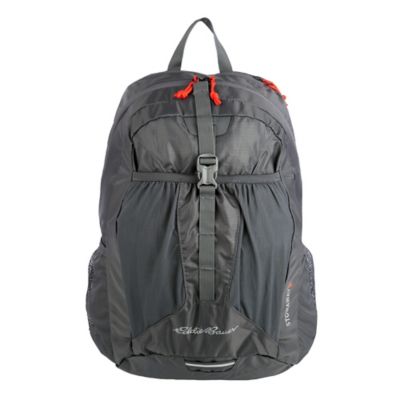
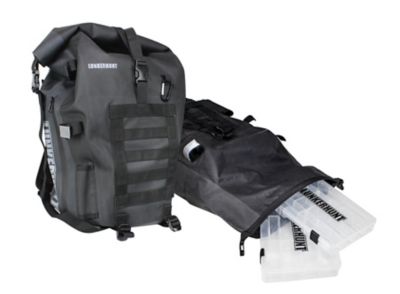
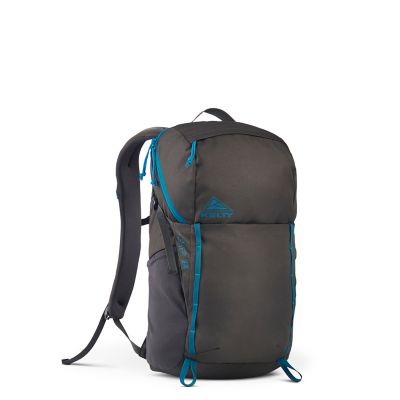
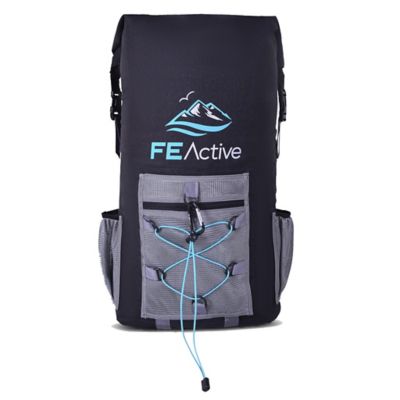
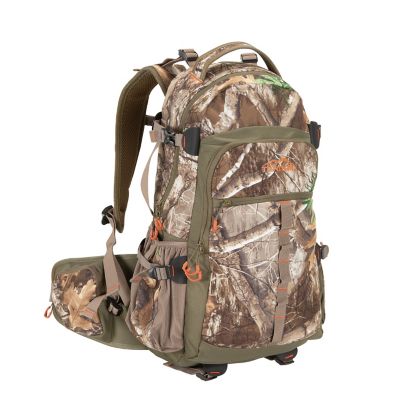
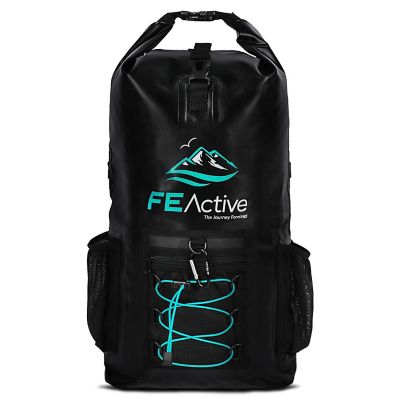
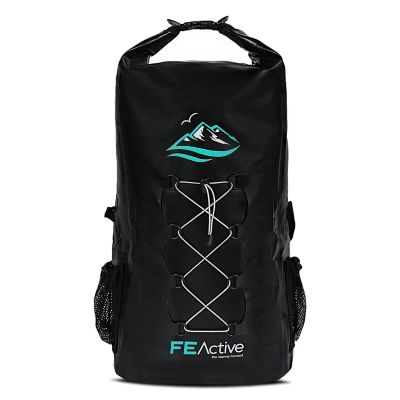
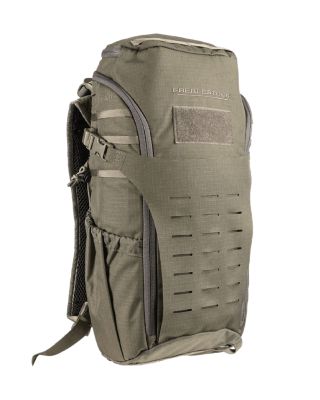
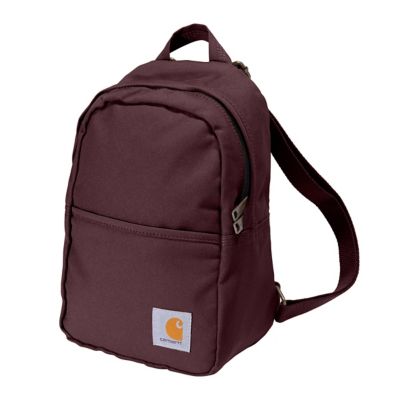
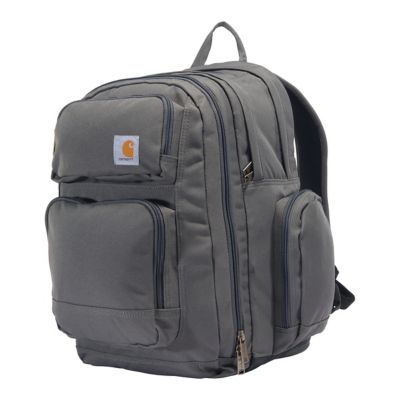
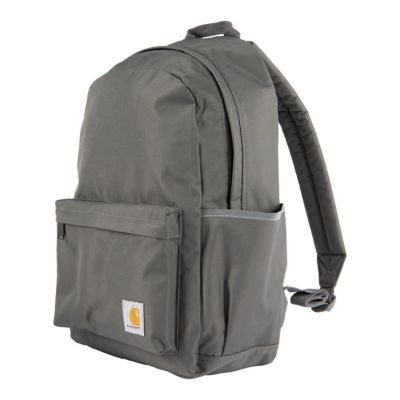
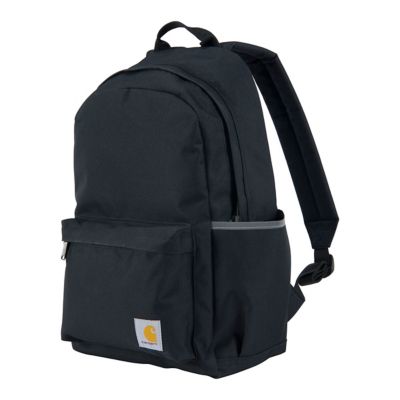
Adventure backpacks are built to carry outdoor essentials while keeping the load close to the body and leaving both hands free. They suit everything from a few hours on a walking trail to an overnight campout, a fishing trip beyond the parking area, or a weekend exploring back roads and public land. Unlike a simple carry bag, an adventure backpack often brings together adjustable shoulder straps, organized storage, and support features that help manage gear over uneven ground. The right capacity depends on how far the trip goes, how much equipment comes along, and whether supplies are shared with a companion. Packs around 15 to 30 liters generally fit day-trip essentials, while roughly 30 to 50 liters can accommodate longer outings or compact overnight setups. Multiday trips often call for 50 to 70 liters or more, depending on the equipment and the distance between resupply stops. These ranges are starting points, not a promise that every packing list will fit. A sleeping bag, cooking equipment, and food can take up very different amounts of space from one setup to another. For someone walking a familiar loop near home, room for drinking water, snacks, navigation tools, and a first-aid kit may be enough. A camper headed several miles from the truck needs more room and a carrying system suited to the added weight. Capacity alone does not establish how much a backpack can comfortably carry; frame construction, strap design, and the manufacturer's load guidance matter just as much. A larger bag is not automatically a better choice, either. Extra space can encourage unnecessary packing, and a loosely filled compartment may let gear shift with each step. Adventure backpacks make the most sense when their size and layout match the outing, whether that means keeping a light load handy for a quick walk or carrying a complete camp setup along a longer stretch of trail.
Materials and construction make a real difference once a pack leaves the truck seat and starts brushing against branches, rocks, and rough ground. Nylon and polyester are common backpack fabrics, with different weaves and fabric weights offering different balances of weight, flexibility, and abrasion resistance. Ripstop construction incorporates reinforcing threads that can help limit the spread of a small tear, though no fabric is immune to damage. Canvas can bring a substantial feel, but it may add weight compared with some synthetic fabrics. Reinforced bottoms, secure stitching at strap attachment points, and zippers that move smoothly are worth attention because those areas handle repeated stress. Water-resistant fabric or a treated surface can help shed splashes, but that description does not mean the entire pack is waterproof. Seams, zippers, and openings also affect protection, and keeping sensitive gear inside a separate protective liner adds another layer of separation from moisture. Fit deserves just as much attention as the outer fabric. Backpack sizing is generally tied to torso length rather than overall height, especially on framed packs with adjustable suspension. A supportive hip belt should sit around the top of the hip bones so it can transfer part of the load away from the shoulders. Shoulder straps should follow the body without digging in, while a sternum strap helps keep them from spreading outward. Load-lifter straps, when included, help bring the upper portion of a suitable pack closer to the body. Padding should support rather than pinch, and a back panel with airflow channels can reduce the close, clammy feel of carrying gear for miles. A useful fit check includes the kind of weight expected on the trip, not just an empty bag. Walking, bending, and stepping up with the pack on can reveal rubbing, bouncing, or an awkward pressure point before a long outing. For younger hikers and smaller-framed adults, appropriately sized straps and a shorter back panel can matter more than extra pockets.
Storage works best when the things needed along the way stay within easy reach. Side pockets can keep a water bottle accessible, hip-belt pockets can hold small essentials, and a separate compartment can keep a map or headlamp from disappearing beneath the rest of the load. Hydration-compatible backpacks may include a reservoir sleeve and a hose opening, although reservoir inclusion and capacity vary by design. Wide-opening compartments make it easier to see what is packed, while top-loading layouts can provide a straightforward way to organize larger gear. Compression straps help steady a partly filled bag, and outside attachment points can carry suitable equipment without taking up interior space. Anything fastened outside should be secured against swinging or snagging, with attachment limits checked before loading. Keeping heavier gear close to the back and balancing weight from side to side generally makes the load easier to control. After the outing, a little attention helps prevent small problems from becoming bigger ones. Emptying crumbs and grit, brushing dirt from seams, and wiping away spills keeps compartments ready for the next trip. Cleaning methods depend on the fabric, coatings, and frame, so the care label takes priority over a one-method-fits-all approach. Unless the manufacturer allows otherwise, soaking, machine washing, and high-heat drying can harm components or finishes. A pack should be completely dry before storage, with straps relaxed and nothing heavy left pressing against its shape. Backpacks also make practical gifts for hikers, campers, anglers, and folks who enjoy wandering farther down the trail, particularly when the recipient's torso size and usual outings are known. For carrying needs that lean more toward work, errands, and travel around town,
Urban Backpacks offer a related everyday direction. An adventure backpack earns its place through comfortable carry, sensible organization, and enough room for the equipment that actually needs to come along.