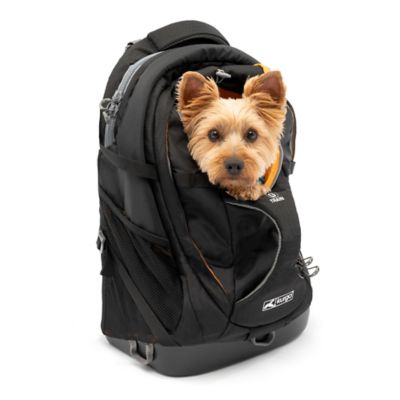
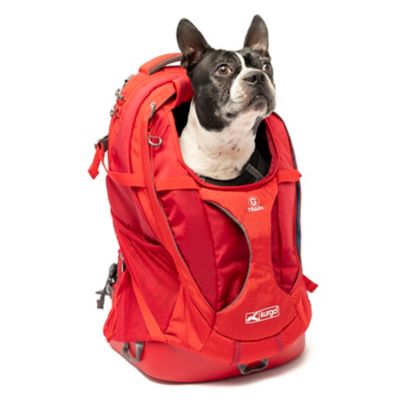
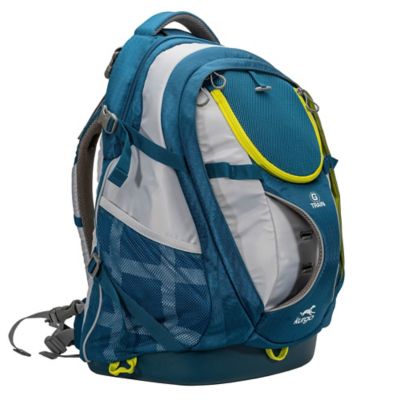
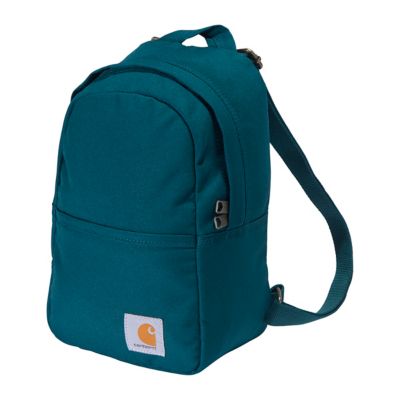
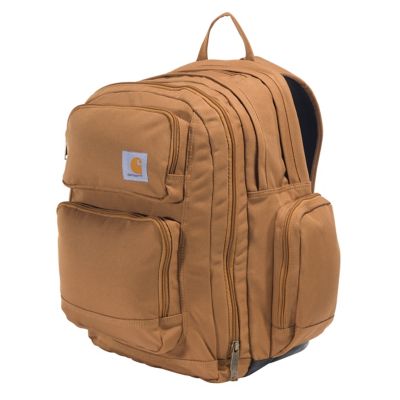
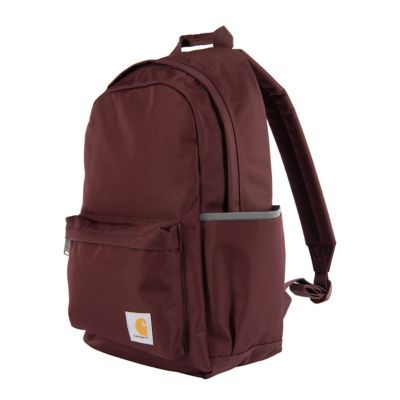
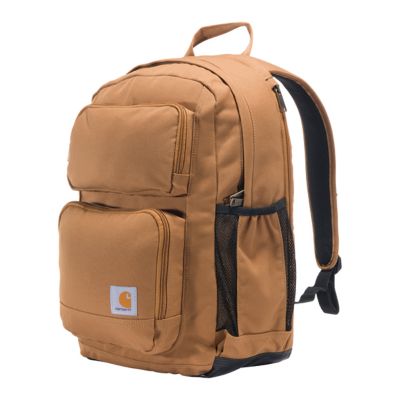
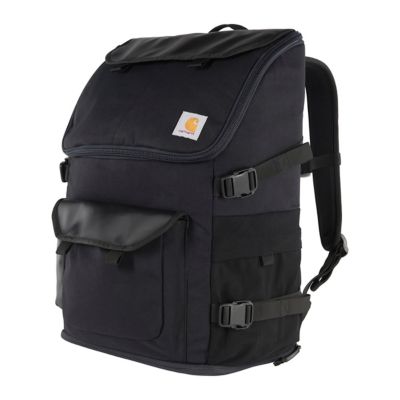
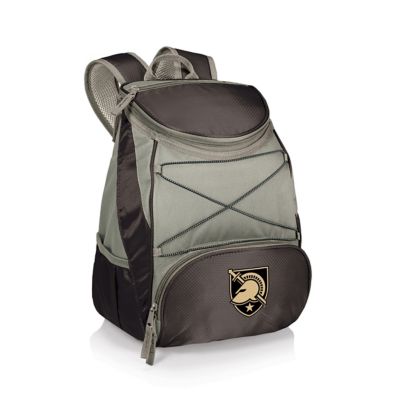
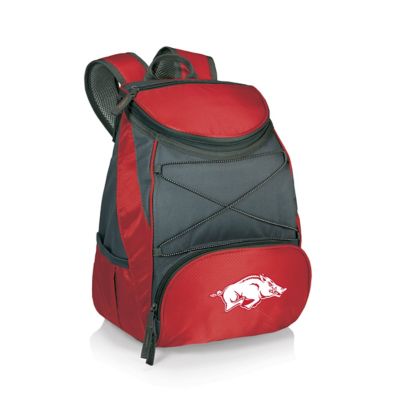
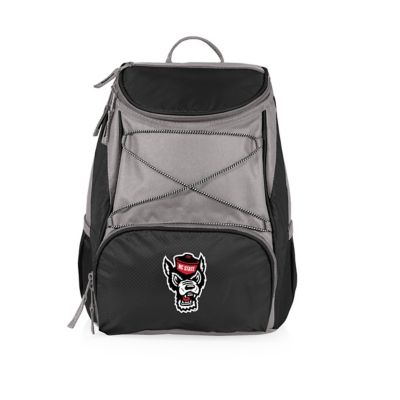
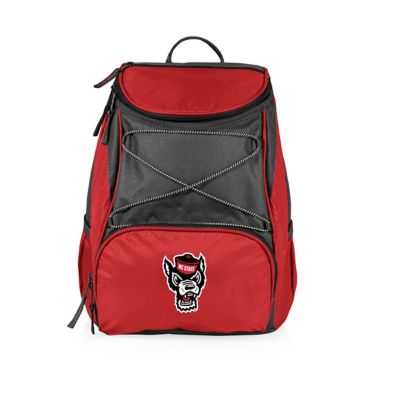
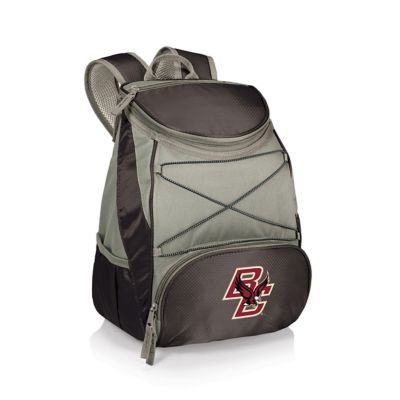
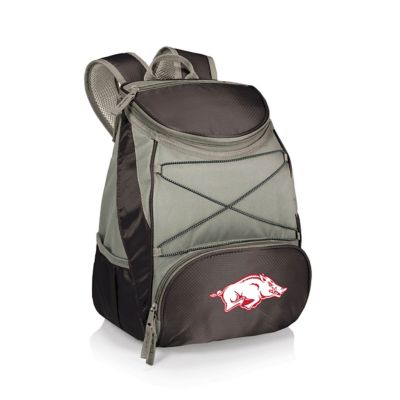
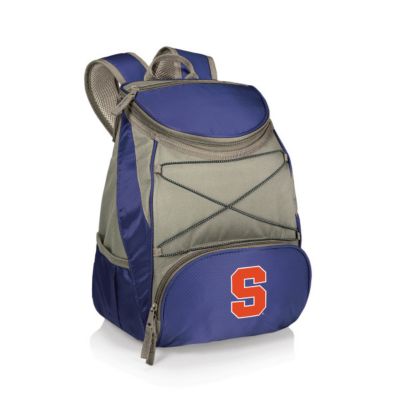
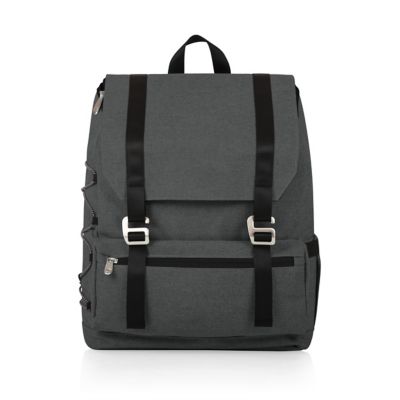
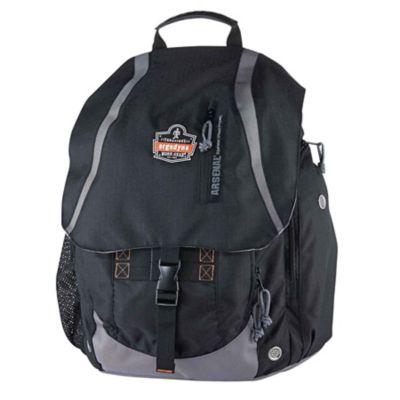
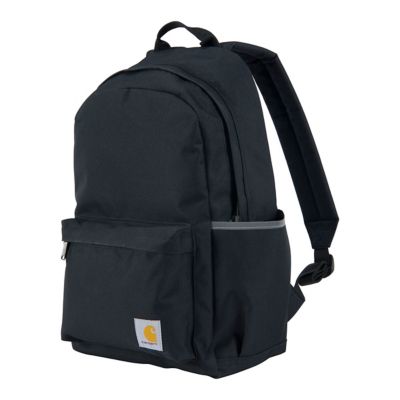
Day packs are compact backpacks made to carry the essentials for a single outing, whether that means a few hours on a wooded trail, a walk around the property or a full day away from home. Many daypacks fall in the 15- to 30-liter range, giving them enough room for food, water and personal gear without the size of a pack meant for overnight camping. That capacity describes the pack’s interior volume, not how much weight it should carry. A smaller day pack can suit a short walk with a water bottle, snacks and a few necessities, while a roomier design leaves space for lunch, binoculars, a first-aid kit and other gear that earns its place along the way. The shape of the bag matters as much as its stated capacity. A tall, narrow compartment holds belongings differently than a wide main compartment, and padded sleeves or internal dividers take up some of the interior space. Day packs work well for folks who want their hands free while opening a pasture gate, keeping a steady footing on a gravel path or handling travel bags at a roadside stop. Hiking daypacks generally emphasize a close, stable fit and easy access to drinking water. Everyday backpacks often put more attention on organizing notebooks, electronics and the small belongings that otherwise settle at the bottom of a bag. Packable daypacks take another approach, folding into a small pouch or pocket so they can ride inside a larger bag until needed. Their lighter construction makes them handy for short outings, though they usually provide less padding and support for heavier loads. A day pack can move between several of these roles, but its layout helps determine where it feels most at home. For someone traveling between a job site, town and a trailhead, a simple bag with sensible compartments may be more useful than a complicated design with extra straps and pockets that never get much attention.
Comfort comes from the way a day pack fits the person carrying it, not just the amount of padding on the shoulder straps. A pack that sits close to the back is less likely to swing from side to side when stepping over roots, bending to latch a gate or walking across uneven ground. Adjustable shoulder straps help position the bag, while a sternum strap can keep the shoulder straps from drifting outward. On packs designed for heavier day loads, a properly fitted, padded hip belt can shift some weight from the shoulders to the hips. A narrow webbing waist strap mainly helps control movement and should not be expected to provide the same support. Torso length also matters: a pack that is too long or too short may put its straps and belt in the wrong places, even when the bag’s overall capacity seems right. Back panels range from lightly padded surfaces to mesh-backed designs with channels or space for airflow. More structure can help keep a packed lunch or oddly shaped gear from pressing into the back, while a softer bag may fold down more easily for storage. Nylon and polyester are common day pack materials, with fabric weight, weave and reinforcement all influencing resistance to abrasion. Ripstop fabric incorporates a reinforcing grid that can help limit the spread of small tears, though it does not make a bag immune to punctures or rough handling. Reinforced bottoms and well-supported strap attachment points matter when a pack regularly rests on gravel, rides in a truck or carries a full load. Zipper construction, stitching and pocket placement deserve attention, too. A generously sized opening makes it easier to reach a lunch container without emptying the bag, and zipper pulls that are easy to grasp can make frequent access less of a chore. Packable styles trade some of that structure for lower weight and a smaller folded size, making them better suited to lighter contents than a load of tools.
Organization is where a day pack starts to feel like part of the daily routine. An external bottle pocket keeps drinking water within reach, but its depth and opening need to hold the bottle securely when the bag tilts. Hydration-compatible packs may include a reservoir sleeve, hose opening and attachment points; compatibility alone does not mean a reservoir comes with the pack. A sleeve intended for a hydration reservoir also should not be assumed to provide the padding or dimensions needed for a laptop. For work, school or travel, a dedicated electronics compartment helps separate a device from lunch containers and other belongings, while smaller pockets give keys, a wallet and a charging cord a place to land. An internal key clip can save a lot of rummaging at the end of a long walk. Stretch pockets are handy for belongings that need quick access, while zippered compartments offer more containment for small essentials. Keeping heavier contents near the back and preventing loose gear from shifting helps the whole load feel steadier. Snacks and frequently reached-for belongings belong where they can be retrieved without unpacking everything on a picnic table or tailgate. Care needs depend on the fabric, coatings and construction, so the care label is the best starting point for cleaning. Emptying pockets, shaking out grit and wiping away dirt with a soft cloth can keep everyday buildup from working into the fabric and zippers. Unless the care instructions allow it, machine washing and high-heat drying are best avoided, since they can affect padding, coatings and other components. A pack should be fully dry before storage, with any separate hydration reservoir cleaned and dried according to its own instructions. Day packs also make practical gifts for students, trail walkers and travelers when the size and layout match their routines. For related outdoor carrying options, explore
Adventure Backpacks. The most useful day pack has room for what matters, carries comfortably and makes those everyday essentials easy to find.