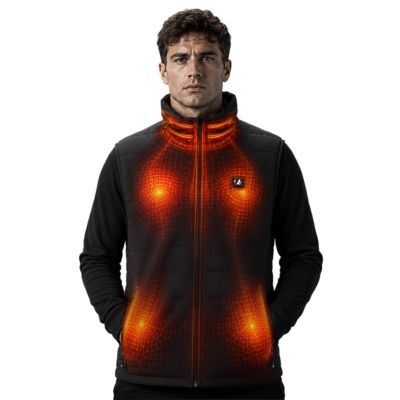
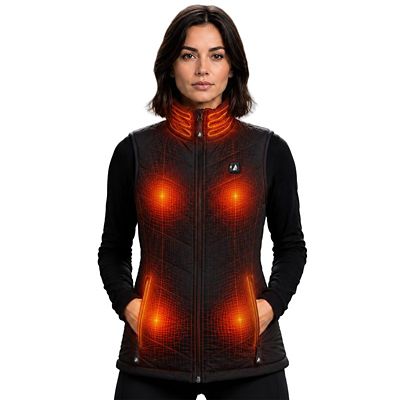
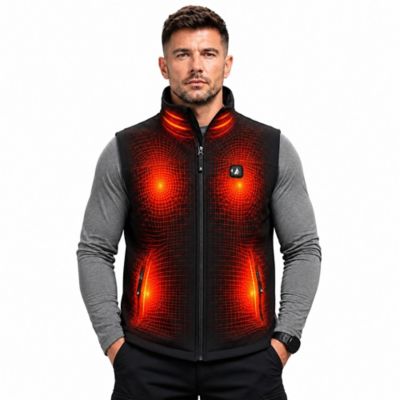
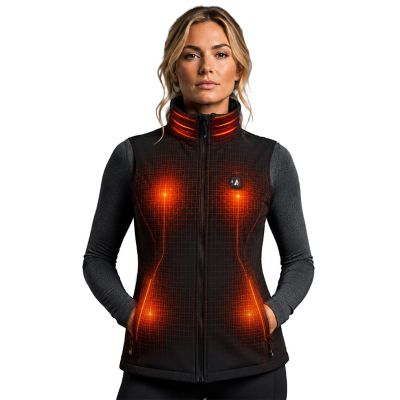
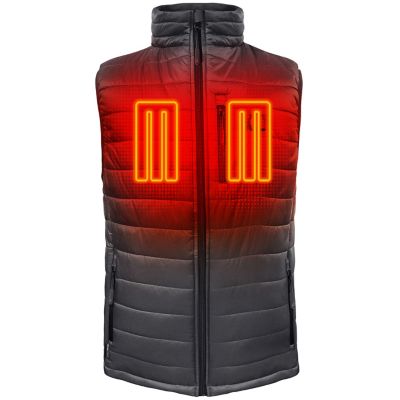
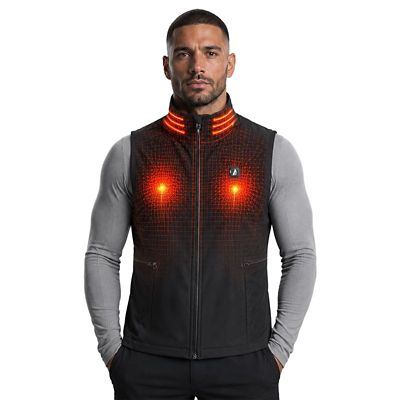
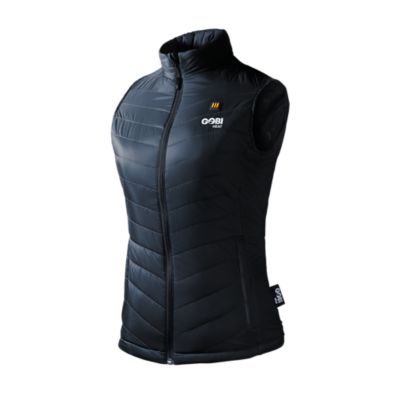
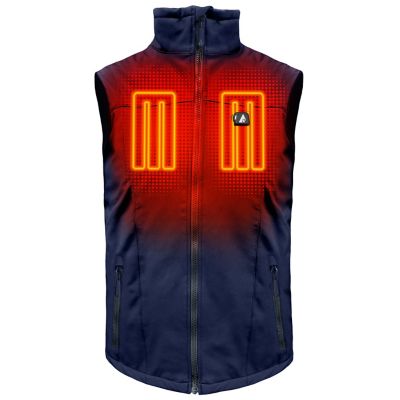
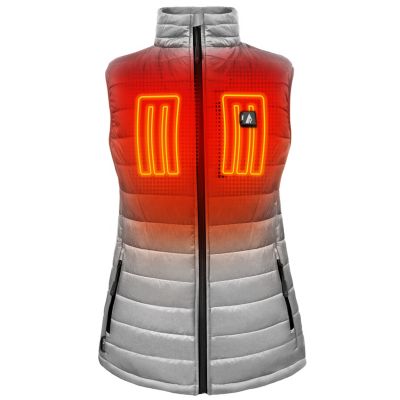
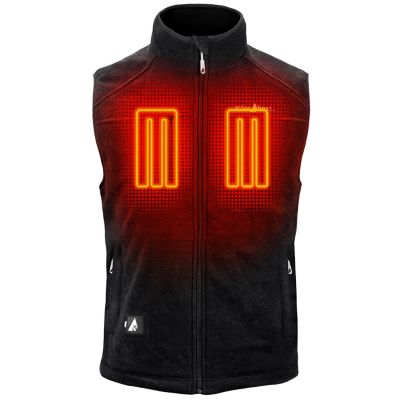
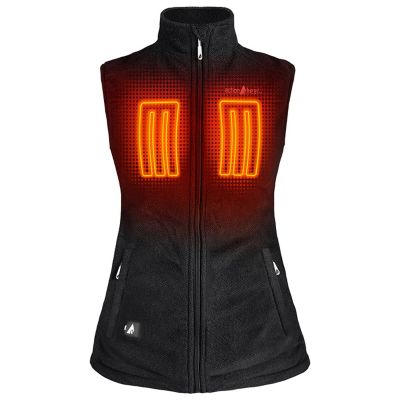
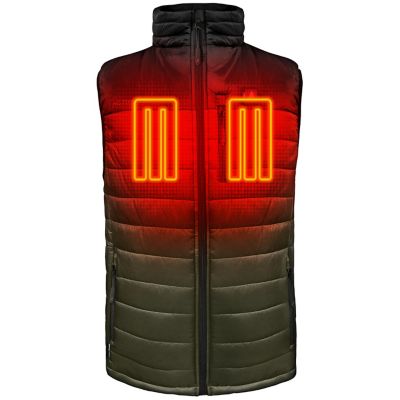
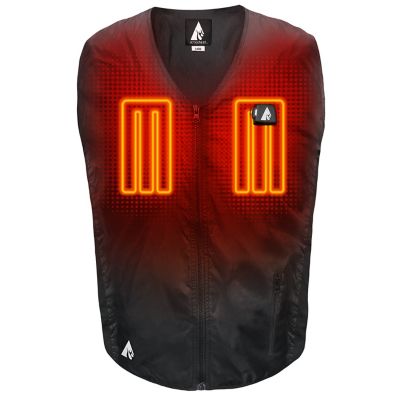
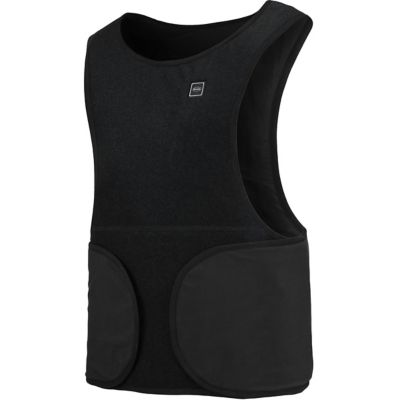
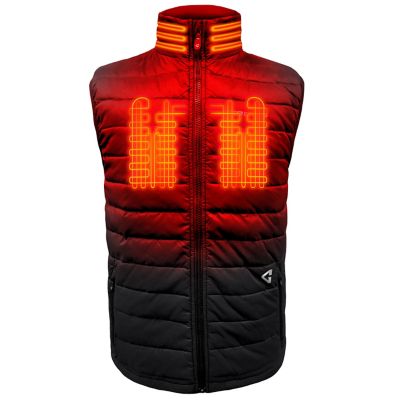
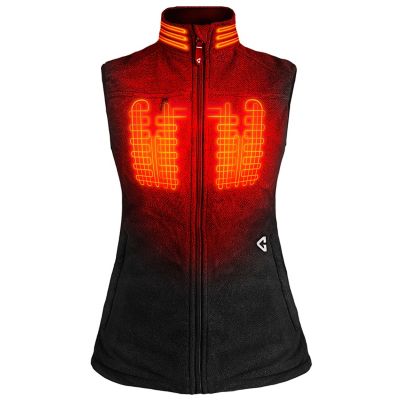
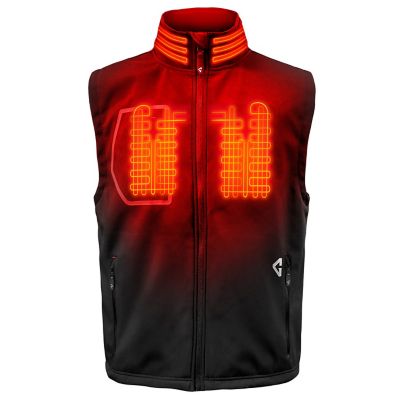
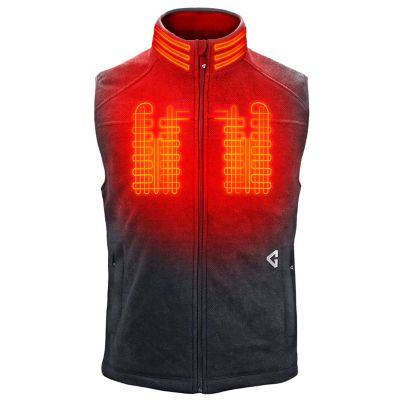
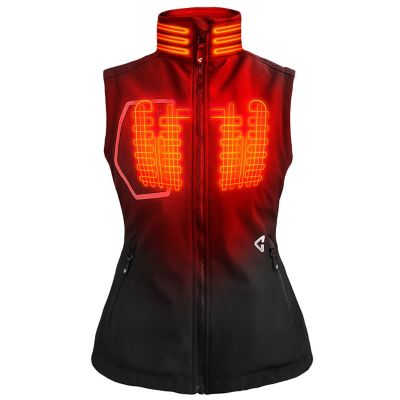
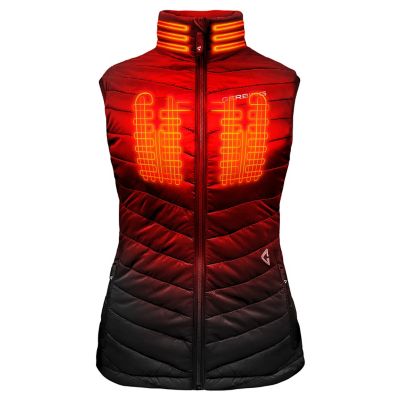
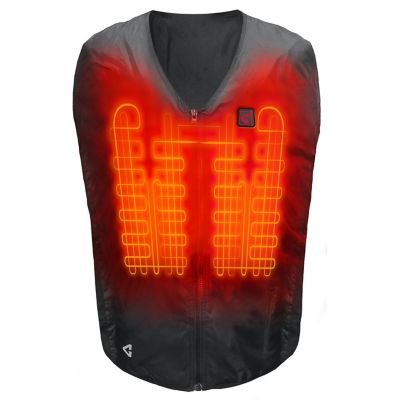
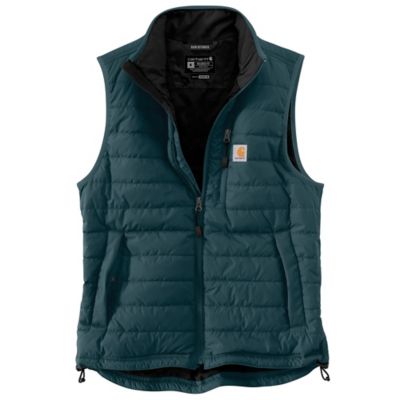
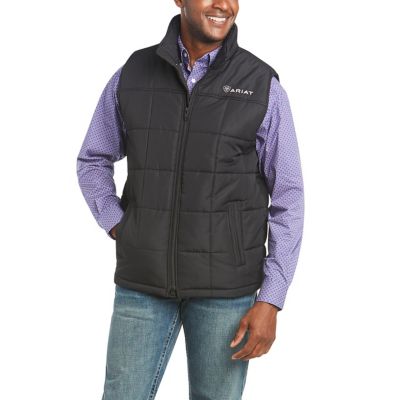
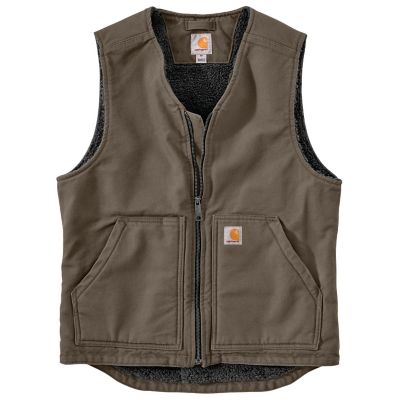
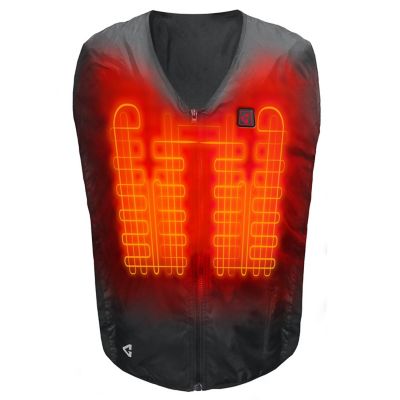
A USB heated vest is a sleeveless layer that draws power from a compatible USB battery pack to provide targeted warmth around the torso. Flexible heating elements, often made with carbon fiber or graphene-based materials, sit within the fabric and warm selected areas, such as the back, chest, collar, or pockets, depending on the design. That extra heat can take the edge off a long stretch at the fence line, an early trip to the barn, or an afternoon watching a game from cold bleachers. Unlike a heavy coat, a vest leaves the arms free for carrying feed, reaching into a truck bed, or working through chores that call for plenty of movement. Its insulation still matters, though: the heating system adds warmth, while the fabric, lining, and surrounding layers help hold it close. Many USB-powered designs operate on 5-volt power, and a 2-amp output is common, but the vest’s stated voltage, amperage, and connector requirements determine which power bank will work. A matching plug by itself does not establish compatibility. Battery capacity, heat setting, outdoor conditions, and the number of active heating zones all affect runtime, so a larger battery does not translate into one fixed number of warm hours. Power banks may be separate from the vest, making the battery requirements an important part of the overall setup. Adjustable heat settings help accommodate the difference between standing still beside a stock trailer and walking back uphill with a load. Controls that are easy to find and operate with gloves can be especially handy when stopping to dig through layers would interrupt the job. For folks who move between a chilly outbuilding, a truck cab, and the open yard, that flexibility makes USB heated vests a practical layer rather than a replacement for every other piece of cold-weather clothing.
Fit plays a big part in how that warmth feels through a full day. A vest that sits reasonably close to the torso helps keep heated panels near the body, while enough room at the shoulders and armholes allows for bending, lifting, and reaching. Too much extra space can make the layer feel drafty; too little can pull across the chest or bunch beneath a jacket. Measurements taken over the shirt or base layer intended for wear give a better picture than guessing from an everyday shirt size. Torso length matters, too, especially for someone who spends time seated on equipment or leaning over a workbench. A hem that covers the lower back without crowding the hips can make those positions more comfortable. For shoppers seeking proportions shaped for a woman’s torso, the
Women's Heated Vest page offers a related category to consider alongside chest, waist, and length measurements. Fabric choices bring their own benefits: smooth woven shells slide beneath outerwear, fleece linings feel soft over a light shirt, and insulated constructions add warmth even when the power is off. A wind-resistant shell can help limit drafts across an open pasture, while a water-resistant finish may handle light moisture without making the whole garment waterproof. Reinforced pocket openings, neatly finished seams, and sturdy zipper construction are worth attention when the vest will see regular work around gates, tools, and rough lumber. Battery-pocket placement also affects comfort. A power bank that rests comfortably while standing may press against the hip while driving, and added battery weight can be noticeable during a long walk. Secure pockets help keep small essentials from slipping out when leaning forward. As a gift for someone who tends livestock, walks a property, fishes from the bank, or spends weekends on the sidelines, a heated vest works best when the fit, likely activity, and willingness to manage a rechargeable battery all line up.
Everyday comfort also depends on how a USB heated vest fits into the rest of a clothing system. A light, moisture-managing shirt underneath can help with perspiration during active chores, while a roomy outer layer can block wind without squeezing the vest or its wiring. Heat that feels welcome while sitting in a deer stand may feel excessive after hauling water or stacking firewood, so accessible controls and an easy-to-open front zipper can make temperature changes less of a fuss. Heated clothing provides supplemental warmth; it does not replace appropriate outerwear, shelter, or sensible breaks from severe cold. Following the garment’s safety directions matters, particularly for anyone with reduced skin sensation or a health condition that affects heat tolerance. Electrical components also make care different from caring for an ordinary vest. Cleaning methods vary by construction, and the care label determines whether machine washing, hand washing, or another approach is appropriate. Before cleaning, the power bank should be disconnected and removed, with cables and connectors secured as directed by the manufacturer. The battery itself stays out of the wash. Bleach, wringing, ironing, and high dryer heat can harm some fabrics or heating systems, so the labeled instructions take priority over a familiar laundry routine. The vest and its connections need to be fully dry before power is reconnected. Between wearings, a look at the cord, plug, seams, and battery pocket can catch fraying, looseness, or damage before the next outing. A damaged battery or exposed wiring is a reason to stop wearing the powered garment and follow the manufacturer’s directions. For storage, gentle folding without sharp creases across heating panels helps protect the internal components. Keeping charging instructions with the battery makes the setup easier to maintain from one outing to the next. With the right fit, compatible power source, and care suited to its construction, a USB heated vest can earn a regular place beside work gloves and everyday outerwear.