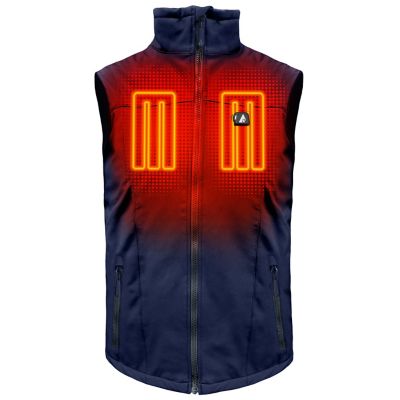
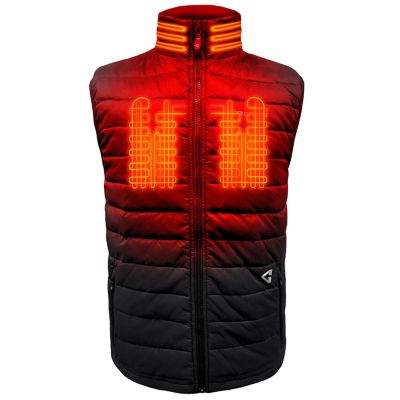
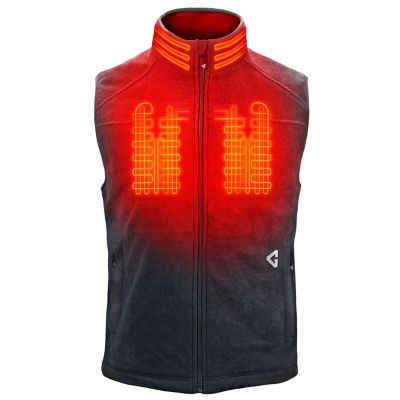
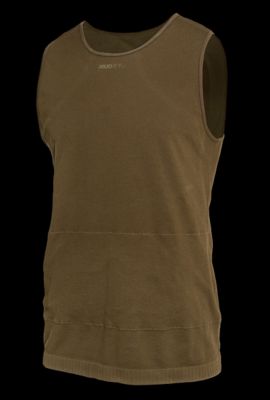
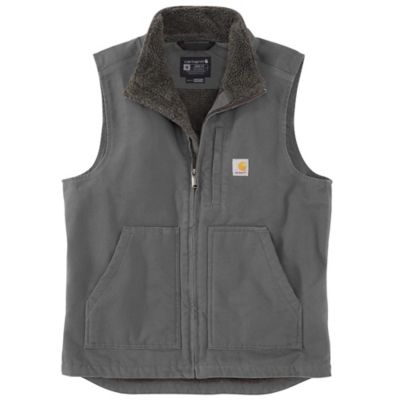
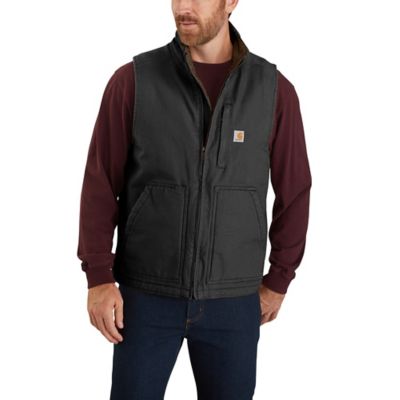
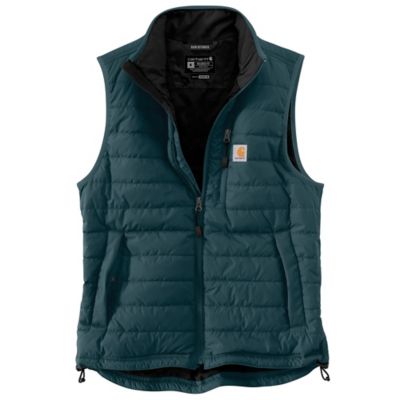
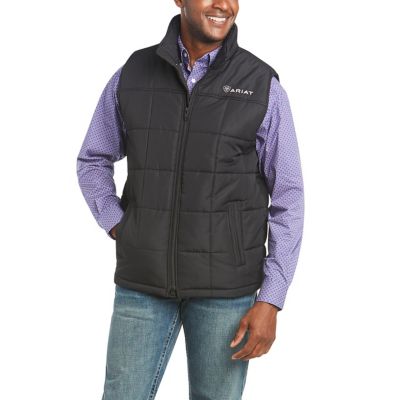
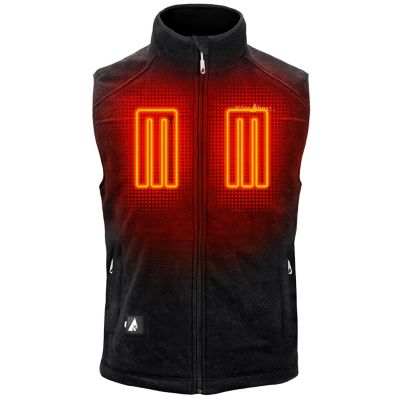
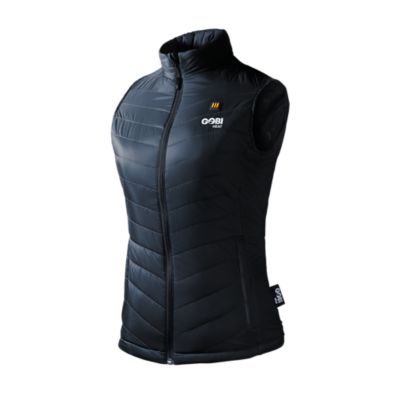
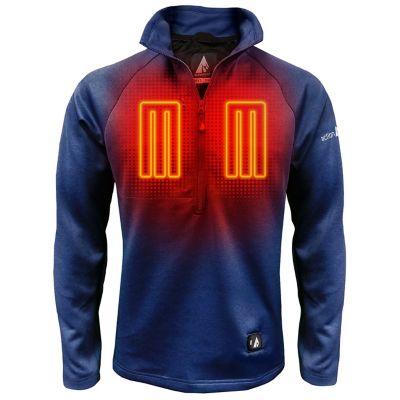
Men's heated vests with battery packs bring rechargeable warmth to the center of the body without adding another set of sleeves. That makes them a practical layer for feeding livestock before daylight, checking fence lines, sitting in a hunting blind or walking from the parking lot to the jobsite. A vest leaves the arms free for reaching, lifting and handling everyday chores, while heating elements help warm areas such as the chest and back. Depending on the design, additional heating zones may extend to the collar, shoulders or pockets. Zone placement matters as much as the number of zones: warmth across the upper back feels different from heat concentrated near the front pockets, especially when standing still in a breeze. Adjustable heat settings let the wearer change the warmth level as activity picks up or slows down. Someone carrying feed sacks may want less heat than someone waiting quietly along a field edge. Controls should be easy to reach with the vest layered beneath a coat, and a clear setting indicator can make adjustments simpler with gloves on. Within the broader range of
Mens Heated Clothes, vests offer a balance of core warmth and freedom through the arms. They can work over a long-sleeve shirt or beneath a roomy outer layer, depending on the garment's directions and the conditions. The fabric and insulation still do important work when the power is off, so the vest itself should suit the day rather than depending entirely on its heating system. For hunters, anglers, landowners and folks who spend part of the workday outside, that combination can make a long stretch outdoors more comfortable. It also suits everyday trips into town, sidelines at outdoor games and other outings where standing around can feel colder than keeping busy. Heated clothing adds warmth, but it does not replace adequate insulation, shelter or breaks from harsh conditions.
Materials and fit shape how a heated vest feels through a full day. Fleece offers a soft feel and works well as an insulating layer, while softshell constructions may provide a smoother outer surface with some resistance to wind and light moisture. Nylon or polyester shells, quilted insulation and lined collars each bring a different feel, and their performance depends on the construction. A water-resistant finish is not the same as waterproof protection, particularly around seams, zippers and electrical connections. For chores around rough lumber, stacked hay or fence posts, a tightly woven face fabric, reinforced pocket openings and well-finished seams are worth attention. Smooth-running zippers and secure stitching matter when a vest gets pulled on before breakfast and taken off after the last barn check. Fit should feel close enough to keep the heated areas near the body without squeezing the chest or limiting movement. A vest that hangs too loosely can leave extra space between the heating panels and the wearer; one that fits too tightly may become uncomfortable over a work shirt or sweatshirt. Chest measurements and the garment's size chart offer a better starting point than guessing from a jacket size alone. Room through the armholes helps with reaching a gate latch or lifting a saddle, while enough length at the waist helps prevent gaps when bending. An adjustable hem can help manage the fit, and a stand-up collar adds coverage around the neck without a hood getting in the way. Pocket layout deserves a look, too. Hand pockets, an inside storage pocket and a separate battery pocket serve different purposes, especially when gloves, keys and a phone are already coming along. Battery placement should feel comfortable when seated in a truck or on a tractor, with no hard edge pressing against the hip or ribs. These details help a vest settle into an everyday routine instead of feeling like one more piece of equipment to work around.
The battery pack is a central part of the setup, and runtime depends on more than the capacity number printed on it. Heat setting, the number and size of active heating zones, outdoor temperature and battery condition all affect how long warmth lasts between charges. A stated maximum runtime generally refers to particular test conditions, often at a lower setting, rather than a promise of the same performance throughout a windy day. Higher heat draws more power, so a full day of intermittent warmth and a short stretch on high are different demands. Capacity figures in milliamp-hours are most useful when comparing batteries with the same voltage; watt-hours give a clearer picture of stored energy across different voltages. Larger packs can carry more energy but may also add weight and take up more pocket space. Compatibility matters just as much as capacity. The battery voltage, connector and power requirements need to match the vest manufacturer's specifications, and a similar-looking plug does not establish that match. Package contents also deserve attention, including whether the charging cable and any required wall adapter accompany the battery. Care requirements vary by garment: some permit machine washing under stated conditions, while others call for hand washing or spot cleaning. The battery must be removed before cleaning, and the vest's directions should govern how the connector is protected, which wash cycle is appropriate and how the garment dries. Heating elements and wiring need gentle handling, so wringing, ironing or applying high dryer heat may be prohibited. The vest and connections should be fully dry before reconnecting power. Follow the battery maker's charging and storage directions, and stop operating a pack that shows swelling, damage or unusual heat. For a gift, sizing, the recipient's usual layers and the kind of time spent outdoors matter more than a long feature list. A well-fitting heated vest can earn its place beside the work boots for someone who handles morning chores, watches the pasture or simply appreciates steady warmth without a heavy coat.