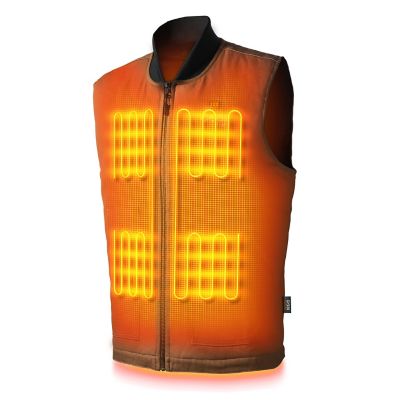
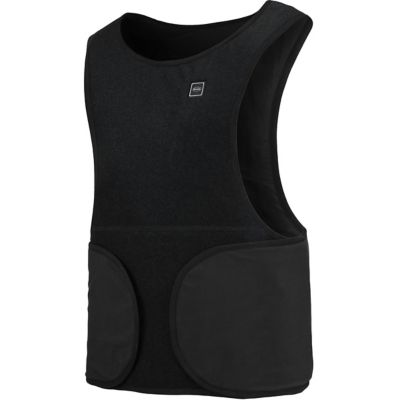
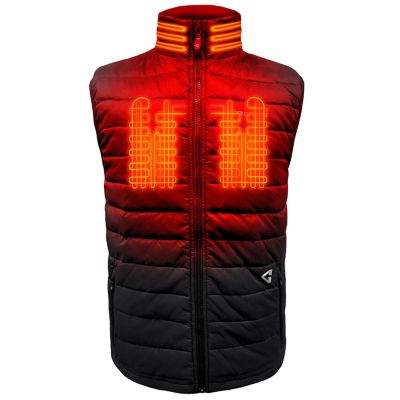
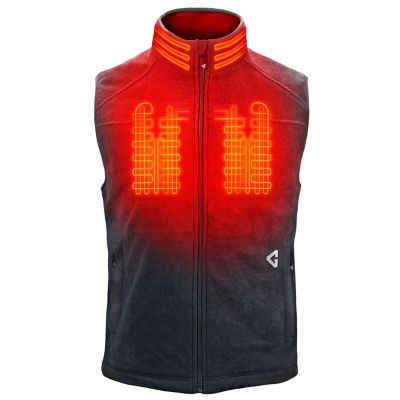
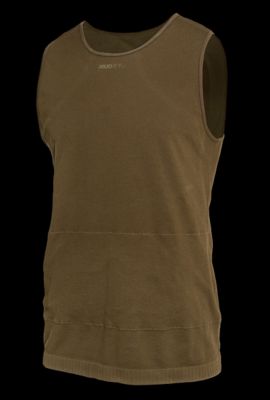
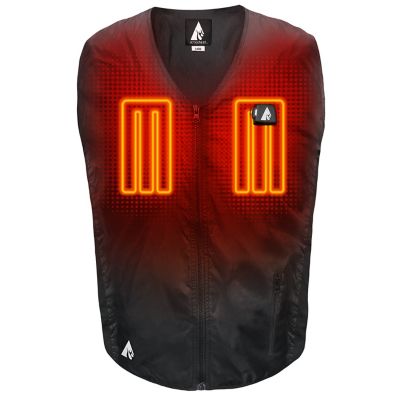
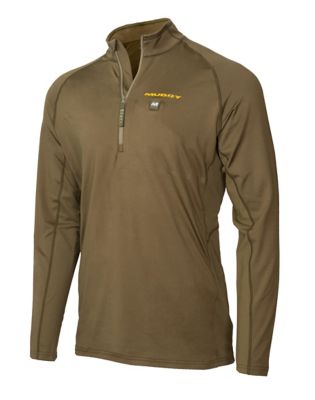
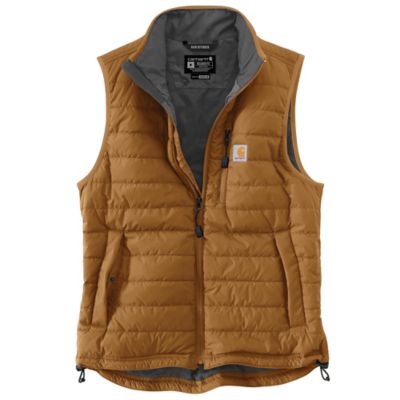
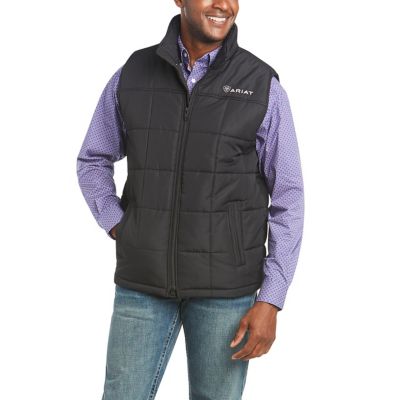
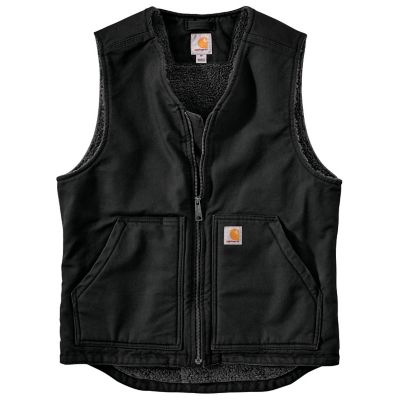
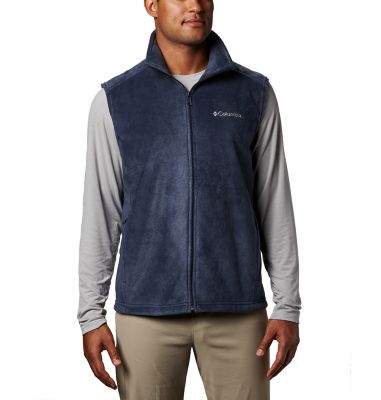
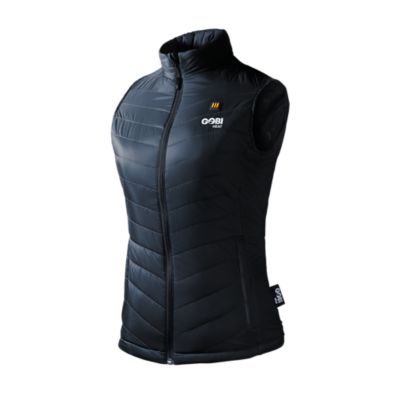
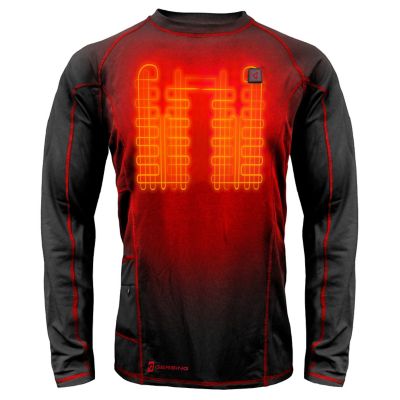
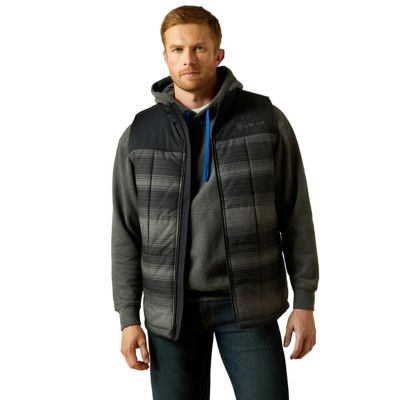
Men’s heated vests bring battery-powered warmth to everyday layers without putting extra fabric around your arms. Built-in heating elements warm selected areas of the torso, helping take the edge off cold mornings at the barn, long stretches beside a fence line or an evening in the bleachers. Most designs pair a rechargeable battery with adjustable heat settings, so the warmth can change when the job moves from hauling feed to sitting on a tractor. Heating zones vary by design and may sit across the chest, back, collar or near the front pockets. Their placement matters as much as their number: warmth across the back feels different from heat concentrated around the chest, and pocket-area heating does not always mean the entire pocket gets warm. The vest’s fabric and insulation also help hold body heat, even when the power is off. That makes a heated vest a practical middle layer for farm work, hunting, walking the property or heading into town. A sleeveless cut leaves shoulders and elbows free for reaching overhead, carrying buckets and handling a gate latch. It also fits into familiar workwear combinations, whether that means a flannel shirt underneath or a roomy jacket on top. Heated clothing adds warmth, but it does not replace suitable outerwear, gloves or other protection when conditions turn rough. For winter layering across different activities,
Heated Vests For Winter brings the focus to this same kind of core warmth. These vests can also make thoughtful gifts for men who spend time outdoors, especially someone who regularly gets an early start on chores or stays out through the last inning. Fit, battery compatibility and straightforward controls are worth knowing before choosing a gift, since the best match depends on how and where the wearer plans to put it to work. Someone who walks several miles checking livestock may want a different balance of insulation and breathability than someone sitting quietly in a hunting blind.
Fabric, construction and fit shape how a men’s heated vest feels through a full day. Fleece styles have a soft feel and can sit comfortably beneath a coat, while quilted designs combine heating elements with insulation for a more padded layer. Nylon or polyester shells may slide more easily under a work jacket and shed light moisture when treated with a water-resistant finish. Water resistance is not the same as waterproof protection, though, and neither the fabric nor the electrical components should be assumed ready for a soaking rain. A wind-resistant outer layer can help keep moving air from carrying away warmth when crossing an open pasture or riding in an open utility vehicle. For work around rough lumber, fence posts and barn hardware, tightly woven face fabrics, secure seams and well-finished pocket openings are useful construction details. No heated vest should be treated as protective equipment around sparks, open flame or machinery unless it carries the appropriate rating for that job. Fit should leave room for the intended shirt or base layer while keeping the heated sections reasonably close to the body. An overly loose vest may let warmth escape, while a tight one can pull across the shoulders or bind when bending to lift a feed sack. Armholes need enough clearance for reaching and stretching without letting the whole vest ride up. Length matters, too: coverage at the lower back is welcome when leaning over a trough, but a long hem can bunch when seated. A full-length zipper makes layering simpler, and a collar can add coverage without requiring a separate neck layer. Pocket placement deserves attention beyond storage capacity. A battery pocket near the waist may press against a seat belt or tool belt, depending on its position. Zippered hand pockets help keep small belongings contained, while an accessible heat control makes adjustments less fussy with cold fingers. These everyday details often make as much difference as the heating system itself.
Battery performance is another important part of choosing men’s heated vests for work and recreation. Runtime depends on the battery’s capacity, the selected heat level, the number and output of the heating zones, and the surrounding conditions. Higher settings generally draw power faster, while lower settings stretch the charge further. Advertised maximum runtimes often reflect a low setting under specified test conditions, not continuous high heat through a long day outdoors. Battery voltage alone does not tell the whole story about warmth or operating time, and a pack with a matching plug is not necessarily compatible. The power source must meet the vest manufacturer’s requirements; some systems call for a particular battery, while others accept a USB power source with specified output. Package details also matter because a vest, battery and charger are not always supplied together. For longer outings, a compatible spare battery can be helpful when the design permits battery changes, but packs should stay protected from moisture, damage and temperature extremes according to their instructions. Controls range from simple push buttons to systems with separate adjustments for different heating areas. Clear setting indicators are handy when stepping from a chilly equipment shed into a heated cab, where less heat may feel better. Care requirements vary just as much as battery systems. Some heated vests permit machine washing, while others require hand washing or spot cleaning. The care label should settle the washing method, detergent restrictions and drying process rather than assumptions based on the outer fabric. Before cleaning, disconnect and remove the battery and secure the connector as directed. The vest and its connections need to be completely dry before power is restored. Routine checks for frayed wiring, damaged connectors or a swollen battery help catch trouble before the next outing. Storage also deserves a little attention: avoid sharply creasing heated panels, and follow the battery instructions for charging and extended storage. With the right fit and proper care, a heated vest can earn a regular place beside the chore coat, ready for cold days that call for warmth without covered arms.