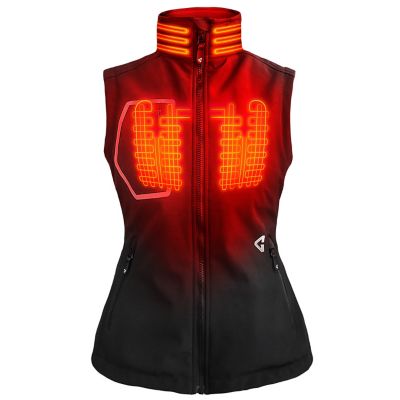
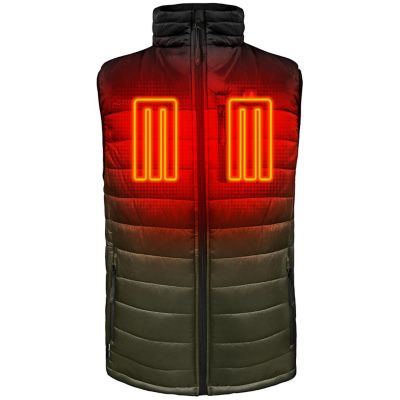
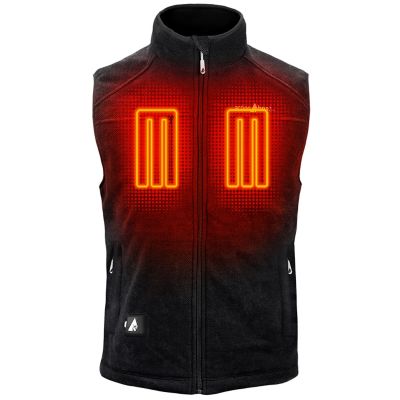
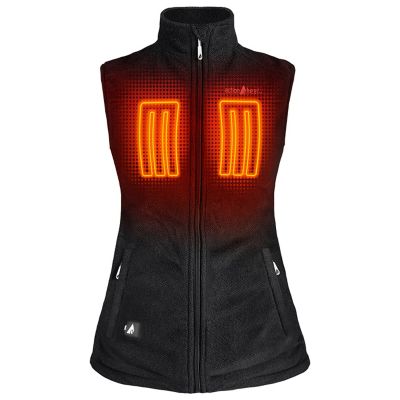
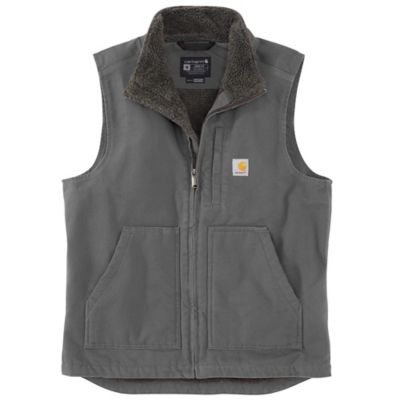
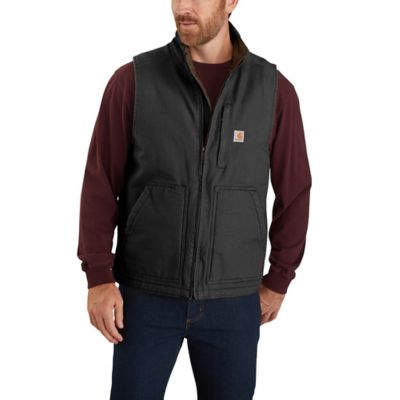
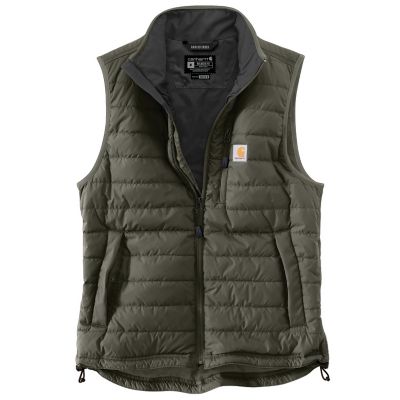
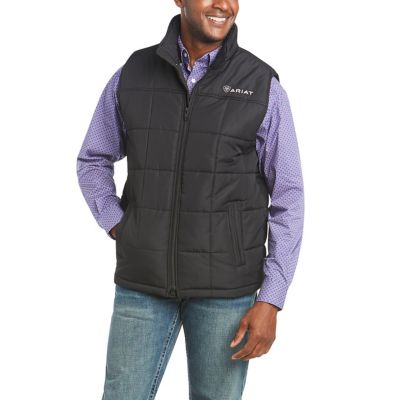
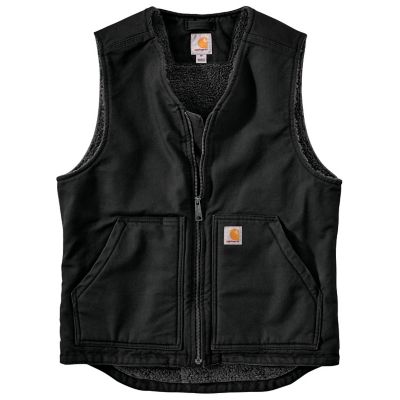
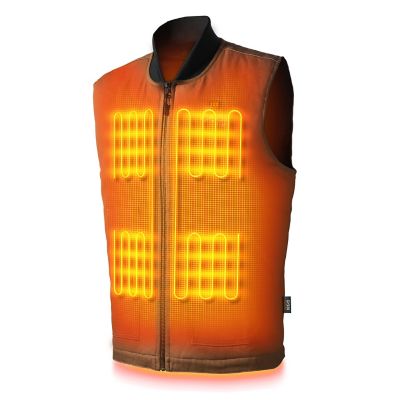
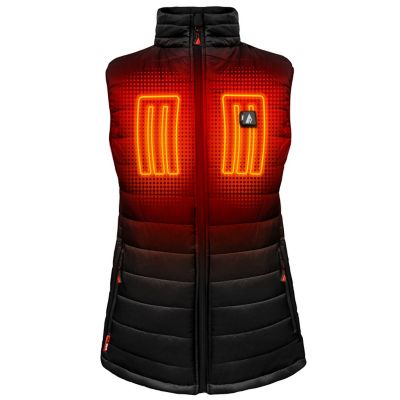
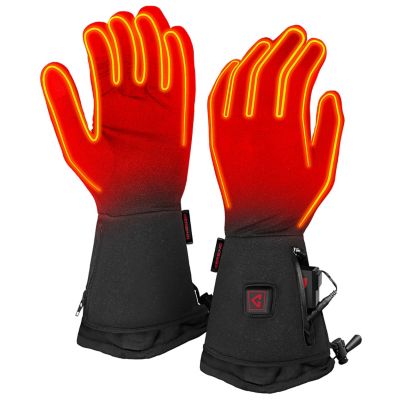
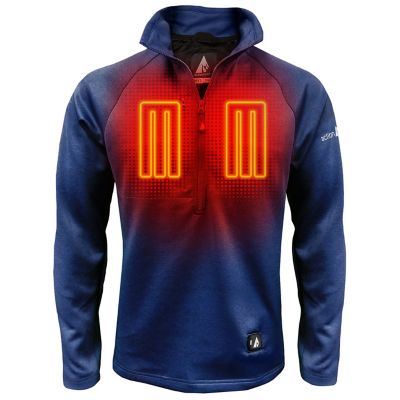
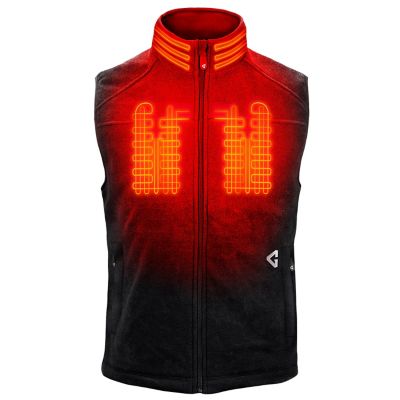
Heated vests for winter are made for those cold stretches when a coat feels like too much, but an ordinary vest does not quite cut it. Built-in heating panels, powered by a rechargeable battery pack, add warmth around the core while leaving your arms free for work, walking, driving, or outdoor recreation. Depending on the design, heating zones may warm the chest, mid-back, lower back, or collar area, helping take the chill off where cold air tends to settle. Most vests offer several heat settings, so you can start with a gentle level while moving and turn up the warmth when you stop to stand around. That flexibility comes in handy on the farm, where a brisk morning feeding animals can turn into a longer chore when a gate sticks, a water trough needs attention, or a neighbor stops to talk by the barn. Heated vests also suit hunters in a blind, anglers on the bank, ice fishers, outdoor workers, campers, coaches, and spectators who spend more time waiting than moving. They can be especially useful for keeping warm beneath a work jacket or over a base layer without the bulk of another heavy coat. For a lighter option that layers easily, explore a
Lightweight Heated Vest.
When comparing heated vests for winter, begin with the fit and the way you expect to use the vest. A close, comfortable fit helps the heating panels sit near your body, but there should still be room for a shirt or light sweatshirt underneath. Adjustable side panels, stretch sections, and a roomy arm opening can make a big difference when reaching into a feed bin, handling tools, or climbing into a truck. Pay attention to the outer material, too. Wind-resistant fabric can help hold in warmth on an exposed field or windy bleacher, while water-resistant construction offers some protection from light drizzle, snow flurries, or splashes around chores. A vest is not a replacement for rain gear unless it is specifically rated for wet conditions. Battery details deserve a close look as well. Some heated vests use lower-voltage power packs that are light and convenient, while higher-voltage systems may warm up faster and reach a higher temperature. Runtime commonly ranges from about three hours on a high setting to 10 or 12 hours on a low setting, though actual performance depends on the battery, temperature, and setting. If you will be outside all day, look for a vest with dependable battery capacity or plan for a charged spare. Keep the battery compartment and connections protected from moisture, and always remove the battery pack before washing. Checking the care label for machine-washable construction can save a lot of hassle, especially for a vest worn around livestock, firewood, muddy paths, or dusty equipment.
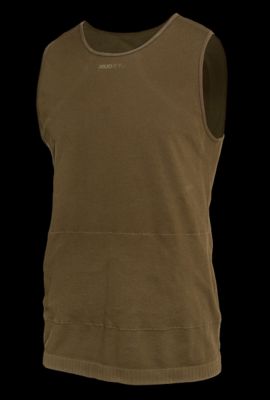
A heated vest can be a practical gift for someone who enjoys being outdoors, especially when traditional cold-weather layers tend to feel bulky or restrictive. It may be a welcome choice for a parent who watches weekend ball games, a rancher checking livestock before sunrise, a delivery driver, a hunter who spends hours sitting still, or a grandparent who likes to keep up with outdoor gatherings without shivering through them. These vests are often most comfortable when used in layers: start with a moisture-wicking base layer, add the heated vest, and finish with a jacket or shell suited to the wind and precipitation. Turn the heat down during active work to avoid sweating, then raise it when taking a break or settling into a stationary activity. That simple adjustment helps conserve battery power and keeps warmth comfortable instead of overwhelming. Think about pocket placement, zipper quality, collar height, and whether the vest allows easy access to the battery controls. A front zipper that glides smoothly matters when your hands are cold, while generously sized pockets are useful for gloves, keys, a phone, or small tools. Before storing the vest, let it dry completely, remove the battery, and follow the manufacturer’s care instructions. With the right fit, heating coverage, battery life, and weather-ready outer fabric, heated winter vests offer a handy way to stay comfortable through cool chores, quiet outdoor time, and the long stretch of colder weather.