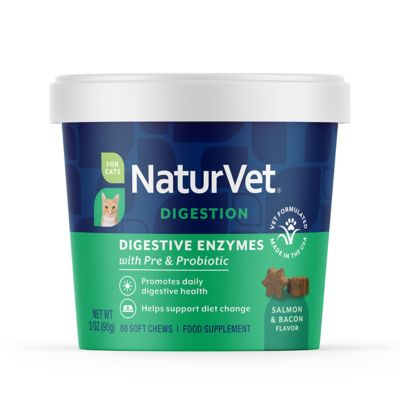
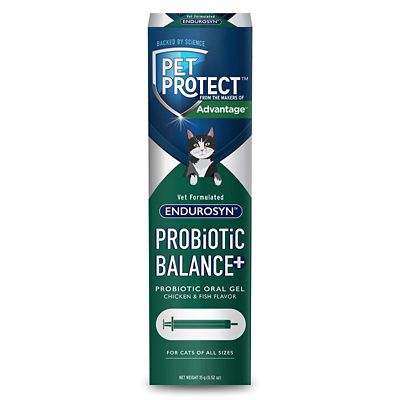
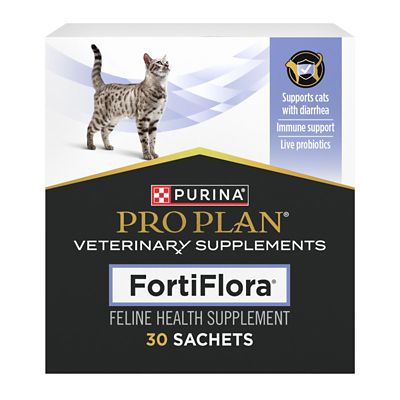
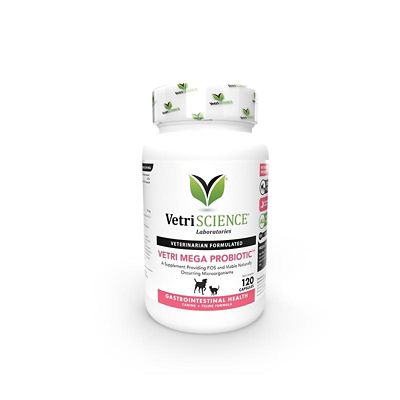
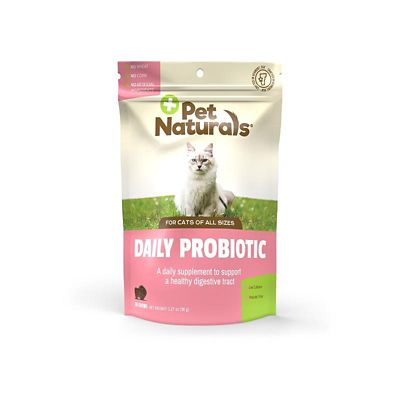
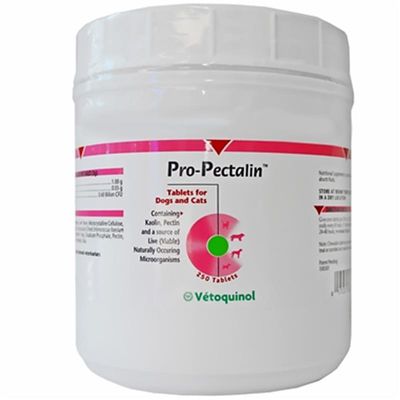
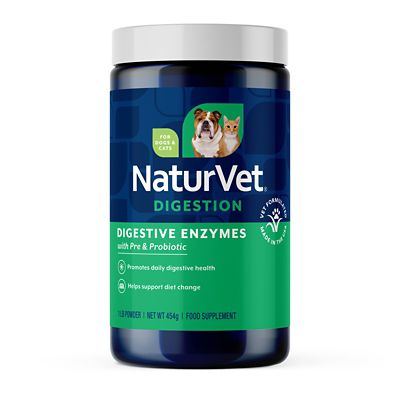
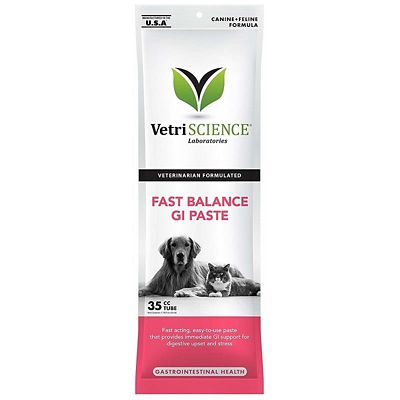
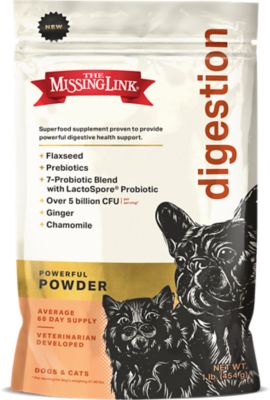
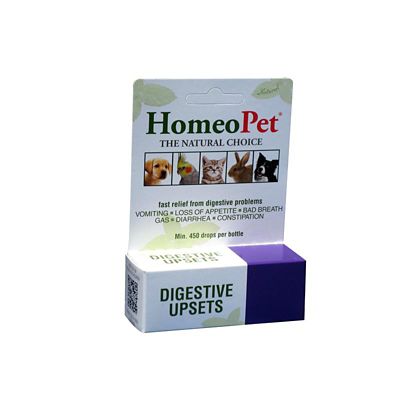
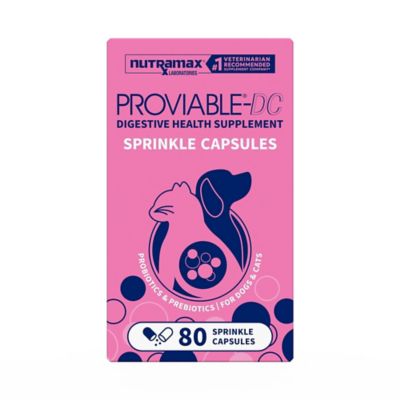
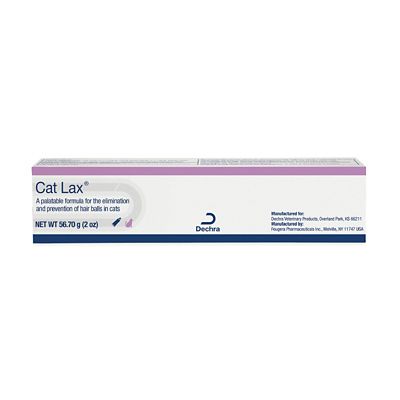
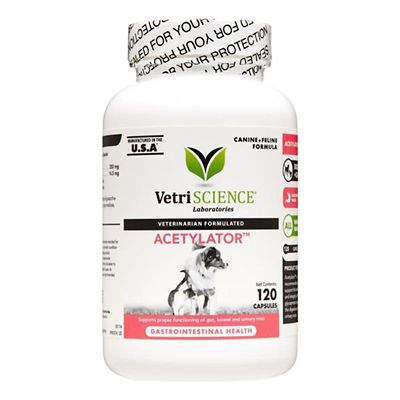
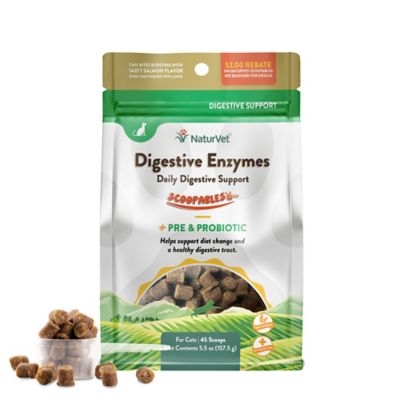
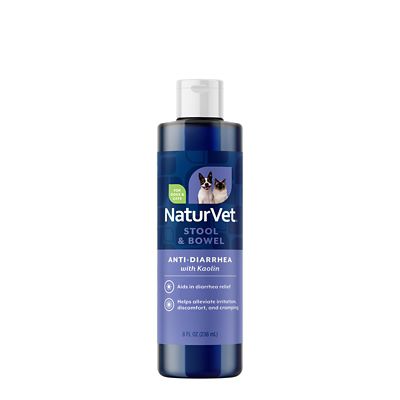
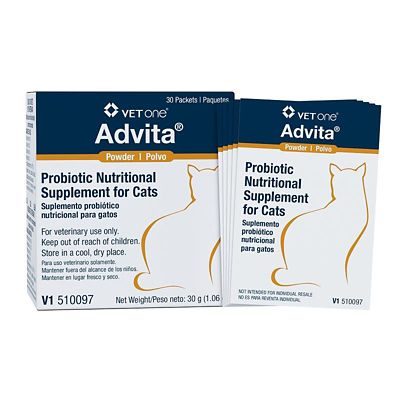
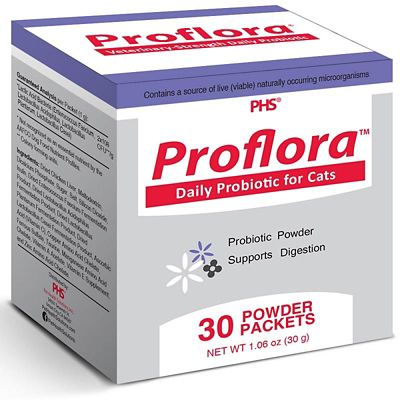
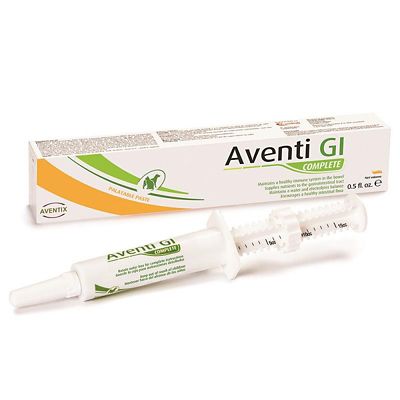
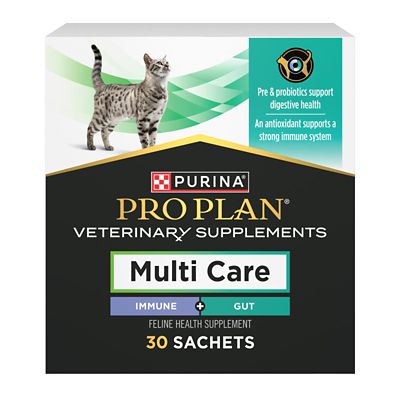
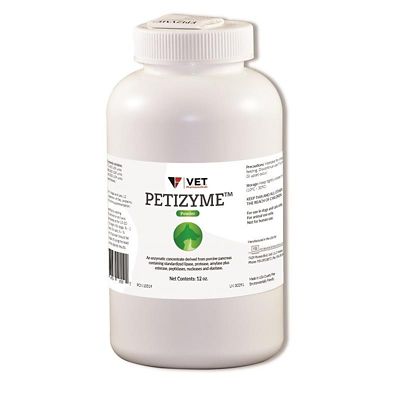
Digestive health supplements for cats support normal digestion through ingredients such as probiotics, prebiotics, fiber, and digestive enzymes. Depending on the formula, their intended role may include supporting stool consistency, helping maintain intestinal bacteria, or helping swallowed hair pass through the digestive tract. These supplements aren’t all interchangeable, and the ingredient panel tells more than a broad promise of stomach support. Probiotics contain live microorganisms that may benefit digestive health when given in appropriate amounts; their effects depend on the particular strains, formula, and cat.
Cat Prebiotics provide ingredients that feed beneficial microbes already living in the intestines, rather than adding live bacteria. Some formulas combine both approaches. Fiber ingredients, such as pumpkin or psyllium, can influence stool consistency and regularity, though different fibers work differently and more isn’t always better. Digestive enzymes help break down food components such as proteins, fats, and carbohydrates. Supplemental enzymes have particular applications, but they aren’t necessary for every cat and shouldn’t be mistaken for veterinary treatment of an enzyme deficiency. For a cat with occasional digestive sensitivity, the right type of support depends on what’s behind the trouble, not simply whether the package mentions digestion. A change in food, a medication, and an underlying health problem can produce similar litter box changes while calling for different care. Hairball-support formulas have a separate purpose, too: certain fiber blends may help move swallowed hair along, but they don’t take the place of regular brushing or an evaluation of repeated vomiting. Whether the cat spends the afternoon watching the yard from a windowsill or following the family from room to room, digestive supplements belong alongside a complete and balanced cat food, fresh water, and routine veterinary care. Their role is to complement that foundation, not make up for an unsuitable diet or cover up ongoing symptoms.
Powders, capsules, soft chews, pastes, and liquids give cat owners several ways to work digestive support into an everyday feeding routine. The best fit is often the form a cat will willingly take in the full labeled amount. A powder that blends into a small serving of wet food may suit a cat that eats every bite, while a chew may fit a cat that readily accepts treats. Texture and smell matter as much as convenience; some cats notice even a light coating on their usual supper. Mixing a supplement into an entire bowl can make it hard to tell how much the cat actually received if half the meal stays behind. In a home with several cats, separate servings help keep one eager eater from getting another cat’s portion. Capsules and pastes have their own directions, and opening, splitting, or mixing them should depend on the label rather than guesswork. Serving amounts may vary by body weight, age, and intended purpose, so a scoop from another container isn’t a dependable substitute for the supplied measuring tool. Cat-specific labeling matters, especially for kittens, pregnant or nursing cats, and seniors with health conditions. An adult cat formula may not be appropriate for every life stage. Ingredient lists also deserve a look when a cat follows a limited-ingredient feeding plan or has a known food sensitivity. Flavorings, protein sources, and other added ingredients can matter even when they aren’t the main digestive ingredient. For cats on a veterinary diet, checking compatibility before adding a supplement helps keep that feeding plan on track. A short ingredient list isn’t automatically the better choice, and a long list doesn’t automatically mean broader benefits. What matters is a clear purpose, understandable serving directions, and ingredients that suit the individual cat. For someone helping care for a family member’s cat, sticking with an established supplement and feeding routine is generally more sensible than bringing an unfamiliar formula as a surprise.
Package details help distinguish digestive supplements that may look much alike at first glance. Probiotic labels may identify the microorganisms by genus, species, and strain, along with a count expressed in colony-forming units, or CFUs. A larger count alone doesn’t establish a better match; the strain, evidence for its intended purpose, and amount delivered in each serving all matter. Look for clarity about whether the stated count applies through the expiration date and follow the storage directions closely. Some formulas need refrigeration, while others are designed for shelf storage. Keeping the lid closed, protecting the contents from moisture, and using a clean, dry scoop help preserve the formula as directed. Original packaging also keeps the expiration date, serving information, and ingredient panel close at hand, which is handy when several pets have different feeding needs. Digestive support is easier to assess when the rest of the routine stays steady. A simple record of appetite, stool consistency, supplement amount, and any food changes can give a veterinarian useful context without turning every trip to the litter box into a guessing game. When a food change is necessary, a gradual transition is often easier on digestion unless the veterinarian recommends otherwise. Adding several supplements at once can muddy the picture and may stack up overlapping ingredients. Cats taking medications or receiving treatment for a digestive condition need veterinary guidance on compatibility and timing, including whether a probiotic should be given apart from an antibiotic. Persistent diarrhea, repeated vomiting, blood in the stool, straining, weight loss, low energy, or reduced appetite call for veterinary attention rather than another supplement trial. Trouble passing urine, which can look like constipation in the litter box, needs urgent care. With an appropriate formula and a routine that fits the cat, digestive health supplements can be a practical part of daily care, with benefits judged by the cat’s response rather than the number of ingredients on the label.