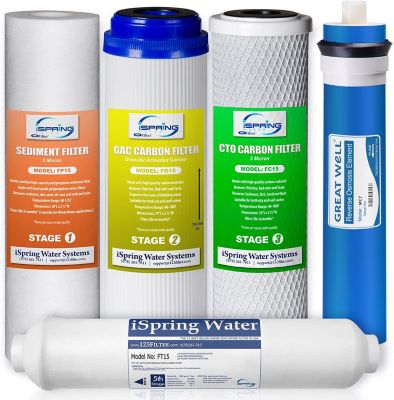
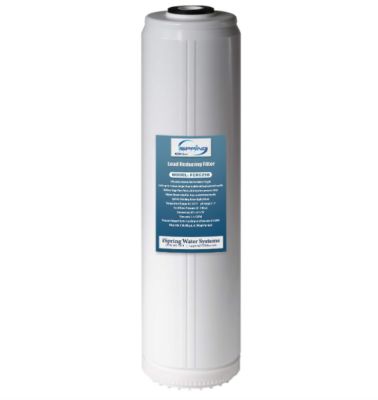
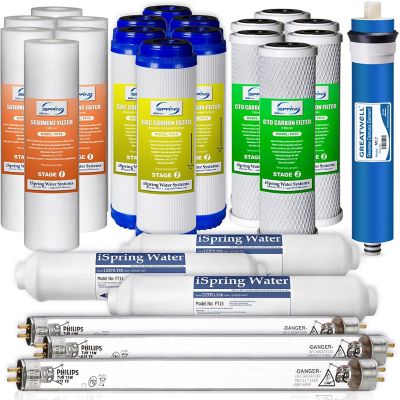
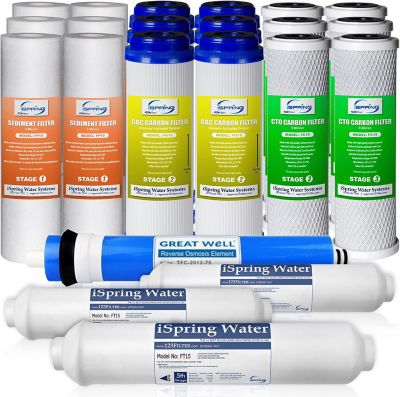
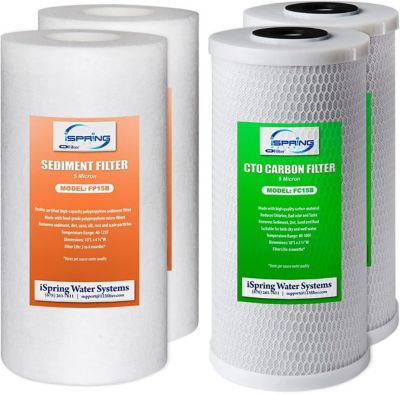
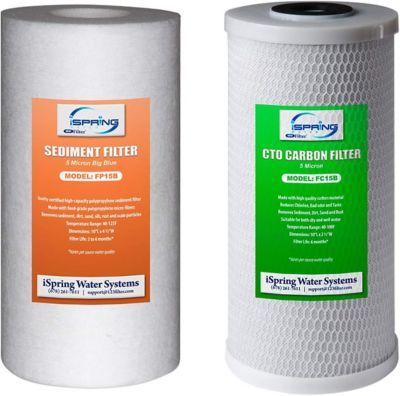
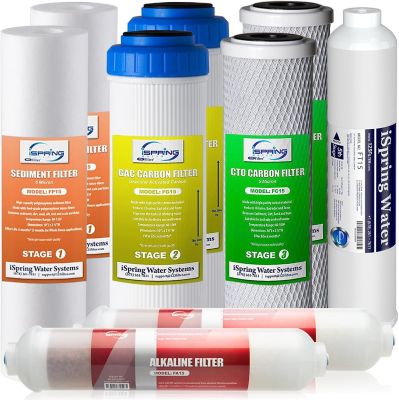
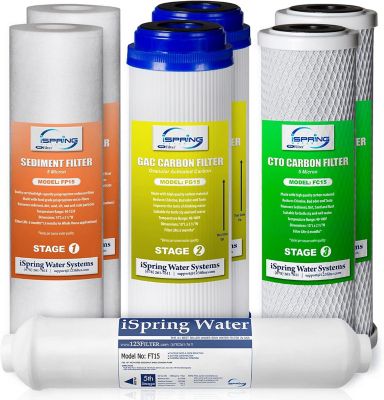
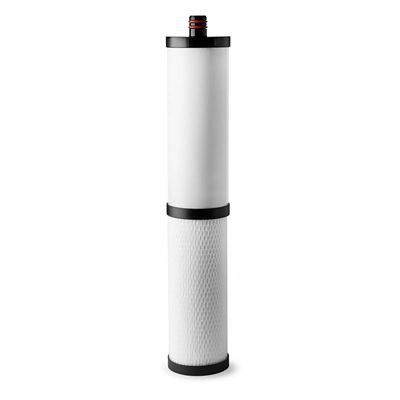
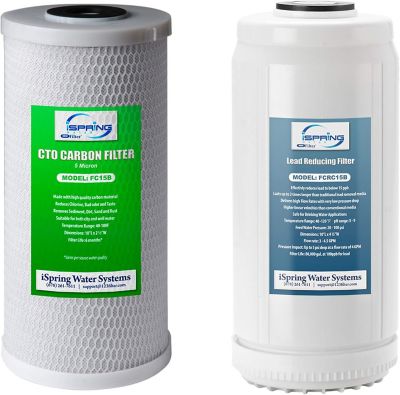
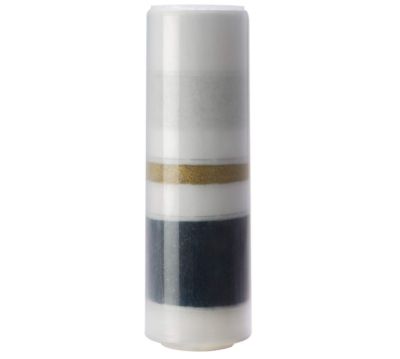
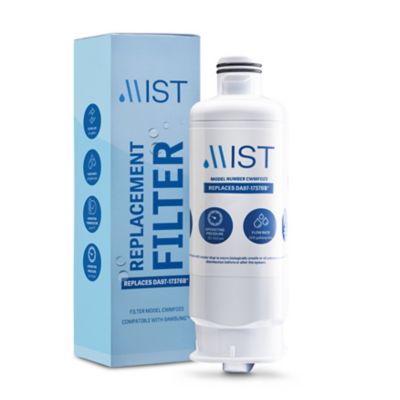
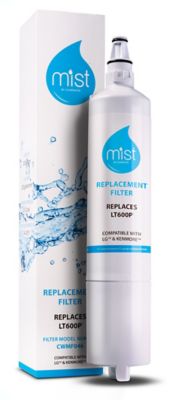
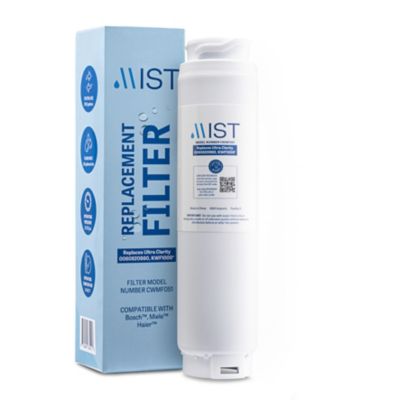
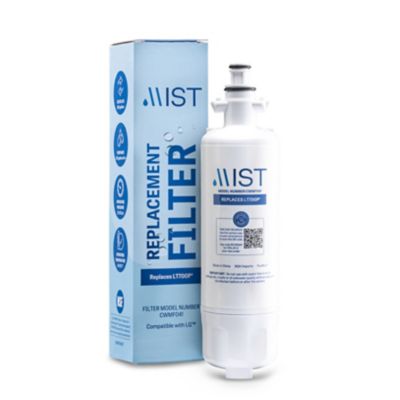
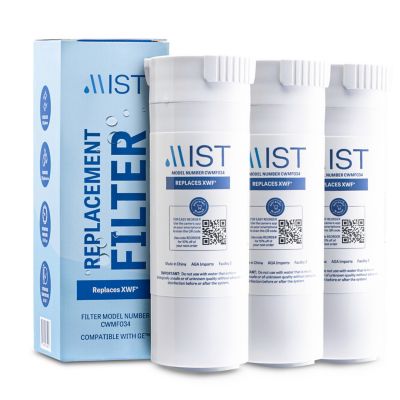
Universal water filter cartridges are replacement filter elements made to fit common drop-in water filter housings, rather than one particular proprietary system. They help address everyday concerns such as sand, silt, rust particles, or chlorine taste and odor, depending on the filter media and its stated performance. Around a farmhouse, country home, workshop, or cabin, the right cartridge can support a whole-home filtration setup or a smaller system serving a kitchen faucet or utility sink. The word “universal” describes compatibility with a standard housing format, not a promise that every cartridge fits every filter. Common nominal sizes include 10-inch-long cartridges with a 2.5-inch diameter, wider cartridges around 4.5 inches in diameter, and 20-inch-long versions for larger housings. Some cartridges described as 10-inch replacements have an actual length closer to 9.75 inches, so the housing specifications matter more than a rounded size label. Length and diameter are only part of the fit: end-cap shape, center openings, sealing surfaces, and required gaskets also need to match. A cartridge that drops into the bowl but does not seal correctly can let water bypass the filter media. Twist-lock, refrigerator, and other proprietary cartridges generally are not interchangeable with standard drop-in replacements. For an existing setup, the housing model number and its listed replacement dimensions provide a better starting point than appearance alone. Keeping those details with the household maintenance records makes repeat replacements simpler, especially on a property with more than one filter housing. Intended use matters, too. A cartridge serving a drinking-water tap has different flow demands from one supplying showers, laundry, and the kitchen at the same time. Matching the replacement to both the housing and the job helps keep a straightforward maintenance task from turning into another trip for parts. Cartridges that look similar on the shelf can differ substantially in media, filtration rating, and water flow.
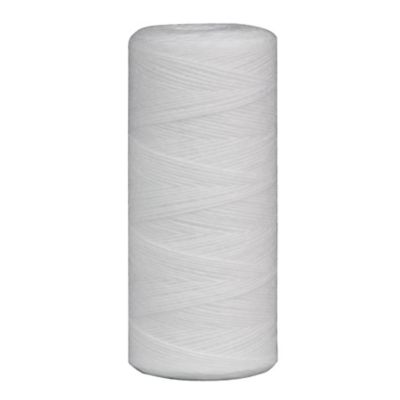
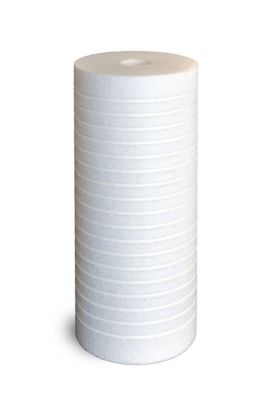
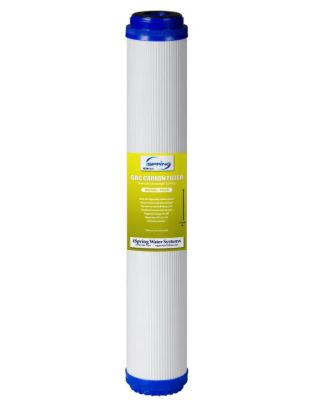
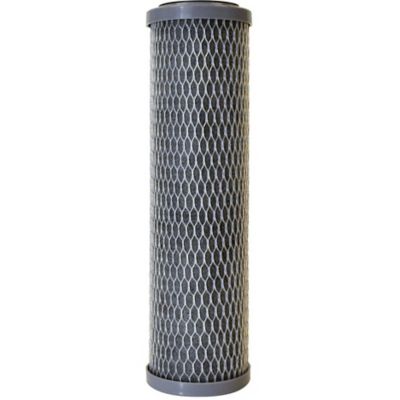
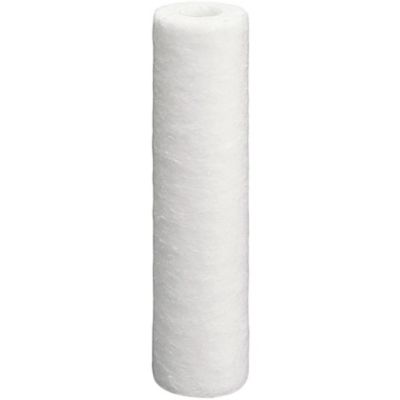
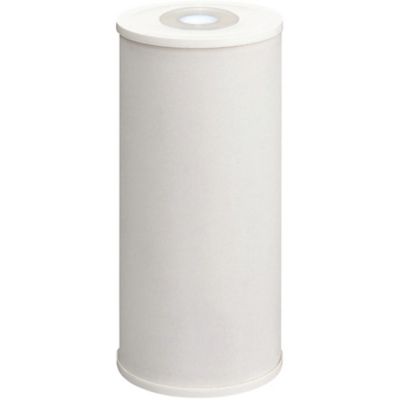
Sediment and carbon cartridges handle different jobs, and their materials help explain the difference. Sediment cartridges capture suspended particles, including dirt, sand, silt, and rust flakes. Spun or melt-blown polypropylene cartridges commonly have a depth-style structure that traps particles within the material, while string-wound cartridges wrap filtering fibers around a central core. Pleated cartridges provide a folded surface for collecting debris; depending on their construction, the media may include polyester, cellulose, or a blend. Washability depends on the specific cartridge, so pleats alone do not mean a filter can be cleaned and returned to service. For a well that brings in fine grit or a supply line that sheds rust particles, sediment filtration can help keep that debris from moving farther into the plumbing. It does not soften hard water or remove dissolved minerals. Carbon cartridges, including carbon block and granular activated carbon designs, commonly target chlorine taste and odor, with additional reduction claims varying by cartridge. Carbon is not a catchall for every dissolved chemical, and chlorine reduction does not automatically mean chloramine reduction. Performance claims and any independent certification need to identify the particular substance being addressed. Micron ratings describe particle filtration: a lower number generally indicates finer filtration, with common sediment ratings ranging from about 1 to 50 microns. A nominal rating reflects a stated percentage of particles captured at a given size, while an absolute rating indicates a more tightly defined capture level under stated test conditions; the manufacturer’s definition still matters. Finer filtration is not automatically the best choice for every property. Heavy sediment can load a fine cartridge quickly, restricting flow before the expected replacement interval. A coarser sediment stage ahead of a finer cartridge or carbon stage may suit some multi-housing systems. Flow ratings, pressure-drop information, and the condition of the incoming water help explain those tradeoffs. Water testing is especially important for private wells, since clear water and a clean taste do not establish that water is safe to drink. Standard sediment and carbon cartridges should not be treated as disinfection systems unless the complete system has a verified claim for that purpose.
For systems installed on the main supply line,
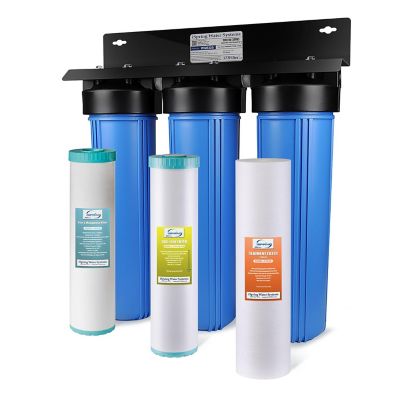
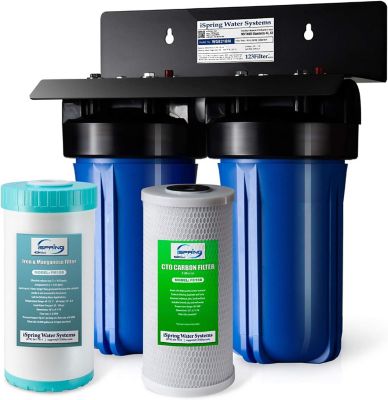
Whole House Water Filter Cartridges should match the household’s peak flow needs as well as the housing dimensions. Running a washing machine while someone showers puts a different demand on a filter than filling a single drinking glass. A larger cartridge may offer more media or sediment-holding capacity, but its actual flow performance still depends on its design and the housing around it. Service life also varies with water consumption, sediment load, and the contaminants the cartridge is rated to reduce. A gallon-capacity rating or recommended replacement interval is a planning reference, not a guarantee that every home will get the same stretch of service. Reduced flow, a noticeable pressure difference across the housing, or the return of a previously controlled taste or odor may signal that attention is needed. Some contaminants provide no sensory warning, making scheduled replacement and any recommended testing important even when the water seems unchanged. Routine care includes keeping the housing clean and following the system manufacturer’s directions for shutting off the supply, relieving pressure, handling seals, and checking for leaks after replacement. Housing O-rings need the correct fit and, where specified, a suitable lubricant; extra tightening is not a substitute for a properly seated seal. Carbon cartridges often require flushing before normal service to clear loose carbon fines, with the amount and procedure set by the cartridge instructions. Disposable filter media should be replaced rather than scrubbed in an attempt to extend its life, while cartridges specifically labeled washable need care that follows their own directions. Cartridges also need protection from damage during storage so their wrapping, end caps, and sealing surfaces remain intact. For folks keeping up with a home, shop, or outbuilding, a compatible replacement with clearly stated materials, dimensions, filtration claims, and care requirements makes it easier to keep the water system working as intended.