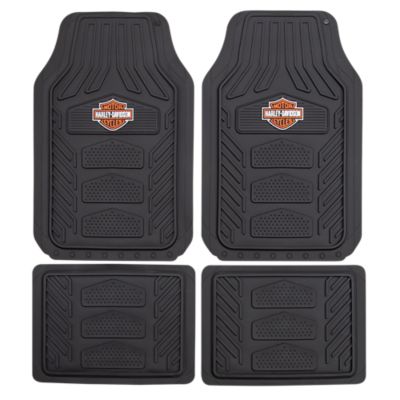
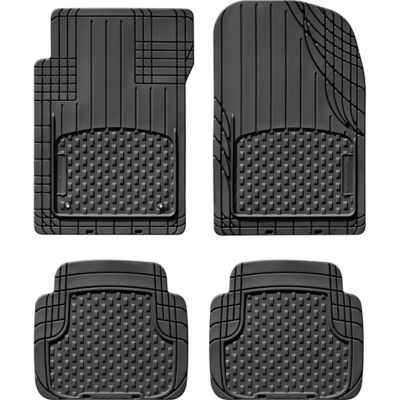
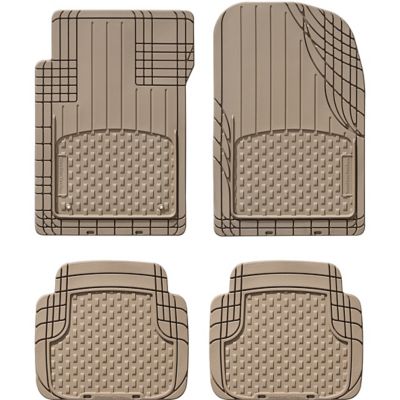
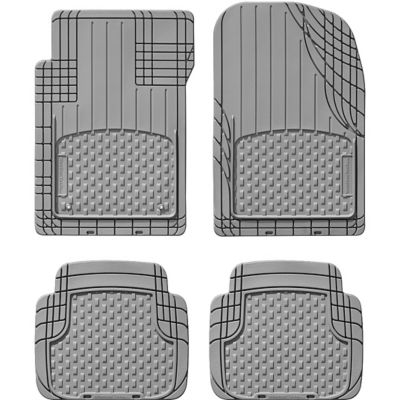
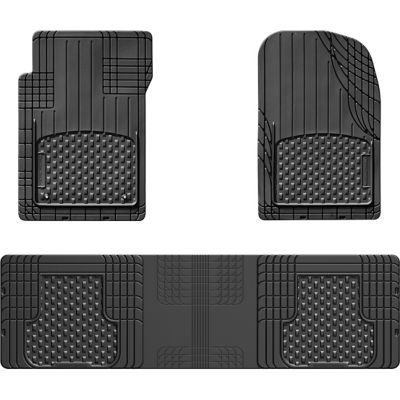
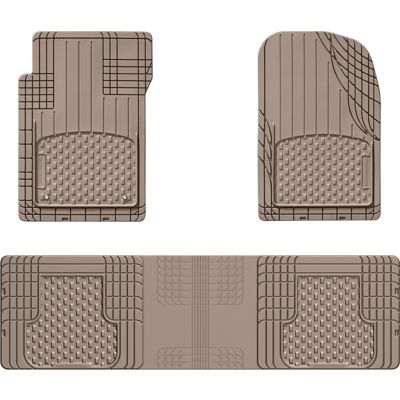
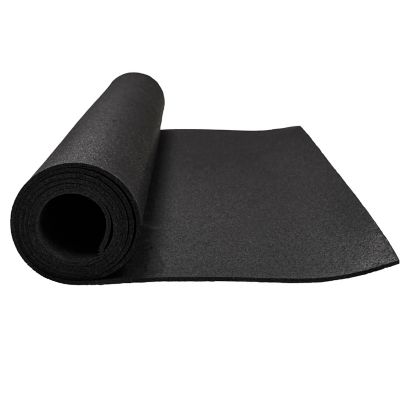
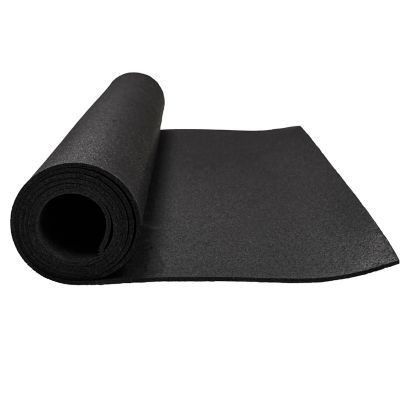
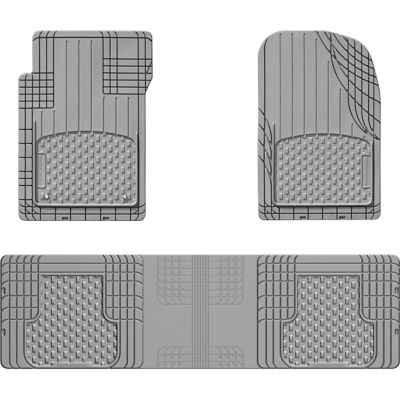
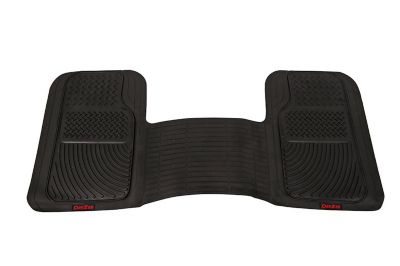
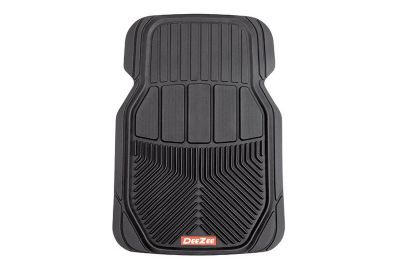
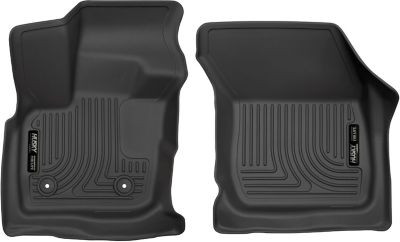
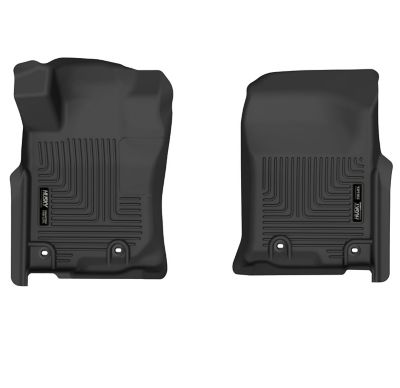
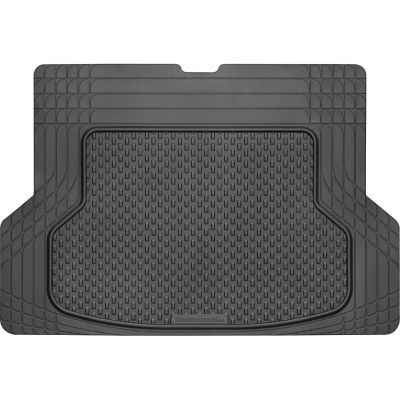
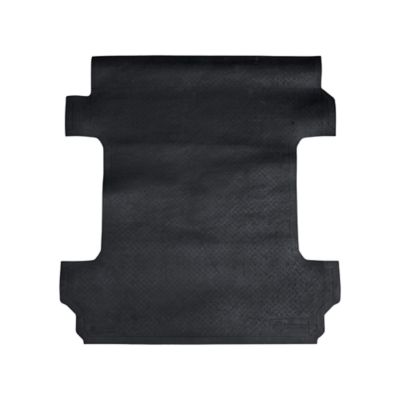
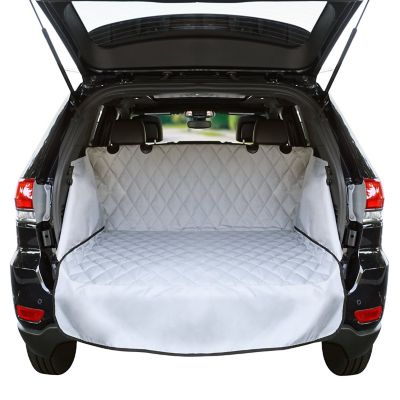
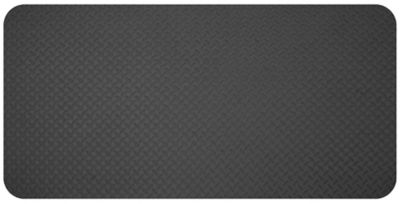
Universal floor mats are vehicle floor coverings designed to fit a range of cars, trucks and SUVs rather than one specific make and model. They help protect the carpet beneath your feet from dirt, grit, spilled drinks and the wear that comes with climbing in and out every day. For a pickup that travels between the feed store and the farm, or a family vehicle hauling kids and groceries, that extra layer takes some of the mess out of everyday driving. Universal styles generally have a broad shape, and some include marked edges that allow trimming for a closer fit. Their coverage depends on the dimensions and layout of the vehicle’s footwells, so the word “universal” describes a range of applications, not a promise that every mat fits every vehicle. Material makes a big difference in how the surface feels and how it handles dirt. Rubber provides a flexible barrier with enough weight to help it lie flat, while vinyl and thermoplastic materials can offer molded grooves and a surface that wipes clean. Carpet mats provide a softer feel underfoot and can blend in with the vehicle’s existing interior, though embedded grit may take more effort to remove. For pickups and family vehicles that regularly bring home dirt from gravel lanes and barn lots,
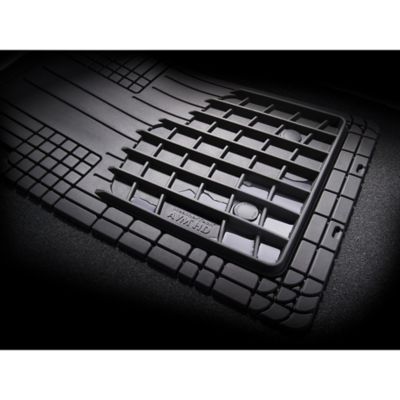
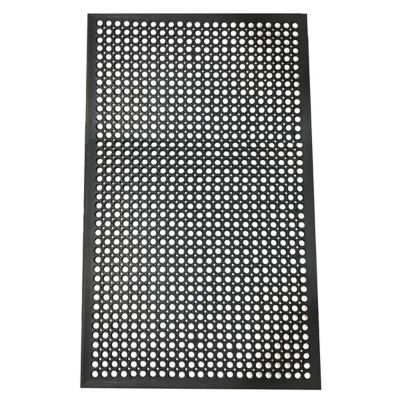
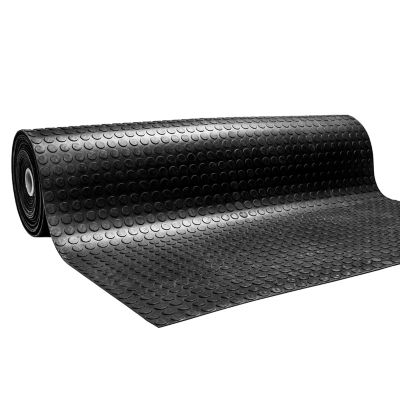
Rubber Floor Mats offer a practical surface for everyday messes. Raised edges and recessed channels can help contain small spills and collect loose debris, while textured areas give boot soles a place to rest. Deeper channels may hold more debris between cleanings, but they also need enough room around the edges to sit properly. Thickness, flexibility and the shape of the heel area all matter, especially in a driver’s footwell where the mat needs to stay flat without crowding the pedals. A flatter surface may be simpler to brush out, while a more sculpted pattern can separate loose dirt from the spots where feet usually rest.
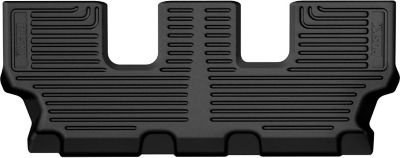
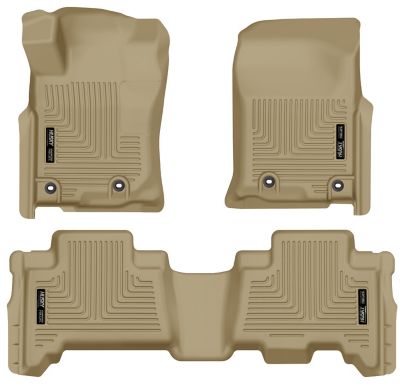
Fit matters most on the driver’s side, where even a tough mat is the wrong choice if it interferes with normal pedal movement. The useful measurements are the open floor space, the distance between the seat and pedals, and the width around any transmission tunnel or raised sections. A broad rectangular footwell may accept a universal shape easily, while a narrow floor area or pronounced center hump may call for a different outline. Front and rear positions also have different needs: the front usually requires more room for feet to move, while rear coverage depends on seat spacing and the shape of the floor. A set’s piece count alone does not tell the whole story, since separate rear mats and a connected rear section cover different areas. Trim-to-fit designs can help with small shape adjustments when the manufacturer allows them, but trimming cannot correct every mismatch. Marked cut lines, edge channels and retention points deserve a close look before any material comes off. A mat that needs major reshaping may not provide the coverage or stability the vehicle requires. Factory retention hooks or compatible fastening points help keep a driver’s mat in position, and a textured backing may add grip without replacing those anchors. Only one floor mat belongs in each seating position; stacking mats can cause sliding, bunching or interference with the pedals. The finished fit should leave the accelerator, brake and clutch, where present, free to move through their full travel without catching an edge. Seat movement matters, too, particularly in a work truck where different drivers adjust the seat throughout the day. Passenger mats still need to sit flat, with no curled corners that catch a boot or push against nearby trim. For vehicles with bench seats, floor-mounted controls or unusual footwell shapes, dimensions and attachment details are more useful than a broad vehicle-type label. A good match covers the main contact area without forcing excess material into places it does not belong.
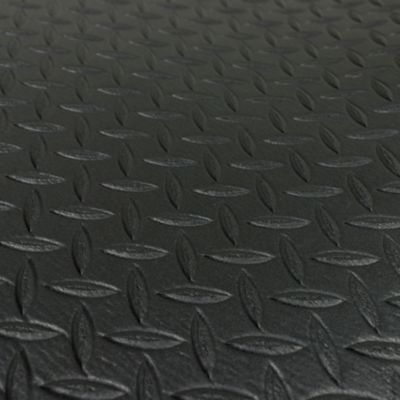
Daily habits help determine which construction makes the most sense. A truck carrying fencing tools may collect fine grit around the driver’s heel, while a vehicle hauling kids may need more spill containment in the back seat. Someone who spends long stretches behind the wheel may appreciate a comfortable foot surface and a reinforced heel section where the same spot gets repeated contact. Deep tread patterns can catch dirt from work boots, but shallow grooves may be easier to wipe after a quick stop at the feed shed. Resistance to cracking, tearing and curling depends on the material and construction, not simply how heavy a mat feels in your hands. Flexibility helps a mat follow the floor’s contours, while a well-formed edge helps it keep its shape through repeated handling. Care requirements are worth considering alongside those features. Many rubber and molded plastic mats can be lifted out, shaken off and washed according to their care directions, which keeps loose grit from spreading across the carpet during cleaning. Carpet styles generally benefit from vacuuming before spot cleaning so abrasive particles do not stay worked into the fibers. Any cleaning method should suit the material, and mats need to dry fully before going back into the vehicle. A slick dressing or oily treatment has no place on the foot-contact surface, where traction matters more than shine. Cleaning the floor underneath is just as important; trapped dirt can grind against carpet, and moisture beneath a mat should not be left sitting. Periodic checks around the heel area, corners and anchor openings can reveal thinning or damage before the mat starts shifting. Floor mats also make a practical gift for someone setting up a work truck or taking care of a family vehicle, provided the measurements and fastening needs are known. For everyday use, the best match balances coverage, secure placement and manageable cleanup, keeping the cab ready for the next load of errands without making floor care another big chore.