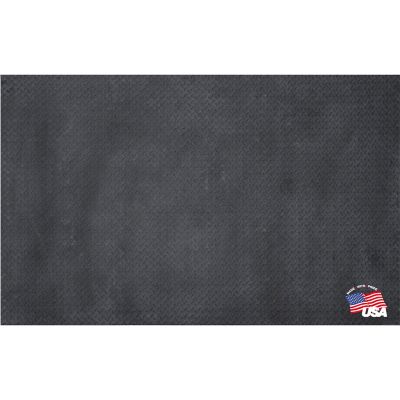
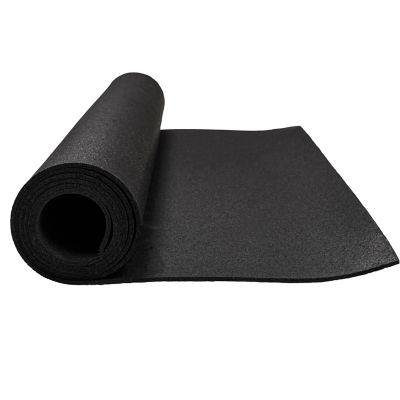
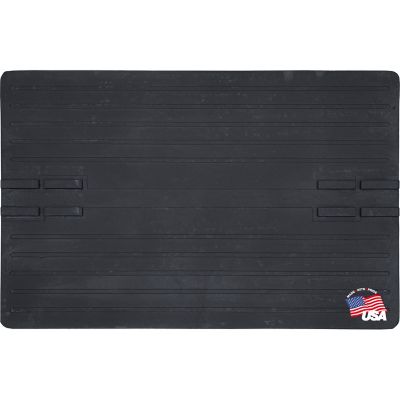
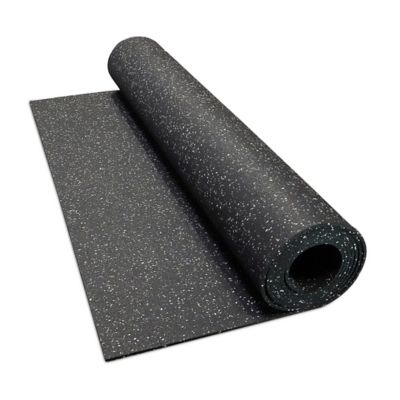
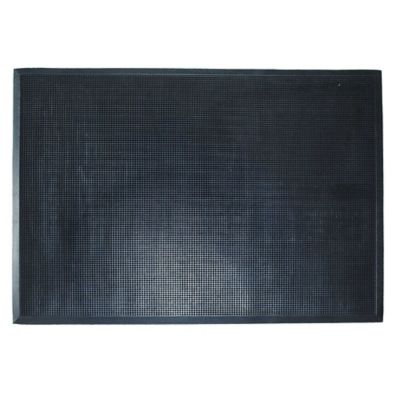
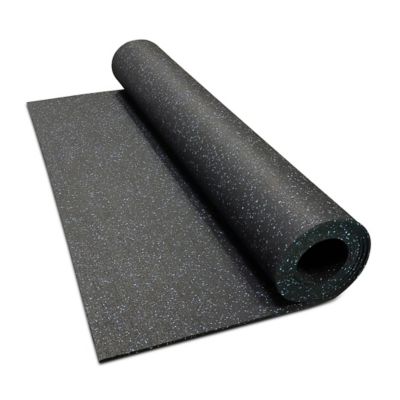
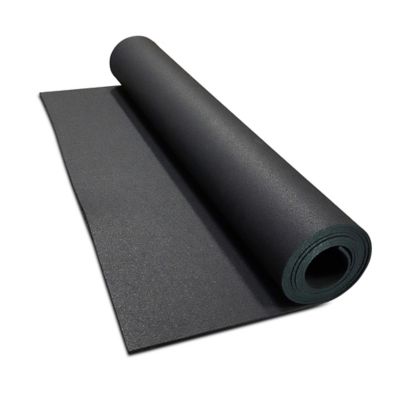
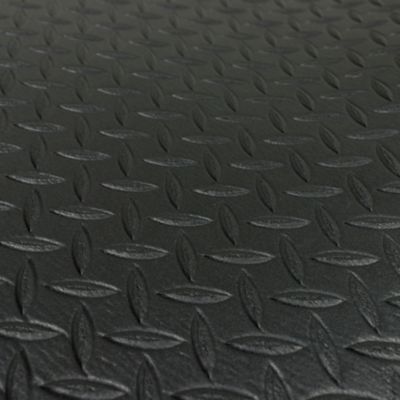
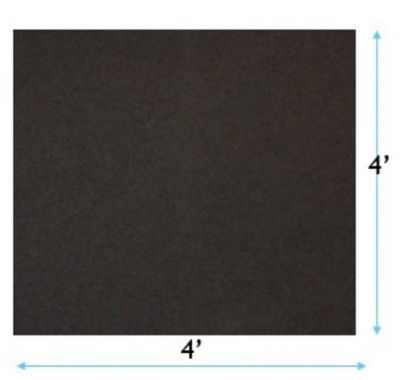
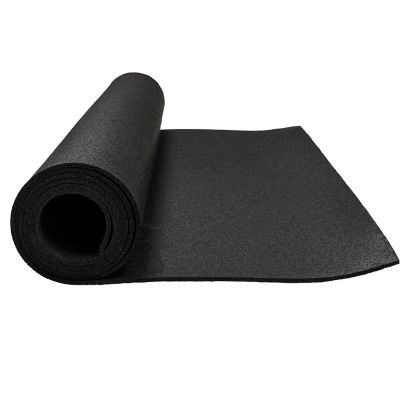
Rubber floor mats are a practical way to protect the surfaces underfoot wherever dirt, water, mud, tools or heavy equipment tend to make a mess. Around the house, a rubber mat can help shield an entryway, mudroom, laundry area or garage floor from wet boots, fallen leaves and everyday traffic. In a shop, barn, shed or work area, it creates a durable surface between hard concrete and your feet, while in a vehicle it helps contain road salt, mud, spilled drinks and other debris. These mats are made for hardworking spaces because rubber is tough, flexible and easy to clean, and many styles have textured surfaces that add traction when conditions get slick. The best choice depends on where the mat will be used and what kind of wear it needs to handle. A lightweight mat may be a good fit for a doorway or utility area, while a thicker, denser mat is better suited to a workshop, weight area or place where heavy tools and equipment are set down. For larger spaces, rubber flooring may come in rolls or interlocking sections that cover more ground and can be arranged around benches, machines or workout equipment. Smaller mats are handy when you need targeted protection in front of a workbench, under a sink or beside a vehicle door. Take careful measurements before ordering, including the available length, width and clearance around doors, pedals, shelving or other obstacles. A mat that lies flat and stays in place is safer and more useful than one that bunches at the edges or leaves a tripping point. If you are comparing
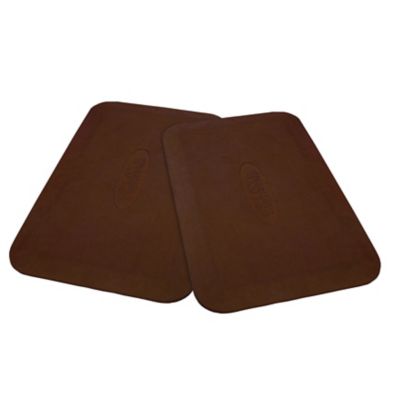
Soft Rubber Mats, consider how much cushioning you want, whether you need a smooth or textured top and how easily the material can be moved for cleaning.
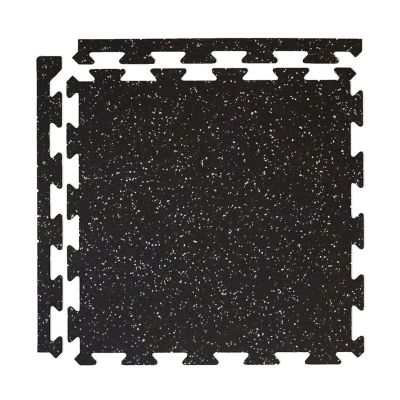
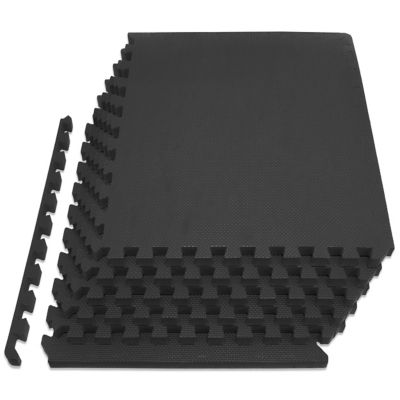
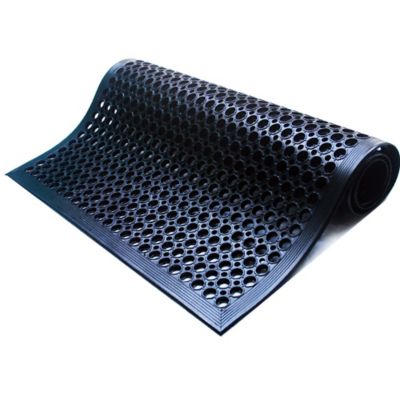
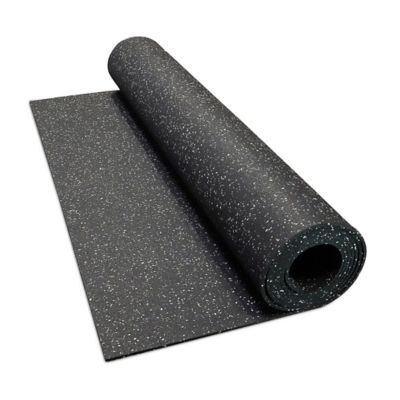
Different jobs call for different rubber floor mat features. For vehicles, look for a size and shape that fits the footwell, with raised edges or channels that help hold rainwater, melting snow, mud and gravel away from the carpet. A universal style can be convenient, but trimming should be done carefully and never in a way that interferes with pedals or other controls. Custom-shaped liners generally offer more complete coverage, while flexible mats can be easier to lift and shake out. At entry doors and in high-traffic walkways, a ribbed, corrugated or textured surface can help scrape dirt from shoes and catch moisture before it travels farther indoors. In wet or muddy areas, drainage openings may help keep standing water from collecting on top of the mat, though the surface underneath still needs a way to dry. In a workshop or standing station, thickness and cushioning matter more. Dense rubber flooring can help protect concrete from dropped hand tools, weights and equipment, and a cushioned anti-fatigue mat may make long hours on a hard floor easier on tired feet, knees and lower backs. Fitness areas often benefit from heavy rubber tiles or rolls that absorb some impact and help protect the subfloor beneath weights and exercise equipment. Farm and ranch spaces can also benefit from rubber mats where boots, feed bags, water buckets and muddy gear come and go throughout the day. For stalls, kennels or animal areas, always check that the mat is intended for that setting and provide proper drainage, ventilation and cleaning. Rubber floor mats can be a thoughtful practical gift for someone setting up a new garage, outfitting a home gym, buying a first truck or spending more time in a workshop. They are especially useful for folks who would rather have a gift that earns its keep, whether that means protecting a freshly finished garage floor or giving a pair of muddy boots a dependable place to land. During the cooler months, mats become even more useful for catching moisture and grit before it gets tracked through the house, but a good mat can serve that purpose year-round.
A little routine care helps rubber floor mats last longer and keeps them looking and working their best. Start by sweeping, shaking out or vacuuming loose dirt, gravel, hay and other debris on a regular basis. In a truck or car, lift the mat out before cleaning so grit does not stay trapped underneath and scratch the original flooring. For most everyday messes, wash the mat with a garden hose or damp mop and a small amount of mild soap mixed with water. Use a soft brush on textured areas where mud or fine dust can settle, and rinse away soap so the surface is not left slippery. Let the mat dry completely before putting it back on wood, carpet or another surface that could hold moisture. This is especially important after wet footwear, melting snow or a muddy chore, when water can remain hidden beneath a heavy mat. Check the underside from time to time for trapped grit, dampness, curling or damage, and make sure the mat continues to lie flat. Avoid harsh cleaners, solvents and abrasive tools unless the care instructions specifically allow them, since strong chemicals can affect the rubber surface or leave behind a slick residue. Keep mats away from direct heat sources and allow plenty of airflow when drying. When choosing rubber floor mats, balance the size, thickness, traction, flexibility and cleaning needs with the space you have available. A properly fitted mat should stay put without blocking doors or equipment, provide a comfortable and dependable surface underfoot and make cleanup simpler after the kind of busy day that brings mud, dust and water in from outside.